Yoga Poses to Alleviate Plantar Fasciitis

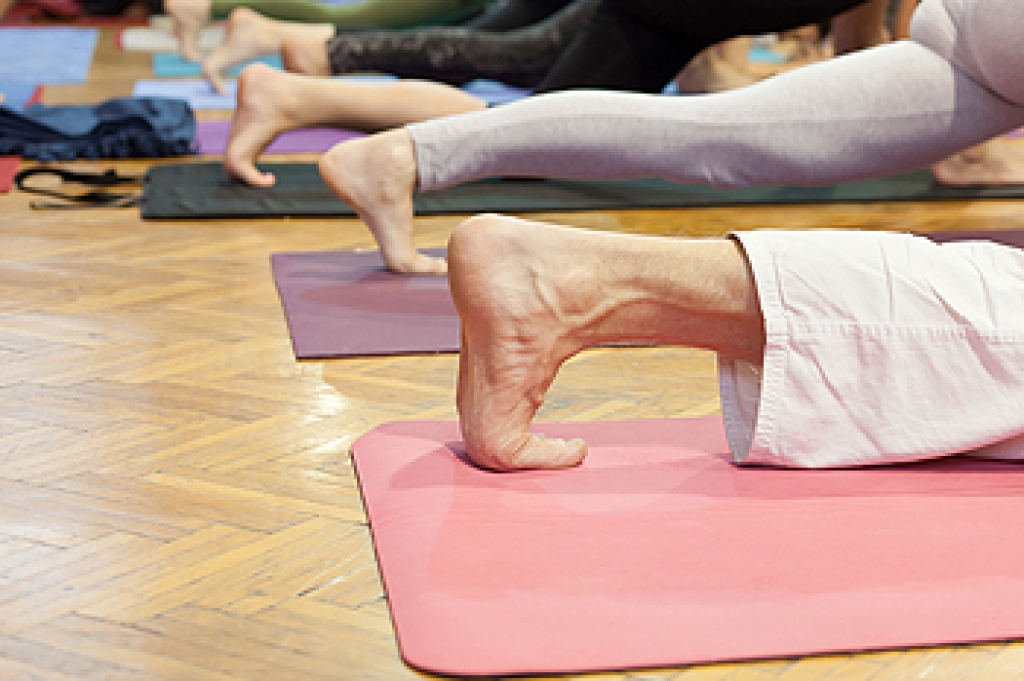
Yoga can be a gentle and effective way to relieve the discomfort of plantar fasciitis. One beneficial pose is the upward salute, which stretches the entire body while lengthening the spine and opening the shoulders. The chair pose strengthens the legs and helps build stability, providing support to the feet. Incorporating the high lunge not only stretches the hip flexors but also engages the lower body, promoting flexibility in the feet and calves. Lastly, downward dog is excellent for stretching the calves and hamstrings while improving overall foot strength. Each of these poses encourages better alignment and flexibility, which can alleviate tension in the plantar fascia. Regular practice can enhance circulation and reduce inflammation, contributing to improved comfort and mobility for those affected by this condition. If you are suffering with plantar fasciitis, it is suggested that you are under the care of a podiatrist who can discuss relief strategies, which may include effective yoga stretches.

Stretching the feet is a great way to prevent injuries. If you have any concerns with your feet consult with Steven Black, DPM from California . Our doctor will assess your condition and provide you with quality foot and ankle treatment.

Stretching the Feet

Being the backbone of the body, the feet carry your entire weight and can easily become overexerted, causing cramps and pain. As with any body part, stretching your feet can serve many benefits. From increasing flexibility to even providing some pain relief, be sure to give your feet a stretch from time to time. This is especially important for athletes or anyone performing aerobic exercises, but anyone experiencing foot pain or is on their feet constantly should also engage in this practice.

Great ways to stretch your feet:

  • Crossing one leg over the others and carefully pull your toes back. Do 10-20 repetitions and repeat the process for each foot
  • Face a wall with your arms out and hands flat against the wall. Step back with one foot and keep it flat on the floor while moving the other leg forward. Lean towards the wall until you feel a stretch. Hold for 30 seconds and perform 10 repetitions for each foot
  • Be sure not to overextend or push your limbs too hard or you could risk pulling or straining your muscle

Individuals who tend to their feet by regular stretching every day should be able to minimize foot pain and prevent new problems from arising.

If you have any questions please contact our office located in Lancaster, CA . We offer the newest diagnostic and treatment technologies for all your foot and ankle needs.

Read more about Stretching Your Feet

Barefoot Babies

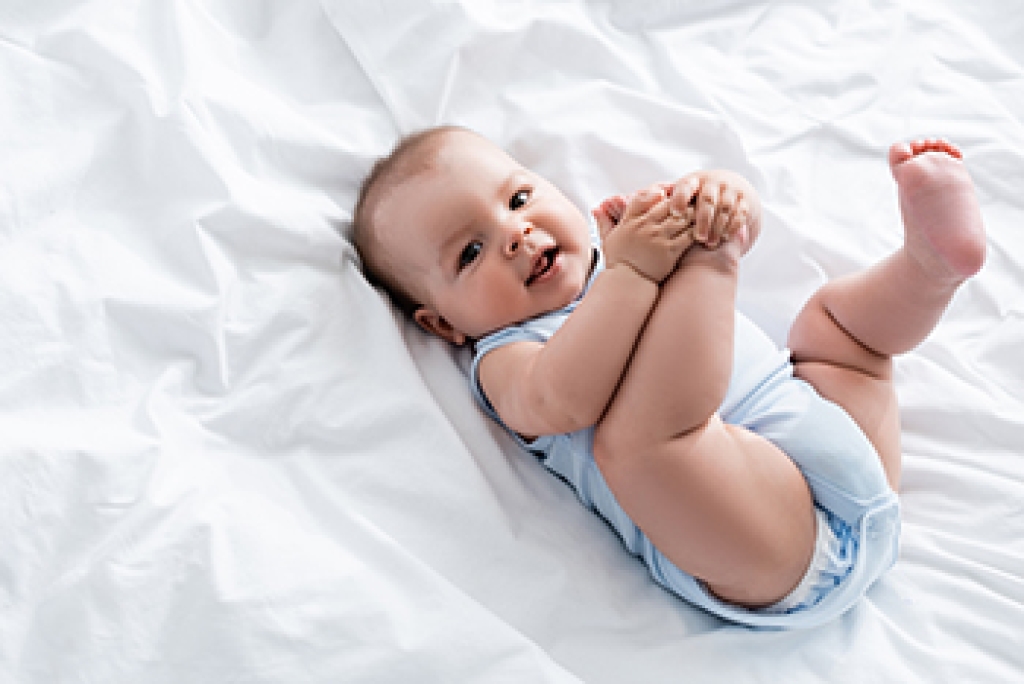
Allowing babies to go barefoot offers numerous benefits that contribute to their overall development. When infants walk without shoes, they enhance their awareness of their surroundings, as their feet can feel different textures and temperatures. This sensory experience plays a vital role in brain development and spatial awareness. Furthermore, being barefoot encourages natural foot development, allowing the arches to form properly and strengthening the muscles and ligaments in the feet. As babies navigate different surfaces, they improve their coordination and agility, essential skills for later stages of physical activity. This freedom also fosters balance, helping them gain confidence as they explore their environment. Embracing the barefoot experience not only supports healthy foot growth but also nurtures a sense of exploration and movement that can positively influence their development. If your baby has any type of foot problem, it is suggested that you consult a podiatrist who can treat various foot conditions and guide you on additional benefits of babies walking barefoot.

The health of a child’s feet is vital to their overall well-being. If you have any questions regarding foot health, contact Steven Black, DPM of California . Our doctor can provide the care you need to keep you pain-free and on your feet.

Tips for Keeping Children's Feet Healthy

  • Make sure their shoes fit properly
  • Look for any signs of in-toeing or out-toeing
  • Check to see if they have Clubfoot (condition that affects your child’s foot and ankle, twisting the heel and toes inward) which is one of the most common nonmajor birth defects.
  • Lightly cover your baby’s feet (Tight covers may keep your baby from moving their feet freely, and could prevent normal development)
  • Allow your toddler to go shoeless (Shoes can be restricting for a young child’s foot)
  • Cut toenails straight across to avoid ingrown toenails
  • Keep your child’s foot clean and dry
  • Cover cuts and scrapes. Wash any scratches with soap and water and cover them with a bandage until they’ve healed.

If you have any questions, please feel free to contact our office located in Lancaster, CA . We offer the newest diagnostic and treatment technologies for all your foot care needs.

Read more about What to Do to Keep Your Child’s Feet Healthy

Risk Factors and Diagnosis of Gout

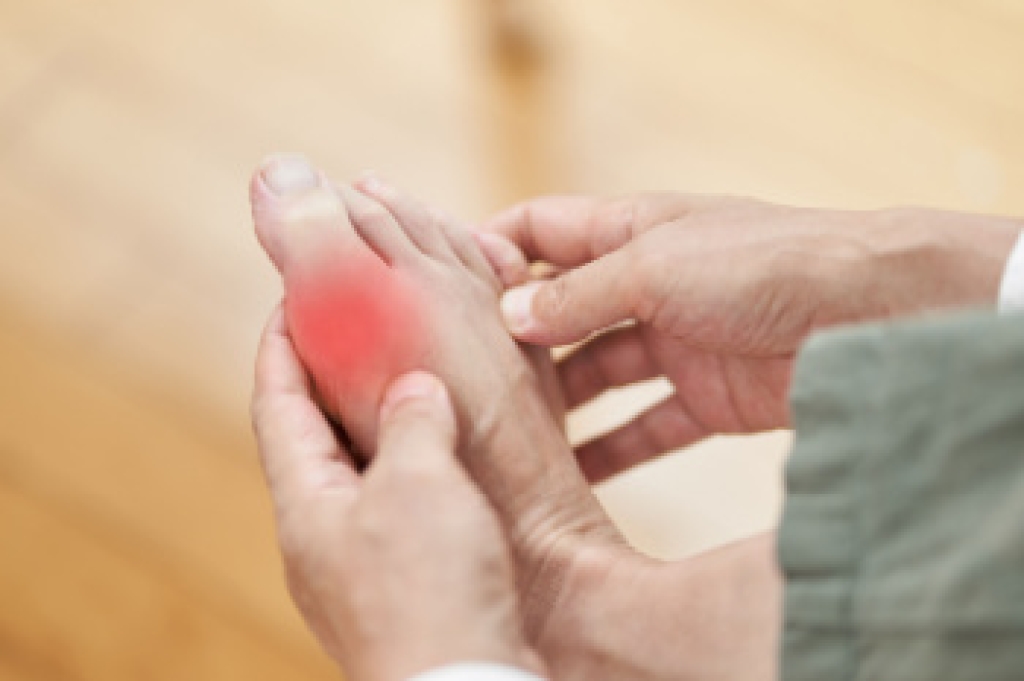
Gout is a form of inflammatory arthritis that causes sudden and severe pain, swelling, and redness in the joints, often affecting the big toe. This condition arises from the accumulation of uric acid crystals in the joints, leading to intense inflammation. Various risk factors contribute to the development of gout, including a diet high in purines, obesity, excessive alcohol consumption, and certain medical conditions such as hypertension and diabetes. Diagnosis of gout typically involves a thorough medical history, a physical examination, and tests to measure uric acid levels in the blood. In some cases, a joint fluid analysis may be performed to confirm the presence of uric acid crystals. Early diagnosis and management are vital to prevent recurrent attacks and joint damage. Gout can be painful, hindering daily activities. If you have had one or more gout attacks, it is suggested that you are under the care of a podiatrist who can help you to manage this condition.

Gout is a foot condition that requires certain treatment and care. If you are seeking treatment, contact Steven Black, DPM from California . Our doctor will treat your foot and ankle needs.

What Is Gout?

Gout is a type of arthritis caused by a buildup of uric acid in the bloodstream. It often develops in the foot, especially the big toe area, although it can manifest in other parts of the body as well. Gout can make walking and standing very painful and is especially common in diabetics and the obese.

People typically get gout because of a poor diet. Genetic predisposition is also a factor. The children of parents who have had gout frequently have a chance of developing it themselves.

Gout can easily be identified by redness and inflammation of the big toe and the surrounding areas of the foot. Other symptoms include extreme fatigue, joint pain, and running high fevers. Sometimes corticosteroid drugs can be prescribed to treat gout, but the best way to combat this disease is to get more exercise and eat a better diet.

If you have any questions, please feel free to contact our office located in Lancaster, CA . We offer the newest diagnostic and treatment technologies for all your foot care needs.

Read more about Everything You Need to Know About Gout

Symptoms of Peripheral Neuropathy and Its Impact on the Feet

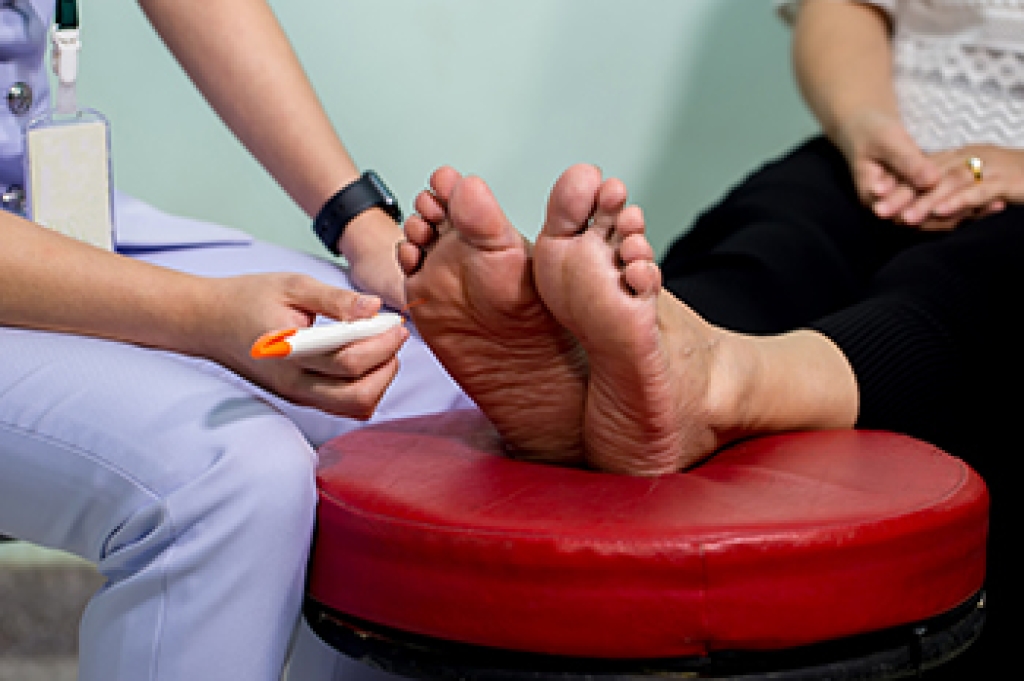
Peripheral neuropathy is a condition that results from damage to the peripheral nerves, affecting communication between the brain and the body. This condition can significantly impact the feet, leading to symptoms such as numbness, tingling, burning sensations, and sharp pain. Individuals may also experience weakness or a loss of coordination, which can make walking difficult and increase the risk of falls. There are several types of peripheral neuropathy, including diabetic neuropathy, which is commonly associated with diabetes, and idiopathic neuropathy, where the cause remains unknown. Other forms may stem from injuries, infections, or exposure to toxins. If you have symptoms of neuropathy in your feet, it is suggested that you consult a podiatrist who can help you to manage this condition.

Neuropathy

Neuropathy can be a potentially serious condition, especially if it is left undiagnosed. If you have any concerns that you may be experiencing nerve loss in your feet, consult with Steven Black, DPM from California . Our doctor will assess your condition and provide you with quality foot and ankle treatment for neuropathy.

What Is Neuropathy?

Neuropathy is a condition that leads to damage to the nerves in the body. Peripheral neuropathy, or neuropathy that affects your peripheral nervous system, usually occurs in the feet. Neuropathy can be triggered by a number of different causes. Such causes include diabetes, infections, cancers, disorders, and toxic substances.

Symptoms of Neuropathy Include:

  • Numbness
  • Sensation loss
  • Prickling and tingling sensations
  • Throbbing, freezing, burning pains
  • Muscle weakness

Those with diabetes are at serious risk due to being unable to feel an ulcer on their feet. Diabetics usually also suffer from poor blood circulation. This can lead to the wound not healing, infections occurring, and the limb may have to be amputated.

Treatment

To treat neuropathy in the foot, podiatrists will first diagnose the cause of the neuropathy. Figuring out the underlying cause of the neuropathy will allow the podiatrist to prescribe the best treatment, whether it be caused by diabetes, toxic substance exposure, infection, etc. If the nerve has not died, then it’s possible that sensation may be able to return to the foot.

Pain medication may be issued for pain. Electrical nerve stimulation can be used to stimulate nerves. If the neuropathy is caused from pressure on the nerves, then surgery may be necessary.

If you have any questions, please feel free to contact our office located in Lancaster, CA . We offer the newest diagnostic and treatment technologies for all your foot care needs.

Read more about Neuropathy

Connect With Us