Calcific Spurs at the Achilles Tendon

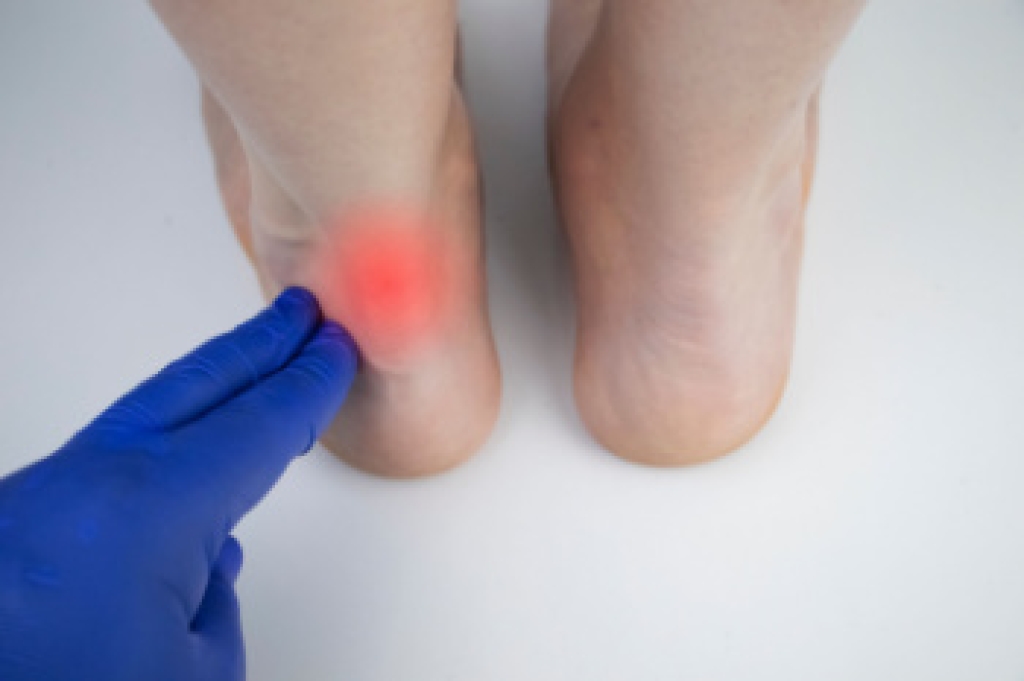
Calcific spurs are bony growths that form at the insertion of the Achilles tendon, where the tendon attaches to the heel bone. These spurs can cause pain, swelling, and stiffness in the back of the heel, especially during activities like walking or running. They develop when calcium deposits build up over time, often due to repeated stress or inflammation of the tendon. Risk factors include age, overuse, tight calf muscles, or conditions like arthritis. Athletes, active individuals, and older adults are more commonly affected. A podiatrist diagnoses calcific spurs through a physical exam and imaging tests like X-rays to confirm the size and location of the spur. Treatment may involve stretching exercises, custom orthotics, or anti-inflammatory medications. Severe cases might require surgery. If you are experiencing heel pain, it is suggested that you see a podiatrist for expert care and relief.

Achilles tendon injuries need immediate attention to avoid future complications. If you have any concerns, contact Steven Black, DPM of California . Our doctor can provide the care you need to keep you pain-free and on your feet.

What Is the Achilles Tendon?

The Achilles tendon is a tendon that connects the lower leg muscles and calf to the heel of the foot. It is the strongest tendon in the human body and is essential for making movement possible. Because this tendon is such an integral part of the body, any injuries to it can create immense difficulties and should immediately be presented to a doctor.

What Are the Symptoms of an Achilles Tendon Injury?

There are various types of injuries that can affect the Achilles tendon. The two most common injuries are Achilles tendinitis and ruptures of the tendon.

Achilles Tendinitis Symptoms

  • Inflammation
  • Dull to severe pain
  • Increased blood flow to the tendon
  • Thickening of the tendon

Rupture Symptoms

  • Extreme pain and swelling in the foot
  • Total immobility

Treatment and Prevention

Achilles tendon injuries are diagnosed by a thorough physical evaluation, which can include an MRI. Treatment involves rest, physical therapy, and in some cases, surgery. However, various preventative measures can be taken to avoid these injuries, such as:

  • Thorough stretching of the tendon before and after exercise
  • Strengthening exercises like calf raises, squats, leg curls, leg extensions, leg raises, lunges, and leg presses

If you have any questions please feel free to contact our office located in Lancaster, CA . We offer the newest diagnostic tools and technology to treat your foot and ankle needs.
Read more about Achilles Tendon Injuries

Hammertoe Facts

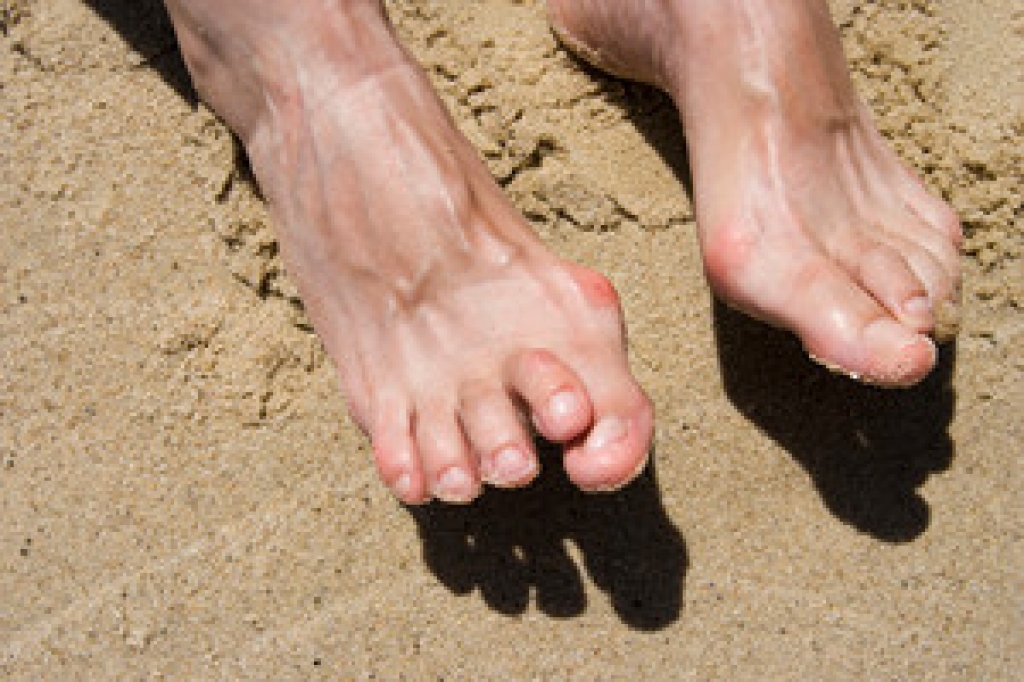
Hammertoe is a deformity where one or more toes bend abnormally at the middle joint, causing them to resemble a hammer. This condition can be caused by several factors, including wearing tight or ill-fitting shoes that force the toes into unnatural positions. Over time, the muscles and tendons in the toe become imbalanced, leading to the deformity. Other causes include injury, arthritis, and genetic predisposition. Symptoms of hammertoe include pain or discomfort in the affected toes, especially when wearing shoes or walking for long periods. The toes may become stiff and difficult to straighten, and in some cases, corns or calluses can form on the tops or tips of the toes due to pressure. If you have symptoms of hammertoe, it is suggested that you consult a podiatrist who can offer you effective relief and treatment solutions. 

Hammertoes can be a painful condition to live with. For more information, contact Steven Black, DPM of California . Our doctor will answer any of your foot- and ankle-related questions.

Hammertoe

Hammertoe is a foot deformity that occurs due to an imbalance in the muscles, tendons, or ligaments that normally hold the toe straight. It can be caused by the type of shoes you wear, your foot structure, trauma, and certain disease processes.

Symptoms

  • Painful and/or difficult toe movement
  • Swelling
  • Joint stiffness
  • Calluses/Corns
  • Physical deformity

Risk Factors

  • Age – The risk of hammertoe increases with age
  • Sex – Women are more likely to have hammertoe compared to men
  • Toe Length – You are more likely to develop hammertoe if your second toe is longer than your big toe
  • Certain Diseases – Arthritis and diabetes may make you more likely to develop hammertoe

Treatment

If you have hammertoe, you should change into a more comfortable shoe that provides enough room for your toes. Exercises such as picking up marbles may strengthen and stretch your toe muscles. Nevertheless, it is important to seek assistance from a podiatrist in order to determine the severity of your hammertoe and see which treatment option will work best for you.

If you have any questions, please feel free to contact our office located in Lancaster, CA . We offer the newest diagnostic and treatment technologies for all your foot care needs.

Read more about Hammertoe

Managing Pain From Pachyonychia Congenita

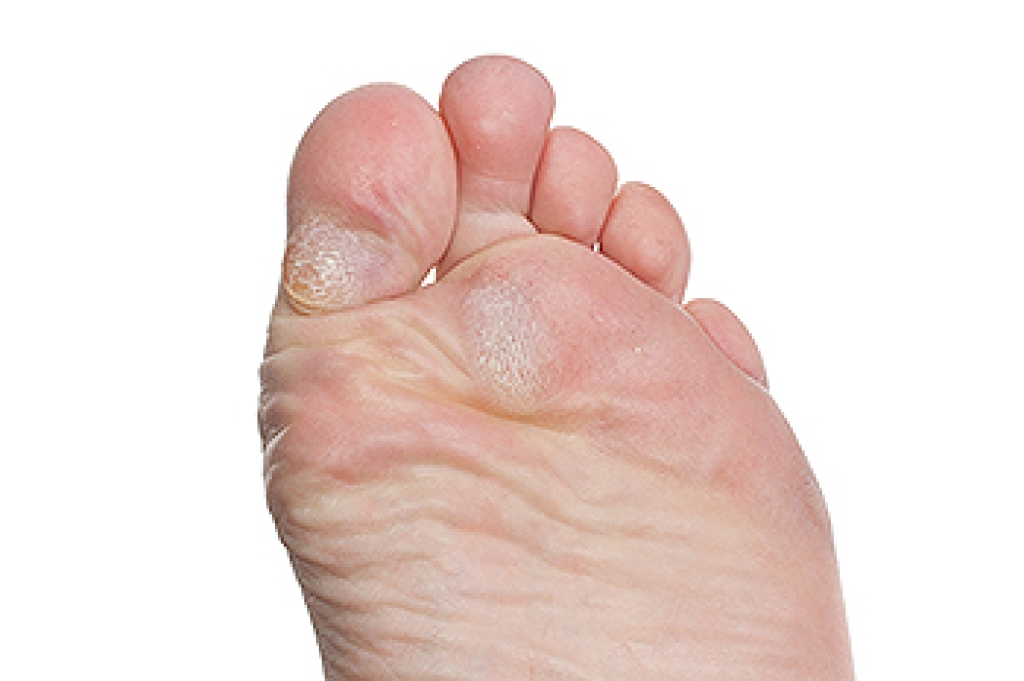
Pachyonychia congenita, or PC, is a rare genetic condition that affects the nails, skin, and sometimes the mucous membranes. For the feet and ankles, it often leads to thickened nails, painful calluses, and blisters, especially on weight-bearing areas like the soles. These calluses and blisters can make walking and daily activities extremely uncomfortable, significantly impacting mobility and quality of life. The condition arises from mutations in specific keratin genes, causing the skin and nails to grow abnormally. Pressure from shoes and physical activity worsens symptoms, making proper foot care essential. Treatment focuses on reducing discomfort, such as filing thickened nails, softening calluses, and wearing custom footwear to minimize pressure. A podiatrist can play a vital role in managing PC. If you suffer from this affliction, it is suggested that you schedule an appointment with this foot specialist who can offer specialized care and advice to improve comfort and mobility.

Some foot conditions may require additional professional care. If you have any concerns, contact Steven Black, DPM of California . Our doctor can provide the care you need to keep you pain-free and on your feet.

Rare Foot Conditions

The majority of foot conditions are common and can be treated by a podiatrist.  Standard diagnostic procedures are generally used to identify specific conditions and treatment can be rendered. A podiatrist also treats rare foot conditions which can be difficult to diagnose and may need extra attention and care. 

There are many rare foot conditions that can affect children. Some of these can include:

  • Freiberg’s disease
  • Kohler’s disease
  • Maffucci syndrome

Freiberg’s disease - This can be seen as a deterioration and flattening of a metatarsal bone that exists in the ball of the foot. It typically affects pre-teen and teenage girls, but can affect anyone at any age. Symptoms that can accompany this can be swelling, stiffness, and the patient may limp. 

Kohler’s disease - This often targets the bone in the arch of the foot and affects younger boys. It can lead to an interruption of the blood supply which ultimately can lead to bone deterioration. The patient may limp or experience tenderness, swelling, and redness.

Maffucci syndrome - This affects the long bones in a child’s foot leading to the development of abnormal bone lesions. They are benign growths and typically develop in early childhood and the bones may be susceptible to breaking. 

A podiatrist can properly diagnose and treat all types of rare foot conditions. If your child is affected by any of these symptoms or conditions, please don’t hesitate to call our office so the correct treatment method can begin.

If you have any questions, please feel free to contact our office located in Lancaster, CA . We offer the newest diagnostic and treatment technologies for all your foot care needs.

Read more about Rare Foot Conditions

Do You Suffer From Painful Feet?

Painful deformities, such as hammertoes, can be treated. Stop living with foot pain, and have beautiful feet again!

Athlete's Foot and and Why It Reoccurs

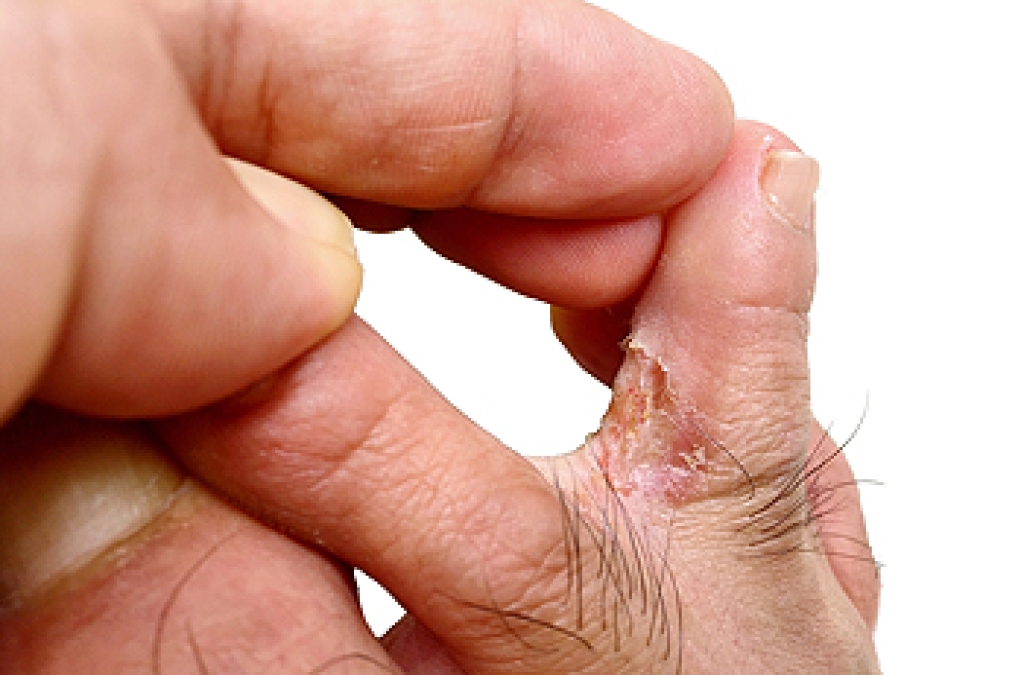
Athlete’s foot is a common fungal infection that affects the skin on the feet, particularly between the toes. It is caused by fungi known as dermatophytes, which thrive in warm, moist environments like sweaty socks and shoes. The symptoms of athlete's foot include itching, redness, peeling, and sometimes blistering or cracking of the skin. There are different types of athlete’s foot, including interdigital, which affects the spaces between the toes, and moccasin-type, which leads to dry, scaly skin on the soles and sides of the feet. The infection can reoccur because the fungi are resilient and can survive on contaminated surfaces like floors, towels, and shoes. Poor foot hygiene, wearing tight shoes, and exposure to communal areas like gym floors can contribute to repeated infections. Athlete’s foot can be uncomfortable. If you have developed this condition, it is suggested that you promptly schedule an appointment with a podiatrist who can offer prescribed medication for relief.

Athlete’s foot is an inconvenient condition that can be easily reduced with the proper treatment. If you have any concerns about your feet and ankles, contact Steven Black, DPM from California .  Our doctor will treat your foot and ankle needs.

Athlete’s Foot: The Sole Story

Athlete's foot, also known as tinea pedis, can be an extremely contagious foot infection. It is commonly contracted in public changing areas and bathrooms, dormitory style living quarters, around locker rooms and public swimming pools, or anywhere your feet often come into contact with other people.

Solutions to Combat Athlete’s Foot

  • Hydrate your feet by using lotion
  • Exfoliate
  • Buff off nails
  • Use of anti-fungal products
  • Examine your feet and visit your doctor if any suspicious blisters or cuts develop

Athlete’s foot can cause many irritating symptoms such as dry and flaking skin, itching, and redness. Some more severe symptoms can include bleeding and cracked skin, intense itching and burning, and even pain when walking. In the worst cases, Athlete’s foot can cause blistering as well. Speak to your podiatrist for a better understanding of the different causes of Athlete’s foot, as well as help in determining which treatment options are best for you.

If you have any questions please feel free to contact our office located in Lancaster, CA . We offer the newest diagnostic and treatment technologies for all your foot and ankle needs.

Read more about How to Deal with Athlete's Foot

Connect With Us