
Considering Speed When Choosing a Running Shoe

When choosing or shopping for a running shoe, many runners and athletes consider a variety of factors. For example, runners might select a specific type of shoe because it is better suited to a particular kind of terrain. The degree to which running shoes might actually increase an athlete’s speed, however, is another important factor to consider when purchasing a pair of running shoes. This is to say that running shoes might actually make a runner faster because a good pair of running shoes will essentially increase one’s running economy. In other words, good running shoes might maximize the effort that a runner puts into their runs, ultimately increasing their speed. If you are someone who is looking for the perfect pair of running shoes, it is suggested that you contact a podiatrist today.

If you are a runner, wearing the right running shoe is essential. For more information, contact Steven Black, DPM from California . Our doctor can provide the care you need to keep you pain-free and on your feet.

Choosing the Right Running Shoe for Your Foot Type

To increase performance and avoid the risk of injury, it is important to choose the right running shoe based on your foot type. The general design of running shoes revolves around pronation, which is how the ankle rolls from outside to inside when the foot strikes the ground.

  • Neutral runners are able to choose from a wide variety of shoes, including minimalist shoes or even going barefoot.
  • Runners who overpronate, or experience an over-abundance of ankle rolling, should choose shoes that provide extra motion control and stability.
  • Runners who underpronate, or supinate, have feet that have high arches and lack flexibility, preventing shock absorption. They require shoes with more flexibility and cushion.

If you have any questions, please feel free to contact our office located in Lancaster, CA . We offer the newest diagnostic and treatment technologies for all your foot care needs.
Read more about Choosing the Right Running Shoe

Bunion Relief

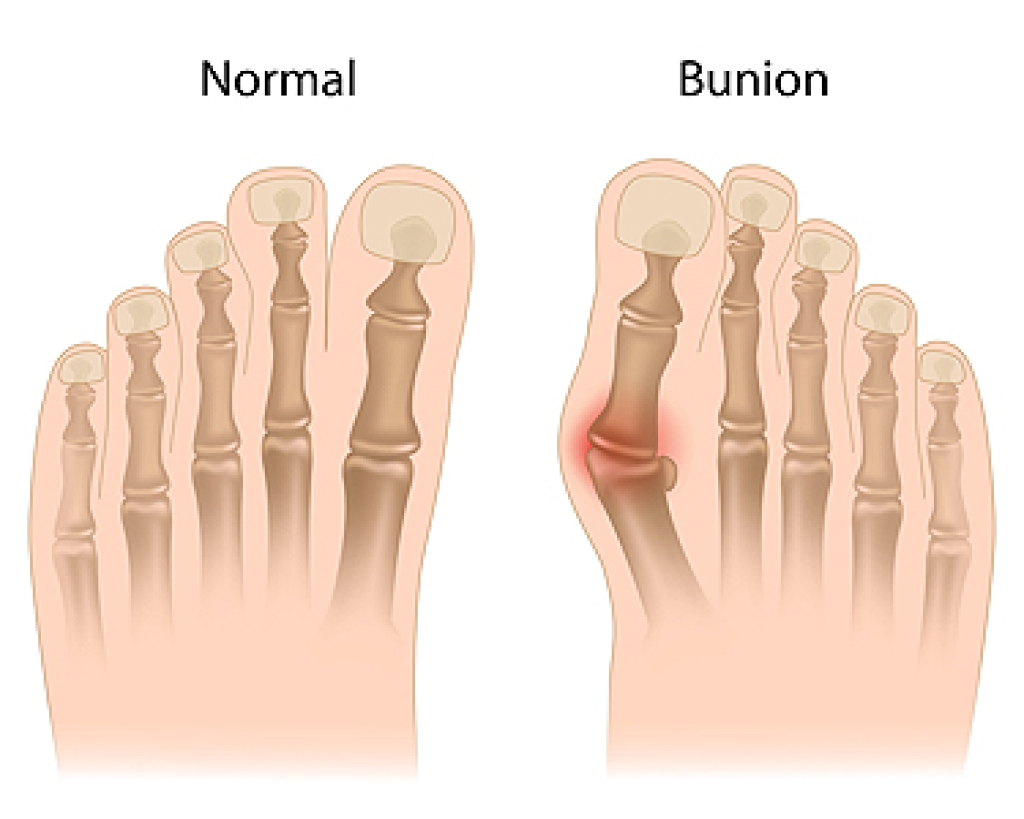
A bunion, or hallux valgus, is a condition that causes a bony bump to develop on the joint of the big toe. This occurs due to pressure on the big toe joint, causing a few bones in the top of the foot to move out of place. It can also occur due to foot shape, a medical problem such as arthritis, or another foot condition. Women and the elderly are most apt to suffer from bunions. A bunion can cause the big toe to be pulled toward the smaller toes. The skin on top of the bunion can become sore and red, causing corns or calluses to develop from the deformity as it rubs against the shoes. For mild relief, it is advised that wider shoes are worn to accommodate the bunion. If you have a bunion that is causing you pain or interfering with your daily activities, it is suggested that you consult with a podiatrist for proper treatment.

If you are suffering from bunions, contact Steven Black, DPM of California . Our doctor can provide the care you need to keep you pain-free and on your feet.

What Is a Bunion?

A bunion is formed of swollen tissue or an enlargement of boney growth, usually located at the base joint of the toe that connects to the foot. The swelling occurs due to the bones in the big toe shifting inward, which impacts the other toes of the foot. This causes the area around the base of the big toe to become inflamed and painful.

Why Do Bunions Form?

Genetics – Susceptibility to bunions are often hereditary

Stress on the feet – Poorly fitted and uncomfortable footwear that places stress on feet, such as heels, can worsen existing bunions

How Are Bunions Diagnosed?

Doctors often perform two tests – blood tests and x-rays – when trying to diagnose bunions, especially in the early stages of development. Blood tests help determine if the foot pain is being caused by something else, such as arthritis, while x-rays provide a clear picture of your bone structure to your doctor.

How Are Bunions Treated?

  • Refrain from wearing heels or similar shoes that cause discomfort
  • Select wider shoes that can provide more comfort and reduce pain
  • Anti-inflammatory and pain management drugs
  • Orthotics or foot inserts
  • Surgery

If you have any questions, please feel free to contact our office located in Lancaster, CA . We offer the newest diagnostic and treatment technologies for all your foot care needs.

Read more about What Are Bunions?

Orthotics Versus Prosthetics

Some patients may not be fully familiar with the similarities and differences between orthotics and prosthetics. While both can be used to treat conditions of the feet, they are significantly different. Importantly, prosthetic devices in this context are mostly artificial legs. These devices can be used if an individual has lost a leg, perhaps by amputation. Orthotics, on the other hand, are either custom-made or over-the-counter shoe inserts that are designed to treat specific conditions of the feet. Therefore, both orthotics and prosthetics are significantly different medical devices. However, they are also similar in some respects. Namely, both orthotics and prosthetics can help individuals with serious health conditions to live lives that are better and less restrictive. It is suggested that you contact a podiatrist for more information about these devices.

If you are having discomfort in your feet and would like to try orthotics, contact Steven Black, DPM from California . Our doctor can provide the care you need to keep you pain-free and on your feet.

What Are Orthotics?

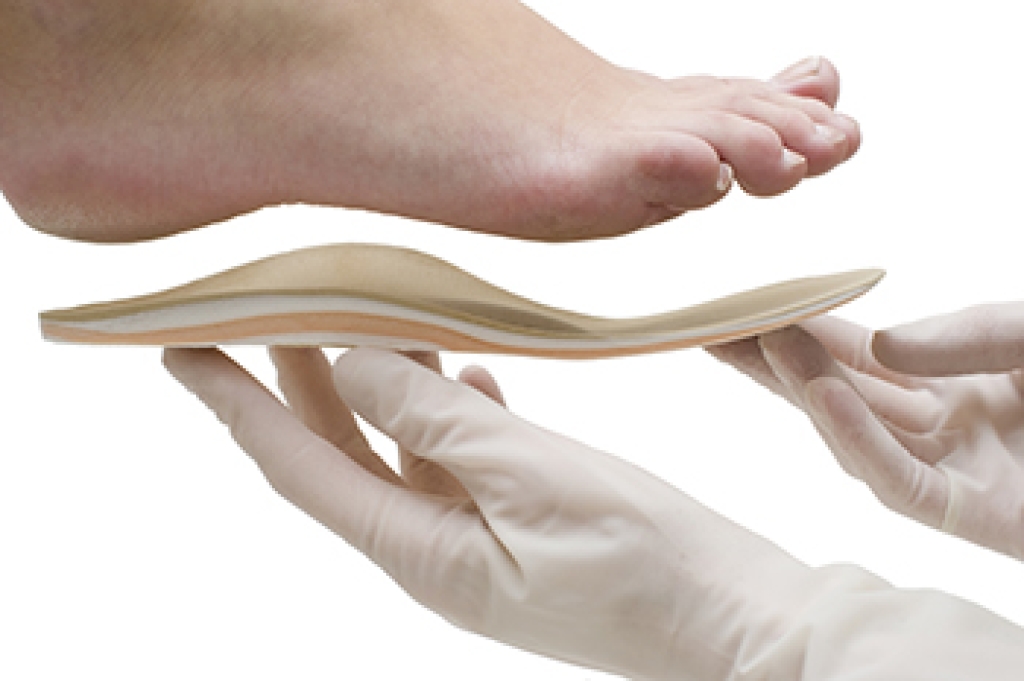
Orthotics are inserts you can place into your shoes to help with a variety of foot problems such as flat feet or foot pain. Orthotics provide relief and comfort for minor foot and heel pain but can’t correct serious biomechanical problems in your feet.

Over-the-Counter Inserts

Orthotics come in a wide variety of over-the-counter inserts that are used to treat foot pain, heel pain, and minor problems. For example, arch supports can be inserted into your shoes to help correct overarched or flat feet, while gel insoles are often used because they provide comfort and relief from foot and heel pain by alleviating pressure.

Prescription Orthotics

If over-the-counter inserts don’t work for you or if you have a more severe foot concern, it is possible to have your podiatrist prescribe custom orthotics. These high-quality inserts are designed to treat problems such as abnormal motion, plantar fasciitis, and severe forms of heel pain. They can even be used to help patients suffering from diabetes by treating foot ulcers and painful calluses and are usually molded to your feet individually, which allows them to provide full support and comfort.

If you are experiencing minor to severe foot or heel pain, it’s recommended to speak with your podiatrist about the possibilities of using orthotics. A podiatrist can determine which type of orthotic is right for you and allow you to take the first steps towards being pain-free.

If you have any questions, please feel free to contact our office located in Lancaster, CA . We offer the newest diagnostic and treatment technologies for all your foot care needs.

Read more about Ankle Foot Orthotics for Athletes

What Is Complex Regional Pain Syndrome?

Anyone who has a serious foot condition and is considering undergoing some kind of foot surgery ought to know about complex regional pain syndrome, also referred to as CRPS. Importantly, CRPS is what is referred to as pain that can sometimes be felt as a symptom of foot surgery, and it can occur after a surgical procedure on the feet. The good news about CRPS is that it is not a relatively common condition. However, it can be helpful to be familiar with it. When an individual does feel CRPS as a result of foot surgery, they might experience a particular kind of burning pain in their legs. There are a variety of different ways that one might go about treating a case of CRPS, including physical therapy and nerve-stabilizing medication. If you are someone that is considering foot surgery, contact a podiatrist today to discuss the procedure and CRPS.

Foot surgery is sometimes necessary to treat a foot ailment. To learn more, contact Steven Black, DPM of California . Our doctor will assist you with all of your foot and ankle needs.

When Is Surgery Necessary?

Foot and ankle surgery is generally reserved for cases in which less invasive, conservative procedures have failed to alleviate the problem. Some of the cases in which surgery may be necessary include:

  • Removing foot deformities like bunions and bone spurs
  • Severe arthritis that has caused bone issues
  • Cosmetic reconstruction

What Types of Surgery Are There?

The type of surgery you receive will depend on the nature of the problem you have. Some of the possible surgeries include:

  • Bunionectomy for painful bunions
  • Surgical fusion for realignment of bones
  • Neuropathy decompression surgery to treat nerve damage

Benefits of Surgery

Although surgery is usually a last resort, it can provide more complete pain relief compared to non-surgical methods and may allow you to finally resume full activity.

Surgical techniques have also become increasingly sophisticated. Techniques like endoscopic surgery allow for smaller incisions and faster recovery times.

If you have any questions, please feel free to contact our office located in Lancaster, CA . We offer the newest diagnostic and treatment technologies for all your foot care needs.

Read more about Foot Surgery

Are You Suffering From Nerve Damage?

Neuropathy is a condition that can lead to numbness or loss of sensation in the feet, but it can also cause pain. This condition is more likely to develop for those who are diabetic, obese, or with high blood pressure.

Connect With Us