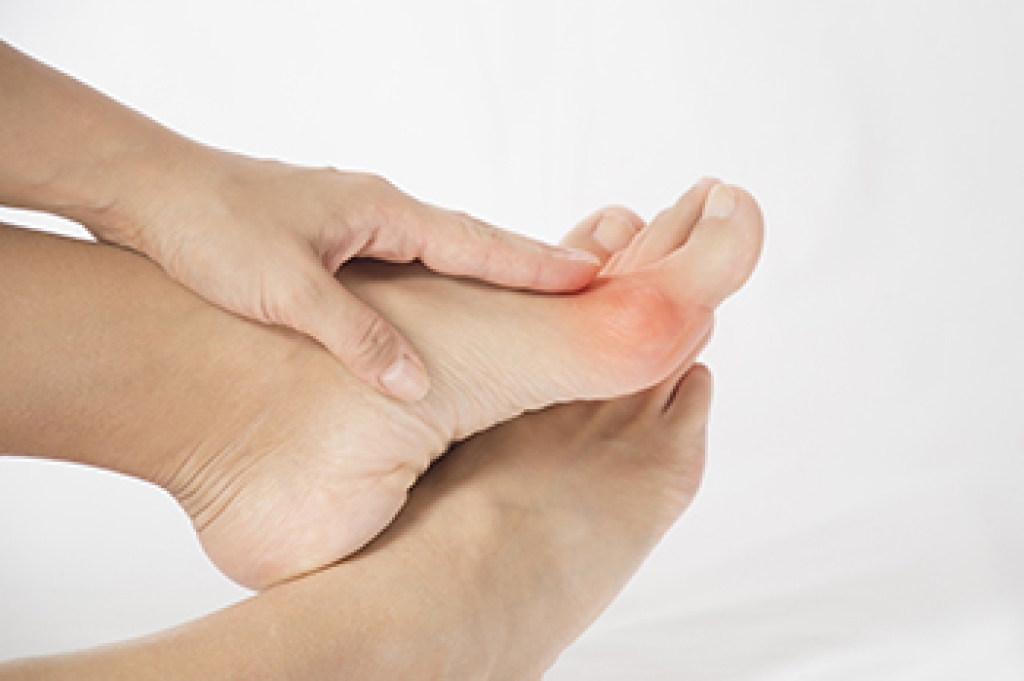
All About Tailor’s Bunions

A bunion is a bump that is bony in nature and typically develops on the side of the big toe. Sometimes, however, bunions that are smaller may develop at the base of the pinky toe. When this occurs, the smaller bunion is known as a tailor’s bunion. Although this name might seem strange, it has an interesting story. The tailor’s bunion derives its name from the fact that hundreds of years ago, it was very common for tailors to spend the entirety of the working day sitting with their legs crossed. As such, it was easy for the sides of their pinky toe to rub against the floor while they worked. As a result, they developed a tailor’s bunion, also referred to as a bunionette. These hard bumps can cause pain and swelling, and may need attention if symptoms worsen. For more information, contact a podiatrist today.

If you are suffering from bunions, contact Steven Black, DPM of California . Our doctor can provide the care you need to keep you pain-free and on your feet.

What Is a Bunion?

A bunion is formed of swollen tissue or an enlargement of boney growth, usually located at the base joint of the toe that connects to the foot. The swelling occurs due to the bones in the big toe shifting inward, which impacts the other toes of the foot. This causes the area around the base of the big toe to become inflamed and painful.

Why Do Bunions Form?

Genetics – Susceptibility to bunions are often hereditary

Stress on the feet – Poorly fitted and uncomfortable footwear that places stress on feet, such as heels, can worsen existing bunions

How Are Bunions Diagnosed?

Doctors often perform two tests – blood tests and x-rays – when trying to diagnose bunions, especially in the early stages of development. Blood tests help determine if the foot pain is being caused by something else, such as arthritis, while x-rays provide a clear picture of your bone structure to your doctor.

How Are Bunions Treated?

  • Refrain from wearing heels or similar shoes that cause discomfort
  • Select wider shoes that can provide more comfort and reduce pain
  • Anti-inflammatory and pain management drugs
  • Orthotics or foot inserts
  • Surgery

If you have any questions, please feel free to contact our office located in Lancaster, CA . We offer the newest diagnostic and treatment technologies for all your foot care needs.
Read more about Bunions

Foot Conditions May Be Helped by Wearing Orthotics

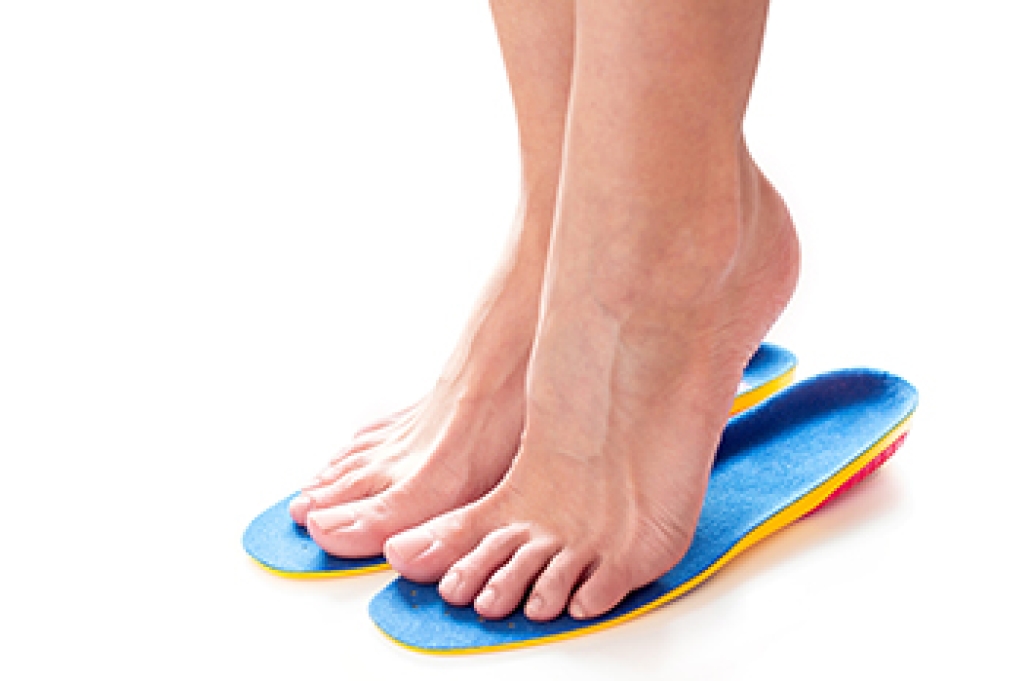
Many people understand that having foot pain is not normal and will often look to wearing custom-made orthotics to find relief. Orthotics are described as inserts that are worn inside the shoe that may help to correct an abnormal walking pattern. Orthotics can enable the angles of the feet to normalize as well as help make daily activities easier to complete. Additionally, they can help the patient's feet to absorb shock which may reduce pressure on existing sore spots. Orthotics are known to help correct imbalances in the feet that can affect the entire body. Some of the ways a patient may notice they qualify for orthotics include one shoe wearing out faster than the other shoe, experiencing chronic heel pain, the feet excessively pointing in or out, and the toes are not straight. If you have foot conditions that need to be corrected, please consult with a podiatrist who can determine if wearing orthotics are right for you.

If you are having discomfort in your feet and would like to try orthotics, contact Steven Black, DPM from California . Our doctor can provide the care you need to keep you pain-free and on your feet.

What Are Orthotics?

Orthotics are inserts you can place into your shoes to help with a variety of foot problems such as flat feet or foot pain. Orthotics provide relief and comfort for minor foot and heel pain but can’t correct serious biomechanical problems in your feet.

Over-the-Counter Inserts

Orthotics come in a wide variety of over-the-counter inserts that are used to treat foot pain, heel pain, and minor problems. For example, arch supports can be inserted into your shoes to help correct overarched or flat feet, while gel insoles are often used because they provide comfort and relief from foot and heel pain by alleviating pressure.

Prescription Orthotics

If over-the-counter inserts don’t work for you or if you have a more severe foot concern, it is possible to have your podiatrist prescribe custom orthotics. These high-quality inserts are designed to treat problems such as abnormal motion, plantar fasciitis, and severe forms of heel pain. They can even be used to help patients suffering from diabetes by treating foot ulcers and painful calluses and are usually molded to your feet individually, which allows them to provide full support and comfort.

If you are experiencing minor to severe foot or heel pain, it’s recommended to speak with your podiatrist about the possibilities of using orthotics. A podiatrist can determine which type of orthotic is right for you and allow you to take the first steps towards being pain-free.

If you have any questions, please feel free to contact our office located in Lancaster, CA . We offer the newest diagnostic and treatment technologies for all your foot care needs.
Read more about Foot Orthotics

What Is Juvenile Plantar Dermatosis?

As a child grows and matures into a young adult, there are several different foot afflictions that can prevent the child from reaching their full potential to have healthy feet. Juvenile Plantar Dermatosis is one such condition and it is defined as symmetrical and shiny peeling of the skin on the feet in children. The condition can also be defined as a certain kind of fissuring on the feet. Many things about this foot condition remain unclear and unknown. However, it is thought that some combination of moisture and repeated friction is the likely cause. Although each case is different, typically a medical professional will recommend that the patient remedies this condition by controlling the extent to which their feet produce and come into contact with moisture. Take your child to a podiatrist today if they are suffering from Juvenile Plantar Dermatosis.

Making sure that your children maintain good foot health is very important as they grow. If you have any questions, contact Steven Black, DPM of California . Our doctor can provide the care you need to keep you pain-free and on your feet.

Keeping Children's Feet Healthy

Having healthy feet during childhood can help prevent medical problems later in life, namely in the back and legs. As children grow, their feet require different types of care. Here are some things to consider...

Although babies do not walk yet, it is still very important to take care of their feet.

Avoid putting tight shoes or socks on his or her feet.

Allow the baby to stretch and kick his or her feet to feel comfortable.

As a toddler, kids are now on the move and begin to develop differently. At this age, toddlers are getting a feel for walking, so don’t be alarmed if your toddler is unsteady or ‘walks funny’. 

As your child gets older, it is important to teach them how to take care of their feet.

Show them proper hygiene to prevent infections such as fungus.

Be watchful for any pain or injury.

Have all injuries checked by a doctor as soon as possible.

Comfortable, protective shoes should always be worn, especially at play.

If you have any questions, please feel free to contact our office located in Lancaster, CA . We offer the newest diagnostic and treatment technologies for all your foot care needs.

Read more about How to Care for Your Child's Feet

Ways to Avoid Toenail Fungus

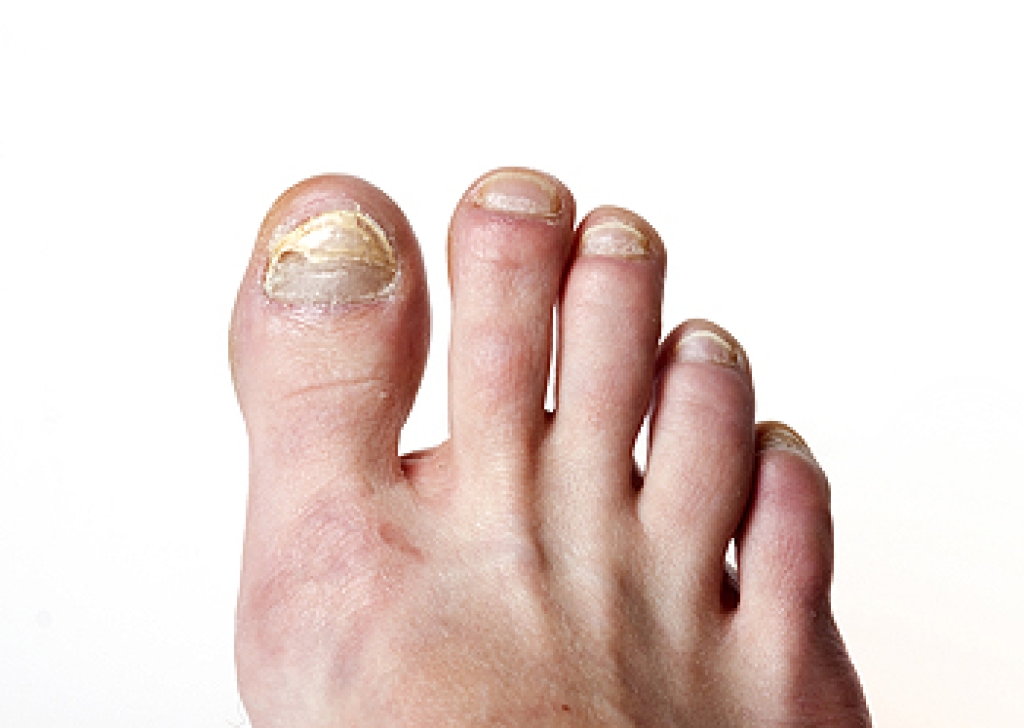
Toenail fungus can be a nuisance. Not only can the development of toenail fungus make the toenails appear brittle and ragged, it can also cause you pain. There are several things that a patient might consider doing to avoid the development of toenail fungus. First, you might try selecting shoes that offer a decent amount of space for the toes. Shoes that have tiny toe boxes can make the toenails rub up against the shoes. Second, you might also try alternating the shoes that you wear from day to day. When an individual wears the same pair of shoes day after day, the shoes can become damp from sweat, which only increases the likelihood that a toenail fungus will take hold. If you are particularly concerned about developing a toenail fungus, contact a podiatrist today. This is a foot specialist who can help you with your concerns.

For more information about treatment, contact Steven Black, DPM of California . Our doctor can provide the care you need to keep you pain-free and on your feet.

Toenail Fungus Treatment

Toenail fungus is a condition that affects many people and can be especially hard to get rid of. Fortunately, there are several methods to go about treating and avoiding it.

Antifungals & Deterrence

Oral antifungal medicine has been shown to be effective in many cases. It is important to consult with a podiatrist to determine the proper regiment for you, or potentially explore other options.

Applying foot powder on the feet and shoes helps keep the feet free of moisture and sweat.

Sandals or open toed shoes – Wearing these will allow air movement and help keep feet dry. They also expose your feet to light, which fungus cannot tolerate. Socks with moisture wicking material also help as well.

If you have any questions please contact our office located in Lancaster, CA . We offer the newest diagnostic and treatment technologies for all your foot and ankle needs.

Read more about How to Treat Your Toenail Fungus

Plantar Warts Can Be Treated!

Plantar warts are small growths that develop on parts of the feet that bear weight. They're typically found on the bottom of the foot. Don't live with plantar warts, and call us today!

Connect With Us