Common Causes of Foot Pain in Seniors

Foot pain is a common complaint among seniors, affecting approximately 20 percent of older adults regularly. Among the most common causes of foot pain in seniors are stress fractures, heel pain, diabetic neuropathy, gout, and blood clots. Seniors are more susceptible to stress fractures due to age-related changes in bone density. Stress fractures are tiny cracks in bones that typically manifest as pain during activity, but subside with rest. Plantar fasciitis, characterized by irritation and inflammation of the plantar fascia ligament on the sole of the foot, can cause persistent heel pain. Diabetes frequently leads to neuropathy, which causes tingling, burning, or numbness in the feet. Regular foot monitoring and care are essential for individuals with diabetes to prevent complications. A podiatrist can help manage conditions such as corns, calluses, and nail care. Gout, a form of inflammatory arthritis, typically affects the big toe. Sudden and severe pain, especially at night, may indicate gout. Blood tests or joint fluid analysis can confirm the diagnosis. Deep vein thrombosis, or a blood clot, is often associated with leg swelling and pain, but it can also cause sudden and severe pain in the ankle or foot. Seniors, especially those who smoke, are overweight, or are sedentary, may be at a higher risk. If you are experiencing foot or ankle pain that persists or worsens, it is suggested that you make an appointment with a podiatrist for treatment options.

Proper foot care is something many older adults forget to consider. If you have any concerns about your feet and ankles, contact Steven Black, DPM from California . Our doctor can provide the care you need to keep you pain-free and on your feet.

The Elderly and Their Feet

As we age we start to notice many changes in our body, but the elder population may not notice them right away. Medical conditions may prevent the elderly to take notice of their foot health right away. Poor vision is a lead contributor to not taking action for the elderly.

Common Conditions 

  • Neuropathy – can reduce feeling in the feet and can hide many life-threatening medical conditions.
  • Reduced flexibility – prevents the ability of proper toenail trimming, and foot cleaning. If left untreated, it may lead to further medical issues.
  • Foot sores – amongst the older population can be serious before they are discovered. Some of the problematic conditions they may face are:
  • Gouging toenails affecting nearby toe
  • Shoes that don’t fit properly
  • Pressure sores
  • Loss of circulation in legs & feet
  • Edema & swelling of feet and ankles

Susceptible Infections

Diabetes and poor circulation can cause general loss of sensitivity over the years, turning a simple cut into a serious issue.

If you have any questions, please feel free to contact our office located in Lancaster, CA . We offer the newest diagnostic and treatment technologies for all your foot care needs.


Read more about Elderly and their Feet

Let the Expert Treat Your Ingrown Toenails

Ingrown toenails can be painful and can make wearing shoes or walking uncomfortable. Seek professional help if you believe you've developed an ingrown toenail and be treated safely. 

Achilles Tendon Ruptures

Achilles tendon ruptures are serious injuries often resulting from participating in intense physical activities such as running or sports involving quick turns and stops. If you experience a sharp pain accompanied by a popping sound in the back of your leg, it may indicate a tear in your Achilles tendon. Immediate diagnosis by a podiatrist, done typically through a physical examination and possibly an MRI, is crucial to determine the severity of the tear. Partial tears may require immobilization using a boot or splint, allowing the tendon to naturally heal over the course of approximately six weeks. Complete ruptures, however, often necessitate surgical intervention. Post-injury care includes elevation of the leg and pain medication. If you feel you may have ruptured your Achilles tendon, it is suggested that you make an appointment with a podiatrist for a prompt diagnosis and treatment.

Achilles tendon injuries need immediate attention to avoid future complications. If you have any concerns, contact Steven Black, DPM of California . Our doctor can provide the care you need to keep you pain-free and on your feet.

What Is the Achilles Tendon?

The Achilles tendon is a tendon that connects the lower leg muscles and calf to the heel of the foot. It is the strongest tendon in the human body and is essential for making movement possible. Because this tendon is such an integral part of the body, any injuries to it can create immense difficulties and should immediately be presented to a doctor.

What Are the Symptoms of an Achilles Tendon Injury?

There are various types of injuries that can affect the Achilles tendon. The two most common injuries are Achilles tendinitis and ruptures of the tendon.

Achilles Tendinitis Symptoms

  • Inflammation
  • Dull to severe pain
  • Increased blood flow to the tendon
  • Thickening of the tendon

Rupture Symptoms

  • Extreme pain and swelling in the foot
  • Total immobility

Treatment and Prevention

Achilles tendon injuries are diagnosed by a thorough physical evaluation, which can include an MRI. Treatment involves rest, physical therapy, and in some cases, surgery. However, various preventative measures can be taken to avoid these injuries, such as:

  • Thorough stretching of the tendon before and after exercise
  • Strengthening exercises like calf raises, squats, leg curls, leg extensions, leg raises, lunges, and leg presses

If you have any questions please feel free to contact our office located in Lancaster, CA . We offer the newest diagnostic tools and technology to treat your foot and ankle needs.

Read more about The Causes, Types, and Treatments of Achilles Tendon Injuries

Facts About Diabetic Nerve Pain

Diabetic neuropathy is a common and serious complication of diabetes that affects the nerves, particularly in the legs and feet. Symptoms include numbness and tingling, often starting in the feet and spreading. Other indications of diabetic neuropathy are burning or sharp pain at night, muscle weakness that can impede walking or moving, and loss of balance, which increases the risk of falls. In some patients, skin changes, such as dry or cracked skin, and slow wound healing are common. Causes of diabetic neuropathy include uncontrolled blood sugar levels that can gradually damage nerves, and inflammation that harms nerve fibers. Diabetes can lead to poor circulation because of restricted blood flow to the feet. A family history of neuropathy may increase the risk, and smoking and overuse of alcohol can worsen nerve damage in diabetics. If you are experiencing diabetic neuropathy symptoms in the lower extremities, it is suggested that you make regular appointments with a podiatrist to monitor their progress. 

Neuropathy

Neuropathy can be a potentially serious condition, especially if it is left undiagnosed. If you have any concerns that you may be experiencing nerve loss in your feet, consult with Steven Black, DPM from California . Our doctor will assess your condition and provide you with quality foot and ankle treatment for neuropathy.

What Is Neuropathy?

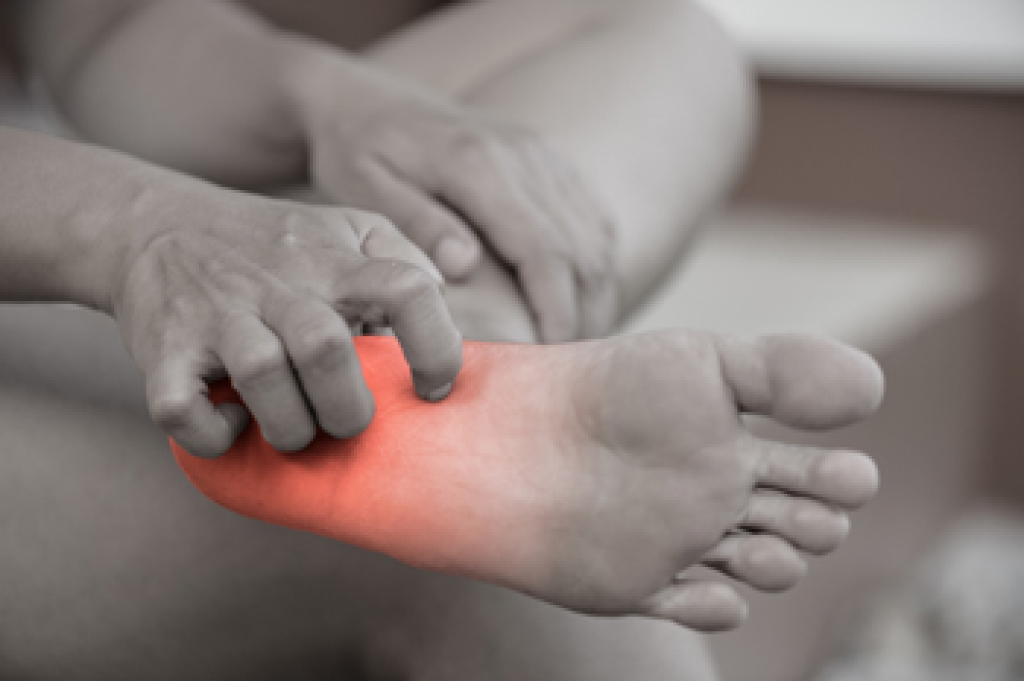
Neuropathy is a condition that leads to damage to the nerves in the body. Peripheral neuropathy, or neuropathy that affects your peripheral nervous system, usually occurs in the feet. Neuropathy can be triggered by a number of different causes. Such causes include diabetes, infections, cancers, disorders, and toxic substances.

Symptoms of Neuropathy Include:

  • Numbness
  • Sensation loss
  • Prickling and tingling sensations
  • Throbbing, freezing, burning pains
  • Muscle weakness

Those with diabetes are at serious risk due to being unable to feel an ulcer on their feet. Diabetics usually also suffer from poor blood circulation. This can lead to the wound not healing, infections occurring, and the limb may have to be amputated.

Treatment

To treat neuropathy in the foot, podiatrists will first diagnose the cause of the neuropathy. Figuring out the underlying cause of the neuropathy will allow the podiatrist to prescribe the best treatment, whether it be caused by diabetes, toxic substance exposure, infection, etc. If the nerve has not died, then it’s possible that sensation may be able to return to the foot.

Pain medication may be issued for pain. Electrical nerve stimulation can be used to stimulate nerves. If the neuropathy is caused from pressure on the nerves, then surgery may be necessary.

If you have any questions, please feel free to contact our office located in Lancaster, CA . We offer the newest diagnostic and treatment technologies for all your foot care needs.
Read more about Neuropathy

Causes and Prevention of Athlete’s Foot

Athlete's foot, a common fungal infection of the skin on the feet, can cause discomfort and itching, making it essential to understand its causes and preventive measures. This contagious infection thrives in warm, moist environments, making sweaty feet or damp socks and shoes prime breeding grounds. Walking barefoot in public places such as locker rooms, swimming pool areas, or communal showers increases the risk of exposure to the fungus. Sharing towels, shoes, or socks with an infected person can also facilitate its spread. Certain factors can make individuals more susceptible to athlete's foot, such as compromised immune systems, diabetes, or excessive sweating. To prevent this bothersome condition, it is helpful to maintain good foot hygiene by washing and drying your feet thoroughly, especially between the toes. Keep feet dry and avoid tight, non-breathable shoes. If you suspect you have athlete's foot, it is suggested that you consult a podiatrist for prompt treatment to prevent further complications and the spread of the infection.

Athlete’s foot is an inconvenient condition that can be easily reduced with the proper treatment. If you have any concerns about your feet and ankles, contact Steven Black, DPM from California .  Our doctor will treat your foot and ankle needs.

Athlete’s Foot: The Sole Story

Athlete's foot, also known as tinea pedis, can be an extremely contagious foot infection. It is commonly contracted in public changing areas and bathrooms, dormitory style living quarters, around locker rooms and public swimming pools, or anywhere your feet often come into contact with other people.

Solutions to Combat Athlete’s Foot

  • Hydrate your feet by using lotion
  • Exfoliate
  • Buff off nails
  • Use of anti-fungal products
  • Examine your feet and visit your doctor if any suspicious blisters or cuts develop

Athlete’s foot can cause many irritating symptoms such as dry and flaking skin, itching, and redness. Some more severe symptoms can include bleeding and cracked skin, intense itching and burning, and even pain when walking. In the worst cases, Athlete’s foot can cause blistering as well. Speak to your podiatrist for a better understanding of the different causes of Athlete’s foot, as well as help in determining which treatment options are best for you.

If you have any questions please feel free to contact our office located in Lancaster, CA . We offer the newest diagnostic and treatment technologies for all your foot and ankle needs.

Read more about Athlete’s Foot

Numbness From Wearing High Heels

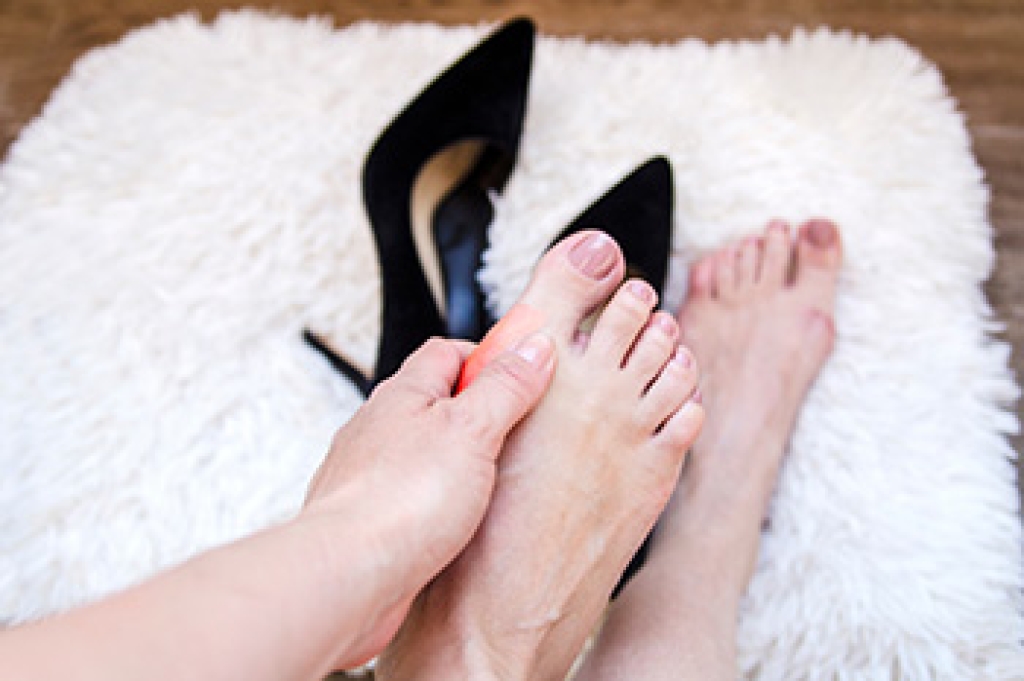
Many women wear high heels, which can lead to numbness in the toes. This common symptom is often overlooked, but it is essential to understand the potential consequences of wearing high-heeled shoes. The primary cause of toe numbness from wearing high heels is the pressure placed on the ball of the foot. As you elevate your heel, your body's weight shifts forward, concentrating the load on a small area. This excess force can compress nerves and blood vessels, and the resulting reduction in blood flow to the front of the foot can cause toes to go numb. Over time, this restricted blood flow can lead to numbness and tingling sensations, making each step more troublesome. Additionally, the unnatural arch in high heels can strain the muscles and ligaments, which adds to the problem. To minimize numbness in the toes, opt for lower heel heights, wear cushioned insoles, and take regular breaks from wearing high heels. If you are experiencing numbness in the toes and feet, which may be the result of wearing high heels, it is suggested that you make an appointment with a podiatrist for an evaluation.

High heels have a history of causing foot and ankle problems. If you have any concerns about your feet or ankles, contact Steven Black, DPM from California . Our doctor can provide the care you need to keep you pain-free and on your feet.

Effects of High Heels on the Feet

High heels are popular shoes among women because of their many styles and societal appeal.  Despite this, high heels can still cause many health problems if worn too frequently.

Which Parts of My Body Will Be Affected by High Heels?

  • Ankle Joints
  • Achilles Tendon – May shorten and stiffen with prolonged wear
  • Balls of the Feet
  • Knees – Heels cause the knees to bend constantly, creating stress on them
  • Back – They decrease the spine’s ability to absorb shock, which may lead to back pain.  The vertebrae of the lower back may compress.

What Kinds of Foot Problems Can Develop from Wearing High Heels?

  • Corns
  • Calluses
  • Hammertoe
  • Bunions
  • Morton’s Neuroma
  • Plantar Fasciitis

How Can I Still Wear High Heels and Maintain Foot Health?

If you want to wear high heeled shoes, make sure that you are not wearing them every day, as this will help prevent long term physical problems.  Try wearing thicker heels as opposed to stilettos to distribute weight more evenly across the feet.  Always make sure you are wearing the proper shoes for the right occasion, such as sneakers for exercising.  If you walk to work, try carrying your heels with you and changing into them once you arrive at work.  Adding inserts to your heels can help cushion your feet and absorb shock. Full foot inserts or metatarsal pads are available. 

If you have any questions, please feel free to contact our office located in Lancaster, CA . We offer the newest diagnostic and treatment technologies for all your foot care needs.
Read more about Effect of High Heels on the Feet

Are Bunions Affecting Your Everyday Life?

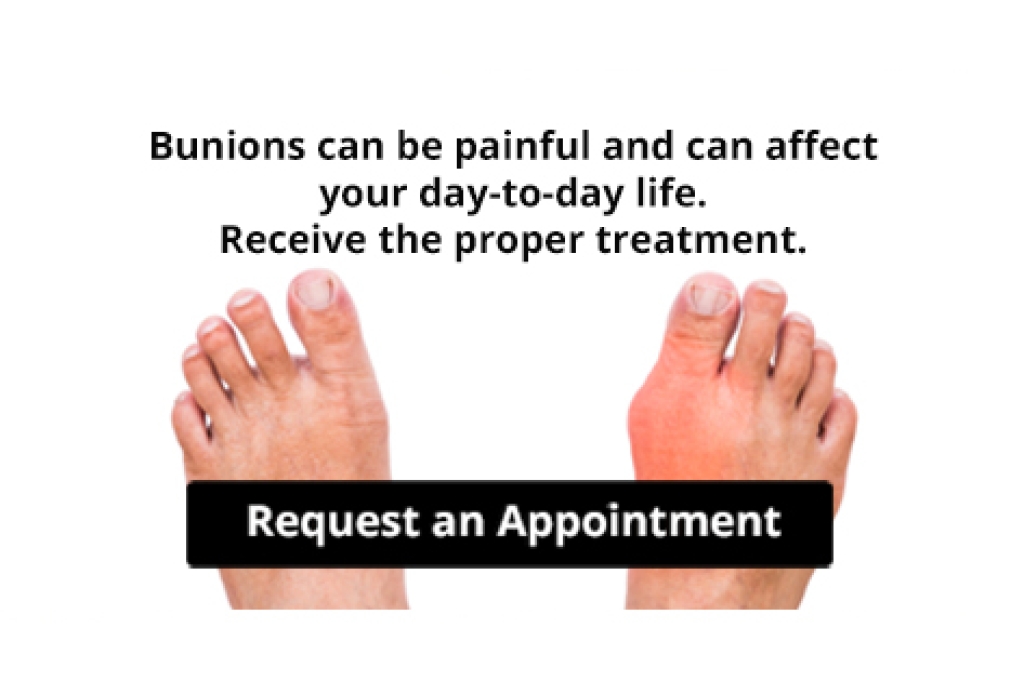
Have you noticed a bony protrusion on the side of your big toe? If so, you may have developed the foot condition known as a bunion. Don't let bunions interfere with your daily activities.

Foot Pain and Mobility

Foot health plays a crucial role in maintaining an active and mobile lifestyle as you age. Your feet serve as the foundation for your lower extremities. Any significant foot disorder can impact your ability to walk, perform daily activities, and even engage in mild exercise. Having foot pain can lead to changes in your gait, which can, over time, affect your ankles, knees, hips, and even your back. While aging naturally brings changes to your feet, including alterations in shoe size and structure, discomfort and pain should not be considered normal. Properly fitting, supportive, and comfortable shoes can help prevent issues such as corns, arch pain, and bunions. Certain occupations may require safety toed shoes that may help to avoid foot injuries. Practical steps to promote foot health include daily foot inspections, regular toenail maintenance, and walking in comfortable shoes.  Addressing foot problems early and adopting preventive measures can reduce chronic pain, infections, hospital visits, and help you maintain your mobility. If you are having foot problems, it is suggested that you make an appointment with a podiatrist for a proper diagnosis and a treatment plan that is right for you.

Foot Pain

Foot pain can be extremely painful and debilitating. If you have a foot pain, consult with Steven Black, DPM from California . Our doctor will assess your condition and provide you with quality foot and ankle treatment.

Causes

Foot pain is a very broad condition that could be caused by one or more ailments. The most common include:

  • Bunions
  • Hammertoes
  • Plantar Fasciitis
  • Bone Spurs
  • Corns
  • Tarsal Tunnel Syndrome
  • Ingrown Toenails
  • Arthritis (such as Gout, Rheumatoid, and Osteoarthritis)
  • Flat Feet
  • Injury (from stress fractures, broken toe, foot, ankle, Achilles tendon ruptures, and sprains)
  • And more

Diagnosis

To figure out the cause of foot pain, podiatrists utilize several different methods. This can range from simple visual inspections and sensation tests to X-rays and MRI scans. Prior medical history, family medical history, and any recent physical traumatic events will all be taken into consideration for a proper diagnosis.

Treatment

Treatment depends upon the cause of the foot pain. Whether it is resting, staying off the foot, or having surgery; podiatrists have a number of treatment options available for foot pain.

If you have any questions, please feel free to contact our office located in Lancaster, CA . We offer the newest diagnostic and treatment technologies for all your foot care needs.
Read more about Foot Pain

Surgery Options for Flat Feet

Flat feet, resulting from a collapsed arch, can lead to pain and discomfort, affecting both children and adults. When non-surgical approaches fall short, surgical intervention offers a viable solution. Surgery for flat feet aims to reconstruct the foot's architecture to restore a supportive arch and alleviate complications like change of gait, knee pain, plantar fasciitis, and Achilles tendonitis. An evaluation before surgery involves a thorough history, examination, and imaging. Surgical intervention may involve tendon reconstruction, bone augmentation, joint fusion, or bone resection. Post-surgery recovery may take up to four months and requires keeping the weight off the affected foot as well as taking prescribed pain relief medication. A protective cast or boot may be needed. Surgical treatment for flat feet, while not necessary in many cases, offers an opportunity to regain mobility, alleviate pain, and enhance overall quality of life.  To find out if surgery for flat feet is right for you, it is suggested that you make an appointment with a podiatrist for a full examination. 

Flatfoot is a condition many people suffer from. If you have flat feet, contact Steven Black, DPM from California . Our doctor will treat your foot and ankle needs.

What Are Flat Feet?

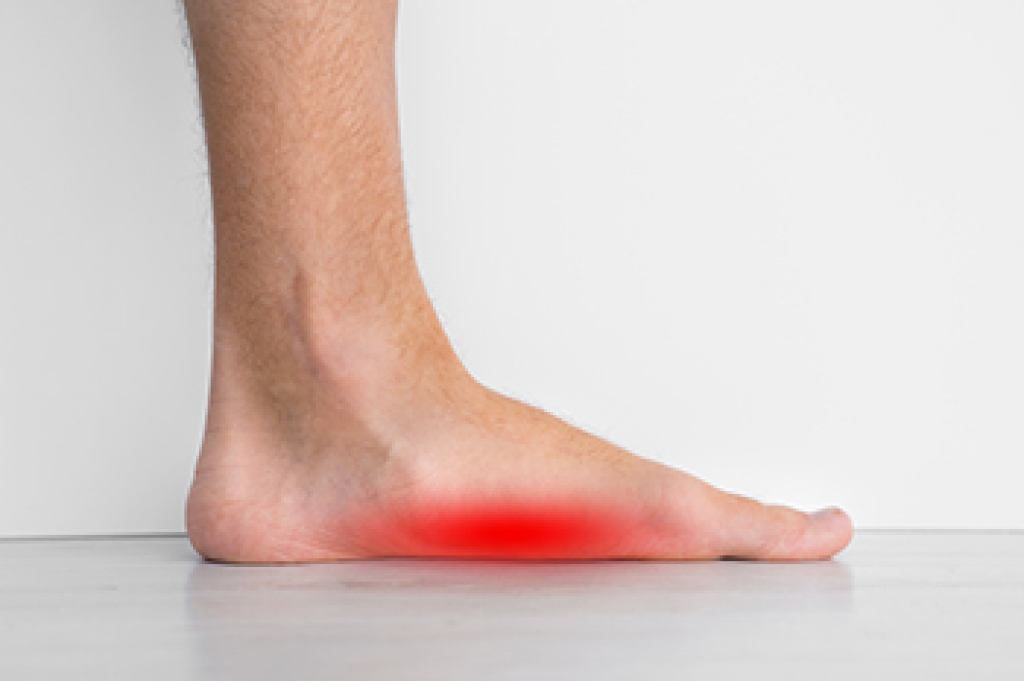
Flatfoot is a condition in which the arch of the foot is depressed and the sole of the foot is almost completely in contact with the ground. About 20-30% of the population generally has flat feet because their arches never formed during growth.

Conditions & Problems:

Having flat feet makes it difficult to run or walk because of the stress placed on the ankles.

Alignment – The general alignment of your legs can be disrupted, because the ankles move inward which can cause major discomfort.

Knees – If you have complications with your knees, flat feet can be a contributor to arthritis in that area.  

Symptoms

  • Pain around the heel or arch area
  • Trouble standing on the tip toe
  • Swelling around the inside of the ankle
  • Flat look to one or both feet
  • Having your shoes feel uneven when worn

Treatment

If you are experiencing pain and stress on the foot you may weaken the posterior tibial tendon, which runs around the inside of the ankle. 

If you have any questions, please feel free to contact our office located in Lancaster, CA . We offer the newest diagnostic and treatment technologies for all your foot care needs.
Read more about Flat Feet

Types of Arthritis That Affect the Feet

Arthritis, defined as joint inflammation, can lead to stiffness, swelling, and pain in affected joints. Among the 100 or more types of arthritis, studies have shown that three significantly impact the foot and ankle. Osteoarthritis, the most common, stems from joint cartilage wear and tear over time. Rheumatoid arthritis, or RA, is an autoimmune disease, that affects joints throughout the body, with women being twice as susceptible. RA involves the immune system attacking and damaging the cartilage. Post-traumatic arthritis, akin to osteoarthritis, can emerge years after fractures or injuries. Gout, another inflammatory condition, arises from uric acid crystal deposits that are near or within the connective tissue of the joints and is particularly common in the big toe. Psoriatic arthritis can produce symptoms that are similar to RA and is linked to psoriasis, a skin disorder causing scaling and flakiness. Understanding these types of arthritis can empower individuals to manage their foot health amidst arthritis challenges. If you believe you have developed a form of arthritis that is affecting your feet or ankles, it is suggested that you consult a podiatrist.

Arthritis can be a difficult condition to live with. If you are seeking treatment, contact Steven Black, DPM from California . Our doctor can provide the care you need to keep you pain-free and on your feet.

Arthritic Foot Care  

Arthritis is a term that is commonly used to describe joint pain.  The condition itself can occur to anyone of any age, race, or gender, and there are over 100 types of it.  Nevertheless, arthritis is more commonly found in women compared to men, and it is also more prevalent in those who are overweight. The causes of arthritis vary depending on which type of arthritis you have. Osteoarthritis for example, is often caused by injury, while rheumatoid arthritis is caused by a misdirected immune system.

Symptoms

  • Swelling
  • Pain
  • Stiffness
  • Decreased Range of Motion

Arthritic symptoms range in severity, and they may come and go. Some symptoms stay the same for several years but could potentially get worse with time. Severe cases of arthritis can prevent its sufferers from performing daily activities and make walking difficult.

Risk Factors

  • Occupation – Occupations requiring repetitive knee movements have been linked to osteoarthritis
  • Obesity – Excess weight can contribute to osteoarthritis development
  • Infection – Microbial agents can infect the joints and trigger arthritis
  • Joint Injuries – Damage to joints may lead to osteoarthritis
  • Age – Risk increases with age
  • Gender –Most types are more common in women
  • Genetics – Arthritis can be hereditary

If you suspect your arthritis is affecting your feet, it is crucial that you see a podiatrist immediately. Your doctor will be able to address your specific case and help you decide which treatment method is best for you.

If you have any questions please feel free to contact our office located in Lancaster, CA . We offer the newest diagnostic tools and technology to treat your foot and ankle needs.

Read more about How to Care for Your Arthritic Foot

Connect With Us