Common Foot Injuries in Soccer

Soccer players frequently encounter foot injuries due to the sport’s high physical demands. Foot blisters are common, starting as irritated skin and developing into fluid-filled bubbles from the friction inside the shoes. Ankle sprains, the most common soccer injury, occur from twisting or impact, leading to ligament stretching or tearing. Wearing tight shoes often cause toenail injuries, and can lead to blood forming under the nail, loose nails, or nails falling off. Turf toe, a painful sprain of the big toe joint, occurs from sudden jamming movements, especially on artificial turf, and necessitates rest and immobilization. Plantar fasciitis causes heel pain, resulting from inflammation of the tissue that connects the heel to the toes, and is considered an overuse injury. Achilles tendonitis affects the back of the heel and can be caused by overuse, inadequate warm-ups, or wearing improper footwear. Foot fractures and stress fractures often result from direct impacts, acute twisting, or repetitive stress during play. If you have sustained a foot or ankle injury while playing soccer, it is suggested that you schedule an appointment with a podiatrist for a diagnosis and treatment. 

Sports related foot and ankle injuries require proper treatment before players can go back to their regular routines. For more information, contact Steven Black, DPM of California . Our doctor can provide the care you need to keep you pain-free and on your feet.

Sports Related Foot and Ankle Injuries

Foot and ankle injuries are a common occurrence when it comes to athletes of any sport. While many athletes dismiss the initial aches and pains, the truth is that ignoring potential foot and ankle injuries can lead to serious problems. As athletes continue to place pressure and strain the area further, a mild injury can turn into something as serious as a rupture and may lead to a permanent disability. There are many factors that contribute to sports related foot and ankle injuries, which include failure to warm up properly, not providing support or wearing bad footwear. Common injuries and conditions athletes face, including:

  • Plantar Fasciitis
  • Achilles Tendinitis
  • Achilles Tendon Rupture
  • Ankle Sprains

Sports related injuries are commonly treated using the RICE method. This includes rest, applying ice to the injured area, compression and elevating the ankle. More serious sprains and injuries may require surgery, which could include arthroscopic and reconstructive surgery. Rehabilitation and therapy may also be required in order to get any recovering athlete to become fully functional again. Any unusual aches and pains an athlete sustains must be evaluated by a licensed, reputable medical professional.

If you have any questions please contact our office located in Lancaster, CA . We offer the newest diagnostic and treatment technologies for all your foot and ankle needs.


Read more about Sports Related Foot And Ankle Injuries

Pain and Foot Fractures

Foot fractures, though often underestimated, can cause significant pain and hinder mobility. A foot fracture occurs when one or more bones in the foot break, commonly due to trauma from falls, accidents, or repetitive stress from activities like running or jumping. Those at risk include athletes, individuals with osteoporosis, and people who have structural foot abnormalities. Diagnosing a foot fracture involves a physical examination, often accompanied by X-rays to confirm the extent and location of the injury. Symptoms typically include localized pain, swelling, bruising, and difficulty bearing weight on the affected foot. Pain, particularly while walking or bearing weight, is a hallmark symptom of a foot fracture. While some fractures may heal with rest and immobilization, others may require more aggressive treatment such as casting or surgery. If you believe you have sustained a foot fracture, it is suggested that you consult a podiatrist for a proper diagnosis and comprehensive plan to alleviate pain, promote healing, and prevent complications.

A broken foot requires immediate medical attention and treatment. If you need your feet checked, contact Steven Black, DPM from California . Our doctor can provide the care you need to keep you pain-free and on your feet.

Broken Foot Causes, Symptoms, and Treatment

A broken foot is caused by one of the bones in the foot typically breaking when bended, crushed, or stretched beyond its natural capabilities. Usually the location of the fracture indicates how the break occurred, whether it was through an object, fall, or any other type of injury. 

Common Symptoms of Broken Feet:

  • Bruising
  • Pain
  • Redness
  • Swelling
  • Blue in color
  • Numbness
  • Cold
  • Misshapen
  • Cuts
  • Deformities

Those that suspect they have a broken foot shoot seek urgent medical attention where a medical professional could diagnose the severity.

Treatment for broken bones varies depending on the cause, severity and location. Some will require the use of splints, casts or crutches while others could even involve surgery to repair the broken bones. Personal care includes the use of ice and keeping the foot stabilized and elevated.

If you have any questions, please feel free to contact our office located in Lancaster, CA . We offer the newest diagnostic and treatment technologies for all your foot care needs.

Read more about Causes, Symptoms, and Treatment for a Broken Foot

How Various Forms of Arthritis Can Affect Feet

Arthritis, a condition causing joint inflammation, manifests in various forms, each impacting the feet differently. Osteoarthritis, the most common type, affects the cartilage, leading to joint pain and stiffness. In feet, it often targets the big toe, making it painful to walk or stand. Rheumatoid arthritis, an autoimmune disease, affects joints symmetrically, often leading to deformities in the feet such as bunions and hammertoes. Gout, characterized by sudden, severe attacks of pain, swelling, and redness, typically targets the big toe joint. Psoriatic arthritis, linked with psoriasis, can cause swelling in the toes. Ankylosing spondylitis, affecting the spine and large joints, may also cause inflammation in the feet, leading to stiffness and discomfort. If you have any arthritic foot pain, it is suggested that you make an appointment with a podiatrist who can offer a personalized treatment to help alleviate discomfort and improve mobility.

Arthritis can be a difficult condition to live with. If you are seeking treatment, contact Steven Black, DPM from California . Our doctor can provide the care you need to keep you pain-free and on your feet.

Arthritic Foot Care  

Arthritis is a joint disorder that involves the inflammation of different joints in your body, such as those in your feet. Arthritis is often caused by a degenerative joint disease and causes mild to severe pain in all affected areas. In addition to this, swelling and stiffness in the affected joints can also be a common symptom of arthritis.

In many cases, wearing ill-fitting shoes can worsen the effects and pain of arthritis. Wearing shoes that have a lower heel and extra room can help your feet feel more comfortable. In cases of rheumatoid arthritis, the arch in your foot may become problematic. Buying shoes with proper arch support that contour to your feet can help immensely.

Alleviating Arthritic Pain

  • Exercises that stretch the foot can prevent further pain and injury and increase mobility
  • Most of the pain can be alleviated with anti-inflammatory drugs, heat, and topical medications
  • Massages can help temporarily alleviate pain.

It is best to see your doctor for the treatment that is right for your needs and symptoms. Conditions vary, and a podiatrist can help you determine the right method of care for your feet.

If you have any questions please feel free to contact our office located in Lancaster, CA . We offer the newest diagnostic tools and technology to treat your foot and ankle needs.

Read more about Arthritic Foot Care

Childhood Rheumatoid Arthritis

Juvenile rheumatoid arthritis, or JRA, a chronic autoimmune disorder, occurs when the body's immune system mistakenly attacks its own tissues, leading to joint inflammation and damage. While the exact cause remains elusive, genetic predisposition and environmental factors likely play significant roles. Children with a family history of autoimmune diseases are at higher risk, although JRA can affect anyone. Symptoms may include joint stiffness, swelling, and pain, particularly in the feet and ankles. In some cases, JRA can lead to complications like joint deformities and growth problems. Diagnosing this condition involves a thorough evaluation of symptoms, medical history, and physical exams, often supplemented with blood tests and imaging studies. If your child has foot or ankle joint pain, it is strongly suggested that you schedule an appointment with a podiatrist who can collaborate with other relevant healthcare professionals to tailor a treatment plan that can relieve pain, maintain joint function, and prevent deformities.

Making sure that your children maintain good foot health is very important as they grow. If you have any questions, contact Steven Black, DPM of California . Our doctor can provide the care you need to keep you pain-free and on your feet.

Keeping Children's Feet Healthy

Having healthy feet during childhood can help prevent medical problems later in life, namely in the back and legs. As children grow, their feet require different types of care. Here are some things to consider...

Although babies do not walk yet, it is still very important to take care of their feet.

Avoid putting tight shoes or socks on his or her feet.

Allow the baby to stretch and kick his or her feet to feel comfortable.

As a toddler, kids are now on the move and begin to develop differently. At this age, toddlers are getting a feel for walking, so don’t be alarmed if your toddler is unsteady or ‘walks funny’. 

As your child gets older, it is important to teach them how to take care of their feet.

Show them proper hygiene to prevent infections such as fungus.

Be watchful for any pain or injury.

Have all injuries checked by a doctor as soon as possible.

Comfortable, protective shoes should always be worn, especially at play.

If you have any questions, please feel free to contact our office located in Lancaster, CA . We offer the newest diagnostic and treatment technologies for all your foot care needs.

Read more about How to Care for Your Child's Feet

Reminder: When Was the Last Time...?

Custom orthotics, or shoe inserts, should be periodically replaced. Orthotics must fit properly to give you the best results. Protect your feet and ankles!

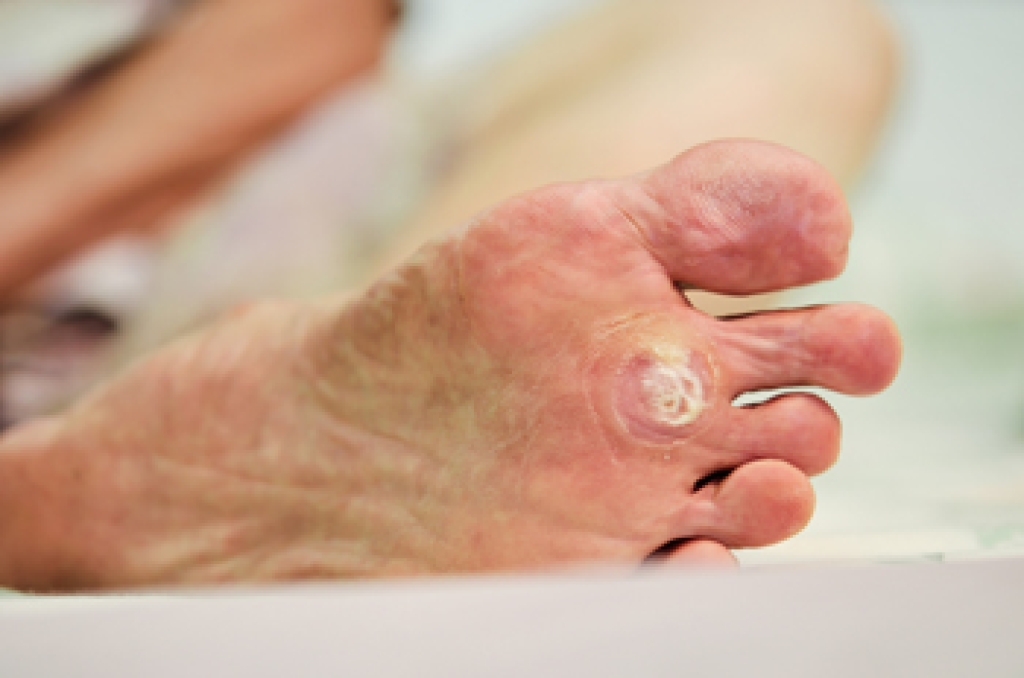
Causes of Plantar Warts

Plantar warts are noncancerous growths caused by the human papillomavirus, or HPV, infecting the outer layer of skin on the soles of the feet. They often appear as small, grainy lesions with black dots embedded within them, causing discomfort or pain, especially when walking or standing. Those individuals with diabetes or compromised immune systems should be particularly watchful of such growths. These warts are contagious and can spread through direct contact with infected surfaces or skin. Treatment options can include salicylic acid to prescription strength treatments such as cryotherapy, laser therapy, or surgical removal. If you have a plantar wart that causes persistent pain, changes in appearance, or interferes with walking, it is suggested that you seek podiatric attention.

Plantar warts can be very uncomfortable. If you need your feet checked, contact Steven Black, DPM from California . Our doctor will assist you with all of your foot and ankle needs.

About Plantar Warts

Plantar warts are the result of HPV, or human papillomavirus, getting into open wounds on the feet. They are mostly found on the heels or balls of the feet.

While plantar warts are generally harmless, those experiencing excessive pain or those suffering from diabetes or a compromised immune system require immediate medical care. Plantar warts are easily diagnosed, usually through scraping off a bit of rough skin or by getting a biopsy.

Symptoms

  • Lesions on the bottom of your feet, usually rough and grainy
  • Hard or thick callused spots
  • Wart seeds, which are small clotted blood vessels that look like little black spots
  • Pain, discomfort, or tenderness of your feet when walking or standing

Treatment

  • Freezing
  • Electric tool removal
  • Laser Treatment
  • Topical Creams (prescription only)
  • Over-the-counter medications

To help prevent developing plantar warts, avoid walking barefoot over abrasive surfaces that can cause cuts or wounds for HPV to get into. Avoiding direct contact with other warts, as well as not picking or rubbing existing warts, can help prevent the further spread of plantar warts. However, if you think you have developed plantar warts, speak to your podiatrist. He or she can diagnose the warts on your feet and recommend the appropriate treatment options.

If you have any questions, please feel free to contact our office located in Lancaster, CA . We offer the newest diagnostic and treatment technologies for all your foot care needs.

Read more about Plantar Warts

Stepping Safely

Ankle sprains occur when ligaments in the ankle are stretched or torn, often due to sudden twisting movements. Common causes include sports injuries, walking or running on uneven surfaces, or accidents. Prevention involves maintaining strength and flexibility through regular exercise, wearing supportive footwear, and using caution during physical activities. Immediate treatment for ankle sprains includes rest, compression, and elevation. Gentle exercises to restore range of motion and strength may aid in recovery. However, severe sprains may require medical attention, including immobilization with a brace or splint, or, in rare cases, surgery. If you have sprained your ankle, it is suggested that you schedule an appointment with a podiatrist for a proper diagnosis and a treatment plan tailored to your individual needs.

Ankle pain can be caused by a number of problems and may be potentially serious. If you have ankle pain, consult with Steven Black, DPM from California . Our doctor will assess your condition and provide you with quality foot and ankle treatment.

Ankle pain is any condition that causes pain in the ankle. Due to the fact that the ankle consists of tendons, muscles, bones, and ligaments, ankle pain can come from a number of different conditions.

Causes

The most common causes of ankle pain include:

  • Types of arthritis (rheumatoid, osteoarthritis, and gout)
  • Ankle sprains
  • Broken ankles
  • Achilles tendonitis
  • Achilles tendon rupture
  • Stress fractures
  • Bursitis
  • Tarsal tunnel syndrome
  • Plantar fasciitis

Symptoms

Symptoms of ankle injury vary based upon the condition. Pain may include general pain and discomfort, swelling, aching, redness, bruising, burning or stabbing sensations, and/or loss of sensation.

Diagnosis

Due to the wide variety of potential causes of ankle pain, podiatrists will utilize a number of different methods to properly diagnose ankle pain. This can include asking for personal and family medical histories and of any recent injuries. Further diagnosis may include sensation tests, a physical examination, and potentially x-rays or other imaging tests.

Treatment

Just as the range of causes varies widely, so do treatments. Some more common treatments are rest, ice packs, keeping pressure off the foot, orthotics and braces, medication for inflammation and pain, and surgery.

If you have any questions please feel free to contact our office located in Lancaster, CA . We offer the newest diagnostic tools and technology to treat your foot and ankle needs.

Read more about Ankle Pain

Foot Pain From Sciatica

Sciatica is a condition characterized by pain that radiates along the sciatic nerve, which runs from the lower back down through the buttocks and into each leg. When the sciatic nerve becomes compressed or irritated, it can lead to various symptoms, including sharp, shooting pain, tingling, numbness, or weakness in the lower back, buttocks, legs, and feet. In some cases, sciatica can also cause toe pain, often described as a burning sensation or electric shock-like discomfort. This toe pain may result from nerve compression affecting the branches of the sciatic nerve that innervate the feet and toes. A podiatrist can play a vital role in managing sciatica-related foot pain by conducting a comprehensive evaluation to identify contributing factors, providing treatments to alleviate symptoms such as orthotic devices, and coordinating care with other healthcare providers as needed for optimal pain management and functional improvement.

Foot Pain

Foot pain can be extremely painful and debilitating. If you have a foot pain, consult with Steven Black, DPM from California . Our doctor will assess your condition and provide you with quality foot and ankle treatment.

Causes

Foot pain is a very broad condition that could be caused by one or more ailments. The most common include:

  • Bunions
  • Hammertoes
  • Plantar Fasciitis
  • Bone Spurs
  • Corns
  • Tarsal Tunnel Syndrome
  • Ingrown Toenails
  • Arthritis (such as Gout, Rheumatoid, and Osteoarthritis)
  • Flat Feet
  • Injury (from stress fractures, broken toe, foot, ankle, Achilles tendon ruptures, and sprains)
  • And more

Diagnosis

To figure out the cause of foot pain, podiatrists utilize several different methods. This can range from simple visual inspections and sensation tests to X-rays and MRI scans. Prior medical history, family medical history, and any recent physical traumatic events will all be taken into consideration for a proper diagnosis.

Treatment

Treatment depends upon the cause of the foot pain. Whether it is resting, staying off the foot, or having surgery; podiatrists have a number of treatment options available for foot pain.

If you have any questions, please feel free to contact our office located in Lancaster, CA . We offer the newest diagnostic and treatment technologies for all your foot care needs.

Read more about Foot Pain

Diabetes and Neuropathy

Diabetes can lead to a condition known as neuropathy, a type of nerve damage that often affects the legs and feet, due to high blood sugar levels over time. High blood sugar can harm the tiny blood vessels that supply nerves, especially those in the lower extremities. This can cause symptoms ranging from tingling, numbness, and pain in the feet to more severe issues like loss of sensation. The loss of feeling is particularly concerning because it can make it difficult for someone to notice injuries or infections. This, in turn, heightens the risk of serious complications, such as foot ulcers and infections that heal poorly. Managing blood sugar levels is important for preventing or slowing the progression of neuropathy. If you are at risk for neuropathy and wound care issues, it is suggested that you have regular check-ups with a podiatrist to monitor foot health and prevent complications.

Neuropathy

Neuropathy can be a potentially serious condition, especially if it is left undiagnosed. If you have any concerns that you may be experiencing nerve loss in your feet, consult with Steven Black, DPM from California . Our doctor will assess your condition and provide you with quality foot and ankle treatment for neuropathy.

What Is Neuropathy?

Neuropathy is a condition that leads to damage to the nerves in the body. Peripheral neuropathy, or neuropathy that affects your peripheral nervous system, usually occurs in the feet. Neuropathy can be triggered by a number of different causes. Such causes include diabetes, infections, cancers, disorders, and toxic substances.

Symptoms of Neuropathy Include:

  • Numbness
  • Sensation loss
  • Prickling and tingling sensations
  • Throbbing, freezing, burning pains
  • Muscle weakness

Those with diabetes are at serious risk due to being unable to feel an ulcer on their feet. Diabetics usually also suffer from poor blood circulation. This can lead to the wound not healing, infections occurring, and the limb may have to be amputated.

Treatment

To treat neuropathy in the foot, podiatrists will first diagnose the cause of the neuropathy. Figuring out the underlying cause of the neuropathy will allow the podiatrist to prescribe the best treatment, whether it be caused by diabetes, toxic substance exposure, infection, etc. If the nerve has not died, then it’s possible that sensation may be able to return to the foot.

Pain medication may be issued for pain. Electrical nerve stimulation can be used to stimulate nerves. If the neuropathy is caused from pressure on the nerves, then surgery may be necessary.

If you have any questions, please feel free to contact our office located in Lancaster, CA . We offer the newest diagnostic and treatment technologies for all your foot care needs.

Read more about Neuropathy

It's Time for Beautiful Feet

You don't need an excuse to have beautiful nails. Step outside without worrying about the appearance of your feet.

Connect With Us