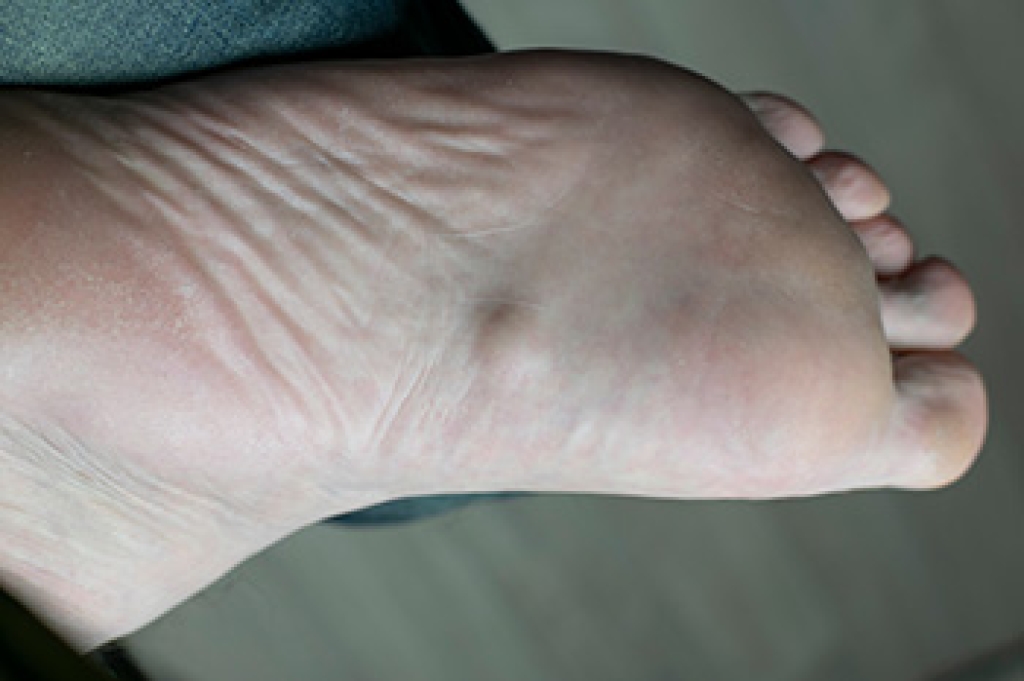
Definition and Causes of Plantar Fibromatosis

Plantar fibromatosis, also called Ledderhose disease, is a condition where firm nodules develop in the arch of the foot along the plantar fascia. These growths can cause pain and discomfort while walking or standing. The exact cause is not fully understood, but factors such as genetics, male gender, certain medical conditions like diabetes and liver disease, and repetitive foot trauma may increase the risk. Symptoms often progress slowly and may worsen over time. A podiatrist can help by providing accurate diagnosis, recommending custom orthotics, or other treatment options to relieve pain and improve mobility. If you have a painful nodule in the arch of your foot, it is suggested that you schedule a consultation with a podiatrist for appropriate relief and treatment solutions.

A plantar fibroma may disrupt your daily activities. If you have any concerns, contact Steven Black, DPM of California . Our doctor can provide the care you need to keep you pain-free and on your feet.

Plantar Fibroma

A plantar fibroma is a fibrous knot in the arch of the foot. It is embedded in the plantar fascia which is a band of tissue that extends from the heel to the toes along the bottom of the foot. There can be multiple plantar fibromas in the feet at the same time. There are no known causes for this condition. If you have a plantar fibroma, there will be a bump in the arch of your foot that cannot be missed. Any associated pain is most often due to a shoe rubbing against the nodule. Non-surgical options, such as steroid injections, physical therapy, and orthotics should be tried first. Surgery is a last resort and is the only thing that will remove a plantar fibroma entirely. Consult with a podiatrist for a proper diagnosis and to determine the treatment regimen that is right for you.

What Causes a Plantar Fibroma?

While there are no specific causes identified, a plantar fibroma can possibly come from genetic predisposition or the formation of scar tissue that forms from healing the tears in the plantar fascia.

What Are the Symptoms of a Plantar Fibroma?

There will be a noticeable lump in the arch of the foot that may or may not cause pain. If pain is felt, it is typically because a shoe is rubbing up against the lump or when walking or standing barefoot.

Treatment and Prevention

A plantar fibroma will not disappear without treatment, but it can get smaller and be a non-issue. If pain persists, a podiatrist examines the foot and when the arch of the foot is pressed, pain can be felt down to the toes. An MRI or biopsy might be performed to help diagnose or evaluate the plantar fibroma. The following non-surgical options are generally enough to reduce the size and pain of these nodules:

  • Steroid injections
  • Orthotics
  • Physical therapy to help apply anti-inflammatory creams on the bump 

Surgery is considered if the mass increases in size and the patient continues to feel pain after non-surgical methods are tried.

If you have any questions, please feel free to contact our office located in Lancaster, CA . We offer the newest diagnostic and treatment technologies for all your foot care needs.

Read more about Plantar Fibroma

Gout Pain Can Be Managed

Gout is a painful, inflammatory form of arthritis. Those affected will typically feel an intense stiffness in the joints of their feet, particularly in the big toe. Schedule a visit to learn about how gout can be managed and treated.

Ways That Diabetes Affects the Feet

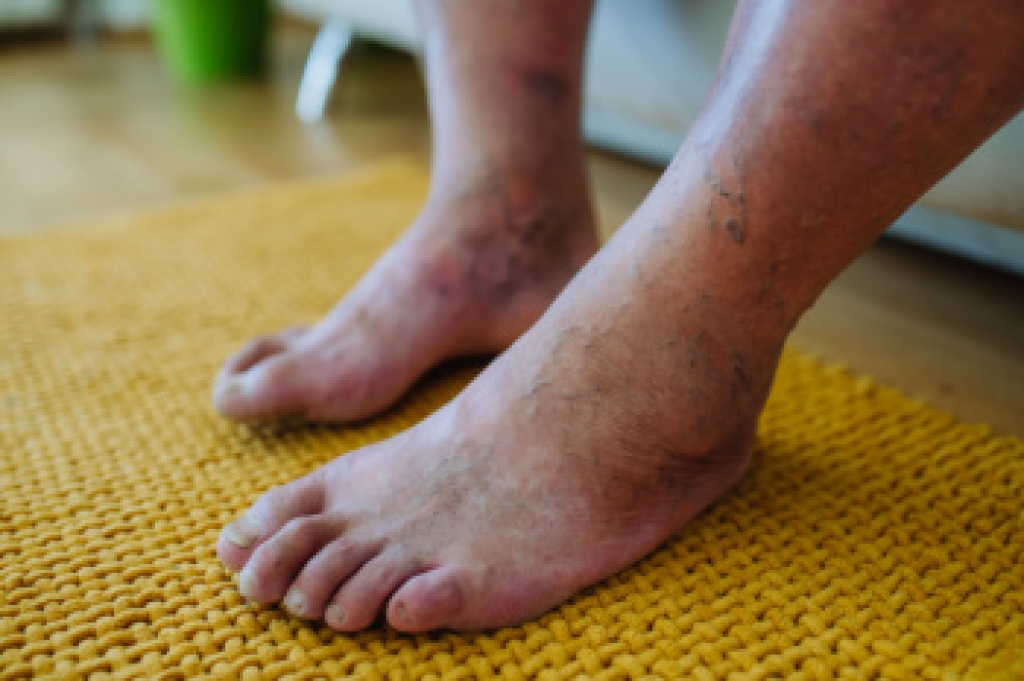
Diabetes can have a profound effect on the feet due to its impact on both nerves and circulation. Nerve damage, also called diabetic neuropathy, may reduce the ability to feel pain or temperature changes in the feet. This can allow small injuries, burns, or sores to go unnoticed and worsen over time. The loss of sensation can also lead to structural changes in the bones, joints, and muscles of the feet. Some people may still experience tingling, burning, or sharp pain from nerve involvement. Poor circulation, often linked to narrowed arteries, limits the blood flow needed for healing. This leaves the feet more vulnerable to ulcers or other problems. Infections can spread quickly in feet affected by diabetes and are harder to treat due to slower healing. A podiatrist can identify early warning signs, provide treatment for ulcers or infections, and help prevent severe complications. If you have complications from diabetes that are affecting your feet, it is suggested that you make an appointment with a podiatrist for regular treatment.

Diabetic foot care is important in preventing foot ailments such as ulcers. If you are suffering from diabetes or have any other concerns about your feet, contact Steven Black, DPM from California . Our doctor can provide the care you need to keep you pain-free and on your feet.

Diabetic Foot Care

Diabetes affects millions of people every year. The condition can damage blood vessels in many parts of the body, especially the feet. Because of this, taking care of your feet is essential if you have diabetes, and having a podiatrist help monitor your foot health is highly recommended.

The Importance of Caring for Your Feet

  • Routinely inspect your feet for bruises or sores.
  • Wear socks that fit your feet comfortably.
  • Wear comfortable shoes that provide adequate support.

Patients with diabetes should have their doctor monitor their blood levels, as blood sugar levels play such a huge role in diabetic care. Monitoring these levels on a regular basis is highly advised.

It is always best to inform your healthcare professional of any concerns you may have regarding your feet, especially for diabetic patients. Early treatment and routine foot examinations are keys to maintaining proper health, especially because severe complications can arise if proper treatment is not applied.

If you have any questions, please feel free to contact our office located in Lancaster, CA . We offer the newest diagnostic and treatment technologies for all your foot care needs.
Read more about Diabetic Foot Conditions

Various Types of Bunions and Different Treatments

Bunions may appear in several ways, each with its own challenges. Some are mild and cause only slight irritation, while others are moderate and with them, the big toe is pushed inward. Severe bunions can create significant pain and limit daily activities. A bunionette, also known as a tailor’s bunion, forms on the outside of the foot near the little toe. Juvenile bunions often develop in younger people and are usually linked to inherited foot structure. Treatment options vary depending on how advanced the bunion is. Simple changes such as wearing wider shoes, applying padding, or using custom orthotics can relieve pressure. More serious bunions may require surgery to correct the alignment and ease discomfort. If you notice a bunion is starting to affect your comfort or mobility, it is suggested that you see a podiatrist who can provide the right diagnosis and treatment plan.

If you are suffering from bunion pain, contact Steven Black, DPM of California . Our doctor can provide the care you need to keep you pain-free and on your feet.

What Is a Bunion?

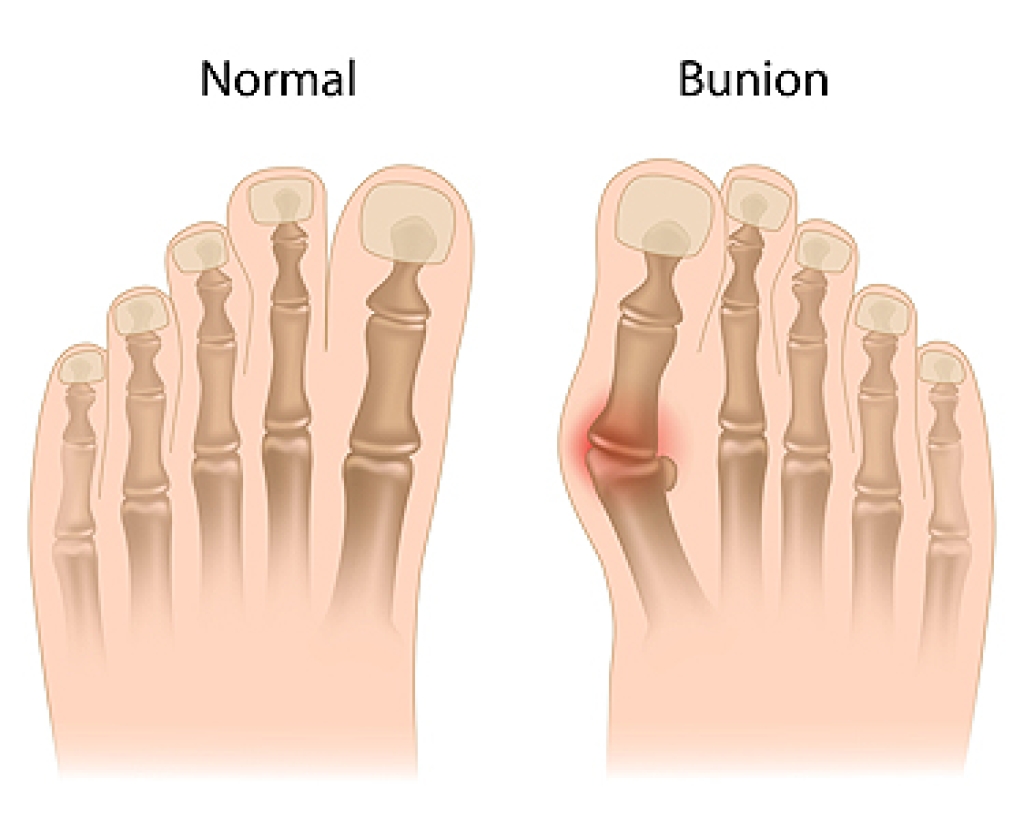
Bunions are painful bony bumps that usually develop on the inside of the foot at the joint of the big toe. As the deformity increases over time, it may become painful to walk and wear shoes. Women are more likely to exacerbate existing bunions since they often wear tight, narrow shoes that shift their toes together. Bunion pain can be relieved by wearing wider shoes with enough room for the toes.

Causes

  • Genetics – some people inherit feet that are more prone to bunion development
  • Inflammatory Conditions - rheumatoid arthritis and polio may cause bunion development

Symptoms

  • Redness and inflammation
  • Pain and tenderness
  • Callus or corns on the bump
  • Restricted motion in the big toe

In order to diagnose your bunion, your podiatrist may ask about your medical history, symptoms, and general health. Your doctor might also order an x-ray to take a closer look at your feet. Nonsurgical treatment options include orthotics, padding, icing, changes in footwear, and medication. If nonsurgical treatments don’t alleviate your bunion pain, surgery may be necessary.

If you have any questions, please feel free to contact our office located in Lancaster, CA . We offer the newest diagnostic and treatment technologies for all your foot care needs.

Read more about What Are Bunions?

Walking Pattern Changes After an Ankle Fracture

An ankle fracture can leave lasting effects on the way a person walks, even after the bone has healed. Limited joint movement, lingering stiffness, and changes in muscle strength may cause the body to adapt in ways that alter natural stride patterns. Some individuals shorten their steps, place less weight on the injured side, or roll the foot differently to avoid discomfort. These adjustments can strain other joints, such as the knees, hips, and lower back, over time. Restoring a balanced gait often involves targeted exercises to improve flexibility, rebuild strength, and retrain walking mechanics. Wearing supportive footwear or orthotics may also help distribute pressure more evenly across the foot. Addressing gait changes early can prevent secondary problems and improve long-term mobility. If walking feels awkward or uncomfortable after an ankle fracture, it is suggested that you see a podiatrist for evaluation and guidance.

Broken ankles need immediate treatment. If you are seeking treatment, contact Steven Black, DPM from California . Our doctor can provide the care you need to keep you pain-free and on your feet. 

Broken Ankles
A broken ankle is experienced when a person fractures their tibia or fibula in the lower leg and ankle area. Both of these bones are attached at the bottom of the leg and combine to form what we know to be our ankle.

When a physician is referring to a break of the ankle, he or she is usually referring to a break in the area where the tibia and fibula are joined to create our ankle joint. Ankles are more prone to fractures because the ankle is an area that suffers a lot of pressure and stress. There are some obvious signs when a person experiences a fractured ankle, and the following symptoms may be present.

Symptoms of a Fractured Ankle

  • Excessive pain when the area is touched or when any pressure is placed on the ankle
  • Swelling around the area
  • Bruising of the area
  • Area appears to be deformed

If you suspect an ankle fracture, it is recommended to seek treatment as soon as possible. The sooner you have your podiatrist diagnose the fracture, the quicker you’ll be on the way towards recovery.

If you have any questions, please feel free to contact our office located in Lancaster, CA . We offer the newest diagnostic and treatment technologies for all your foot care needs.

Read more about All About Broken Ankles

Connect With Us