
Walking Pattern Changes After an Ankle Fracture

An ankle fracture can leave lasting effects on the way a person walks, even after the bone has healed. Limited joint movement, lingering stiffness, and changes in muscle strength may cause the body to adapt in ways that alter natural stride patterns. Some individuals shorten their steps, place less weight on the injured side, or roll the foot differently to avoid discomfort. These adjustments can strain other joints, such as the knees, hips, and lower back, over time. Restoring a balanced gait often involves targeted exercises to improve flexibility, rebuild strength, and retrain walking mechanics. Wearing supportive footwear or orthotics may also help distribute pressure more evenly across the foot. Addressing gait changes early can prevent secondary problems and improve long-term mobility. If walking feels awkward or uncomfortable after an ankle fracture, it is suggested that you see a podiatrist for evaluation and guidance.

Broken ankles need immediate treatment. If you are seeking treatment, contact Steven Black, DPM from California . Our doctor can provide the care you need to keep you pain-free and on your feet. 

Broken Ankles
A broken ankle is experienced when a person fractures their tibia or fibula in the lower leg and ankle area. Both of these bones are attached at the bottom of the leg and combine to form what we know to be our ankle.

When a physician is referring to a break of the ankle, he or she is usually referring to a break in the area where the tibia and fibula are joined to create our ankle joint. Ankles are more prone to fractures because the ankle is an area that suffers a lot of pressure and stress. There are some obvious signs when a person experiences a fractured ankle, and the following symptoms may be present.

Symptoms of a Fractured Ankle

  • Excessive pain when the area is touched or when any pressure is placed on the ankle
  • Swelling around the area
  • Bruising of the area
  • Area appears to be deformed

If you suspect an ankle fracture, it is recommended to seek treatment as soon as possible. The sooner you have your podiatrist diagnose the fracture, the quicker you’ll be on the way towards recovery.

If you have any questions, please feel free to contact our office located in Lancaster, CA . We offer the newest diagnostic and treatment technologies for all your foot care needs.

Read more about All About Broken Ankles

Common Injuries From Playing Pickleball

Pickleball can place significant strain on the feet and ankles due to the frequent pivoting, jumping, and quick side-to-side movements involved in the game. Ankle sprains are a common pickleball injury, occurring when the foot rolls awkwardly and stretches or tears the ligaments. Repeated strain from quick movements can also lead to Achilles tendonitis, which causes pain and stiffness in the tendon that connects the heel to the calf. Heel pain from plantar fasciitis is another frequent problem, often linked to playing on hard surfaces or wearing shoes that lack adequate support.  A podiatrist can help by identifying the specific cause of foot or ankle pain and providing the necessary treatment to promote healing and reduce the risk of further injury. If you have a foot or ankle injury from playing pickleball, it is suggested that you schedule an appointment with a podiatrist for an exam and appropriate treatment options.

Sports related foot and ankle injuries require proper treatment before players can go back to their regular routines. For more information, contact Steven Black, DPM of California . Our doctor can provide the care you need to keep you pain-free and on your feet.

Sports Related Foot and Ankle Injuries

Foot and ankle injuries are a common occurrence when it comes to athletes of any sport. While many athletes dismiss the initial aches and pains, the truth is that ignoring potential foot and ankle injuries can lead to serious problems. As athletes continue to place pressure and strain the area further, a mild injury can turn into something as serious as a rupture and may lead to a permanent disability. There are many factors that contribute to sports related foot and ankle injuries, which include failure to warm up properly, not providing support or wearing bad footwear. Common injuries and conditions athletes face, including:

  • Plantar Fasciitis
  • Achilles Tendinitis
  • Achilles Tendon Rupture
  • Ankle Sprains

Sports related injuries are commonly treated using the RICE method. This includes rest, applying ice to the injured area, compression and elevating the ankle. More serious sprains and injuries may require surgery, which could include arthroscopic and reconstructive surgery. Rehabilitation and therapy may also be required in order to get any recovering athlete to become fully functional again. Any unusual aches and pains an athlete sustains must be evaluated by a licensed, reputable medical professional.

If you have any questions please contact our office located in Lancaster, CA . We offer the newest diagnostic and treatment technologies for all your foot and ankle needs.

Read more about Sports Related Foot And Ankle Injuries

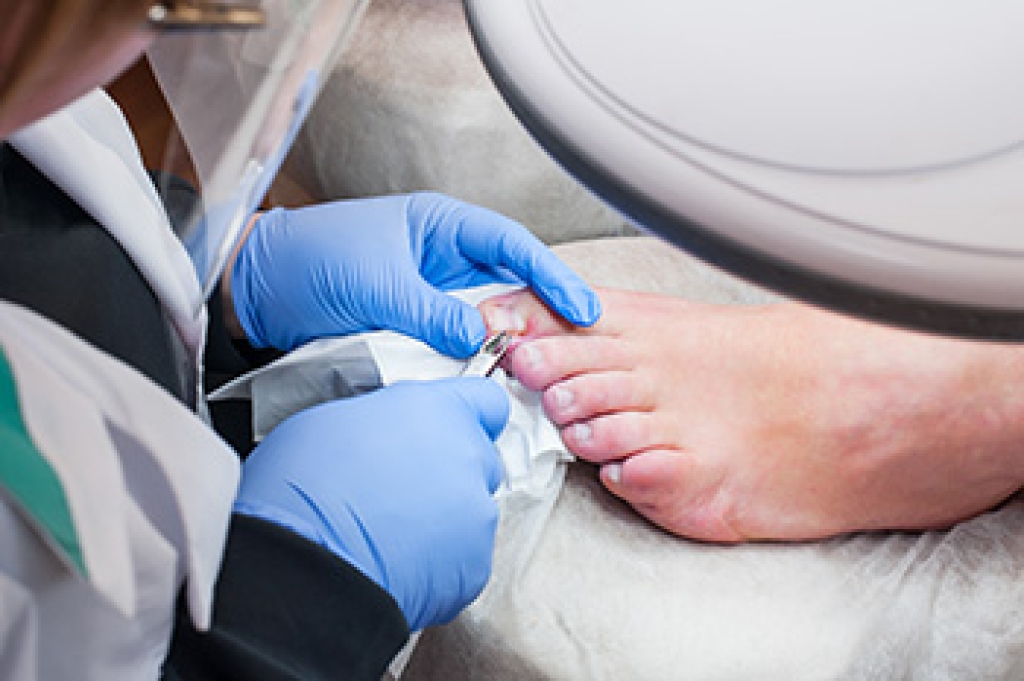
What to Know About Toenail Surgery

Toenail surgery is used when conditions like ingrown, thickened, or curved toenails do not improve with routine care. A podiatrist may remove part or all of the toenail to relieve pain and reduce the chance of infection. A chemical is often applied to the nail bed to prevent regrowth of the problem area. The procedure is done under local anesthetic, which numbs the toe, and typically there are no skin incisions or stitches that are involved. After the surgery, a large dressing is applied, and patients are usually able to walk in open-toed sandals or flip-flops. Healing times vary, but most people recover within three months depending on how much of the nail is removed. Risk factors include infection, delayed healing, or nail regrowth. A podiatrist will monitor your recovery and provide dressing instructions to help ensure proper healing. If you have painful or problematic toenails, it is suggested that you schedule an appointment with a podiatrist for an exam and appropriate treatment, which may include surgery.

Foot surgery is sometimes necessary to treat a foot ailment. To learn more, contact Steven Black, DPM of California . Our doctor will assist you with all of your foot and ankle needs.

When Is Surgery Necessary?

Foot and ankle surgery is generally reserved for cases in which less invasive, conservative procedures have failed to alleviate the problem. Some of the cases in which surgery may be necessary include:

  • Removing foot deformities like bunions and bone spurs
  • Severe arthritis that has caused bone issues
  • Cosmetic reconstruction

What Types of Surgery Are There?

The type of surgery you receive will depend on the nature of the problem you have. Some of the possible surgeries include:

  • Bunionectomy for painful bunions
  • Surgical fusion for realignment of bones
  • Neuropathy decompression surgery to treat nerve damage

Benefits of Surgery

Although surgery is usually a last resort, it can provide more complete pain relief compared to non-surgical methods and may allow you to finally resume full activity.

Surgical techniques have also become increasingly sophisticated. Techniques like endoscopic surgery allow for smaller incisions and faster recovery times.

If you have any questions, please feel free to contact our office located in Lancaster, CA . We offer the newest diagnostic and treatment technologies for all your foot care needs.

Read more about Foot Surgery

How Peripheral Neuropathy Contributes to Falls

Peripheral neuropathy is a condition that damages the nerves responsible for sending signals between the feet and the brain. When these nerves are affected, people may experience numbness, tingling, or weakness in the feet and ankles. This damage can interfere with balance by reducing the ability to feel pressure, detect joint position, or sense vibrations in the feet. As a result, people with peripheral neuropathy may have difficulty sensing uneven surfaces or adjusting their posture quickly, which increases the risk of falling. Muscle weakness in the feet and ankles can also make it harder to maintain stability when walking or standing. A podiatrist can evaluate nerve function, recommend footwear designed for stability, and discuss whether custom orthotics may help to reduce fall risk. If you have fallen or are at risk of doing so because of neuropathy, it is suggested that you schedule an appointment with a podiatrist for an exam and appropriate treatment options.

Preventing falls among the elderly is very important. If you are older and have fallen or fear that you are prone to falling, consult with Steven Black, DPM from California . Our doctor will assess your condition and provide you with quality advice and care.

Every 11 seconds, an elderly American is being treated in an emergency room for a fall related injury. Falls are the leading cause of head and hip injuries for those 65 and older. Due to decreases in strength, balance, senses, and lack of awareness, elderly persons are very susceptible to falling. Thankfully, there are a number of things older persons can do to prevent falls.

How to Prevent Falls

Some effective methods that older persons can do to prevent falls include:

  • Enrolling in strength and balance exercise program to increase balance and strength
  • Periodically having your sight and hearing checked
  • Discuss any medications you have with a doctor to see if it increases the risk of falling
  • Clearing the house of falling hazards and installing devices like grab bars and railings
  • Utilizing a walker or cane
  • Wearing shoes that provide good support and cushioning
  • Talking to family members about falling and increasing awareness

Falling can be a traumatic and embarrassing experience for elderly persons; this can make them less willing to leave the house, and less willing to talk to someone about their fears of falling. Doing such things, however, will increase the likelihood of tripping or losing one’s balance. Knowing the causes of falling and how to prevent them is the best way to mitigate the risk of serious injury.  

If you have any questions, please feel free to contact our office located in Lancaster, CA . We offer the newest diagnostic and treatment technologies for all your foot care needs.

Read more about Falls Prevention

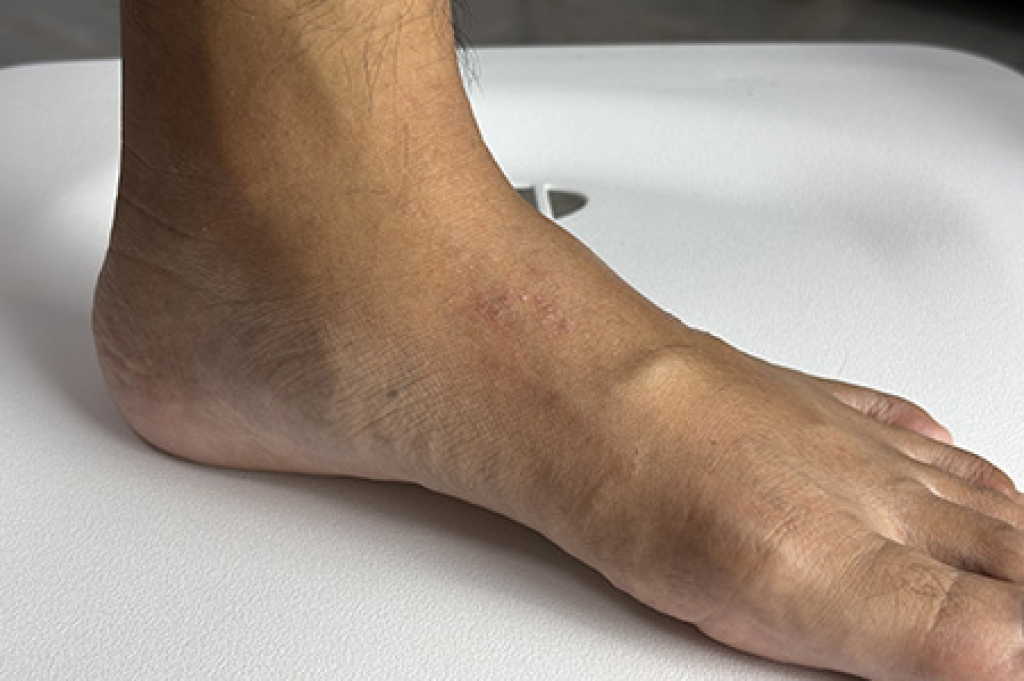
Reasons for a Lump on Top of the Foot

A lump on top of the foot can develop for many reasons, and it is important to have it examined to identify the cause. The human foot contains 26 bones, along with joints, tendons, and soft tissues, all of which may be involved. A soft, fluid-filled lump on top of the foot may be a ganglion cyst, often forming near tendons or joints. A lipoma is a harmless fatty lump beneath the skin. Hard lumps may result from bone spurs, which are bony overgrowths linked to arthritis or repetitive pressure. Fractures, including small stress fractures, can also create a painful bump in response to injury or overuse. Gout, which occurs when uric acid crystals collect in a joint, often produces a swollen, tender lump near the big toe. Other causes include tendonitis, bursitis, bunions, or, in rare cases, rheumatoid nodules or benign tumors. A podiatrist can examine the lump, determine its cause, and recommend appropriate treatment, which may include surgery. If you have an unexplained lump on top of your foot, it is suggested that you schedule an appointment with a podiatrist for an exam and treatment options.

Foot Pain

Foot pain can be extremely painful and debilitating. If you have a foot pain, consult with Steven Black, DPM from California . Our doctor will assess your condition and provide you with quality foot and ankle treatment.

Causes

Foot pain is a very broad condition that could be caused by one or more ailments. The most common include:

  • Bunions
  • Hammertoes
  • Plantar Fasciitis
  • Bone Spurs
  • Corns
  • Tarsal Tunnel Syndrome
  • Ingrown Toenails
  • Arthritis (such as Gout, Rheumatoid, and Osteoarthritis)
  • Flat Feet
  • Injury (from stress fractures, broken toe, foot, ankle, Achilles tendon ruptures, and sprains)
  • And more

Diagnosis

To figure out the cause of foot pain, podiatrists utilize several different methods. This can range from simple visual inspections and sensation tests to X-rays and MRI scans. Prior medical history, family medical history, and any recent physical traumatic events will all be taken into consideration for a proper diagnosis.

Treatment

Treatment depends upon the cause of the foot pain. Whether it is resting, staying off the foot, or having surgery; podiatrists have a number of treatment options available for foot pain.

If you have any questions, please feel free to contact our office located in Lancaster, CA . We offer the newest diagnostic and treatment technologies for all your foot care needs.
Read more about Foot Pain

Nerve Pain From Tarsal Tunnel Syndrome

Tarsal tunnel syndrome is a nerve compression condition affecting the foot and ankle, similar to carpal tunnel syndrome in the wrist. It occurs when the posterior tibial nerve is compressed as it passes through the tarsal tunnel, a narrow space located behind the inner ankle bone and covered by a thick ligament. This pressure may be caused by flat feet, swelling, trauma, varicose veins, or space-occupying growths, such as ganglion cysts. As the nerve becomes irritated, patients often experience tingling, burning pain, numbness, or electric shock sensations along the inside of the ankle or the bottom of the foot. A podiatrist can assess nerve function with physical tests and imaging, and may recommend nerve studies to confirm the diagnosis of tarsal tunnel syndrome. In cases where symptoms persist, surgery may be needed to relieve the pressure on the nerve. If you are experiencing numbing in the inner ankle and foot, it is suggested that you make an appointment with a podiatrist for a diagnosis and treatment.

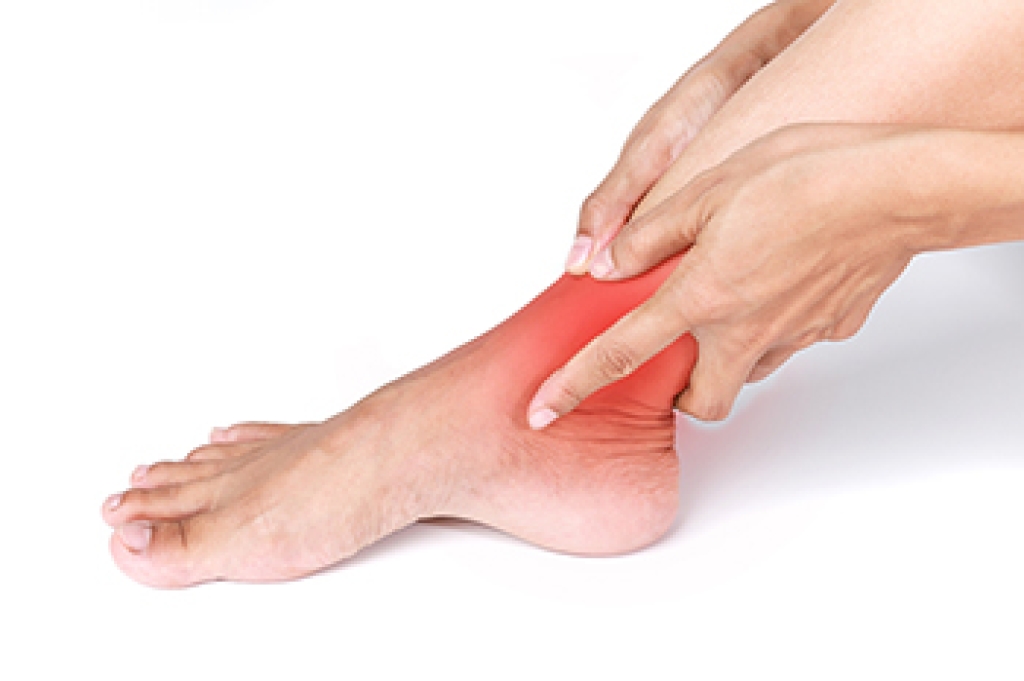
Ankle pain can have many different causes and the pain may potentially be serious. If you have ankle pain, consult with Steven Black, DPM from California . Our doctor will assess your condition and provide you with quality foot and ankle treatment.

Ankle pain is any condition that causes pain in the ankle. Due to the fact that the ankle consists of tendons, muscles, bones, and ligaments, ankle pain can come from a number of different conditions.

Causes

The most common causes of ankle pain include:

  • Types of arthritis (rheumatoid, osteoarthritis, and gout)
  • Ankle sprains
  • Broken ankles
  • Achilles tendinitis
  • Achilles tendon rupture
  • Stress fractures
  • Tarsal tunnel syndrome
  • Plantar fasciitis

Symptoms

Symptoms of ankle injury vary based upon the condition. Pain may include general pain and discomfort, swelling, aching, redness, bruising, burning or stabbing sensations, and/or loss of sensation.

Diagnosis

Due to the wide variety of potential causes of ankle pain, podiatrists will utilize a number of different methods to properly diagnose ankle pain. This can include asking for personal and family medical histories and of any recent injuries. Further diagnosis may include sensation tests, a physical examination, and potentially x-rays or other imaging tests.

Treatment

Just as the range of causes varies widely, so do treatments. Some more common treatments are rest, ice packs, keeping pressure off the foot, orthotics and braces, medication for inflammation and pain, and surgery.

If you have any questions please feel free to contact our office located in Lancaster, CA . We offer the newest diagnostic tools and technology to treat your foot and ankle needs.

Read more about Ankle Pain

Symptoms and Treatment of Hammertoe

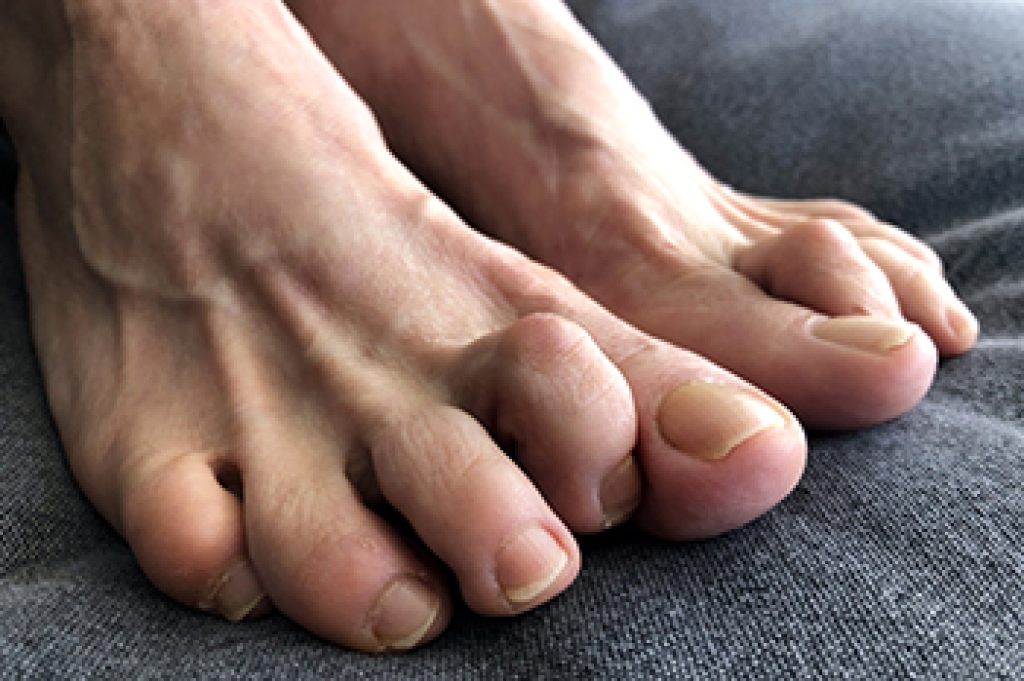
Hammertoe is a deformity in which one or more of the smaller toes bends abnormally at the middle joint, often making it point upward. Hammertoe commonly affects the second toe and may develop from a muscle imbalance, flat arches, or pressure caused by shoes that do not allow enough room for the toes. Symptoms may include a claw-like toe appearance, discomfort in the ball of the foot, and pain when wearing shoes. Corns or calluses that develop from rubbing against the top of a shoe, and difficulty finding shoes that fit can result from a hammertoe. A podiatrist can diagnose hammertoe through a physical examination and may use imaging if joint disease is suspected. In more severe cases where the joint becomes rigid, surgery may be needed to straighten the toe. If you have a toe deformity that is causing pain, it is suggested that you make an appointment with a podiatrist for a diagnosis and treatment.

Hammertoe

Hammertoes can be a painful condition to live with. For more information, contact Steven Black, DPM from California . Our doctor will answer any of your foot- and ankle-related questions.

Hammertoe is a foot deformity that affects the joints of the second, third, fourth, or fifth toes of your feet. It is a painful foot condition in which these toes curl and arch up, which can often lead to pain when wearing footwear.

Symptoms

  • Pain in the affected toes
  • Development of corns or calluses due to friction
  • Inflammation
  • Redness
  • Contracture of the toes

Causes

Genetics – People who are genetically predisposed to hammertoe are often more susceptible

Arthritis – Because arthritis affects the joints in your toes, further deformities stemming from arthritis can occur

Trauma – Direct trauma to the toes could potentially lead to hammertoe

Ill-fitting shoes – Undue pressure on the front of the toes from ill-fitting shoes can potentially lead to the development of hammertoe

Treatment

Orthotics – Custom made inserts can be used to help relieve pressure placed on the toes and therefore relieve some of the pain associated with it

Medications – Oral medications such as anti-inflammatories or NSAIDs could be used to treat the pain and inflammation hammertoes causes. Injections of corticosteroids are also sometimes used

Surgery – In more severe cases where the hammertoes have become more rigid, foot surgery is a potential option

If you have any questions, please feel free to contact our office located in Lancaster, CA . We offer the newest diagnostic and treatment technologies for all your foot care needs.
Read more about What Are Hammertoes?

Ease Painful Feet With Orthotics

Custom orthotics can be used to relieve foot pain and discomfort. They're also used to treat various foot conditions and deformities. Flat feet, bunions, and Morton's neuroma are just a few of the foot conditions that have been known to benefit from the use of orthotics.

Comfy feet are happy feet! Contact us today.

Do Your Feet Grow During Pregnancy?

Pregnancy affects nearly every part of the body, including your feet. Many pregnant women notice their feet changing in size. Studies show increases in length, width and volume during pregnancy. This is often due to hormonal changes that loosen ligaments and cause arches to flatten. Fluid retention can also lead to swelling, making shoes feel tighter or uncomfortable. Symptoms may include aching arches, increased shoe size, swollen ankles, and a general feeling of heaviness or fatigue in the feet, especially later in pregnancy. A podiatrist can provide significant relief during this time. They offer custom orthotics to support fallen arches, advice on proper footwear, and treatment to reduce swelling and pain. Routine care from a podiatrist can prevent long-term foot issues and help maintain mobility and comfort throughout pregnancy. If you are dealing with this condition, it is suggested that you make an appointment with a podiatrist.

Pregnant women with swollen feet can be treated with a variety of different methods that are readily available. For more information about other cures for swollen feet during pregnancy, consult with Steven Black, DPM from California . Our doctor will attend to all of your foot and ankle needs.

What Foot Problems Can Arise During Pregnancy?

One problem that can occur is overpronation, which occurs when the arch of the foot flattens and tends to roll inward.  This can cause pain and discomfort in your heels while you’re walking or even just standing up, trying to support your baby.  

Another problem is edema, or swelling in the extremities. This often affects the feet during pregnancy but tends to occur in the later stages. 

How Can I Keep My Feet Healthy During Pregnancy?

  • Wearing orthotics can provide extra support for the feet and help distribute weight evenly
  • Minimize the amount of time spent walking barefoot
  • Wear shoes with good arch support
  • Wear shoes that allow for good circulation to the feet
  • Elevate feet if you experience swelling
  • Massage your feet
  • Get regular, light exercise, such as walking, to promote blood circulation to the feet

If you have any questions, please feel free to contact our office located in Lancaster, CA . We offer the newest diagnostic and treatment technologies for all your foot care needs.
Read more about Pregnancy and Foot Health

Connect With Us