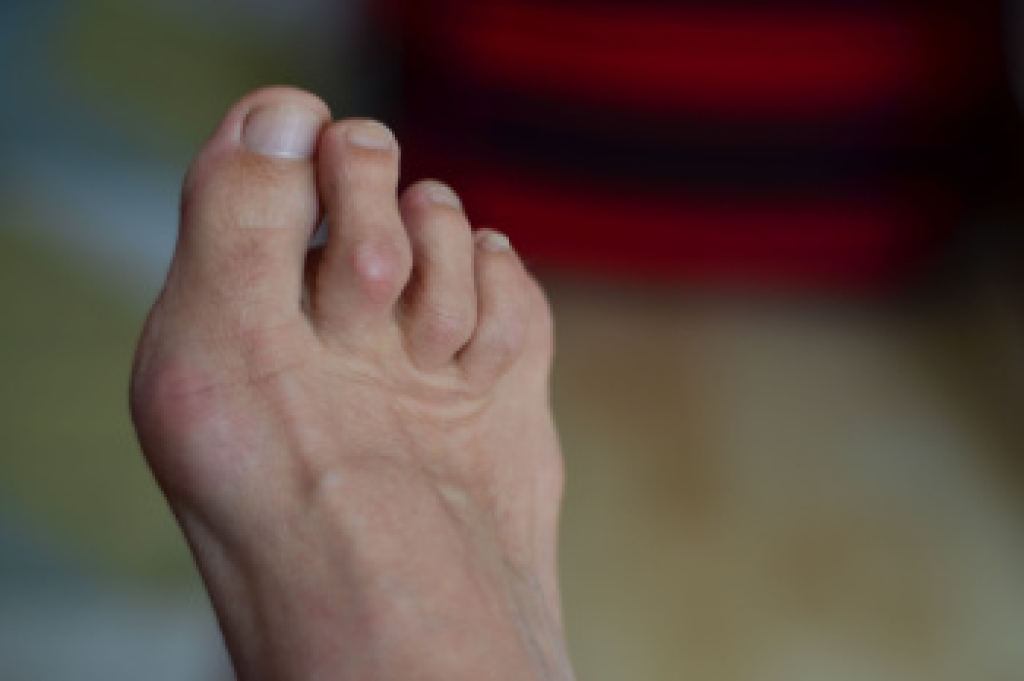
Causes and Treatment of Hammertoe

A hammertoe develops when the middle joint of one of the smaller toes bends downward, often due to muscle and tendon imbalances in the foot. It is commonly linked to wearing high-heeled or narrow shoes. People with long toes, flat feet, bunions, or a family history of foot deformities may also be more likely to have a hammertoe. Early symptoms include discomfort, swelling, and the formation of corns where the toe rubs against footwear. A podiatrist can examine the foot and use imaging tests to determine if the toe is still flexible or has become rigid. For flexible hammertoes, medical treatment may include switching to shoes with a wide toe box or using custom orthotic devices to support the foot and relieve pressure. When the deformity becomes fixed or painful, surgery may be recommended. Procedures to restore alignment include tendon lengthening, tendon transfer, or arthrodesis, which involves removing part of the joint to fuse the bones and straighten the toe. If you experience pain from a hammertoe deformity, it is suggested that you schedule an appointment with a podiatrist for regular treatment.

Hammertoes can be a painful condition to live with. For more information, contact Steven Black, DPM of California . Our doctor will answer any of your foot- and ankle-related questions.

Hammertoe

Hammertoe is a foot deformity that occurs due to an imbalance in the muscles, tendons, or ligaments that normally hold the toe straight. It can be caused by the type of shoes you wear, your foot structure, trauma, and certain disease processes.

Symptoms

  • Painful and/or difficult toe movement
  • Swelling
  • Joint stiffness
  • Calluses/Corns
  • Physical deformity

Risk Factors

  • Age – The risk of hammertoe increases with age
  • Sex – Women are more likely to have hammertoe compared to men
  • Toe Length – You are more likely to develop hammertoe if your second toe is longer than your big toe
  • Certain Diseases – Arthritis and diabetes may make you more likely to develop hammertoe

Treatment

If you have hammertoe, you should change into a more comfortable shoe that provides enough room for your toes. Exercises such as picking up marbles may strengthen and stretch your toe muscles. Nevertheless, it is important to seek assistance from a podiatrist in order to determine the severity of your hammertoe and see which treatment option will work best for you.

If you have any questions, please feel free to contact our office located in Lancaster, CA . We offer the newest diagnostic and treatment technologies for all your foot care needs.

Read more about Hammertoe

Managng Plantar Fasciitis

Plantar fasciitis is one of the most common causes of heel pain, affecting people of all ages. It occurs when the plantar fascia, the thick band of tissue running along the bottom of your foot, becomes inflamed. Causes include overuse, wearing poor footwear, high-impact activities, or having either flat feet or high arches. Symptoms typically include a sharp, stabbing pain in the heel, especially with the first steps in the morning or after long periods of rest. The pain often improves with movement, but may return after standing or walking for long periods of time. A podiatrist can help by diagnosing the condition through a physical exam and imaging. Treatment includes custom orthotics, stretching exercises, a night splint, or anti-inflammatory medication. In some cases, injections, or even surgery, may be recommended to reduce inflammation and promote healing. If you have this condition, it is suggested that you schedule an appointment with a podiatrist for appropriate treatment.

Plantar fasciitis is a common foot condition that is often caused by a strain injury. If you are experiencing heel pain or symptoms of plantar fasciitis, contact Steven Black, DPM from California . Our doctor can provide the care you need to keep you pain-free and on your feet.

What Is Plantar Fasciitis?

Plantar fasciitis is one of the most common causes of heel pain. The plantar fascia is a ligament that connects your heel to the front of your foot. When this ligament becomes inflamed, plantar fasciitis is the result. If you have plantar fasciitis you will have a stabbing pain that usually occurs with your first steps in the morning. As the day progresses and you walk around more, this pain will start to disappear, but it will return after long periods of standing or sitting.

What Causes Plantar Fasciitis?

  • Excessive running
  • Having high arches in your feet
  • Other foot issues such as flat feet
  • Pregnancy (due to the sudden weight gain)
  • Being on your feet very often

There are some risk factors that may make you more likely to develop plantar fasciitis compared to others. The condition most commonly affects adults between the ages of 40 and 60. It also tends to affect people who are obese because the extra pounds result in extra stress being placed on the plantar fascia.

Prevention

  • Take good care of your feet – Wear shoes that have good arch support and heel cushioning.
  • Maintain a healthy weight
  • If you are a runner, alternate running with other sports that won’t cause heel pain

There are a variety of treatment options available for plantar fasciitis along with the pain that accompanies it. Additionally, physical therapy is a very important component in the treatment process. It is important that you meet with your podiatrist to determine which treatment option is best for you.

If you have any questions, please feel free to contact our office located in Lancaster, CA . We offer the newest diagnostic and treatment technologies for all your foot care needs.

 

Read more about Plantar Fasciitis

What to Know About Ankle Sprains

An ankle sprain injury occurs when the ligaments supporting the ankle stretch or tear, typically due to sudden twisting or rolling of the foot. This injury is frequent in sports and physical activities but can also result from uneven surfaces or wearing unsupportive footwear. The most commonly affected ligaments are on the outside of the ankle, which are more vulnerable when the foot rolls inward. Symptoms often include pain, swelling, bruising, and difficulty bearing weight. To diagnose an ankle sprain, a podiatrist will perform a physical examination and assess the range of motion, stability, and tenderness. Imaging studies, such as an X-ray or MRI scan, may be used to rule out fractures or more serious ligament damage. If you have injured your ankle, it is suggested that you promptly contact a podiatrist who can provide an accurate diagnosis and treatment.

Although ankle sprains are common, they aren’t always minor injuries. If you need your ankle injury looked at, contact Steven Black, DPM from California . Our doctor can provide the care you need to keep you pain-free and on your feet.

How Does an Ankle Sprain Occur?

Ankle sprains are the result of a tear in the ligaments within the ankle. These injuries may happen when you make a rapid shifting movement while your foot is planted. A less common way to sprain your ankle is when your ankle rolls inward while your foot turns outward.

What Are the Symptoms?

  • Pain at the sight of the tear
  • Bruising/Swelling
  • Ankle area is tender to touch
  • In severe cases, may hear/feel something tear
  • Skin discoloration

Preventing a Sprain

  • Wearing appropriate shoes for the occasion
  • Stretching before exercises and sports
  • Knowing your limits

Treatment of a Sprain

In many cases, the RICE method (Rest, Ice, Compression, and Elevate) is used to treat ankle sprains. However, you should see a podiatrist to see which treatment option would work best with your injury. In severe cases, surgery may be required.

It is important to ask your doctor about rehab options after you receive treatment for your injury. Stretching, strength training, and balance exercises may help the ankle heal while also preventing further injury.

If you have any questions, please feel free to contact our office located in Lancaster, CA . We offer the newest diagnostic and treatment technologies for all your foot care needs.

Read more about Ankle Sprains

Symptoms and Causes of Poor Circulation in the Feet

Poor circulation in the feet can lead to discomfort and may signal underlying health concerns. Common symptoms include cold feet, tingling, numbness, cramping, or a heavy sensation, especially during walking or rest. The skin may appear pale or bluish, and wounds may heal slowly. These signs often result from reduced blood flow, which limits oxygen and nutrient delivery to the tissues. Causes include peripheral artery disease, where narrowed blood vessels restrict circulation, and diabetes, which can damage blood vessels over time. Other contributing factors are smoking, obesity, and a sedentary lifestyle. Poor circulation can also stem from blood clots or nerve conditions. If you have any of the above symptoms, it is strongly suggested that you visit a podiatrist who can help you to manage this condition.

Poor circulation is a serious condition and needs immediate medical attention. If you have any concerns with poor circulation in your feet contact Steven Black, DPM of California . Our doctor will treat your foot and ankle needs.

Poor Circulation in the Feet

Poor blood circulation in the feet and legs is can be caused by peripheral artery disease (PAD), which is the result of a buildup of plaque in the arteries.

Plaque buildup or atherosclerosis results from excess calcium and cholesterol in the bloodstream. This can restrict the amount of blood which can flow through the arteries. Poor blood circulation in the feet and legs are sometimes caused by inflammation in the blood vessels, known as vasculitis.

Causes

Lack of oxygen and oxygen from poor blood circulation restricts muscle growth and development. It can also cause:

  • Muscle pain, stiffness, or weakness 
  • Numbness or cramping in the legs
  • Skin discoloration
  • Slower nail & hair growth
  • Erectile dysfunction

Those who have diabetes or smoke are at greatest risk for poor circulation, as are those who are over 50. If you have poor circulation in the feet and legs it may be caused by PAD and is important to make changes to your lifestyle in order to reduce risk of getting a heart attack or stroke. Exercise and maintaining a healthy lifestyle will dramatically improve conditions.

As always, see a podiatrist as he or she will assist in finding a regimen that suits you. A podiatrist can also prescribe you any needed medication. 

If you have any questions, please feel free to contact our office located in Lancaster, CA . We offer the newest diagnostic and treatment technologies for all your foot care needs.

Read more about Causes, Symptoms, and Treatment of Poor Blood Circulation in the Feet

Are You Suffering From Ingrown Toenails?

If left untreated, an ingrown toenail can lead to more serious concerns, such as an infection. Knowing proper nail care can help in the prevention of an ingrown toenail. Give us a call, and get treated!

What Your Feet Reveal About Your Health

The condition of the feet can provide important clues about overall health. Poor circulation, often linked to diabetes or vascular disease, may cause cold feet, numbness, or slow-healing wounds. Changes in toenails, such as discoloration or thickening, can indicate fungal infections or underlying medical conditions. The arches of the feet play a role in posture and alignment, and issues such as flat feet or high arches may contribute to joint pain and imbalance. Skin conditions, including dryness, cracks, or unusual rashes, may signal nutritional deficiencies or autoimmune disorders. Persistent foot odor, beyond normal sweating, can suggest bacterial or fungal infections. If you notice any changes to your feet, it is suggested that you visit a podiatrist who can link any of these changes to possible health issues and provide treatment.

When dealing with systemic disease of the feet, it is extremely important to check the affected areas routinely so that any additional problems are caught quickly.  If you have any concerns about your feet and ankles contact Steven Black, DPM from California . Our doctor will assist you with all of your podiatric needs.

Systemic Diseases of the Feet

Systemic diseases affect the whole body, and symptoms usually are displayed in the feet. This condition can make a patient’s ability to walk unbearable.  Systemic diseases include gout, diabetes mellitus, neurological disorders, and arthritis.

Gout – is caused by an excess of uric acid in the body. Common symptoms include pain, inflammation, and redness at the metatarsal/phalangeal joint of the base big toe. Gout can be treated by NSAIDs to relieve pain and inflammation, and other drugs that lower the acid levels in the body.

Diabetes mellitus – is an increase in the level of blood sugar that the body cannot counteract with its own insulin. Failure to produce enough insulin is a factor in Diabetes.

Diabetes of the Feet

Diabetic Neuropathy – may lead to damaged nerves and affect the feet through numbness and loss of sensation.

Peripheral Vascular Disease – can restrict the blood flow to the feet, and often times lead to amputation of the feet. 

If you have any questions please contact our office located in Lancaster, CA . We offer the newest diagnostic and treatment technologies for all your foot and ankle needs.

Read more about Systemic Diseases of the Foot

Flat Feet and High Heels

Wearing high-heeled shoes can be especially challenging for people with flat feet, as the lack of arch support causes increased strain on the toes, arches, and ankles. High heels shift body weight forward, placing excessive pressure on the forefoot and forcing the ankle into an unnatural position. This can contribute to foot fatigue, pain, and an increased risk of bunions, hammertoes, and ankle instability. Without proper arch support, the foot may overpronate, leading to misalignment and additional stress on the lower leg. People with flat feet may also find it more difficult to maintain their balance in high heels, which can increase the likelihood of ankle sprains. A podiatrist can assess your foot mechanics and recommend custom orthotics or shoe modifications to improve comfort and stability. In cases where conservative approaches do not relieve pain, surgery may be considered to address structural concerns. If you have flat feet and experience pain wearing high heeled shoes, it is suggested that you schedule an appointment with a podiatrist for an exam, diagnosis, and treatment options.

High heels have a history of causing foot and ankle problems. If you have any concerns about your feet or ankles, contact Steven Black, DPM from California . Our doctor can provide the care you need to keep you pain-free and on your feet.

Effects of High Heels on the Feet

High heels are popular shoes among women because of their many styles and societal appeal.  Despite this, high heels can still cause many health problems if worn too frequently.

Which Parts of My Body Will Be Affected by High Heels?

  • Ankle Joints
  • Achilles Tendon – May shorten and stiffen with prolonged wear
  • Balls of the Feet
  • Knees – Heels cause the knees to bend constantly, creating stress on them
  • Back – They decrease the spine’s ability to absorb shock, which may lead to back pain.  The vertebrae of the lower back may compress.

What Kinds of Foot Problems Can Develop from Wearing High Heels?

  • Corns
  • Calluses
  • Hammertoe
  • Bunions
  • Morton’s Neuroma
  • Plantar Fasciitis

How Can I Still Wear High Heels and Maintain Foot Health?

If you want to wear high heeled shoes, make sure that you are not wearing them every day, as this will help prevent long term physical problems.  Try wearing thicker heels as opposed to stilettos to distribute weight more evenly across the feet.  Always make sure you are wearing the proper shoes for the right occasion, such as sneakers for exercising.  If you walk to work, try carrying your heels with you and changing into them once you arrive at work.  Adding inserts to your heels can help cushion your feet and absorb shock. Full foot inserts or metatarsal pads are available. 

If you have any questions, please feel free to contact our office located in Lancaster, CA . We offer the newest diagnostic and treatment technologies for all your foot care needs.

Read more about Effect of High Heels on the Feet

How to Manage an Ingrown Toenail

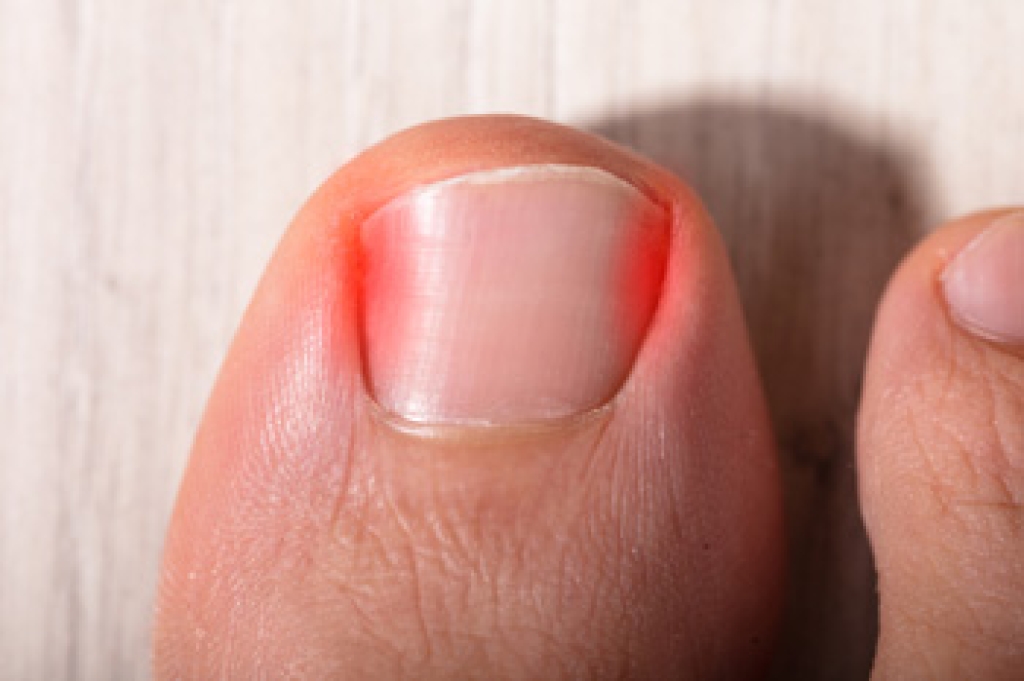
Ingrown toenails occur when the edges of the nail grow into the surrounding skin, causing pain, redness, and swelling. The area may become tender, and in some cases, it can become infected, leading to pus or an increased risk of complications. The primary causes of ingrown toenails include improper nail trimming, wearing tight shoes, or having naturally curved nails. This condition often results in sharp, throbbing pain, especially when pressure is applied, such as while walking or wearing shoes. A podiatrist can help by gently lifting the ingrown nail or, in more severe cases, removing part of the nail. This type of doctor may also recommend methods to prevent recurrence, such as proper nail care and footwear adjustments. If you are experiencing painful ingrown toenails, it is suggested that you schedule an appointment with a podiatrist.

Ingrown toenails can become painful if they are not treated properly. For more information about ingrown toenails, contact Steven Black, DPM of California . Our doctor can provide the care you need to keep you pain-free and on your feet.

Ingrown Toenails

Ingrown toenails occur when a toenail grows sideways into the bed of the nail, causing pain, swelling, and possibly infection.

Causes

  • Bacterial infections
  • Improper nail cutting such as cutting it too short or not straight across
  • Trauma to the toe, such as stubbing, which causes the nail to grow back irregularly
  • Ill-fitting shoes that bunch the toes too close together
  • Genetic predisposition

Prevention

Because ingrown toenails are not something found outside of shoe-wearing cultures, going barefoot as often as possible will decrease the likeliness of developing ingrown toenails. Wearing proper fitting shoes and using proper cutting techniques will also help decrease your risk of developing ingrown toenails.

Treatment

Ingrown toenails are a very treatable foot condition. In minor cases, soaking the affected area in salt or antibacterial soaps will not only help with the ingrown nail itself, but also help prevent any infections from occurring. In more severe cases, surgery is an option. In either case, speaking to your podiatrist about this condition will help you get a better understanding of specific treatment options that are right for you.

If you have any questions, please feel free to contact our office located in Lancaster, CA . We offer the newest diagnostic and treatment technologies for all your foot care needs.
Read more about Ingrown Toenails

When Arthritis Targets Your Toes

Arthritis in the toes can feel like a deep, aching pain that worsens with movement. Stiffness, swelling, and tenderness are common, making it difficult to walk or wear certain shoes. Some people notice a grinding sensation as the cartilage wears down, while others experience redness and warmth surrounding the joints. Over time, deformities like bunions or clawed toes may develop. This condition happens when the protective cartilage in the toe joints deteriorates, leading to bone-on-bone friction. Osteoarthritis is the most common type, often linked to aging, past injuries, or genetics. Rheumatoid arthritis, an autoimmune disease, can also cause painful inflammation in the toes. Anyone can develop arthritis, but it is more common in older adults, athletes, and those with a family history. If toe pain is limiting your mobility, it is suggested that you see a podiatrist who can provide an accurate diagnosis and treatment.

Toe pain can disrupt your daily activities. If you have any concerns, contact Steven Black, DPM of California . Our doctor can provide the care you need to keep you pain-free and on your feet.

What Causes Toe Pain?

Most severe toe pain is caused due to a sports injury, trauma from dropping something heavy on the toe, or bumping into something rigid. Other problems can develop over time for various reasons.

Toe pain can be caused by one or more ailments. The most common include:

  • Trauma
  • Sports injury
  • Wearing shoes that are too tight
  • Arthritis
  • Gout
  • Corns and calluses
  • Hammertoe
  • Bunions
  • Blisters
  • Ingrown toenails
  • Sprains
  • Fractures (broken bones)
  • Dislocations

When to See a Podiatrist

  • Severe pain
  • Persistent pain that lasts more than a week
  • Signs of infection
  • Continued swelling
  • Pain that prevents walking

Diagnosis

In many cases the cause of toe pain is obvious, but in others, a podiatrist may want to use more advanced methods to determine the problem. These can range from simple visual inspections and sensation tests to X-rays and MRI scans. Prior medical history, family medical history, and any recent physical traumatic events will all be taken into consideration for a proper diagnosis.

Treatment

Treatments for toe pain and injuries vary and may include shoe inserts, padding, taping, medicines, injections, and in some cases, surgery. If you believe that you have broken a toe, please see a podiatrist as soon as possible.

If you have any questions please contact our office located in Lancaster, CA . We offer the newest diagnostic and treatment technologies for all your foot and ankle needs.

Read more about Toe Pain

Why Live with Pain and Numbness in Your Feet?

Suffering from this type of pain? You may have the foot condition known as Morton's neuroma. Morton's neuroma may develop as a result of ill-fitting footwear and existing foot deformities. We can help.

Connect With Us