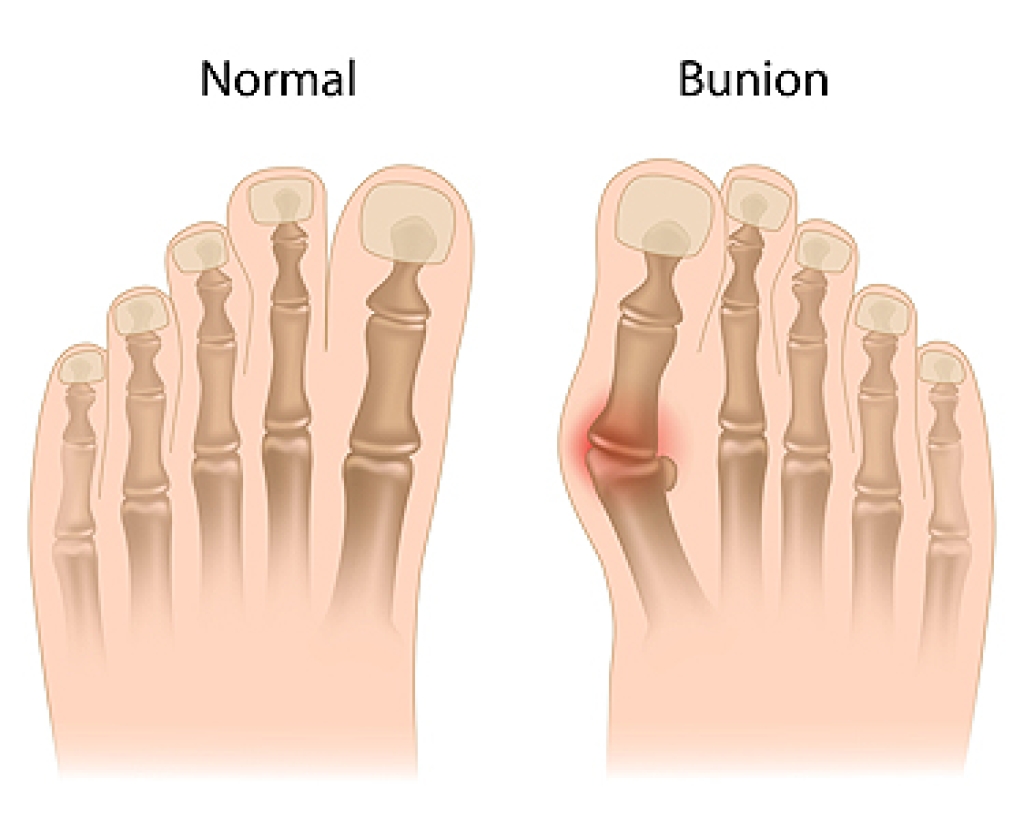
Various Types of Bunions and Different Treatments

Bunions may appear in several ways, each with its own challenges. Some are mild and cause only slight irritation, while others are moderate and with them, the big toe is pushed inward. Severe bunions can create significant pain and limit daily activities. A bunionette, also known as a tailor’s bunion, forms on the outside of the foot near the little toe. Juvenile bunions often develop in younger people and are usually linked to inherited foot structure. Treatment options vary depending on how advanced the bunion is. Simple changes such as wearing wider shoes, applying padding, or using custom orthotics can relieve pressure. More serious bunions may require surgery to correct the alignment and ease discomfort. If you notice a bunion is starting to affect your comfort or mobility, it is suggested that you see a podiatrist who can provide the right diagnosis and treatment plan.

If you are suffering from bunion pain, contact Steven Black, DPM of California . Our doctor can provide the care you need to keep you pain-free and on your feet.

What Is a Bunion?

Bunions are painful bony bumps that usually develop on the inside of the foot at the joint of the big toe. As the deformity increases over time, it may become painful to walk and wear shoes. Women are more likely to exacerbate existing bunions since they often wear tight, narrow shoes that shift their toes together. Bunion pain can be relieved by wearing wider shoes with enough room for the toes.

Causes

  • Genetics – some people inherit feet that are more prone to bunion development
  • Inflammatory Conditions - rheumatoid arthritis and polio may cause bunion development

Symptoms

  • Redness and inflammation
  • Pain and tenderness
  • Callus or corns on the bump
  • Restricted motion in the big toe

In order to diagnose your bunion, your podiatrist may ask about your medical history, symptoms, and general health. Your doctor might also order an x-ray to take a closer look at your feet. Nonsurgical treatment options include orthotics, padding, icing, changes in footwear, and medication. If nonsurgical treatments don’t alleviate your bunion pain, surgery may be necessary.

If you have any questions, please feel free to contact our office located in Lancaster, CA . We offer the newest diagnostic and treatment technologies for all your foot care needs.


Read more about What Are Bunions?

Walking Pattern Changes After an Ankle Fracture

An ankle fracture can leave lasting effects on the way a person walks, even after the bone has healed. Limited joint movement, lingering stiffness, and changes in muscle strength may cause the body to adapt in ways that alter natural stride patterns. Some individuals shorten their steps, place less weight on the injured side, or roll the foot differently to avoid discomfort. These adjustments can strain other joints, such as the knees, hips, and lower back, over time. Restoring a balanced gait often involves targeted exercises to improve flexibility, rebuild strength, and retrain walking mechanics. Wearing supportive footwear or orthotics may also help distribute pressure more evenly across the foot. Addressing gait changes early can prevent secondary problems and improve long-term mobility. If walking feels awkward or uncomfortable after an ankle fracture, it is suggested that you see a podiatrist for evaluation and guidance.

Broken ankles need immediate treatment. If you are seeking treatment, contact Steven Black, DPM from California . Our doctor can provide the care you need to keep you pain-free and on your feet. 

Broken Ankles
A broken ankle is experienced when a person fractures their tibia or fibula in the lower leg and ankle area. Both of these bones are attached at the bottom of the leg and combine to form what we know to be our ankle.

When a physician is referring to a break of the ankle, he or she is usually referring to a break in the area where the tibia and fibula are joined to create our ankle joint. Ankles are more prone to fractures because the ankle is an area that suffers a lot of pressure and stress. There are some obvious signs when a person experiences a fractured ankle, and the following symptoms may be present.

Symptoms of a Fractured Ankle

  • Excessive pain when the area is touched or when any pressure is placed on the ankle
  • Swelling around the area
  • Bruising of the area
  • Area appears to be deformed

If you suspect an ankle fracture, it is recommended to seek treatment as soon as possible. The sooner you have your podiatrist diagnose the fracture, the quicker you’ll be on the way towards recovery.

If you have any questions, please feel free to contact our office located in Lancaster, CA . We offer the newest diagnostic and treatment technologies for all your foot care needs.
Read more about All About Broken Ankles

Common Injuries From Playing Pickleball

Pickleball can place significant strain on the feet and ankles due to the frequent pivoting, jumping, and quick side-to-side movements involved in the game. Ankle sprains are a common pickleball injury, occurring when the foot rolls awkwardly and stretches or tears the ligaments. Repeated strain from quick movements can also lead to Achilles tendonitis, which causes pain and stiffness in the tendon that connects the heel to the calf. Heel pain from plantar fasciitis is another frequent problem, often linked to playing on hard surfaces or wearing shoes that lack adequate support.  A podiatrist can help by identifying the specific cause of foot or ankle pain and providing the necessary treatment to promote healing and reduce the risk of further injury. If you have a foot or ankle injury from playing pickleball, it is suggested that you schedule an appointment with a podiatrist for an exam and appropriate treatment options.

Sports related foot and ankle injuries require proper treatment before players can go back to their regular routines. For more information, contact Steven Black, DPM of California . Our doctor can provide the care you need to keep you pain-free and on your feet.

Sports Related Foot and Ankle Injuries

Foot and ankle injuries are a common occurrence when it comes to athletes of any sport. While many athletes dismiss the initial aches and pains, the truth is that ignoring potential foot and ankle injuries can lead to serious problems. As athletes continue to place pressure and strain the area further, a mild injury can turn into something as serious as a rupture and may lead to a permanent disability. There are many factors that contribute to sports related foot and ankle injuries, which include failure to warm up properly, not providing support or wearing bad footwear. Common injuries and conditions athletes face, including:

  • Plantar Fasciitis
  • Achilles Tendinitis
  • Achilles Tendon Rupture
  • Ankle Sprains

Sports related injuries are commonly treated using the RICE method. This includes rest, applying ice to the injured area, compression and elevating the ankle. More serious sprains and injuries may require surgery, which could include arthroscopic and reconstructive surgery. Rehabilitation and therapy may also be required in order to get any recovering athlete to become fully functional again. Any unusual aches and pains an athlete sustains must be evaluated by a licensed, reputable medical professional.

If you have any questions please contact our office located in Lancaster, CA . We offer the newest diagnostic and treatment technologies for all your foot and ankle needs.

Read more about Sports Related Foot And Ankle Injuries

What to Know About Toenail Surgery

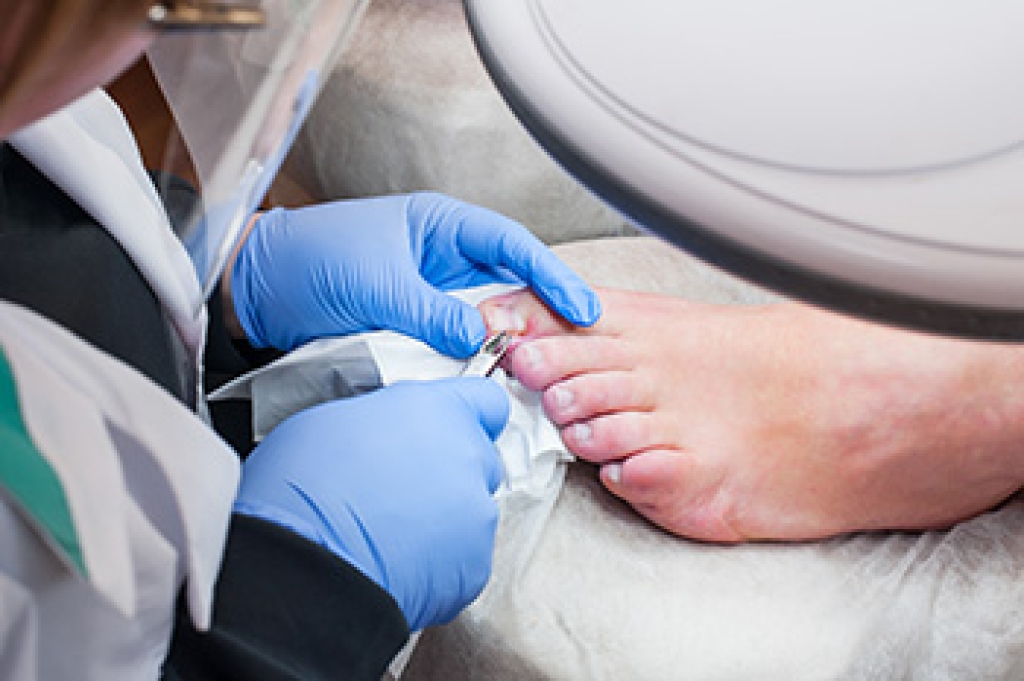
Toenail surgery is used when conditions like ingrown, thickened, or curved toenails do not improve with routine care. A podiatrist may remove part or all of the toenail to relieve pain and reduce the chance of infection. A chemical is often applied to the nail bed to prevent regrowth of the problem area. The procedure is done under local anesthetic, which numbs the toe, and typically there are no skin incisions or stitches that are involved. After the surgery, a large dressing is applied, and patients are usually able to walk in open-toed sandals or flip-flops. Healing times vary, but most people recover within three months depending on how much of the nail is removed. Risk factors include infection, delayed healing, or nail regrowth. A podiatrist will monitor your recovery and provide dressing instructions to help ensure proper healing. If you have painful or problematic toenails, it is suggested that you schedule an appointment with a podiatrist for an exam and appropriate treatment, which may include surgery.

Foot surgery is sometimes necessary to treat a foot ailment. To learn more, contact Steven Black, DPM of California . Our doctor will assist you with all of your foot and ankle needs.

When Is Surgery Necessary?

Foot and ankle surgery is generally reserved for cases in which less invasive, conservative procedures have failed to alleviate the problem. Some of the cases in which surgery may be necessary include:

  • Removing foot deformities like bunions and bone spurs
  • Severe arthritis that has caused bone issues
  • Cosmetic reconstruction

What Types of Surgery Are There?

The type of surgery you receive will depend on the nature of the problem you have. Some of the possible surgeries include:

  • Bunionectomy for painful bunions
  • Surgical fusion for realignment of bones
  • Neuropathy decompression surgery to treat nerve damage

Benefits of Surgery

Although surgery is usually a last resort, it can provide more complete pain relief compared to non-surgical methods and may allow you to finally resume full activity.

Surgical techniques have also become increasingly sophisticated. Techniques like endoscopic surgery allow for smaller incisions and faster recovery times.

If you have any questions, please feel free to contact our office located in Lancaster, CA . We offer the newest diagnostic and treatment technologies for all your foot care needs.

Read more about Foot Surgery

Connect With Us