Can Pins and Needles Occur From PAD?

Peripheral artery disease (PAD) can cause numbness and a pins and needles sensation in the feet. This happens as a result of arteries that have become blocked, and it can be common among diabetic patients. Additional symptoms can include foot wounds that will not heal, poor toenail growth, and the feet may feel cold. People who enjoy working out may find the pain gradually diminished after exercises are completed, and this can be because of increased blood flow to the muscles. PAD is diagnosed by performing a test that is known as an ankle-brachial index (ABI). This is an effective method for comparing the blood pressure in the arms to the blood pressure in the legs. There may be more testing that is required if the results are abnormal. Additionally, many patients are unaware they may have PAD and may easily be mistaken for arthritis. If you have any of the symptoms mentioned, it is advised that you consult with a podiatrist who can diagnose PAD and offer various treatment techniques. 

Peripheral artery disease can pose a serious risk to your health. It can increase the risk of stroke and heart attack. If you have symptoms of peripheral artery disease, consult with Steven Black, DPM from California . Our doctor will assess your condition and provide you with quality foot and ankle treatment.

Peripheral artery disease (PAD) is when arteries are constricted due to plaque (fatty deposits) build-up. This results in less blood flow to the legs and other extremities. The main cause of PAD is atherosclerosis, in which plaque builds up in the arteries.

Symptoms

Symptoms of PAD include:

  • Claudication (leg pain from walking)
  • Numbness in legs
  • Decrease in growth of leg hair and toenails
  • Paleness of the skin
  • Erectile dysfunction
  • Sores and wounds on legs and feet that won’t heal
  • Coldness in one leg

It is important to note that a majority of individuals never show any symptoms of PAD.

Diagnosis

While PAD occurs in the legs and arteries, Podiatrists can diagnose PAD. Podiatrists utilize a test called an ankle-brachial index (ABI). An ABI test compares blood pressure in your arm to you ankle to see if any abnormality occurs. Ultrasound and imaging devices may also be used.

Treatment

Fortunately, lifestyle changes such as maintaining a healthy diet, exercising, managing cholesterol and blood sugar levels, and quitting smoking, can all treat PAD. Medications that prevent clots from occurring can be prescribed. Finally, in some cases, surgery may be recommended.

If you have any questions, please feel free to contact our office located in Lancaster, CA . We offer the newest diagnostic and treatment technologies for all your foot care needs.
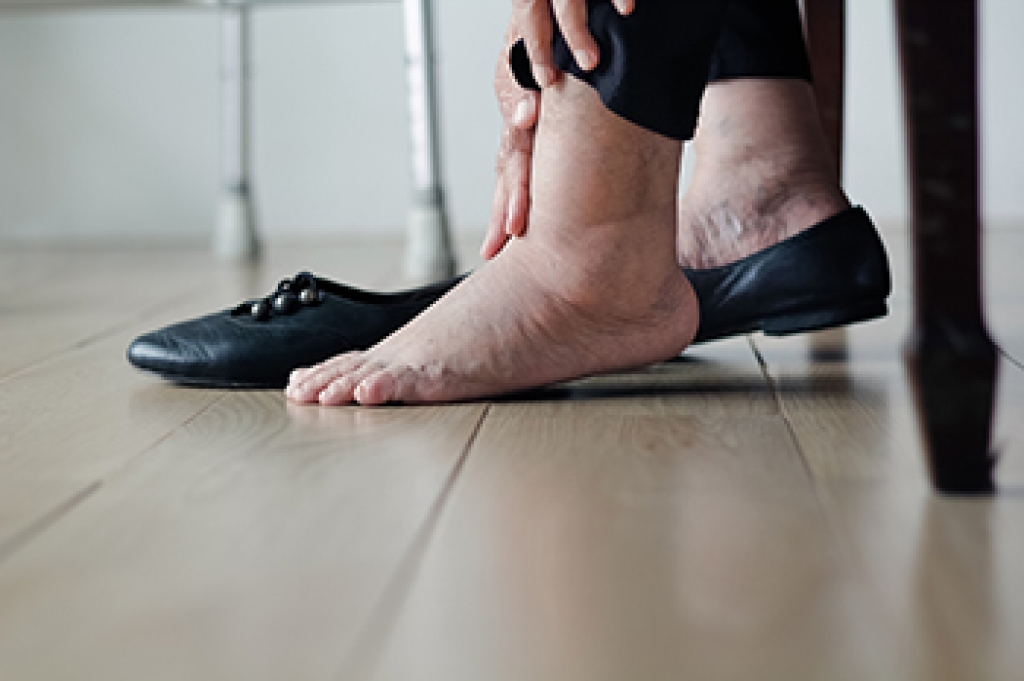
Read more about Peripheral Artery Disease

Foot Taping May Provide Relief from Painful Plantar Fasciitis

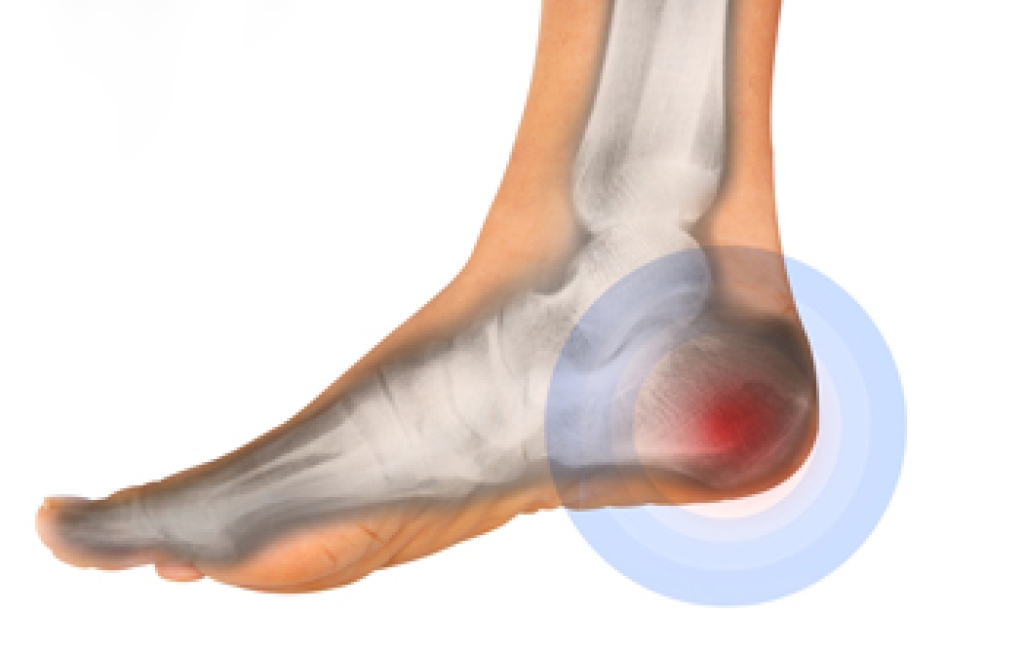
Plantar fasciitis is a form of heel pain that is quite common. It occurs when the plantar fascia tissue that connects the heel with the toes becomes damaged and sometimes torn through overuse. Plantar fasciitis causes pain and swelling in the tissue, which is worse in the morning, because the plantar fascia tissue tightens while you are sleeping. A podiatrist deals with cases of plantar fasciitis every day and has many forms of treatments to alleviate the painful symptoms of this condition. Your podiatrist may tape your foot with a rigid adhesive sports strapping tape to reduce the stretch and strain on your plantar fascia. Foot taping is a very safe treatment method, which sometimes may provide immediate relief. If you have heel pain, get your condition diagnosed by a podiatrist and discuss whether foot taping might be an appropriate treatment method.

Plantar fasciitis can be very painful and inconvenient. If you are experiencing heel pain or symptoms of plantar fasciitis, contact Steven Black, DPM  from California . Our doctor can provide the care you need to keep you pain-free and on your feet.

What Is Plantar Fasciitis?

Plantar fasciitis is the inflammation of the thick band of tissue that runs along the bottom of your foot, known as the plantar fascia, and causes mild to severe heel pain.

What Causes Plantar Fasciitis?

  • Excessive running
  • Non-supportive shoes
  • Overpronation
  • Repeated stretching and tearing of the plantar fascia

How Can It Be Treated?

  • Conservative measures – anti-inflammatories, ice packs, stretching exercises, physical therapy, orthotic devices
  • Shockwave therapy – sound waves are sent to the affected area to facilitate healing and are usually used for chronic cases of plantar fasciitis
  • Surgery – usually only used as a last resort when all else fails. The plantar fascia can be surgically detached from the heel

While very treatable, plantar fasciitis is definitely not something that should be ignored. Especially in severe cases, speaking to your doctor right away is highly recommended to avoid complications and severe heel pain. Your podiatrist can work with you to provide the appropriate treatment options tailored to your condition.

If you have any questions, please feel free to contact our office located in Lancaster, CA . We offer the newest diagnostic and treatment technologies for all your foot care needs.

Read more about Plantar Fasciitis

Many Reasons for Swollen Feet

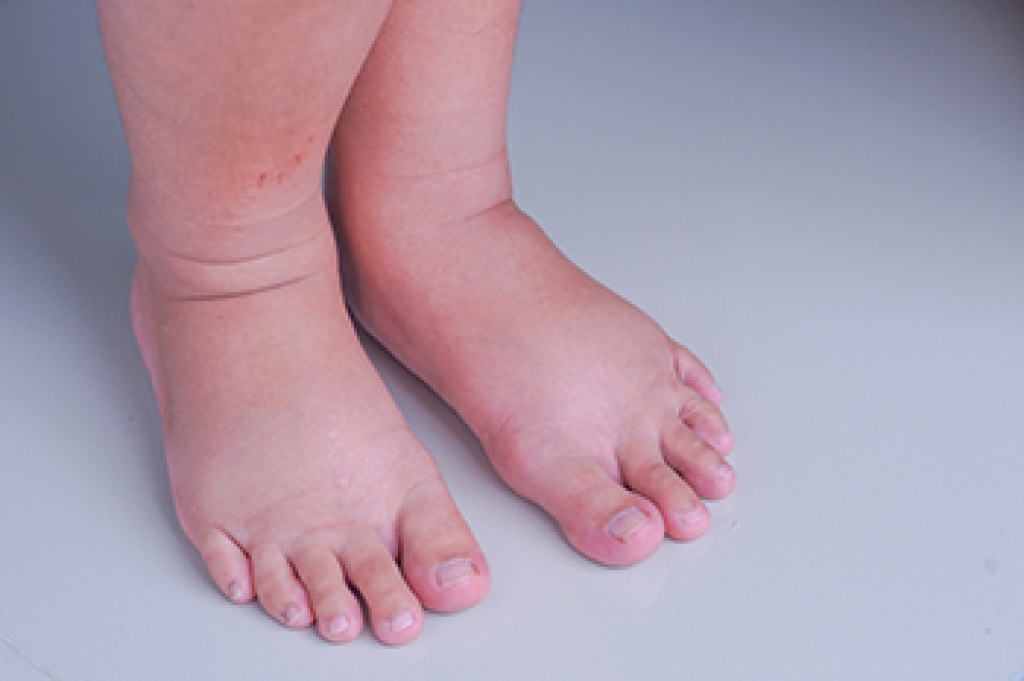
People who have swollen feet and ankles are generally aware of how uncomfortable they can be. There are various reasons why this can occur, including eating foods that have high levels of sodium, and taking certain medications. Additionally, pregnant women and people who are overweight may notice their feet are swollen, or it may happen as an allergic reaction from an insect bite. Mild relief can be found when salt intake is reduced in the diet, starting a gentle exercise routine, and frequently elevating the feet. It is beneficial to refrain from sitting or standing for long periods of time, in addition to wearing socks and shoes that are too tight. It can help to wear shoes that fit properly, and have a low heel and soft sole. Shiny skin on the feet can be a sign of edema, which is the medical term for swollen feet. Some people may experience a skin color change on their feet, and this may be a symptom of edema. If you have this condition, and you fail to find relief with the above suggestions, please consult with a podiatrist who can provide an examination and conclude with a proper diagnosis and treatment.

Swollen feet can be a sign of an underlying condition. If you have any concerns, contact Steven Black, DPM of California . Our doctor can provide the care you need to keep you pain-free and on your feet.

Swollen feet are a common ailment among pregnant women and people who stand or sit for extended periods. Aging may increase the possibility of swollen feet and patients who are obese often notice when their feet are swelling too. There may be medical reasons why swollen feet occur:

  • Phlebitis - A condition that causes the veins to become inflamed and can also cause leg pain.
  • Liver disease - This may lead to low blood levels of albumin which is a protein. This can cause fluid in the blood to pass into the tissues and several areas of the body can become swollen.
  • Heart failure - When the heart doesn’t pump properly the blood that is normally pumped back to the heart can pool in the veins of the legs causing swollen feet.
  • Kidney disease - One of the main functions of the kidneys is releasing excess fluid in the body. This type of condition can make it difficult for the kidneys to function properly, and as a result the feet may become swollen.
  • Deep-vein thrombosis (DVT)- This is a serious condition where blood clots form in the veins of the legs. They can block the return of blood from the legs to the heart which may cause the feet to swell. It is important to be treated by a podiatrist if this condition is present.

Swollen feet can also be caused by bone and tendon conditions, including fractures, arthritis, and tendinitis. Additionally, there may be skin and toenail conditions and an infection may cause the feet to swell. Patients who take medicine to treat high blood pressure may be prone to getting swollen feet. 

Many patients elevate their feet to help relieve the swelling and this is generally a temporary remedy. When a podiatrist is consulted the reason behind the swelling can be uncovered and subsequently treated.

If you have any questions please contact our office located in Lancaster, CA . We offer the newest diagnostic and treatment technologies for all your foot and ankle needs.

Read more about Swelling of the Feet

Figure and Ice Skating Foot Injuries

Ice skating requires balance, flexibility, strength, and power. In the 1990s, patterns that generated shapes like circles and figure eights were replaced with more physically demanding jumps and spins. As expected, skating can stress the muscles, bones, and joints of the feet and ankles. Injuries in skating often happen from falls. A skater’s feet are tightly bound in leather or synthetic composite boots so the feet and ankles bear the brunt of various motions performed. Problems can arise from repetitive stretching of the Achilles tendon, located at the heel of the foot, and a skater can get Achilles tendinopathy, tendonitis in the ankle, plantar fasciitis, bunions, calluses, hammertoes, or other foot and ankle problems. Skaters should warm up and stretch before skating to loosen stiff muscles and wear properly fitting boots. If you are a skater and have sports-related pain in your feet or ankles that is not relieved with rest, see a podiatrist for proper diagnosis and treatment.

Ankle and foot injuries are common among athletes and in many sports. They can be caused by several problems and may be potentially serious. If you are feeling pain or think you were injured in a sporting event or when exercising, consult with Steven Black, DPM from California . Our doctor will assess your condition and provide you with quality foot and ankle treatment.

Common Injuries

The most common injuries that occur in sporting activities include:

  • Achilles Tendonitis
  • Achilles Tendon Rupture
  • Ankle Sprains
  • Broken Foot
  • Plantar Fasciitis
  • Stress Fractures
  • Turf Toe

Symptoms

Symptoms vary depending upon the injury and in some cases, there may be no symptoms at all. However, in most cases, some form of symptom is experienced. Pain, aching, burning, bruising, tenderness, tightness or stiffness, sensation loss, difficulty moving, and swelling are the most common symptoms.

Treatment

Just as symptoms vary depending upon the injury, so do treatment options. A common treatment method is known as the RICE method. This method involves rest, applying ice, compression and elevating the afflicted foot or ankle. If the injury appears to be more serious, surgery might be required, such as arthroscopic or reconstructive surgery. Lastly, rehabilitation or therapy might be needed to gain full functionality in the afflicted area. Any discomfort experienced by an athlete must be evaluated by a licensed, reputable medical professional.  

If you have any questions please contact our office located in Lancaster, CA . We offer the newest diagnostic and treatment technologies for all your foot and ankle needs.

Read more about Sports Related Foot and Ankle Injuries

We Can Treat Your Foot or Ankle Pain

Foot or ankle pain can negatively affect your day-to-day life and can occur due to several different conditions. Pain can also be an indicator of a more serious underlying condition, which is why you should seek professional help as soon as you notice any abnormalities in your feet.

Runners and Blisters

People who enjoy running are often familiar with blisters. Patients who get them often can generally feel when they are developing blisters and may wear running socks to prevent them. Blisters come from wearing shoes and socks that can cause excess friction and develop as the body’s natural defense to heal damaged skin. It is defined as a small area that resembles a bubble that is filled with fluid, and it immediately forms over the damaged skin. When new skin has formed, the blister will gradually drain as it is no longer needed. There may be existing medical reasons why people get blisters including eczema and psoriasis, in addition to having overly dry skin. A bunion may be the cause of blisters forming on the feet and this often happens from wearing shoes that are too tight. It is beneficial for people who run to gradually build up the skin on their feet as this may lead to getting blisters less often. If you frequently get blisters on your feet and would like to know more information about treatment and prevention, please confer with a podiatrist. 

Blisters are prone to making everyday activities extremely uncomfortable. If your feet are hurting, contact Steven Black, DPM of California . Our doctor can provide the care you need to keep you pain-free and on your feet.

Foot Blisters

Foot blisters develop as a result of constantly wearing tight or ill-fitting footwear. This happens due to the constant rubbing from the shoe, which can often lead to pain.

What Are Foot Blisters?

A foot blister is a small fluid-filled pocket that forms on the upper-most layer of the skin. Blisters are filled with clear fluid and can lead to blood drainage or pus if the area becomes infected.

How Do Blisters Form?

Blisters on the feet are often the result of constant friction of skin and material, usually by shoe rubbing. Walking in sandals, boots, or shoes that don’t fit properly for long periods of time can result in a blister. Having consistent foot moisture and humidity can easily lead to blister formation.

Prevention & Treatment

It is important to properly care for the affected area in order to prevent infection and ease the pain. Do not lance the blister and use a Band-Aid to provide pain relief. Also, be sure to keep your feet dry and wear proper fitting shoes. If you see blood or pus in a blister, seek assistance from a podiatrist.

If you have any questions, please feel free to contact our office located in Lancaster, CA . We offer the newest diagnostic and treatment technologies for all your foot care needs.

Read more about Blisters on the Feet

What Causes Clammy Feet?

Most people experience sweaty feet from time to time, but excessive sweat under the feet can be a sign of plantar hyperhidrosis. Sweating is a part of our body’s way of cooling itself off and managing body temperature. Our feet have more sweat organs per inch than any other place in the body, and they can produce as much as half a quart of sweat per day. When it comes to controlling clammy feet, there are some things you can do for yourself and some things that might need medical attention. Cleanliness, shoes, socks, diet, and anxiety can influence how much your feet sweat. Hyperhidrosis is more common in men than women and in youth than grown-ups. If one has over the top sweating on their feet, it is likely that this happens to their palms as well. Feet that sweat too much may slip around inside of shoes. The feet might also have a whitish, wet appearance, and they may smell. These conditions are conducive to foot diseases, like a fungus. Adolescents are particularly sensitive about this ailment and the related foot odor at their age. To prevent sweaty feet, one should wash their feet regularly, dry them well, apply a moisturizer, and consider using antifungal powder or antiperspirant. Shoes should be rotated between use so that any moisture can dry out. Wearing shoes that are made of breathable material and fit well are imperative. Socks that wick moisture (cotton in warmer months and fleece or wool in cooler months) from the foot should be worn as well. Keep well hydrated. If regular foot care does not control your clammy feet, consult with a podiatrist who can provide additional suggestions for how to prevent and treat this annoying condition.

If you are suffering from hyperhidrosis contact Steven Black, DPM of California . Our doctor can provide the care you need to attend to all of your foot and ankle needs.

Hyperhidrosis of the Feet

Hyperhidrosis is a rare disorder that can cause people to have excessive sweating of their feet. This can usually occur all on its own without rigorous activity involved. People who suffer from hyperhidrosis may also experience sweaty palms.

Although it is said that sweating is a healthy process meant to cool down the body temperature and to maintain a proper internal temperature, hyperhidrosis may prove to be a huge hindrance on a person’s everyday life.

Plantar hyperhidrosis is considered to be the main form of hyperhidrosis. Secondary hyperhidrosis can refer to sweating that occurs in areas other than the feet or hands and armpits. Often this may be a sign of it being related to another medical condition such as menopause, hyperthyroidism and even Parkinson’s disease.

In order to alleviate this condition, it is important to see your doctor so that they may prescribe the necessary medications so that you can begin to live a normal life again. If this is left untreated, it is said that it will persist throughout an individual’s life.

A last resort approach would be surgery, but it is best to speak with your doctor to find out what may be the best treatment for you.

If you have any questions, please feel free to contact our office located in Lancaster, CA . We offer the newest diagnostic and treatment technologies for all your foot care needs.
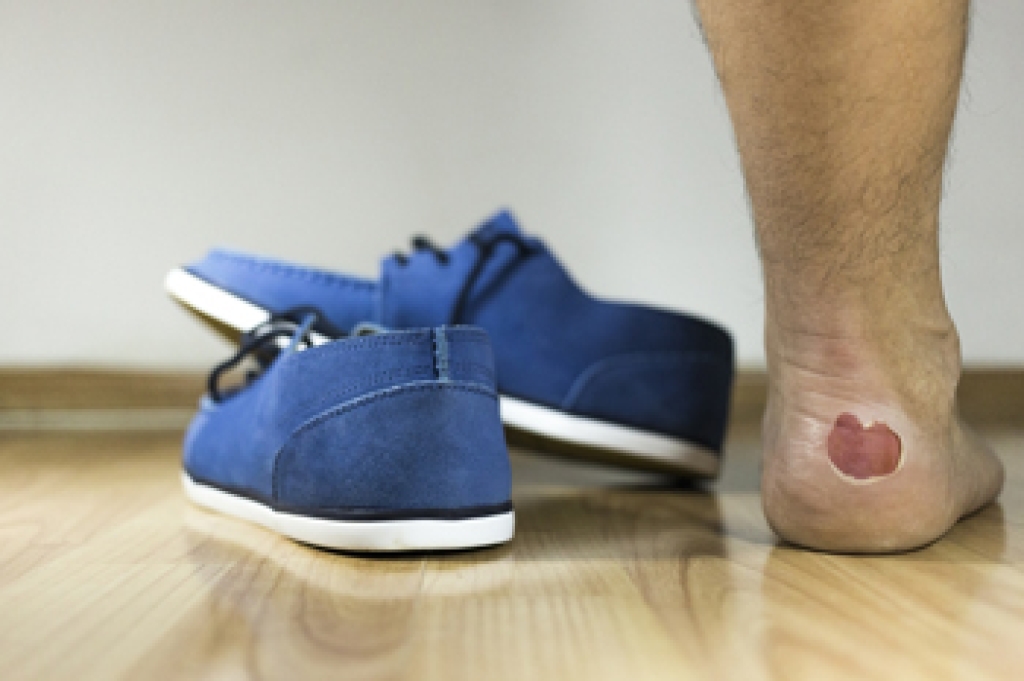
Read more about Hyperhidrosis of the Feet

Out-Toeing or Duck-Footedness in Children

As toddlers are learning to walk, their gait may be characterized as duck-footed, or out-toeing. This happens when they walk with their toes pointing outward rather than forward. In many children, this way of walking is temporary. A child will often outgrow this by age six to eight years of age. However, sometimes it can persist into adolescence, or even adulthood, and can lead to more serious complications. Out-toeing is a type of torsional deformity and usually occurs when one of the leg’s two longest bones (the tibia, located between the knee and ankle, and the femur, located between the hip and knee) turn towards the outside of the leg, causing the foot to jut out. This condition can occur in one or both legs. Most often, the child does not experience pain or discomfort with this condition, and it does not affect their mobility. Parents might see that their kid’s shoes wear out or have more obvious scuff marks on the outer edges of the shoes if the child is duck-footed. Causes of out-toeing include genetics, fetal position of the legs in the uterus prior to birth, the resting position of the legs during infancy, and being flat-footed. Rarer reasons for this condition are congenital bone deformity or a hip condition, called slipped capital femoral epiphysis, that causes the ball at the top of the femur to slip backwards. If you are concerned about your child’s gait or you notice that they are experiencing pain, imbalance, or instability when walking, see a podiatrist who can alleviate your concerns or provide treatment options to consider.

Making sure that your children maintain good foot health is very important as they grow. If you have any questions, contact Steven Black, DPM of California . Our doctor can provide the care you need to keep you pain-free and on your feet.

Keeping Children's Feet Healthy

Having healthy feet during childhood can help prevent medical problems later in life, namely in the back and legs. As children grow, their feet require different types of care. Here are some things to consider...

Although babies do not walk yet, it is still very important to take care of their feet.

Avoid putting tight shoes or socks on his or her feet.

Allow the baby to stretch and kick his or her feet to feel comfortable.

As a toddler, kids are now on the move and begin to develop differently. At this age, toddlers are getting a feel for walking, so don’t be alarmed if your toddler is unsteady or ‘walks funny’. 

As your child gets older, it is important to teach them how to take care of their feet.

Show them proper hygiene to prevent infections such as fungus.

Be watchful for any pain or injury.

Have all injuries checked by a doctor as soon as possible.

Comfortable, protective shoes should always be worn, especially at play.

If you have any questions, please feel free to contact our office located in Lancaster, CA . We offer the newest diagnostic and treatment technologies for all your foot care needs.
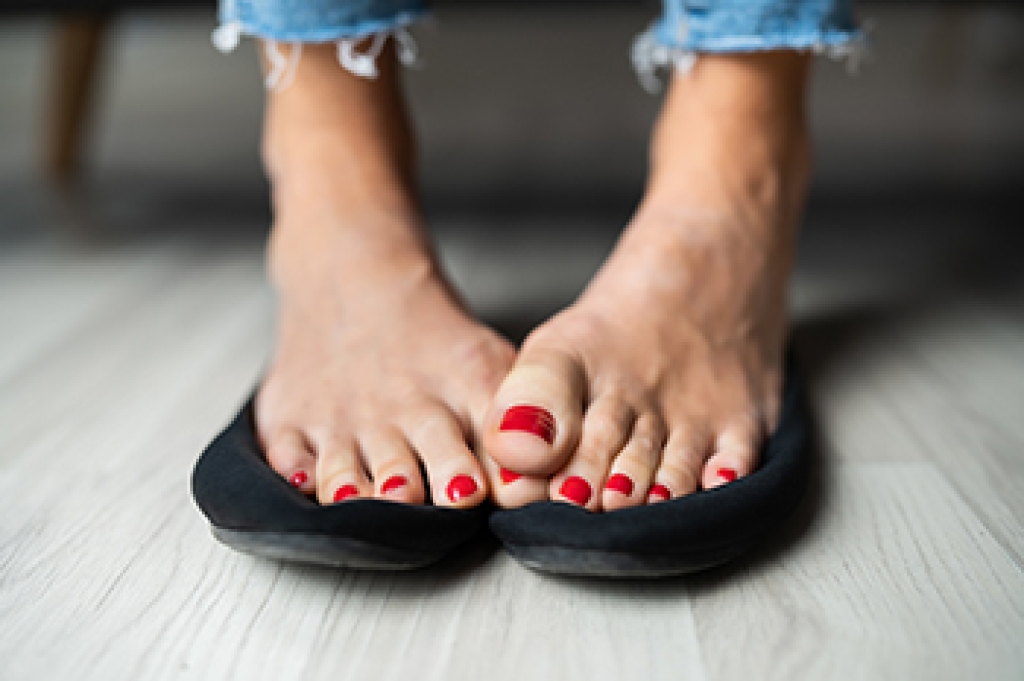
Read more about What to Do to Keep Your Child’s Feet Healthy

Plantar Warts May Be Rough or Smooth

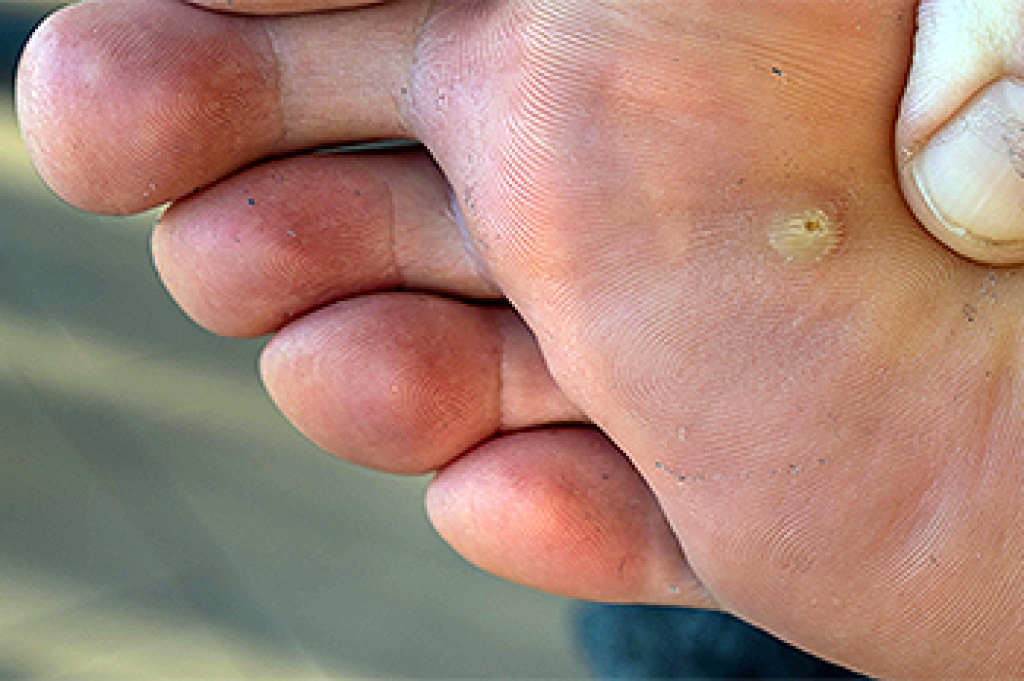
Warts are skin growths and are caused by the human papillomavirus (HPV). It may take several months after coming in contact with the HPV to notice if warts have developed. They are known to be contagious and can spread by sharing towels, socks, or shoes. Plantar warts are located on the bottom of the feet and grow inward as a result of standing and walking all day. A plantar wart can be uncomfortable and can cause severe pain. Most people notice they look like a callus with tiny black dots in the middle, which are blood vessels. In other people, the wart may be smooth and flat. A proper diagnosis can consist of taking a sample of the wart and looking for any bleeding, a large size, or if they are fast-growing. Many warts will gradually disappear, although it is advised that if you have plantar warts you speak with a podiatrist who can properly treat them. 

Plantar warts can be very uncomfortable. If you need your feet checked, contact Steven Black, DPM from California . Our doctor will assist you with all of your foot and ankle needs.

About Plantar Warts

Plantar warts are the result of HPV, or human papillomavirus, getting into open wounds on the feet. They are mostly found on the heels or balls of the feet.

While plantar warts are generally harmless, those experiencing excessive pain or those suffering from diabetes or a compromised immune system require immediate medical care. Plantar warts are easily diagnosed, usually through scraping off a bit of rough skin or by getting a biopsy.

Symptoms

  • Lesions on the bottom of your feet, usually rough and grainy
  • Hard or thick callused spots
  • Wart seeds, which are small clotted blood vessels that look like little black spots
  • Pain, discomfort, or tenderness of your feet when walking or standing

Treatment

  • Freezing
  • Electric tool removal
  • Laser Treatment
  • Topical Creams (prescription only)
  • Over-the-counter medications

To help prevent developing plantar warts, avoid walking barefoot over abrasive surfaces that can cause cuts or wounds for HPV to get into. Avoiding direct contact with other warts, as well as not picking or rubbing existing warts, can help prevent the further spread of plantar warts. However, if you think you have developed plantar warts, speak to your podiatrist. He or she can diagnose the warts on your feet and recommend the appropriate treatment options.

If you have any questions, please feel free to contact our office located in Lancaster, CA . We offer the newest diagnostic and treatment technologies for all your foot care needs.
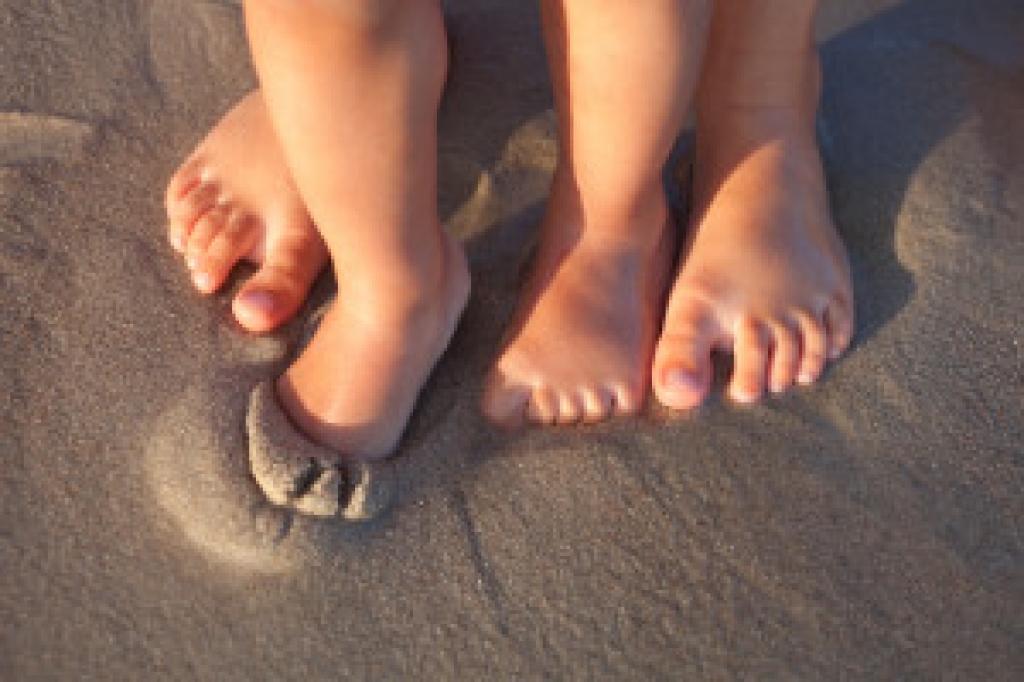
Read more about All About Plantar Warts

Conditions That May Cause Swollen Ankles

Many people use the term “cankle” to describe their swollen calves and ankles, despite the fact that this is not a true medical term. It is the area where the calf and ankle connect and it may be hard to tell the difference between the two. Existing medical conditions may cause the ankles to swell excessively, including congestive heart failure, cellulitis, and pregnant women may experience preeclampsia. Additionally, sitting for extended periods of time may cause the blood to pool in the ankles and the warmer temperatures may cause swollen ankles. Some patients go through hormonal changes or may be taking certain medications that may lead to swollen ankles. When medical issues are ruled out, many people would like to know how swelling can be reduced in the ankles. This can consist of eating foods that have reduced saturated fat and sodium, in addition to increasing exercise. Walking is suggested for patients with ankle swelling as this can help to improve circulation in the legs. If you have swollen feet or ankles, please speak with a podiatrist who can guide you toward proper treatment options.

Swollen feet can be a sign of an underlying condition. If you have any concerns, contact Steven Black, DPM of California . Our doctor can provide the care you need to keep you pain-free and on your feet.

Swollen feet are a common ailment among pregnant women and people who stand or sit for extended periods. Aging may increase the possibility of swollen feet and patients who are obese often notice when their feet are swelling too. There may be medical reasons why swollen feet occur:

  • Phlebitis - A condition that causes the veins to become inflamed and can also cause leg pain.
  • Liver disease - This may lead to low blood levels of albumin which is a protein. This can cause fluid in the blood to pass into the tissues and several areas of the body can become swollen.
  • Heart failure - When the heart doesn’t pump properly the blood that is normally pumped back to the heart can pool in the veins of the legs causing swollen feet.
  • Kidney disease - One of the main functions of the kidneys is releasing excess fluid in the body. This type of condition can make it difficult for the kidneys to function properly, and as a result the feet may become swollen.
  • Deep-vein thrombosis (DVT)- This is a serious condition where blood clots form in the veins of the legs. They can block the return of blood from the legs to the heart which may cause the feet to swell. It is important to be treated by a podiatrist if this condition is present.

Swollen feet can also be caused by bone and tendon conditions, including fractures, arthritis, and tendinitis. Additionally, there may be skin and toenail conditions and an infection may cause the feet to swell. Patients who take medicine to treat high blood pressure may be prone to getting swollen feet. 

Many patients elevate their feet to help relieve the swelling and this is generally a temporary remedy. When a podiatrist is consulted the reason behind the swelling can be uncovered and subsequently treated.

If you have any questions please contact our office located in Lancaster, CA . We offer the newest diagnostic and treatment technologies for all your foot and ankle needs.

Read more about Swelling of the Feet

Connect With Us