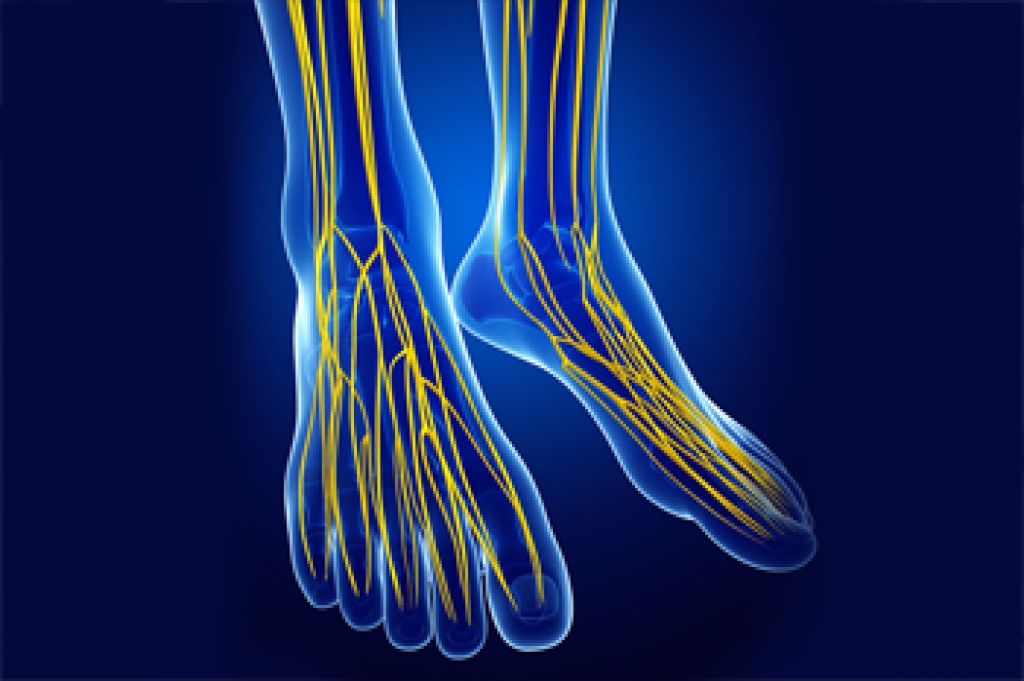
What Is Charcot-Marie-Tooth Disease?

Charcot-Marie-Tooth disease is a rare inherited disorder that affects the peripheral nerves, which are responsible for controlling muscles and relaying sensory information. This condition gradually damages the nerves, often leading to muscle weakness and decreased sensation in the feet and lower legs. People with Charcot-Marie-Tooth may develop high arches, curled toes, and an abnormal gait due to the weakening of foot and leg muscles. Over time, the condition can result in balance issues, foot deformities, and difficulty walking. Symptoms often begin in childhood or early adulthood and  typically progress slowly. While there is no cure, treatment options like custom orthotics and supportive footwear can help manage discomfort and improve mobility for those living with this lifelong condition. If you have this condition, it is suggested that you are under the care of a podiatrist who can help you to manage Charcot-Marie-Tooth disease.

Some foot conditions may require additional professional care. If you have any concerns, contact Steven Black, DPM of California . Our doctor can provide the care you need to keep you pain-free and on your feet.

Rare Foot Conditions

The majority of foot conditions are common and can be treated by a podiatrist.  Standard diagnostic procedures are generally used to identify specific conditions and treatment can be rendered. A podiatrist also treats rare foot conditions which can be difficult to diagnose and may need extra attention and care. 

There are many rare foot conditions that can affect children. Some of these can include:

  • Freiberg’s disease
  • Kohler’s disease
  • Maffucci syndrome

Freiberg’s disease - This can be seen as a deterioration and flattening of a metatarsal bone that exists in the ball of the foot. It typically affects pre-teen and teenage girls, but can affect anyone at any age. Symptoms that can accompany this can be swelling, stiffness, and the patient may limp. 

Kohler’s disease - This often targets the bone in the arch of the foot and affects younger boys. It can lead to an interruption of the blood supply which ultimately can lead to bone deterioration. The patient may limp or experience tenderness, swelling, and redness.

Maffucci syndrome - This affects the long bones in a child’s foot leading to the development of abnormal bone lesions. They are benign growths and typically develop in early childhood and the bones may be susceptible to breaking. 

A podiatrist can properly diagnose and treat all types of rare foot conditions. If your child is affected by any of these symptoms or conditions, please don’t hesitate to call our office so the correct treatment method can begin.

If you have any questions, please feel free to contact our office located in Lancaster, CA . We offer the newest diagnostic and treatment technologies for all your foot care needs.


Read more about Rare Foot Conditions

Conditions Treated by Podiatrists

Podiatry is a branch of medicine focused on diagnosing, treating, and preventing conditions related to the feet, ankles, and lower legs. A podiatrist is a medical specialist trained to manage a wide range of issues affecting this part of the body. These can include common concerns, such as heel pain, bunions, and ingrown toenails, as well as more complex conditions like diabetic foot problems, nerve disorders, and structural deformities. Podiatrists also treat sports injuries, provide guidance on proper footwear, and help manage chronic conditions like arthritis or circulation issues. Their care plays a vital role in improving mobility, relieving pain, and supporting overall health. Regular visits to a podiatrist can help detect problems early and promote long-term foot and ankle wellness. If you have any type of foot pain, it is strongly suggested that you visit a podiatrist who can accurately diagnose and treat various foot conditions.

If you are experiencing pain in the feet or ankles, don’t join the stubborn majority refusing treatment. Feel free to contact Steven Black, DPM from California . Our doctor can provide the care you need to keep you pain-free and on your feet.

What Is a Podiatrist?

Someone would seek the care of a podiatrist if they have suffered a foot injury or have common foot ailments such as heal spurs, bunions, arch problems, deformities, ingrown toenails, corns, foot and ankle problems, etc.

Podiatric Treatment

A podiatrist will treat the problematic areas of the feet, ankle or lower leg by prescribing the following:

  • Physical therapy
  • Drugs
  • Orthotic inserts or soles
  • Surgery on lower extremity fractures

A common podiatric procedure a podiatrist will use is a scanner or force plate which will allow the podiatrist to know the designs of orthotics. Patients are then told to follow a series of tasks to complete the treatment. The computer will scan the foot a see which areas show weight distribution and pressure points. The podiatrist will read the analysis and then determine which treatment plans are available.

If you have any questions, please feel free to contact our office located in Lancaster, CA . We offer the newest diagnostic and treatment technologies for all your foot care needs.
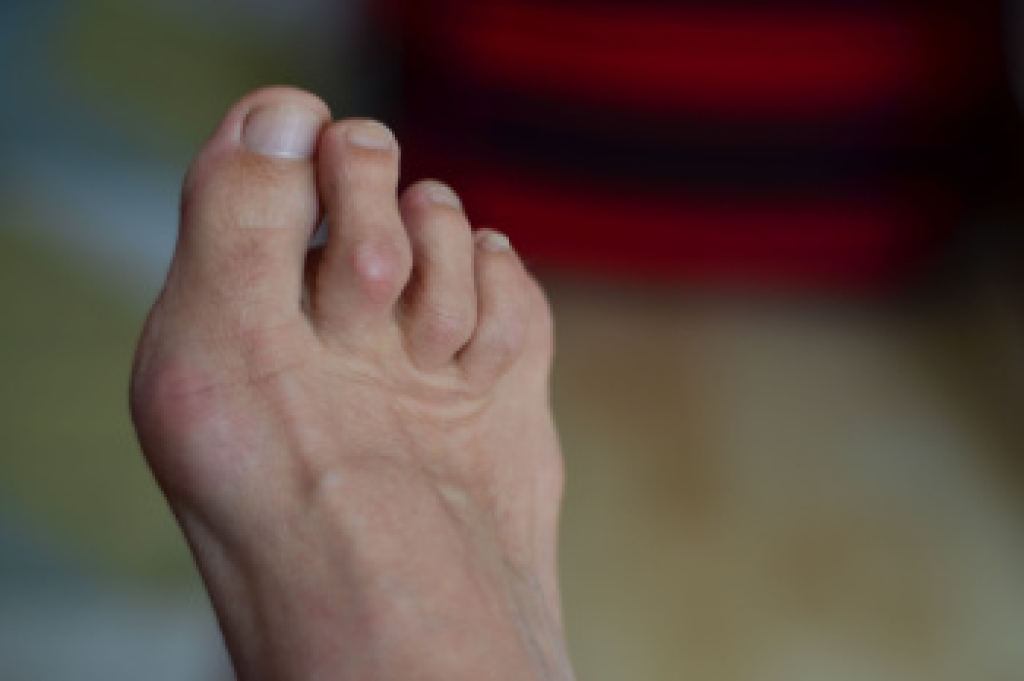
Read more about What is a Podiatrist?

Are Bunions Affecting Your Everyday Life?

Have you noticed a bony protrusion on the side of your big toe? If so, you may have developed the foot condition known as a bunion. Don't let bunions interfere with your daily activities.

Causes and Treatment of Hammertoe

A hammertoe develops when the middle joint of one of the smaller toes bends downward, often due to muscle and tendon imbalances in the foot. It is commonly linked to wearing high-heeled or narrow shoes. People with long toes, flat feet, bunions, or a family history of foot deformities may also be more likely to have a hammertoe. Early symptoms include discomfort, swelling, and the formation of corns where the toe rubs against footwear. A podiatrist can examine the foot and use imaging tests to determine if the toe is still flexible or has become rigid. For flexible hammertoes, medical treatment may include switching to shoes with a wide toe box or using custom orthotic devices to support the foot and relieve pressure. When the deformity becomes fixed or painful, surgery may be recommended. Procedures to restore alignment include tendon lengthening, tendon transfer, or arthrodesis, which involves removing part of the joint to fuse the bones and straighten the toe. If you experience pain from a hammertoe deformity, it is suggested that you schedule an appointment with a podiatrist for regular treatment.

Hammertoes can be a painful condition to live with. For more information, contact Steven Black, DPM of California . Our doctor will answer any of your foot- and ankle-related questions.

Hammertoe

Hammertoe is a foot deformity that occurs due to an imbalance in the muscles, tendons, or ligaments that normally hold the toe straight. It can be caused by the type of shoes you wear, your foot structure, trauma, and certain disease processes.

Symptoms

  • Painful and/or difficult toe movement
  • Swelling
  • Joint stiffness
  • Calluses/Corns
  • Physical deformity

Risk Factors

  • Age – The risk of hammertoe increases with age
  • Sex – Women are more likely to have hammertoe compared to men
  • Toe Length – You are more likely to develop hammertoe if your second toe is longer than your big toe
  • Certain Diseases – Arthritis and diabetes may make you more likely to develop hammertoe

Treatment

If you have hammertoe, you should change into a more comfortable shoe that provides enough room for your toes. Exercises such as picking up marbles may strengthen and stretch your toe muscles. Nevertheless, it is important to seek assistance from a podiatrist in order to determine the severity of your hammertoe and see which treatment option will work best for you.

If you have any questions, please feel free to contact our office located in Lancaster, CA . We offer the newest diagnostic and treatment technologies for all your foot care needs.
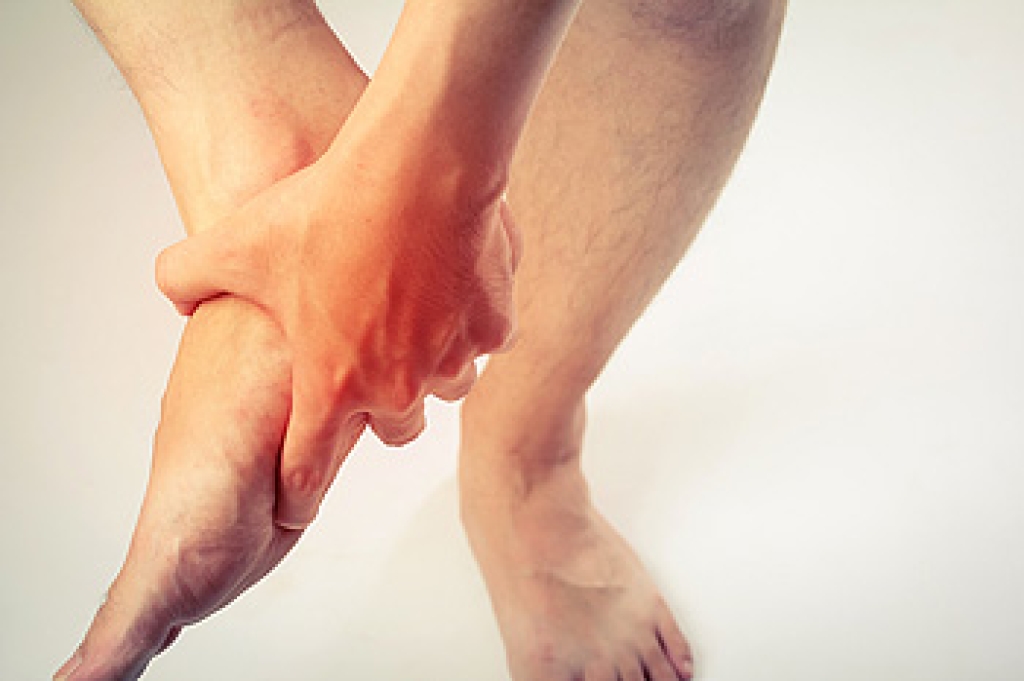
Read more about Hammertoe

Managng Plantar Fasciitis

Plantar fasciitis is one of the most common causes of heel pain, affecting people of all ages. It occurs when the plantar fascia, the thick band of tissue running along the bottom of your foot, becomes inflamed. Causes include overuse, wearing poor footwear, high-impact activities, or having either flat feet or high arches. Symptoms typically include a sharp, stabbing pain in the heel, especially with the first steps in the morning or after long periods of rest. The pain often improves with movement, but may return after standing or walking for long periods of time. A podiatrist can help by diagnosing the condition through a physical exam and imaging. Treatment includes custom orthotics, stretching exercises, a night splint, or anti-inflammatory medication. In some cases, injections, or even surgery, may be recommended to reduce inflammation and promote healing. If you have this condition, it is suggested that you schedule an appointment with a podiatrist for appropriate treatment.

Plantar fasciitis is a common foot condition that is often caused by a strain injury. If you are experiencing heel pain or symptoms of plantar fasciitis, contact Steven Black, DPM from California . Our doctor can provide the care you need to keep you pain-free and on your feet.

What Is Plantar Fasciitis?

Plantar fasciitis is one of the most common causes of heel pain. The plantar fascia is a ligament that connects your heel to the front of your foot. When this ligament becomes inflamed, plantar fasciitis is the result. If you have plantar fasciitis you will have a stabbing pain that usually occurs with your first steps in the morning. As the day progresses and you walk around more, this pain will start to disappear, but it will return after long periods of standing or sitting.

What Causes Plantar Fasciitis?

  • Excessive running
  • Having high arches in your feet
  • Other foot issues such as flat feet
  • Pregnancy (due to the sudden weight gain)
  • Being on your feet very often

There are some risk factors that may make you more likely to develop plantar fasciitis compared to others. The condition most commonly affects adults between the ages of 40 and 60. It also tends to affect people who are obese because the extra pounds result in extra stress being placed on the plantar fascia.

Prevention

  • Take good care of your feet – Wear shoes that have good arch support and heel cushioning.
  • Maintain a healthy weight
  • If you are a runner, alternate running with other sports that won’t cause heel pain

There are a variety of treatment options available for plantar fasciitis along with the pain that accompanies it. Additionally, physical therapy is a very important component in the treatment process. It is important that you meet with your podiatrist to determine which treatment option is best for you.

If you have any questions, please feel free to contact our office located in Lancaster, CA . We offer the newest diagnostic and treatment technologies for all your foot care needs.


Read more about Plantar Fasciitis

Connect With Us