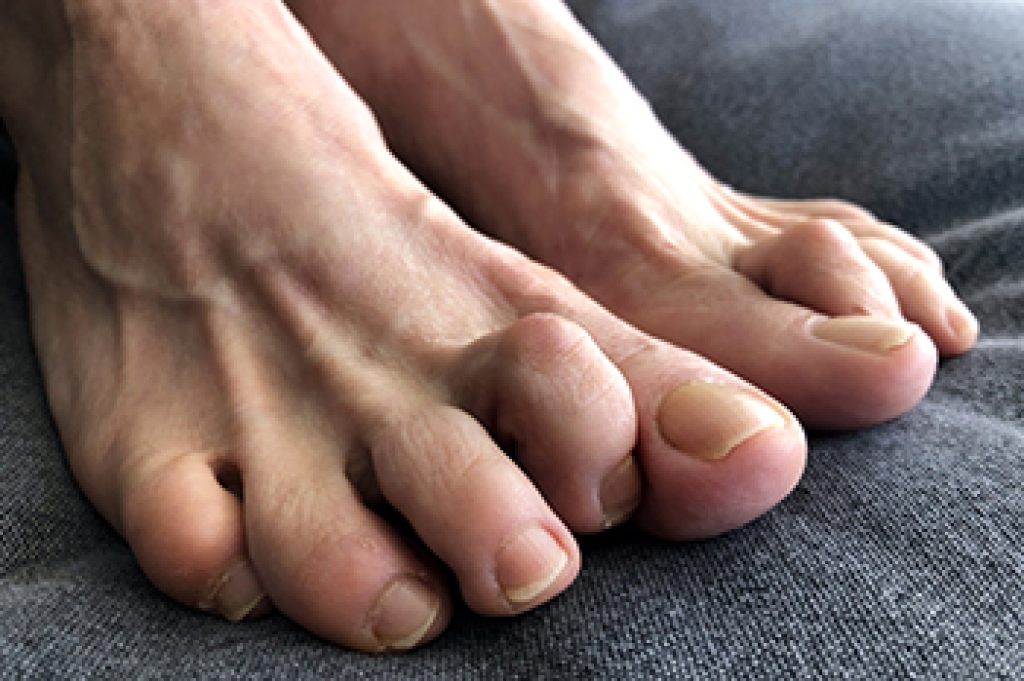
Symptoms and Treatment of Hammertoe

Hammertoe is a deformity in which one or more of the smaller toes bends abnormally at the middle joint, often making it point upward. Hammertoe commonly affects the second toe and may develop from a muscle imbalance, flat arches, or pressure caused by shoes that do not allow enough room for the toes. Symptoms may include a claw-like toe appearance, discomfort in the ball of the foot, and pain when wearing shoes. Corns or calluses that develop from rubbing against the top of a shoe, and difficulty finding shoes that fit can result from a hammertoe. A podiatrist can diagnose hammertoe through a physical examination and may use imaging if joint disease is suspected. In more severe cases where the joint becomes rigid, surgery may be needed to straighten the toe. If you have a toe deformity that is causing pain, it is suggested that you make an appointment with a podiatrist for a diagnosis and treatment.

Hammertoe

Hammertoes can be a painful condition to live with. For more information, contact Steven Black, DPM from California . Our doctor will answer any of your foot- and ankle-related questions.

Hammertoe is a foot deformity that affects the joints of the second, third, fourth, or fifth toes of your feet. It is a painful foot condition in which these toes curl and arch up, which can often lead to pain when wearing footwear.

Symptoms

  • Pain in the affected toes
  • Development of corns or calluses due to friction
  • Inflammation
  • Redness
  • Contracture of the toes

Causes

Genetics – People who are genetically predisposed to hammertoe are often more susceptible

Arthritis – Because arthritis affects the joints in your toes, further deformities stemming from arthritis can occur

Trauma – Direct trauma to the toes could potentially lead to hammertoe

Ill-fitting shoes – Undue pressure on the front of the toes from ill-fitting shoes can potentially lead to the development of hammertoe

Treatment

Orthotics – Custom made inserts can be used to help relieve pressure placed on the toes and therefore relieve some of the pain associated with it

Medications – Oral medications such as anti-inflammatories or NSAIDs could be used to treat the pain and inflammation hammertoes causes. Injections of corticosteroids are also sometimes used

Surgery – In more severe cases where the hammertoes have become more rigid, foot surgery is a potential option

If you have any questions, please feel free to contact our office located in Lancaster, CA . We offer the newest diagnostic and treatment technologies for all your foot care needs.


Read more about What Are Hammertoes?

Ease Painful Feet With Orthotics

Custom orthotics can be used to relieve foot pain and discomfort. They're also used to treat various foot conditions and deformities. Flat feet, bunions, and Morton's neuroma are just a few of the foot conditions that have been known to benefit from the use of orthotics.

Comfy feet are happy feet! Contact us today.

Do Your Feet Grow During Pregnancy?

Pregnancy affects nearly every part of the body, including your feet. Many pregnant women notice their feet changing in size. Studies show increases in length, width and volume during pregnancy. This is often due to hormonal changes that loosen ligaments and cause arches to flatten. Fluid retention can also lead to swelling, making shoes feel tighter or uncomfortable. Symptoms may include aching arches, increased shoe size, swollen ankles, and a general feeling of heaviness or fatigue in the feet, especially later in pregnancy. A podiatrist can provide significant relief during this time. They offer custom orthotics to support fallen arches, advice on proper footwear, and treatment to reduce swelling and pain. Routine care from a podiatrist can prevent long-term foot issues and help maintain mobility and comfort throughout pregnancy. If you are dealing with this condition, it is suggested that you make an appointment with a podiatrist.

Pregnant women with swollen feet can be treated with a variety of different methods that are readily available. For more information about other cures for swollen feet during pregnancy, consult with Steven Black, DPM from California . Our doctor will attend to all of your foot and ankle needs.

What Foot Problems Can Arise During Pregnancy?

One problem that can occur is overpronation, which occurs when the arch of the foot flattens and tends to roll inward.  This can cause pain and discomfort in your heels while you’re walking or even just standing up, trying to support your baby.  

Another problem is edema, or swelling in the extremities. This often affects the feet during pregnancy but tends to occur in the later stages. 

How Can I Keep My Feet Healthy During Pregnancy?

  • Wearing orthotics can provide extra support for the feet and help distribute weight evenly
  • Minimize the amount of time spent walking barefoot
  • Wear shoes with good arch support
  • Wear shoes that allow for good circulation to the feet
  • Elevate feet if you experience swelling
  • Massage your feet
  • Get regular, light exercise, such as walking, to promote blood circulation to the feet

If you have any questions, please feel free to contact our office located in Lancaster, CA . We offer the newest diagnostic and treatment technologies for all your foot care needs.
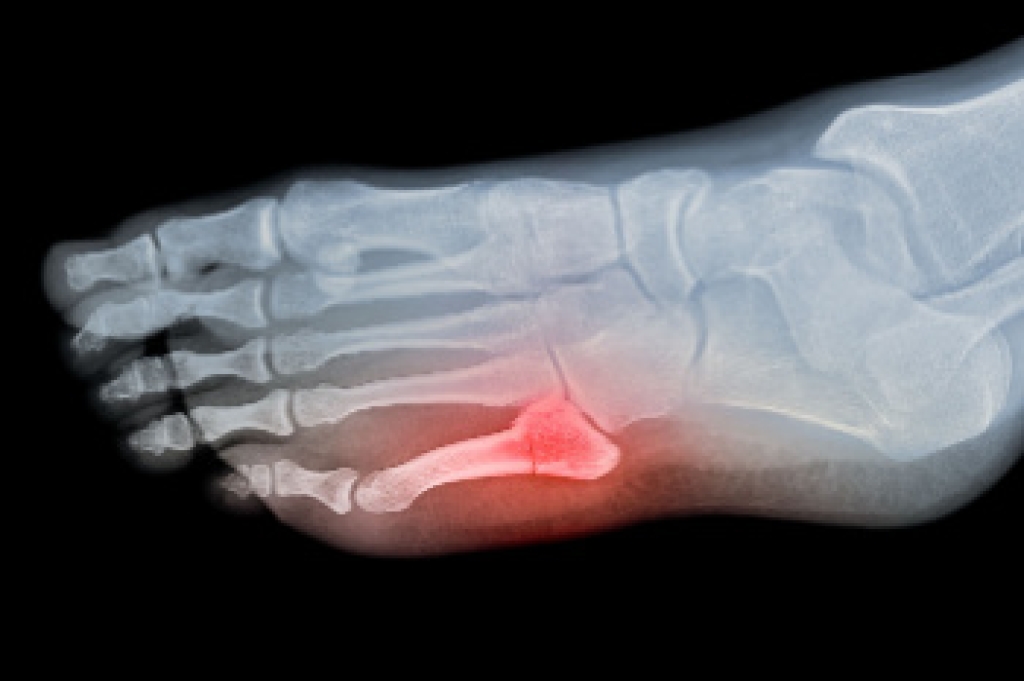
Read more about Pregnancy and Foot Health

Identifying a Toe Fracture

A toe fracture is a break in one of the small bones of the toe, often caused by trauma such as stubbing the toe, dropping something heavy on it, or sports injuries. Symptoms include pain, swelling, bruising, and difficulty walking. The affected toe may appear crooked or misaligned. Diagnosis typically involves a physical examination and imaging tests like X-rays to confirm the extent and location of the break. A podiatrist can assess the injury and recommend appropriate care, which may include splinting, protective footwear, or, in some cases, surgery. If you suspect a broken toe, it is suggested that you visit a podiatrist promptly to ensure proper healing and to avoid long-term complications.

A broken toe can be very painful and lead to complications if not properly fixed. If you have any concerns about your feet, contact Steven Black, DPM from California . Our doctor will treat your foot and ankle needs.

What to Know About a Broken Toe

Although most people try to avoid foot trauma such as banging, stubbing, or dropping heavy objects on their feet, the unfortunate fact is that it is a common occurrence. Given the fact that toes are positioned in front of the feet, they typically sustain the brunt of such trauma. When trauma occurs to a toe, the result can be a painful break (fracture).

Symptoms of a Broken Toe

  • Throbbing pain
  • Swelling
  • Bruising on the skin and toenail
  • The inability to move the toe
  • Toe appears crooked or disfigured
  • Tingling or numbness in the toe

Generally, it is best to stay off of the injured toe with the affected foot elevated.

Severe toe fractures may be treated with a splint, cast, and in some cases, minor surgery. Due to its position and the pressure it endures with daily activity, future complications can occur if the big toe is not properly treated.

If you have any questions, please feel free to contact our office located in Lancaster, CA . We offer the newest diagnostic and treatment technologies for all your foot care needs.
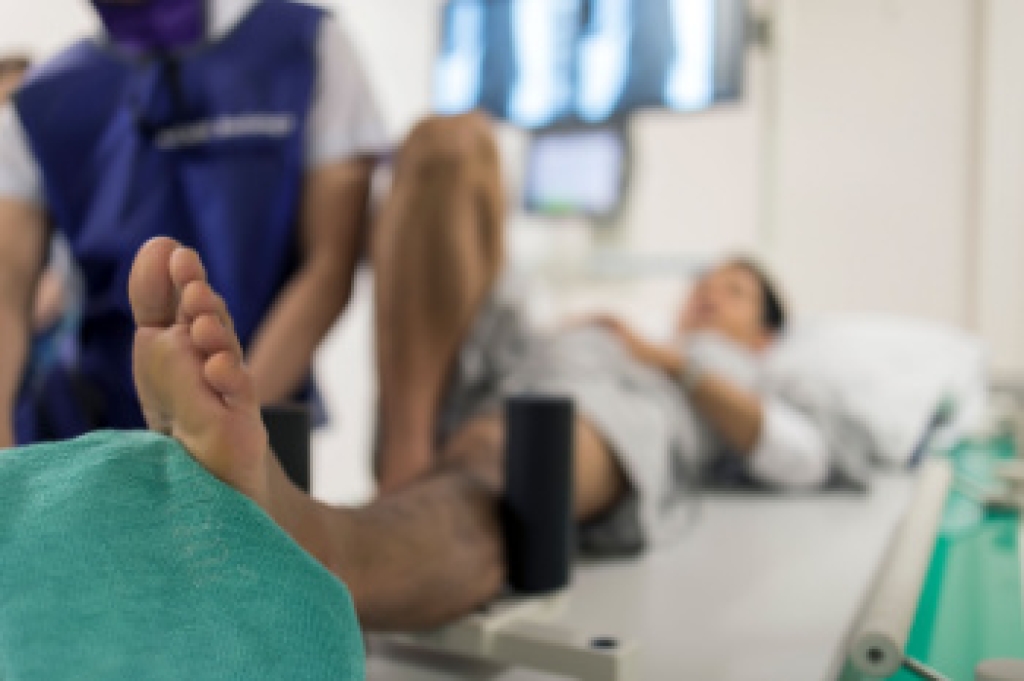
Read more about What to Know About a Broken Toe

Spotting a Foot Stress Fracture

A foot stress fracture is a small crack in the bone caused by repetitive stress rather than a single traumatic event. It often develops over time and is common among athletes and individuals who suddenly increase their activity level. Risk factors include wearing poor footwear, weakened bones, and high-impact sports. Causes may involve overuse, improper training, or biomechanical issues. Symptoms include localized pain, swelling, tenderness, and discomfort during activity. A podiatrist can confirm the diagnosis through imaging tests, recommend rest, footwear changes, and possibly immobilization to ensure proper healing. If you have persistent foot pain that worsens with activity, it is suggested that you promptly schedule a visit with a podiatrist to receive expert care and prevent complications.

Activities where too much pressure is put on the feet can cause stress fractures. To learn more, contact Steven Black, DPM from California . Our doctor can provide the care you need to keep your pain free and on your feet.

Dealing with Stress Fractures of the Foot and Ankle

Stress fractures occur in the foot and ankle when muscles in these areas weaken from too much or too little use.  The feet and ankles then lose support when walking or running from the impact of the ground. Since there is no protection, the bones receive the full impact of each step. Stress on the feet can cause cracks to form in the bones, thus creating stress fractures.

What Are Stress Fractures?

Stress fractures occur frequently in individuals whose daily activities cause great impact on the feet and ankles. Stress factors are most common among:

  • Runners                                
  • People affected with Osteoporosis
  • Tennis or basketball players
  • Gymnasts
  • High impact workouts

Symptoms

Pain from the fractures occur in the area of the fractures and can be constant or intermittent. It will often cause sharp or dull pain with swelling and tenderness. Engaging in any kind of activity which involves high impact will aggravate pain.

If you have any questions please contact our office located in Lancaster, CA . We offer the newest diagnostic and treatment technologies for all your foot and ankle needs.

Read more about Stress Fractures of the Foot and Ankle

Connect With Us