What Causes Clammy Feet?

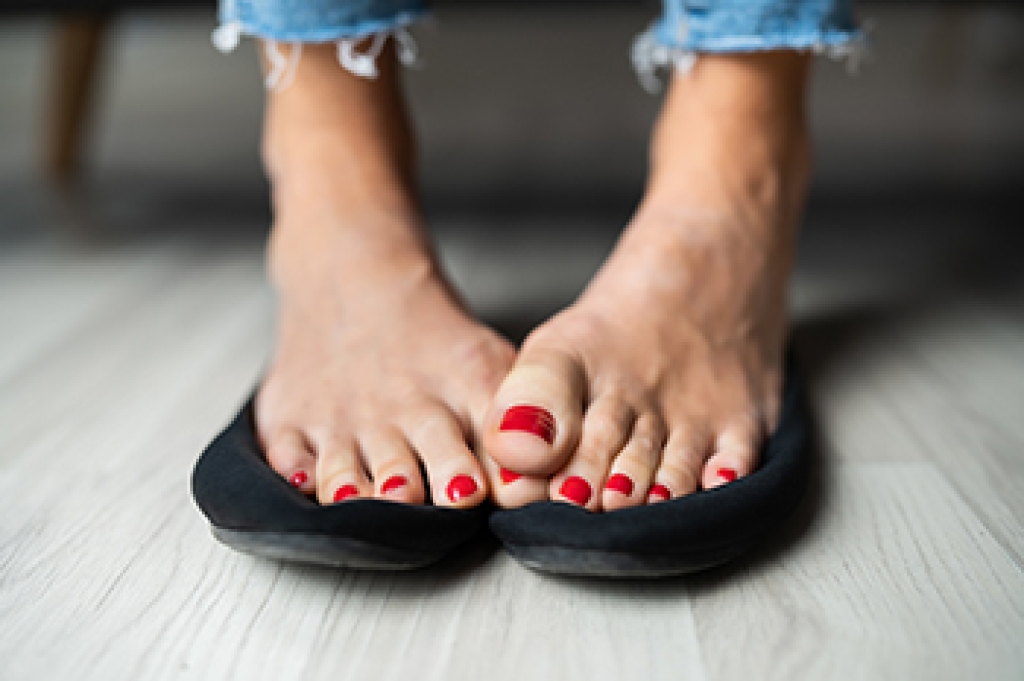
Most people experience sweaty feet from time to time, but excessive sweat under the feet can be a sign of plantar hyperhidrosis. Sweating is a part of our body’s way of cooling itself off and managing body temperature. Our feet have more sweat organs per inch than any other place in the body, and they can produce as much as half a quart of sweat per day. When it comes to controlling clammy feet, there are some things you can do for yourself and some things that might need medical attention. Cleanliness, shoes, socks, diet, and anxiety can influence how much your feet sweat. Hyperhidrosis is more common in men than women and in youth than grown-ups. If one has over the top sweating on their feet, it is likely that this happens to their palms as well. Feet that sweat too much may slip around inside of shoes. The feet might also have a whitish, wet appearance, and they may smell. These conditions are conducive to foot diseases, like a fungus. Adolescents are particularly sensitive about this ailment and the related foot odor at their age. To prevent sweaty feet, one should wash their feet regularly, dry them well, apply a moisturizer, and consider using antifungal powder or antiperspirant. Shoes should be rotated between use so that any moisture can dry out. Wearing shoes that are made of breathable material and fit well are imperative. Socks that wick moisture (cotton in warmer months and fleece or wool in cooler months) from the foot should be worn as well. Keep well hydrated. If regular foot care does not control your clammy feet, consult with a podiatrist who can provide additional suggestions for how to prevent and treat this annoying condition.

If you are suffering from hyperhidrosis contact Steven Black, DPM of California . Our doctor can provide the care you need to attend to all of your foot and ankle needs.

Hyperhidrosis of the Feet

Hyperhidrosis is a rare disorder that can cause people to have excessive sweating of their feet. This can usually occur all on its own without rigorous activity involved. People who suffer from hyperhidrosis may also experience sweaty palms.

Although it is said that sweating is a healthy process meant to cool down the body temperature and to maintain a proper internal temperature, hyperhidrosis may prove to be a huge hindrance on a person’s everyday life.

Plantar hyperhidrosis is considered to be the main form of hyperhidrosis. Secondary hyperhidrosis can refer to sweating that occurs in areas other than the feet or hands and armpits. Often this may be a sign of it being related to another medical condition such as menopause, hyperthyroidism and even Parkinson’s disease.

In order to alleviate this condition, it is important to see your doctor so that they may prescribe the necessary medications so that you can begin to live a normal life again. If this is left untreated, it is said that it will persist throughout an individual’s life.

A last resort approach would be surgery, but it is best to speak with your doctor to find out what may be the best treatment for you.

If you have any questions, please feel free to contact our office located in Lancaster, CA . We offer the newest diagnostic and treatment technologies for all your foot care needs.
Read more about Hyperhidrosis of the Feet

Out-Toeing or Duck-Footedness in Children

As toddlers are learning to walk, their gait may be characterized as duck-footed, or out-toeing. This happens when they walk with their toes pointing outward rather than forward. In many children, this way of walking is temporary. A child will often outgrow this by age six to eight years of age. However, sometimes it can persist into adolescence, or even adulthood, and can lead to more serious complications. Out-toeing is a type of torsional deformity and usually occurs when one of the leg’s two longest bones (the tibia, located between the knee and ankle, and the femur, located between the hip and knee) turn towards the outside of the leg, causing the foot to jut out. This condition can occur in one or both legs. Most often, the child does not experience pain or discomfort with this condition, and it does not affect their mobility. Parents might see that their kid’s shoes wear out or have more obvious scuff marks on the outer edges of the shoes if the child is duck-footed. Causes of out-toeing include genetics, fetal position of the legs in the uterus prior to birth, the resting position of the legs during infancy, and being flat-footed. Rarer reasons for this condition are congenital bone deformity or a hip condition, called slipped capital femoral epiphysis, that causes the ball at the top of the femur to slip backwards. If you are concerned about your child’s gait or you notice that they are experiencing pain, imbalance, or instability when walking, see a podiatrist who can alleviate your concerns or provide treatment options to consider.

Making sure that your children maintain good foot health is very important as they grow. If you have any questions, contact Steven Black, DPM of California . Our doctor can provide the care you need to keep you pain-free and on your feet.

Keeping Children's Feet Healthy

Having healthy feet during childhood can help prevent medical problems later in life, namely in the back and legs. As children grow, their feet require different types of care. Here are some things to consider...

Although babies do not walk yet, it is still very important to take care of their feet.

Avoid putting tight shoes or socks on his or her feet.

Allow the baby to stretch and kick his or her feet to feel comfortable.

As a toddler, kids are now on the move and begin to develop differently. At this age, toddlers are getting a feel for walking, so don’t be alarmed if your toddler is unsteady or ‘walks funny’. 

As your child gets older, it is important to teach them how to take care of their feet.

Show them proper hygiene to prevent infections such as fungus.

Be watchful for any pain or injury.

Have all injuries checked by a doctor as soon as possible.

Comfortable, protective shoes should always be worn, especially at play.

If you have any questions, please feel free to contact our office located in Lancaster, CA . We offer the newest diagnostic and treatment technologies for all your foot care needs.
Read more about What to Do to Keep Your Child’s Feet Healthy

Plantar Warts May Be Rough or Smooth

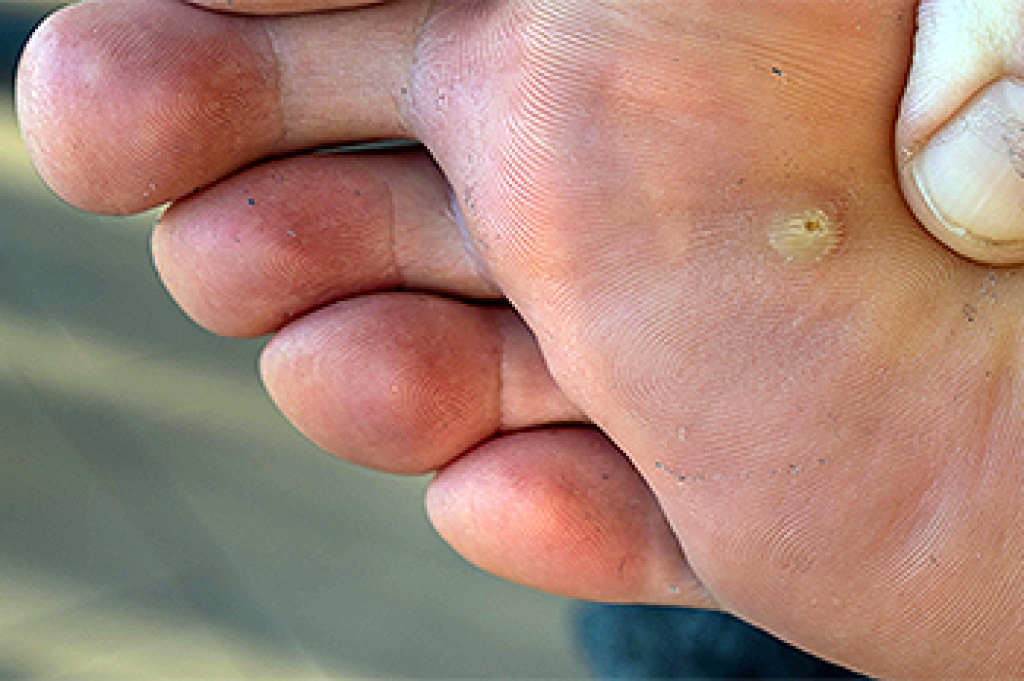
Warts are skin growths and are caused by the human papillomavirus (HPV). It may take several months after coming in contact with the HPV to notice if warts have developed. They are known to be contagious and can spread by sharing towels, socks, or shoes. Plantar warts are located on the bottom of the feet and grow inward as a result of standing and walking all day. A plantar wart can be uncomfortable and can cause severe pain. Most people notice they look like a callus with tiny black dots in the middle, which are blood vessels. In other people, the wart may be smooth and flat. A proper diagnosis can consist of taking a sample of the wart and looking for any bleeding, a large size, or if they are fast-growing. Many warts will gradually disappear, although it is advised that if you have plantar warts you speak with a podiatrist who can properly treat them. 

Plantar warts can be very uncomfortable. If you need your feet checked, contact Steven Black, DPM from California . Our doctor will assist you with all of your foot and ankle needs.

About Plantar Warts

Plantar warts are the result of HPV, or human papillomavirus, getting into open wounds on the feet. They are mostly found on the heels or balls of the feet.

While plantar warts are generally harmless, those experiencing excessive pain or those suffering from diabetes or a compromised immune system require immediate medical care. Plantar warts are easily diagnosed, usually through scraping off a bit of rough skin or by getting a biopsy.

Symptoms

  • Lesions on the bottom of your feet, usually rough and grainy
  • Hard or thick callused spots
  • Wart seeds, which are small clotted blood vessels that look like little black spots
  • Pain, discomfort, or tenderness of your feet when walking or standing

Treatment

  • Freezing
  • Electric tool removal
  • Laser Treatment
  • Topical Creams (prescription only)
  • Over-the-counter medications

To help prevent developing plantar warts, avoid walking barefoot over abrasive surfaces that can cause cuts or wounds for HPV to get into. Avoiding direct contact with other warts, as well as not picking or rubbing existing warts, can help prevent the further spread of plantar warts. However, if you think you have developed plantar warts, speak to your podiatrist. He or she can diagnose the warts on your feet and recommend the appropriate treatment options.

If you have any questions, please feel free to contact our office located in Lancaster, CA . We offer the newest diagnostic and treatment technologies for all your foot care needs.

Read more about All About Plantar Warts

Conditions That May Cause Swollen Ankles

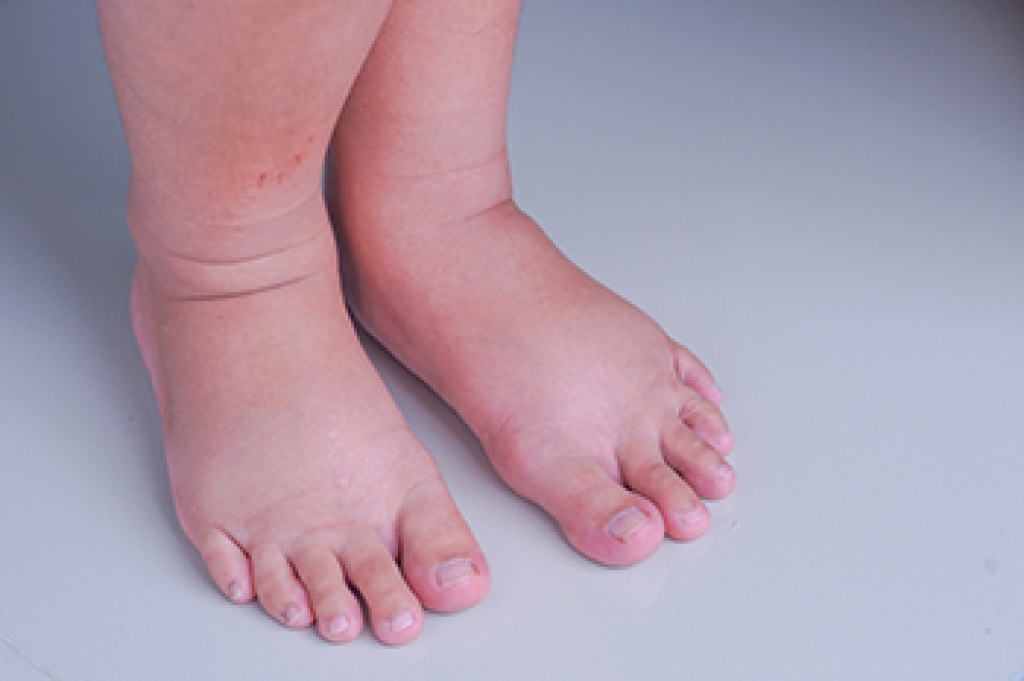
Many people use the term “cankle” to describe their swollen calves and ankles, despite the fact that this is not a true medical term. It is the area where the calf and ankle connect and it may be hard to tell the difference between the two. Existing medical conditions may cause the ankles to swell excessively, including congestive heart failure, cellulitis, and pregnant women may experience preeclampsia. Additionally, sitting for extended periods of time may cause the blood to pool in the ankles and the warmer temperatures may cause swollen ankles. Some patients go through hormonal changes or may be taking certain medications that may lead to swollen ankles. When medical issues are ruled out, many people would like to know how swelling can be reduced in the ankles. This can consist of eating foods that have reduced saturated fat and sodium, in addition to increasing exercise. Walking is suggested for patients with ankle swelling as this can help to improve circulation in the legs. If you have swollen feet or ankles, please speak with a podiatrist who can guide you toward proper treatment options.

Swollen feet can be a sign of an underlying condition. If you have any concerns, contact Steven Black, DPM of California . Our doctor can provide the care you need to keep you pain-free and on your feet.

Swollen feet are a common ailment among pregnant women and people who stand or sit for extended periods. Aging may increase the possibility of swollen feet and patients who are obese often notice when their feet are swelling too. There may be medical reasons why swollen feet occur:

  • Phlebitis - A condition that causes the veins to become inflamed and can also cause leg pain.
  • Liver disease - This may lead to low blood levels of albumin which is a protein. This can cause fluid in the blood to pass into the tissues and several areas of the body can become swollen.
  • Heart failure - When the heart doesn’t pump properly the blood that is normally pumped back to the heart can pool in the veins of the legs causing swollen feet.
  • Kidney disease - One of the main functions of the kidneys is releasing excess fluid in the body. This type of condition can make it difficult for the kidneys to function properly, and as a result the feet may become swollen.
  • Deep-vein thrombosis (DVT)- This is a serious condition where blood clots form in the veins of the legs. They can block the return of blood from the legs to the heart which may cause the feet to swell. It is important to be treated by a podiatrist if this condition is present.

Swollen feet can also be caused by bone and tendon conditions, including fractures, arthritis, and tendinitis. Additionally, there may be skin and toenail conditions and an infection may cause the feet to swell. Patients who take medicine to treat high blood pressure may be prone to getting swollen feet. 

Many patients elevate their feet to help relieve the swelling and this is generally a temporary remedy. When a podiatrist is consulted the reason behind the swelling can be uncovered and subsequently treated.

If you have any questions please contact our office located in Lancaster, CA . We offer the newest diagnostic and treatment technologies for all your foot and ankle needs.

Read more about Swelling of the Feet

Foot Pain and Cycling

Foot pain in cycling is rarely discussed but it is more common than might be imagined. A main cause of foot pain is ill-fitting footwear. Shoes that are too tight or do not have enough room in the toe box will cause pain. Socks that are too thick and take up too much space in the shoe, as well as bulkier orthotics built for walking or standing, can cramp toes, restricting blood flow and nerve conduction in the feet. Another common cause of foot pain in cycling is when cleats are too far forward. They can put more pressure on the forefoot, causing the foot muscles to do more work to stabilize the foot. This forward position can also allow the toes to lean down, which can cause the foot to slide down in the shoe and jam up against the front of the shoe. With the toes pointing down, the quadriceps will also be activated more than the glutes and hip extensors. This can upset the balance of these muscle groups and the weight distribution between the hips and feet. Moving the cleat further back can allow these muscles to relax. If you are a cyclist experiencing foot pain, try different shoes and move the cleat back to relieve discomfort. If these simple fixes do not work, consult with a podiatrist who is in the best position to diagnose any foot problems and treat them.

Sports related foot and ankle injuries require proper treatment before players can go back to their regular routines. For more information, contact Steven Black, DPM of California . Our doctor can provide the care you need to keep you pain-free and on your feet.

Sports Related Foot and Ankle Injuries

Foot and ankle injuries are a common occurrence when it comes to athletes of any sport. While many athletes dismiss the initial aches and pains, the truth is that ignoring potential foot and ankle injuries can lead to serious problems. As athletes continue to place pressure and strain the area further, a mild injury can turn into something as serious as a rupture and may lead to a permanent disability. There are many factors that contribute to sports related foot and ankle injuries, which include failure to warm up properly, not providing support or wearing bad footwear. Common injuries and conditions athletes face, including:

  • Plantar Fasciitis
  • Achilles Tendinitis
  • Achilles Tendon Rupture
  • Ankle Sprains

Sports related injuries are commonly treated using the RICE method. This includes rest, applying ice to the injured area, compression and elevating the ankle. More serious sprains and injuries may require surgery, which could include arthroscopic and reconstructive surgery. Rehabilitation and therapy may also be required in order to get any recovering athlete to become fully functional again. Any unusual aches and pains an athlete sustains must be evaluated by a licensed, reputable medical professional.

If you have any questions please contact our office located in Lancaster, CA . We offer the newest diagnostic and treatment technologies for all your foot and ankle needs.

Read more about Sports Related Foot And Ankle Injuries

Connect With Us