The Importance of Timely Care for Foot Puncture Wounds

A foot puncture wound occurs when a sharp object penetrates the skin, creating a small but potentially deep injury. Common causes include stepping on nails, glass, splinters, or other sharp debris. Outdoor environments, construction sites, and walking barefoot increase the risk of these injuries. Although the wound may appear minor, prompt care is essential to prevent infection and complications. Bacteria can enter the deeper tissues, leading to serious infections, such as cellulitis or abscess formation. Delayed treatment can also increase the risk of foreign objects remaining in the wound, causing prolonged pain and inflammation. If you have sustained a puncture wound on the foot, it is suggested that you promptly consult a podiatrist who can provide appropriate treatment solutions.

Wound care is an important part in dealing with diabetes. If you have diabetes and a foot wound or would like more information about wound care for diabetics, consult with Steven Black, DPM from California . Our doctor will assess your condition and provide you with quality foot and ankle treatment.

What Is Wound Care?

Wound care is the practice of taking proper care of a wound. This can range from the smallest to the largest of wounds. While everyone can benefit from proper wound care, it is much more important for diabetics. Diabetics often suffer from poor blood circulation which causes wounds to heal much slower than they would in a non-diabetic. 

What Is the Importance of Wound Care?

While it may not seem apparent with small ulcers on the foot, for diabetics, any size ulcer can become infected. Diabetics often also suffer from neuropathy, or nerve loss. This means they might not even feel when they have an ulcer on their foot. If the wound becomes severely infected, amputation may be necessary. Therefore, it is of the upmost importance to properly care for any and all foot wounds.

How to Care for Wounds

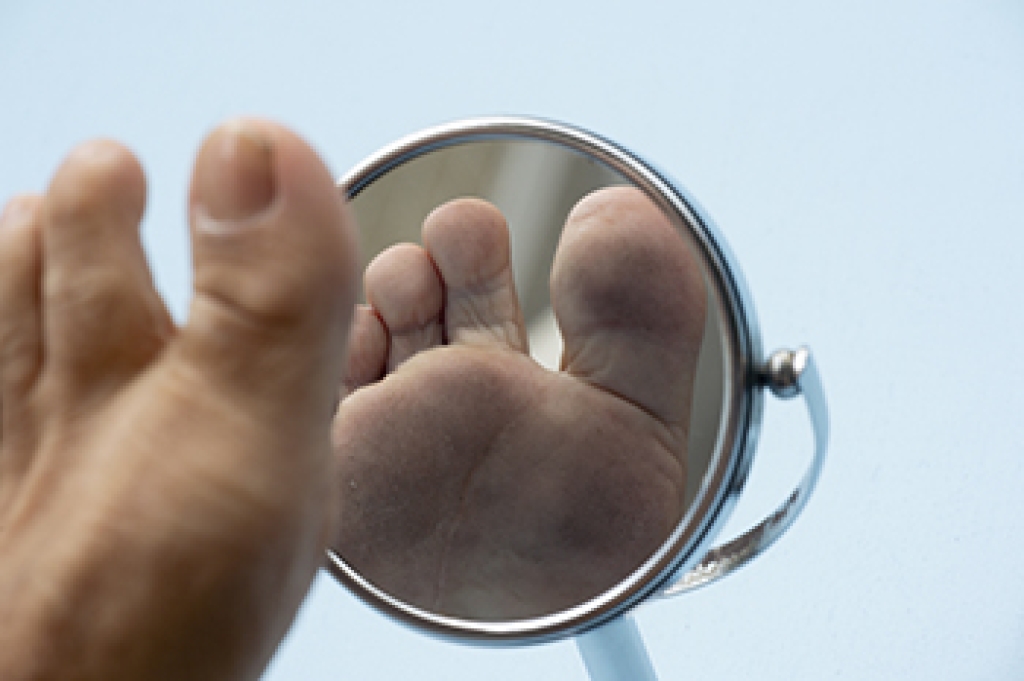
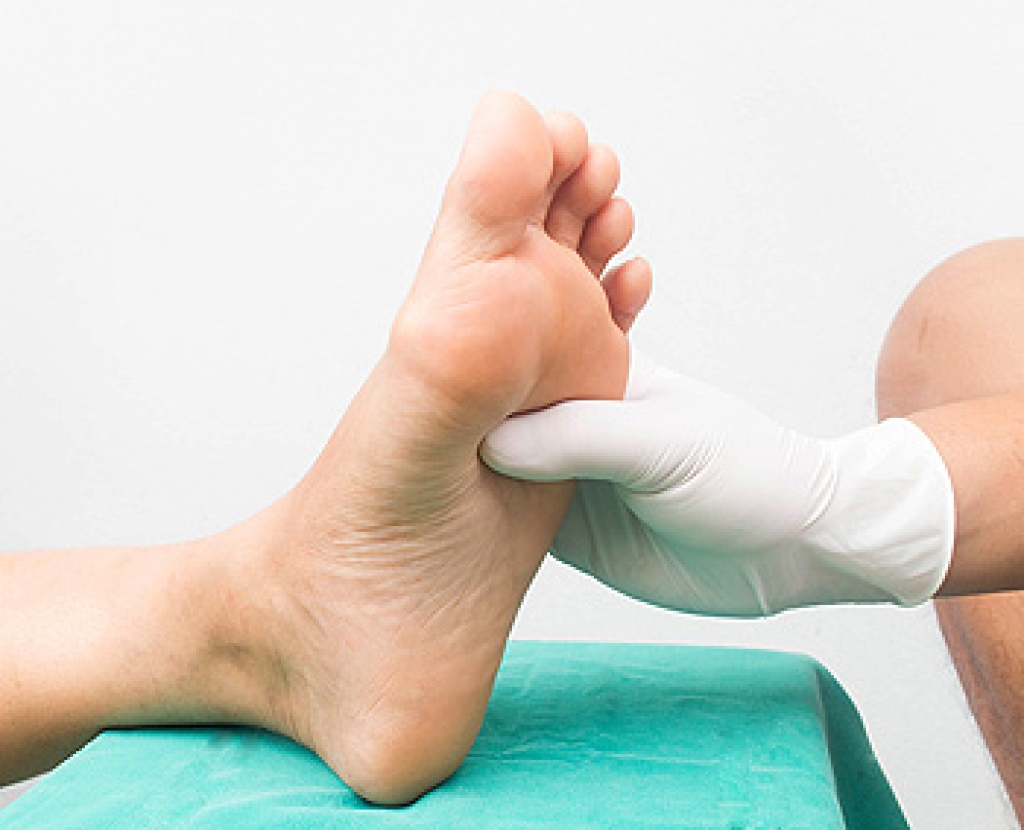
The best way to care for foot wounds is to prevent them. For diabetics, this means daily inspections of the feet for any signs of abnormalities or ulcers. It is also recommended to see a podiatrist several times a year for a foot inspection. If you do have an ulcer, run the wound under water to clear dirt from the wound; then apply antibiotic ointment to the wound and cover with a bandage. Bandages should be changed daily and keeping pressure off the wound is smart. It is advised to see a podiatrist, who can keep an eye on it.

If you have any questions please contact our office located in Lancaster, CA . We offer the newest diagnostic and treatment technologies for all your foot and ankle needs.
Read more about Wound Care

Facts About Diabetic Neuropathy

Diabetic neuropathy is a common complication of diabetes, causing nerve damage in the feet and legs. Symptoms include numbness, tingling, burning sensations, and sharp or stabbing pain. As nerve function declines, you may lose feeling in your feet, making it harder to detect injuries or pressure points. This lack of sensation can lead to foot ulcers, open sores that often develop on the bottom of the feet. These ulcers can become infected if not treated properly, leading to more serious health issues. A podiatrist plays an essential role in managing diabetic neuropathy and preventing foot ulcers. This type of doctor can assess your feet for signs of nerve damage, provide treatment for ulcers, and recommend appropriate wound care. Additionally, they can help with custom orthotics to reduce pressure on vulnerable areas, and offer advice on proper footwear to prevent further injury. Regular foot exams and monitoring foot health can help catch issues early before they develop into more severe problems. If you have symptoms of this condition, it is suggested that you are under the care of a podiatrist.

Diabetic foot care is important in preventing foot ailments such as ulcers. If you are suffering from diabetes or have any other concerns about your feet, contact Steven Black, DPM from California . Our doctor can provide the care you need to keep you pain-free and on your feet.

Diabetic Foot Care

Diabetes affects millions of people every year. The condition can damage blood vessels in many parts of the body, especially the feet. Because of this, taking care of your feet is essential if you have diabetes, and having a podiatrist help monitor your foot health is highly recommended.

The Importance of Caring for Your Feet

  • Routinely inspect your feet for bruises or sores.
  • Wear socks that fit your feet comfortably.
  • Wear comfortable shoes that provide adequate support.

Patients with diabetes should have their doctor monitor their blood levels, as blood sugar levels play such a huge role in diabetic care. Monitoring these levels on a regular basis is highly advised.

It is always best to inform your healthcare professional of any concerns you may have regarding your feet, especially for diabetic patients. Early treatment and routine foot examinations are keys to maintaining proper health, especially because severe complications can arise if proper treatment is not applied.

If you have any questions, please feel free to contact our office located in Lancaster, CA . We offer the newest diagnostic and treatment technologies for all your foot care needs.

Read more about Diabetic Foot Care

Keeping Feet Healthy and Beautiful for Life

Feet carry us through every stage of life, yet they are often neglected until discomfort arises. Maintaining their appearance is not just about aesthetics. It is about care, comfort, and confidence. Just as a well-kept garden thrives, feet need regular attention to stay smooth, strong, and youthful. Hydration is key. Skin that is nourished with moisture resists cracks and roughness. Gentle exfoliation removes dull layers, revealing fresh, soft skin beneath. Strengthening exercises keep feet agile, preventing stiffness and imbalance that can lead to poor posture. Wearing properly fitted shoes preserves natural alignment, preventing issues that accelerate aging. Over time, nails can thicken or discolor, but trimming them correctly and keeping them clean prevents complications. Investing in foot care today means walking with ease tomorrow. If pain, calluses, or nail changes become a concern, it is suggested that you see a podiatrist to keep your feet looking and feeling their best.

Proper foot care is something many older adults forget to consider. If you have any concerns about your feet and ankles, contact Steven Black, DPM from California . Our doctor can provide the care you need to keep you pain-free and on your feet.

The Elderly and Their Feet

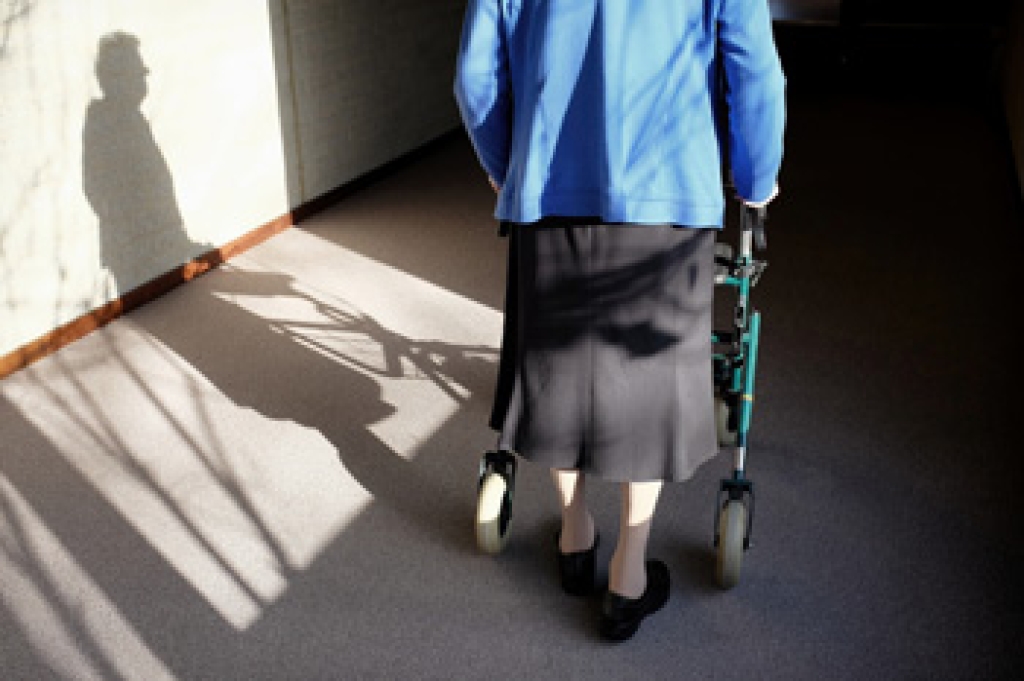
As we age we start to notice many changes in our body, but the elder population may not notice them right away. Medical conditions may prevent the elderly to take notice of their foot health right away. Poor vision is a lead contributor to not taking action for the elderly.

Common Conditions 

  • Neuropathy – can reduce feeling in the feet and can hide many life-threatening medical conditions.
  • Reduced flexibility – prevents the ability of proper toenail trimming, and foot cleaning. If left untreated, it may lead to further medical issues.
  • Foot sores – amongst the older population can be serious before they are discovered. Some of the problematic conditions they may face are:
  • Gouging toenails affecting nearby toe
  • Shoes that don’t fit properly
  • Pressure sores
  • Loss of circulation in legs & feet
  • Edema & swelling of feet and ankles

Susceptible Infections

Diabetes and poor circulation can cause general loss of sensitivity over the years, turning a simple cut into a serious issue.

If you have any questions, please feel free to contact our office located in Lancaster, CA . We offer the newest diagnostic and treatment technologies for all your foot care needs.

Read more about Elderly Foot Care

Managing Bunions

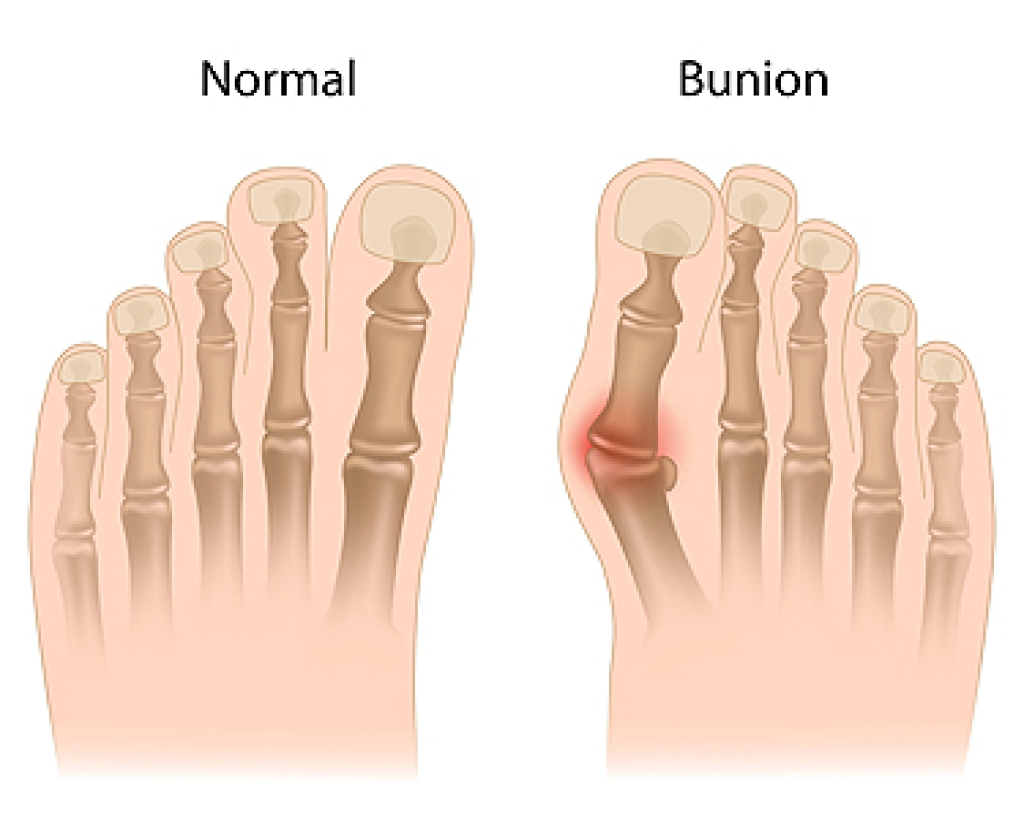
A bunion is a bony bump that forms at the base of the big toe, as the top of the toe angles toward the inner toes. This misalignment can lead to pain, swelling, and redness surroundig the joint. Over time, bunions may become more noticeable, with the bump growing larger and causing the skin to thicken or develop corns. Bunions are often caused by genetics, but factors like wearing tight shoes, high heels, or arthritis can also contribute. Symptoms include pain when walking, tenderness, and difficulty in finding comfortable shoes. Treatment options range from non-surgical to surgical solutions. A podiatrist can recommend changes to footwear, custom orthotics, and targeted exercises to ease pain and improve foot alignment. In more severe cases, surgery may be necessary to realign the toe and remove the bony bump. If you have a bunion causing discomfort or affecting your mobility, a podiatrist can provide personalized care. It is suggested that you schedule an appointment to explore your best treatment options.

If you are suffering from bunions, contact Steven Black, DPM of California . Our doctor can provide the care you need to keep you pain-free and on your feet.

What Is a Bunion?

A bunion is formed of swollen tissue or an enlargement of boney growth, usually located at the base joint of the toe that connects to the foot. The swelling occurs due to the bones in the big toe shifting inward, which impacts the other toes of the foot. This causes the area around the base of the big toe to become inflamed and painful.

Why Do Bunions Form?

Genetics – Susceptibility to bunions are often hereditary

Stress on the feet – Poorly fitted and uncomfortable footwear that places stress on feet, such as heels, can worsen existing bunions

How Are Bunions Diagnosed?

Doctors often perform two tests – blood tests and x-rays – when trying to diagnose bunions, especially in the early stages of development. Blood tests help determine if the foot pain is being caused by something else, such as arthritis, while x-rays provide a clear picture of your bone structure to your doctor.

How Are Bunions Treated?

  • Refrain from wearing heels or similar shoes that cause discomfort
  • Select wider shoes that can provide more comfort and reduce pain
  • Anti-inflammatory and pain management drugs
  • Orthotics or foot inserts
  • Surgery

If you have any questions, please feel free to contact our office located in Lancaster, CA . We offer the newest diagnostic and treatment technologies for all your foot care needs.

Read more about Bunions

Causes and Symptoms of Acute Ankle Sprains

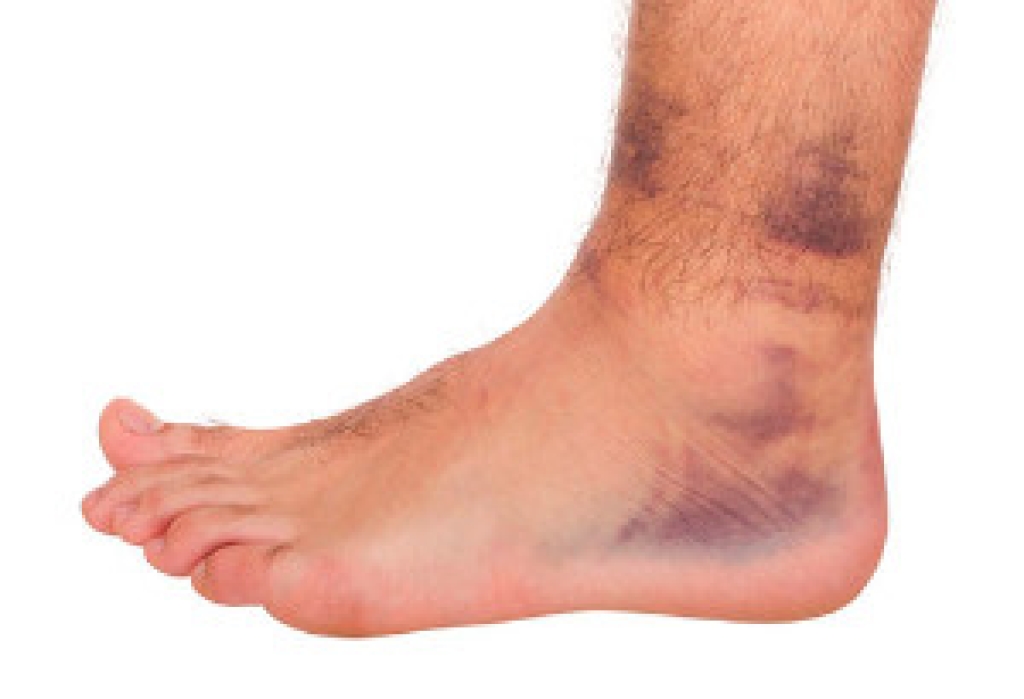
An acute ankle sprain occurs when the ligaments around the ankle are stretched or torn due to sudden twisting or impact. This injury typically happens during activities that involve jumping, running, or uneven surfaces, causing the ankle to roll or twist beyond its normal range of motion. The ligaments on the outside of the ankle are most often affected, although other ligaments can be injured as well. An acute sprain can occur in any age group, but it is especially common among athletes or individuals who engage in high-intensity physical activities. Risk factors include weak ankle muscles, improper footwear, or a previous ankle injury, which can make the ankle joint more vulnerable. The severity of the sprain can vary, with symptoms ranging from mild pain and swelling to more severe pain, bruising, and limited mobility. If you have injured or sprained your ankle, it is suggested that you promptly schedule an appointment with a podiatrist who can offer you appropriate treatment solutions.

Ankle sprains are common but need immediate attention. If you need your feet checked, contact Steven Black, DPM from California . Our doctor can provide the care you need to keep you pain-free and on your feet.

How Does an Ankle Sprain Occur?

Ankle sprains take place when the ligaments in your ankle are torn or stretched beyond their limits. There are multiple ways that the ankle can become injured, including twisting or rolling over onto your ankle, putting undue stress on it, or causing trauma to the ankle itself.

What Are the Symptoms?

  • Mild to moderate bruising
  • Limited mobility
  • Swelling
  • Discoloration of the skin (depending on severity)

Preventing a Sprain

  • Wearing appropriate shoes for the occasion
  • Stretching before exercises and sports
  • Knowing your limits

Treatment of a Sprain

Treatment of a sprain depends on the severity.  Many times, people are told to rest and remain off their feet completely, while others are given an air cast. If the sprain is very severe, surgery may be required.

If you have suffered an ankle sprain previously, you may want to consider additional support such as a brace and regular exercises to strengthen the ankle.

If you have any questions please feel free to contact our office located in Lancaster, CA . We offer the newest diagnostic tools and technology to treat your foot and ankle needs.

Read more about Three Grades of Ankle Sprains

Heel Pain in the Morning?

Heel pain can negatively affect your day-to-day life. Simple activities like walking can become incredibly uncomfortable or painful due to heel pain.

Don’t live with heel pain and get treated.

Description of Hammertoe

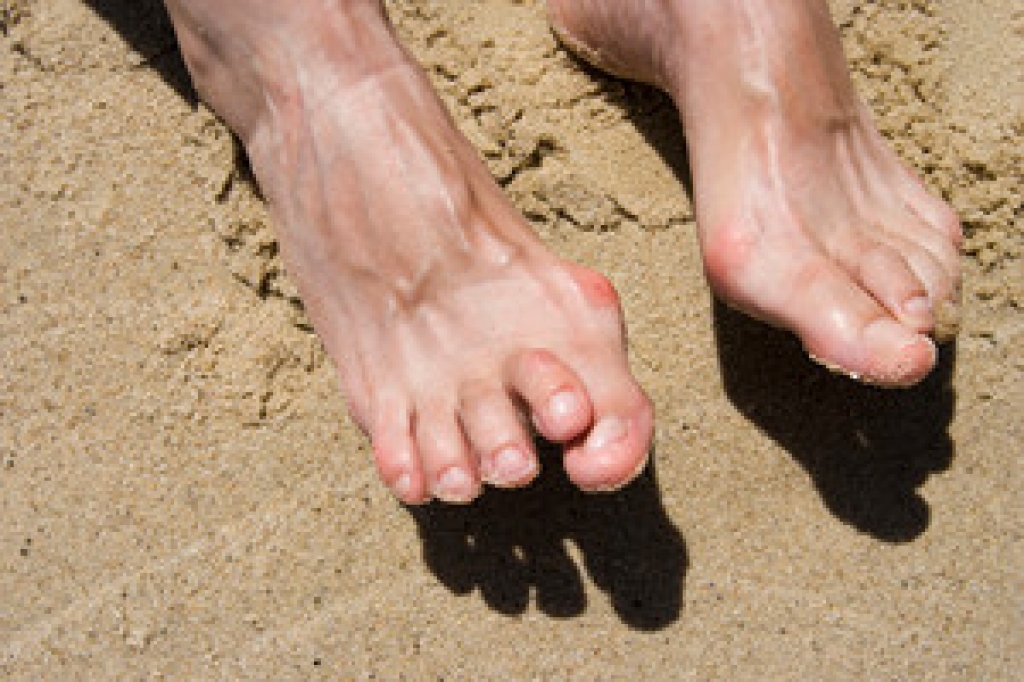
Hammertoe is a deformity where one or more toes become bent at the middle joint, resembling a hammer. This condition often develops from an imbalance in the muscles and tendons that control the toe’s movement. Common causes include wearing ill-fitting shoes, high heels, arthritis, or a congenital predisposition. Symptoms of hammertoe include pain or tenderness in the affected toe, especially when wearing shoes. Corns or calluses that form on the top of the bent joint and difficulty moving the toe are other signs. The toe may become rigid over time, making it harder to straighten. Treatment for hammertoe typically starts with conservative methods, such as wearing roomy shoes, using orthotic devices, and performing foot exercises to stretch the muscles. In more severe cases, surgery may be necessary to realign the toe. A podiatrist can help diagnose hammertoe, recommend appropriate footwear, and guide you through treatment options. If you are experiencing this condition, it is suggested that you schedule an appointment with a this type of doctor.

Hammertoe

Hammertoes can be a painful condition to live with. For more information, contact Steven Black, DPM from California . Our doctor will answer any of your foot- and ankle-related questions.

Hammertoe is a foot deformity that affects the joints of the second, third, fourth, or fifth toes of your feet. It is a painful foot condition in which these toes curl and arch up, which can often lead to pain when wearing footwear.

Symptoms

  • Pain in the affected toes
  • Development of corns or calluses due to friction
  • Inflammation
  • Redness
  • Contracture of the toes

Causes

Genetics – People who are genetically predisposed to hammertoe are often more susceptible

Arthritis – Because arthritis affects the joints in your toes, further deformities stemming from arthritis can occur

Trauma – Direct trauma to the toes could potentially lead to hammertoe

Ill-fitting shoes – Undue pressure on the front of the toes from ill-fitting shoes can potentially lead to the development of hammertoe

Treatment

Orthotics – Custom made inserts can be used to help relieve pressure placed on the toes and therefore relieve some of the pain associated with it

Medications – Oral medications such as anti-inflammatories or NSAIDs could be used to treat the pain and inflammation hammertoes causes. Injections of corticosteroids are also sometimes used

Surgery – In more severe cases where the hammertoes have become more rigid, foot surgery is a potential option

If you have any questions, please feel free to contact our office located in Lancaster, CA . We offer the newest diagnostic and treatment technologies for all your foot care needs.

Read more about What Are Hammertoes?

Causes and Treatment of Peroneal Tendonitis

Peroneal tendonitis causes pain along the outer side of the ankle due to inflammation and degeneration of the peroneal tendons in the leg. These tendons connect the peroneal muscles in the lower leg to the bones in the foot and ankle. They help with foot stability and movements like pointing the toes downward and turning the foot outward. Peroneal tendonitis often develops from repetitive strain, overuse, or injuries like ankle sprains. Symptoms typically include pain and tenderness along the outer ankle, discomfort that worsens with activity, and stiffness, especially after rest. People with high arches, tight calf muscles, or a history of ankle sprains are at greater risk of peroneal tendonitis, as these factors can increase stress on the tendons. A podiatrist can diagnose the condition and evaluate contributing factors like foot structure or gait mechanics. This foot doctor can also prescribe orthotics and suggest other ways to alleviate strain on the tendons. If you are experiencing ankle pain, it is suggested that you make an appointment with a podiatrist for a diagnosis and necessary treatment.

Ankle pain can be caused by a number of problems and may be potentially serious. If you have ankle pain, consult with Steven Black, DPM from California . Our doctor will assess your condition and provide you with quality foot and ankle treatment.

Ankle pain is any condition that causes pain in the ankle. Due to the fact that the ankle consists of tendons, muscles, bones, and ligaments, ankle pain can come from a number of different conditions.

Causes

The most common causes of ankle pain include:

  • Types of arthritis (rheumatoid, osteoarthritis, and gout)
  • Ankle sprains
  • Broken ankles
  • Achilles tendonitis
  • Achilles tendon rupture
  • Stress fractures
  • Bursitis
  • Tarsal tunnel syndrome
  • Plantar fasciitis

Symptoms

Symptoms of ankle injury vary based upon the condition. Pain may include general pain and discomfort, swelling, aching, redness, bruising, burning or stabbing sensations, and/or loss of sensation.

Diagnosis

Due to the wide variety of potential causes of ankle pain, podiatrists will utilize a number of different methods to properly diagnose ankle pain. This can include asking for personal and family medical histories and of any recent injuries. Further diagnosis may include sensation tests, a physical examination, and potentially x-rays or other imaging tests.

Treatment

Just as the range of causes varies widely, so do treatments. Some more common treatments are rest, ice packs, keeping pressure off the foot, orthotics and braces, medication for inflammation and pain, and surgery.

If you have any questions please feel free to contact our office located in Lancaster, CA . We offer the newest diagnostic tools and technology to treat your foot and ankle needs.

Read more about Various Causes of Ankle Pain

Can Poor Foot Circulation Be Improved?

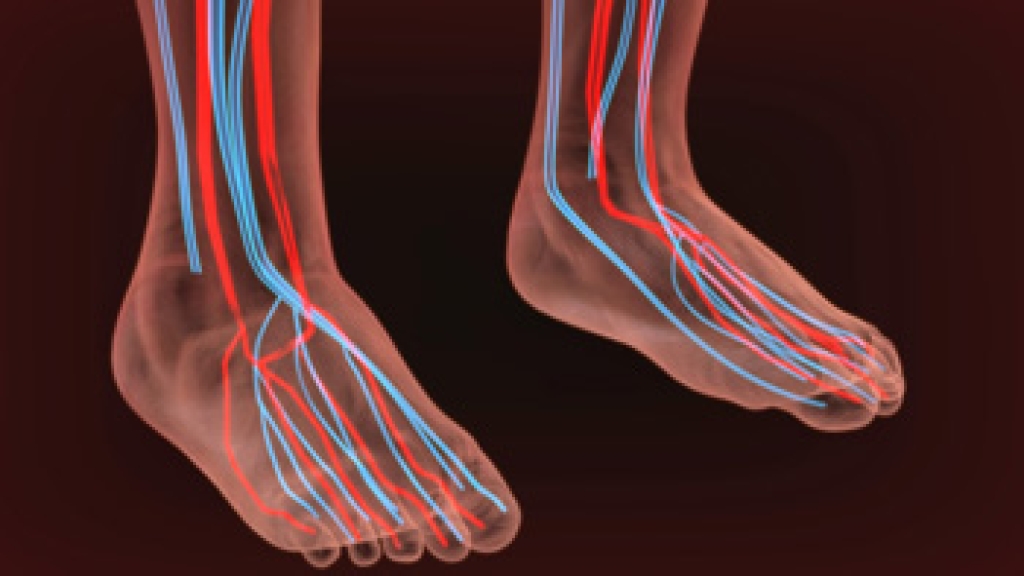
Poor circulation in the feet occurs when blood flow to the lower extremities is reduced, often leading to discomfort and other health concerns. This condition can be caused by various factors such as diabetes, smoking, obesity, or heart disease. The most common symptoms of poor circulation include cold feet, numbness, tingling sensations, swelling, and discoloration. In more severe cases, it can lead to wounds that heal slowly or even tissue damage. Improving circulation in the feet can be achieved through several methods. Regular physical activity, such as walking or swimming, promotes better blood flow and strengthens the heart. Elevating the feet, wearing compression socks, and avoiding tight footwear can also help enhance circulation. Maintaining a healthy diet, staying hydrated, and not smoking are essential for long-term circulation health. If you have symptoms of poor circulation in your feet, it is suggested that you consult a podiatrist who can offer you effective relief and treatment solutions.

While poor circulation itself isn’t a condition; it is a symptom of another underlying health condition you may have. If you have any concerns with poor circulation in your feet contact Steven Black, DPM of California . Our doctor will treat your foot and ankle needs.

Poor Circulation in the Feet

Peripheral artery disease (PAD) can potentially lead to poor circulation in the lower extremities. PAD is a condition that causes the blood vessels and arteries to narrow. In a linked condition called atherosclerosis, the arteries stiffen up due to a buildup of plaque in the arteries and blood vessels. These two conditions can cause a decrease in the amount of blood that flows to your extremities, therefore resulting in pain.

Symptoms

Some of the most common symptoms of poor circulation are:

  • Numbness
  • Tingling
  • Throbbing or stinging pain in limbs
  • Pain
  • Muscle Cramps

Treatment for poor circulation often depends on the underlying condition that causes it. Methods for treatment may include insulin for diabetes, special exercise programs, surgery for varicose veins, or compression socks for swollen legs.

As always, see a podiatrist as he or she will assist in finding a regimen that suits you. A podiatrist can also prescribe you any needed medication. 

If you have any questions, please feel free to contact our office located in Lancaster, CA . We offer the newest diagnostic and treatment technologies for all your foot care needs.

Read more about Causes Symptoms and Treatment for Poor Circulation in the Feet

Plantar Fibroma Facts

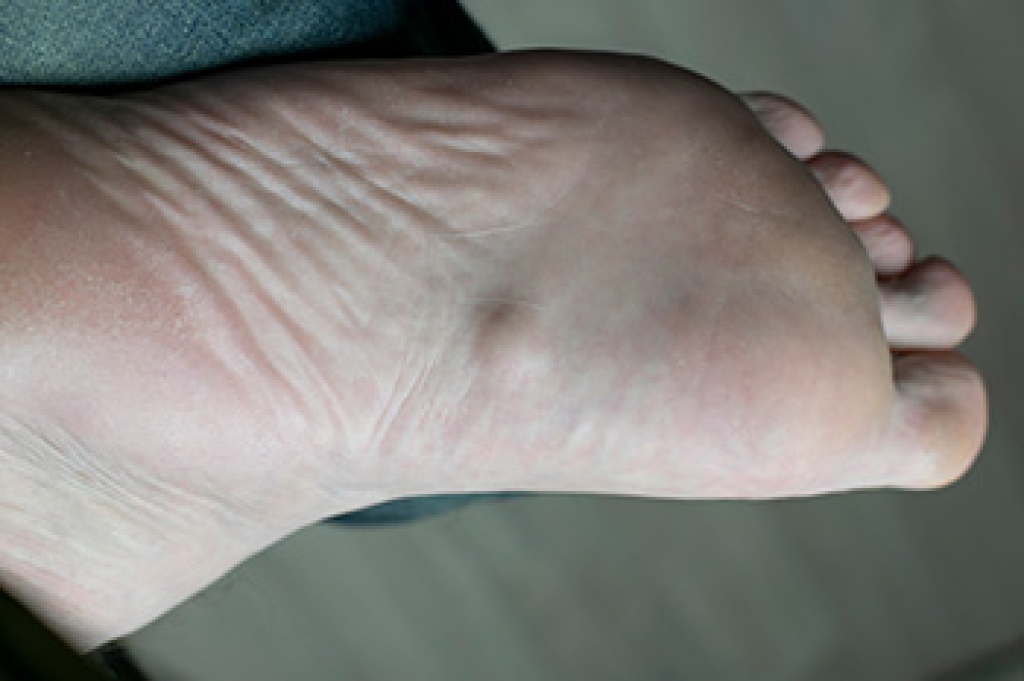
A plantar fibroma is a benign growth of fibrous tissue that forms on the bottom of the foot, typically along the arch. It is often described as a lump or nodule and can vary in size. The main symptom of a plantar fibroma is localized pain or discomfort in the affected area, particularly when walking or standing for long periods. In some cases, the fibroma may not cause pain but may still be noticeable as a firm lump under the skin. The exact cause of plantar fibromas is not entirely understood but is believed to be linked to genetic factors, trauma, or certain medical conditions such as diabetes or liver disease. Diagnosis is usually made through a physical examination, where a podiatrist may palpate the foot to feel for the fibroma. Imaging tests like an ultrasound or MRI may also confirm the diagnosis and rule out other conditions. If you have developed a lump along the arch of your foot, it is suggested that you consult a podiatrist who can accurately diagnose and treat a plantar fibroma.

A plantar fibroma may disrupt your daily activities. If you have any concerns, contact Steven Black, DPM of California . Our doctor can provide the care you need to keep you pain-free and on your feet.

Plantar Fibroma

A plantar fibroma is a fibrous knot in the arch of the foot. It is embedded in the plantar fascia which is a band of tissue that extends from the heel to the toes along the bottom of the foot. There can be multiple plantar fibromas in the feet at the same time. There are no known causes for this condition. If you have a plantar fibroma, there will be a bump in the arch of your foot that cannot be missed. Any associated pain is most often due to a shoe rubbing against the nodule. Non-surgical options, such as steroid injections, physical therapy, and orthotics should be tried first. Surgery is a last resort and is the only thing that will remove a plantar fibroma entirely. Consult with a podiatrist for a proper diagnosis and to determine the treatment regimen that is right for you.

What Causes a Plantar Fibroma?

While there are no specific causes identified, a plantar fibroma can possibly come from genetic predisposition or the formation of scar tissue that forms from healing the tears in the plantar fascia.

What Are the Symptoms of a Plantar Fibroma?

There will be a noticeable lump in the arch of the foot that may or may not cause pain. If pain is felt, it is typically because a shoe is rubbing up against the lump or when walking or standing barefoot.

Treatment and Prevention

A plantar fibroma will not disappear without treatment, but it can get smaller and be a non-issue. If pain persists, a podiatrist examines the foot and when the arch of the foot is pressed, pain can be felt down to the toes. An MRI or biopsy might be performed to help diagnose or evaluate the plantar fibroma. The following non-surgical options are generally enough to reduce the size and pain of these nodules:

  • Steroid injections
  • Orthotics
  • Physical therapy to help apply anti-inflammatory creams on the bump 

Surgery is considered if the mass increases in size and the patient continues to feel pain after non-surgical methods are tried.

If you have any questions, please feel free to contact our office located in Lancaster, CA . We offer the newest diagnostic and treatment technologies for all your foot care needs.

Read more about Plantar Fibroma

Connect With Us