Understanding Symptoms and Impact of Foot Neuropathy

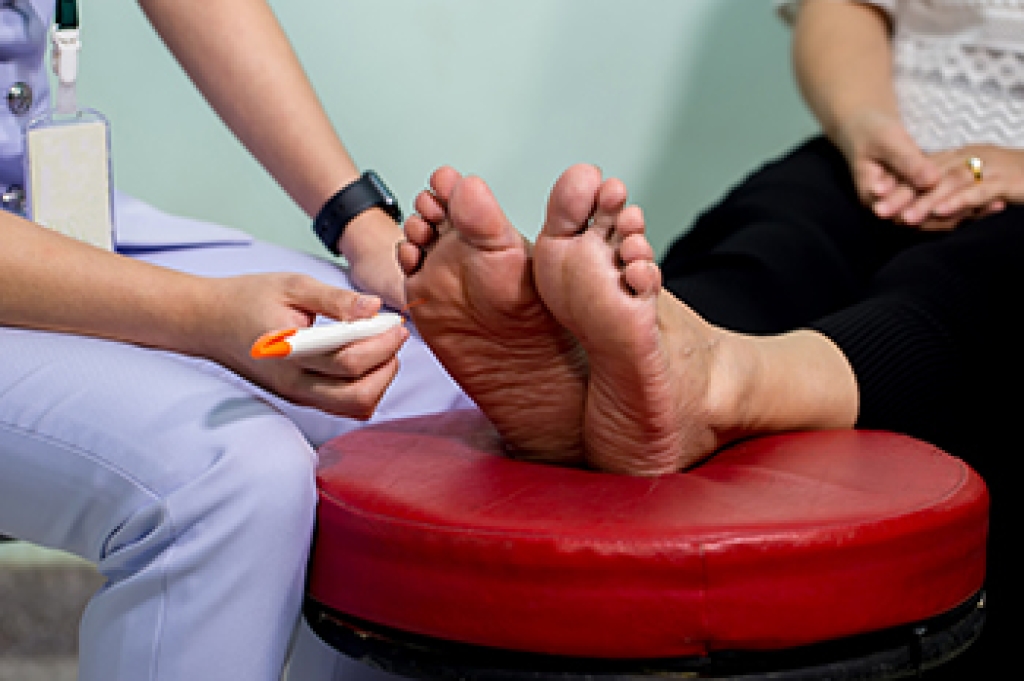
Neuropathy, a nerve disorder characterized by damage or dysfunction to peripheral nerves, can manifest in various symptoms and significantly impact the feet. Common symptoms of neuropathy include tingling, burning sensations, numbness, and sharp pain in the affected areas. In the context of foot neuropathy, individuals may experience loss of sensation, making it difficult to detect injuries or changes in temperature. This increases the risk of foot ulcers, infections, and other complications, particularly for those with diabetes or other underlying health conditions. Neuropathy can also disrupt normal motor function, leading to muscle weakness and altered gait patterns, affecting balance and coordination while walking or standing. Additionally, neuropathic pain can be chronic and debilitating, impairing quality of life and overall mobility. Recognizing the symptoms of neuropathy and its impact on the feet is critical for early diagnosis and management. If you have symptoms of neuropathy and your feet are affected, it is strongly suggested that you are under the care of a podiatrist who can help you to manage this condition.

Neuropathy

Neuropathy can be a potentially serious condition, especially if it is left undiagnosed. If you have any concerns that you may be experiencing nerve loss in your feet, consult with Steven Black, DPM from California . Our doctor will assess your condition and provide you with quality foot and ankle treatment for neuropathy.

What Is Neuropathy?

Neuropathy is a condition that leads to damage to the nerves in the body. Peripheral neuropathy, or neuropathy that affects your peripheral nervous system, usually occurs in the feet. Neuropathy can be triggered by a number of different causes. Such causes include diabetes, infections, cancers, disorders, and toxic substances.

Symptoms of Neuropathy Include:

  • Numbness
  • Sensation loss
  • Prickling and tingling sensations
  • Throbbing, freezing, burning pains
  • Muscle weakness

Those with diabetes are at serious risk due to being unable to feel an ulcer on their feet. Diabetics usually also suffer from poor blood circulation. This can lead to the wound not healing, infections occurring, and the limb may have to be amputated.

Treatment

To treat neuropathy in the foot, podiatrists will first diagnose the cause of the neuropathy. Figuring out the underlying cause of the neuropathy will allow the podiatrist to prescribe the best treatment, whether it be caused by diabetes, toxic substance exposure, infection, etc. If the nerve has not died, then it’s possible that sensation may be able to return to the foot.

Pain medication may be issued for pain. Electrical nerve stimulation can be used to stimulate nerves. If the neuropathy is caused from pressure on the nerves, then surgery may be necessary.

If you have any questions, please feel free to contact our office located in Lancaster, CA . We offer the newest diagnostic and treatment technologies for all your foot care needs.
Read more about Neuropathy

Is My Foot Pain Caused by Flat Feet?

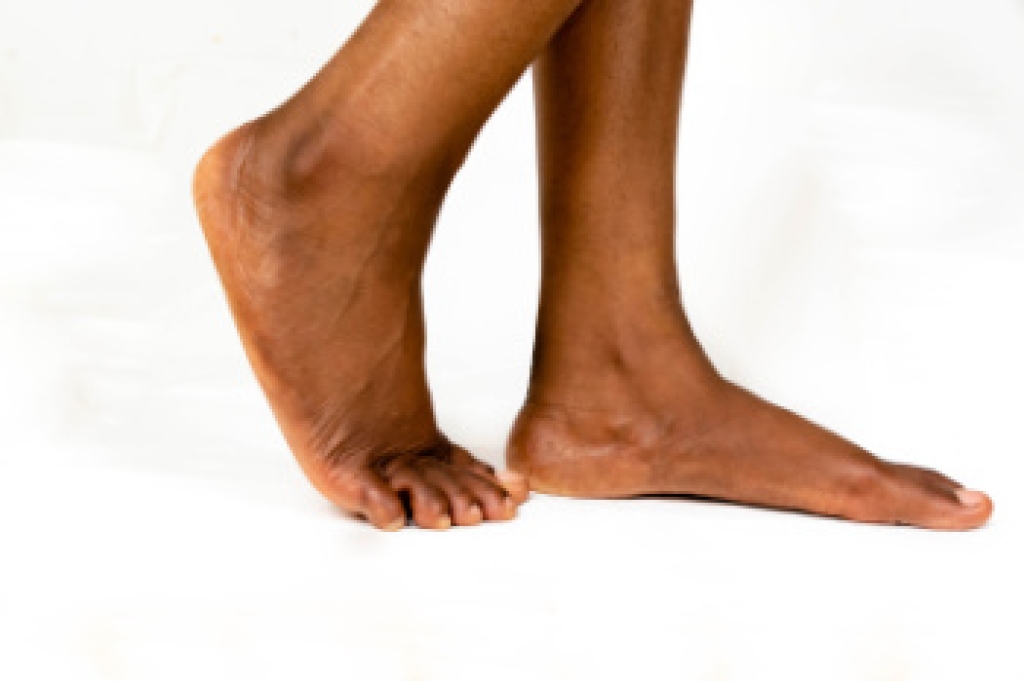
Flatfoot occurs when the arches of the feet are low or even touch the ground. While many people with flatfoot don’t experience major foot problems, the altered biomechanics of the foot can lead to foot pain and gait issues. Collapsed arches can strain the ligaments, tendons, and muscles that support the foot's structure. This strain is what may lead to pain, particularly in the arch area and the inner side of the ankle. This pain can even extend to the knee or lower back. Individuals with flat feet may experience pain during prolonged periods of standing or walking. The absence of a natural arch can also affect shock absorption, increasing the force on joints and potentially causing discomfort. Podiatrists can recommend supportive footwear, shoe inserts, and targeted exercises to strengthen the foot muscles. If you have foot pain and flat feet, it is suggested you consult with a podiatrist who can locate the source of your pain and provide a customized treatment plan to improve your foot health.

Flatfoot is a condition many people suffer from. If you have flat feet, contact Steven Black, DPM from California . Our doctor will treat your foot and ankle needs.

What Are Flat Feet?

Flatfoot is a condition in which the arch of the foot is depressed and the sole of the foot is almost completely in contact with the ground. About 20-30% of the population generally has flat feet because their arches never formed during growth.

Conditions & Problems:

Having flat feet makes it difficult to run or walk because of the stress placed on the ankles.

Alignment – The general alignment of your legs can be disrupted, because the ankles move inward which can cause major discomfort.

Knees – If you have complications with your knees, flat feet can be a contributor to arthritis in that area.  

Symptoms

  • Pain around the heel or arch area
  • Trouble standing on the tip toe
  • Swelling around the inside of the ankle
  • Flat look to one or both feet
  • Having your shoes feel uneven when worn

Treatment

If you are experiencing pain and stress on the foot you may weaken the posterior tibial tendon, which runs around the inside of the ankle. 

If you have any questions, please feel free to contact our office located in Lancaster, CA . We offer the newest diagnostic and treatment technologies for all your foot care needs.

Read more about Flat Feet

Wounds That Don't Heal Need to Be Checked

Your feet are covered most of the day. If you're diabetic, periodic screening is important for good health. Numbness is often a sign of diabetic foot and can mask a sore or wound.

Foot Odor Management

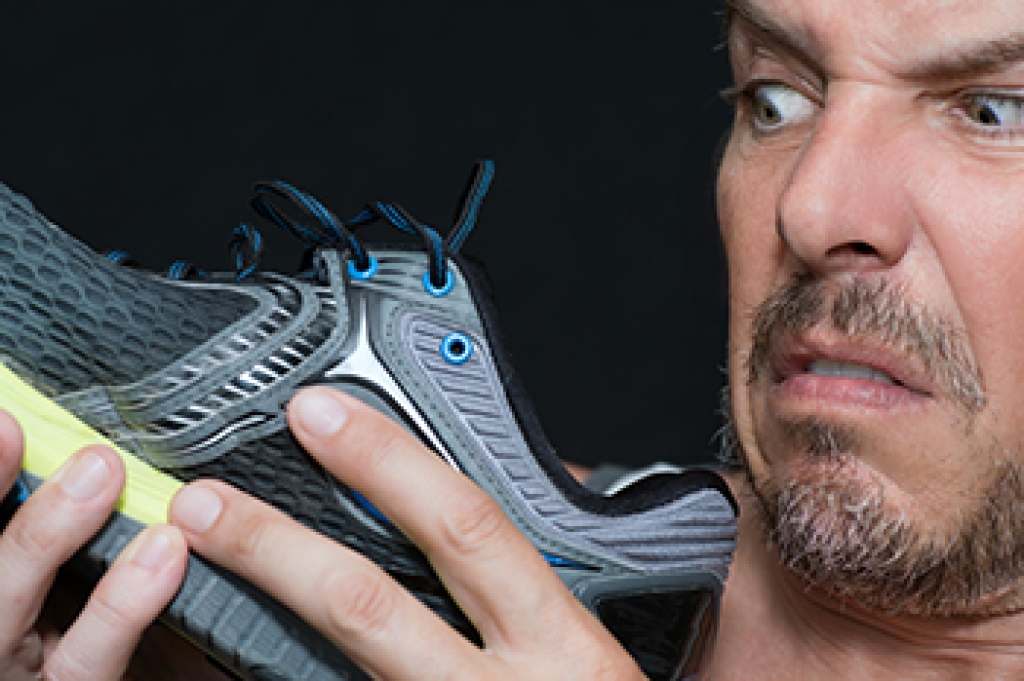
Foot odor, or bromodosis, can often be managed by following a few simple steps. It often results from sweat buildup, which fosters bacterial growth on the skin. Fungal infections, like athlete's foot, can also contribute to foot odor. The feet should be kept clean and dry. Toenails should be trimmed and cleaned. Dead skin can be removed by using a foot file to prevent bacterial growth. Socks should be changed daily or more often if an individual sweats heavily. It is also helpful to rotate shoes, allowing them to dry completely between uses. If you have severe foot odor that does not respond to good everyday foot care, it is suggested that you schedule an appointment with a podiatrist for stronger remedies to address the issue.

Everyday foot care is very important to prevent infection and other foot ailments. If you need your feet checked, contact Steven Black, DPM from California . Our doctor can provide the care you need to keep you pain-free and on your feet.

Everyday Foot Care

Often, people take care of their bodies, face and hair more so than they do for their feet. But the feet are a very important aspect of our bodies, and one that we should pay more attention to. Without our feet, we would not be able to perform most daily tasks.

It is best to check your feet regularly to make sure there are no new bruises or cuts that you may not have noticed before. For dry feet, moisturizer can easily be a remedy and can be applied as often as necessary to the affected areas. Wearing shoes that fit well can also help you maintain good foot health, as well as making it easier to walk and do daily activities without the stress or pain of ill-fitting shoes, high heels, or even flip flops. Wearing clean socks with closed shoes is important to ensure that sweat and bacteria do not accumulate within the shoe. Clean socks help to prevent Athlete’s foot, fungi problems, bad odors, and can absorb sweat.

If you have any questions, please feel free to contact our office located in Lancaster, CA . We offer the newest diagnostic and treatment technologies for all your foot care needs.

Read more about Every Day Foot Care

Ingrown Toenails and Infection Control

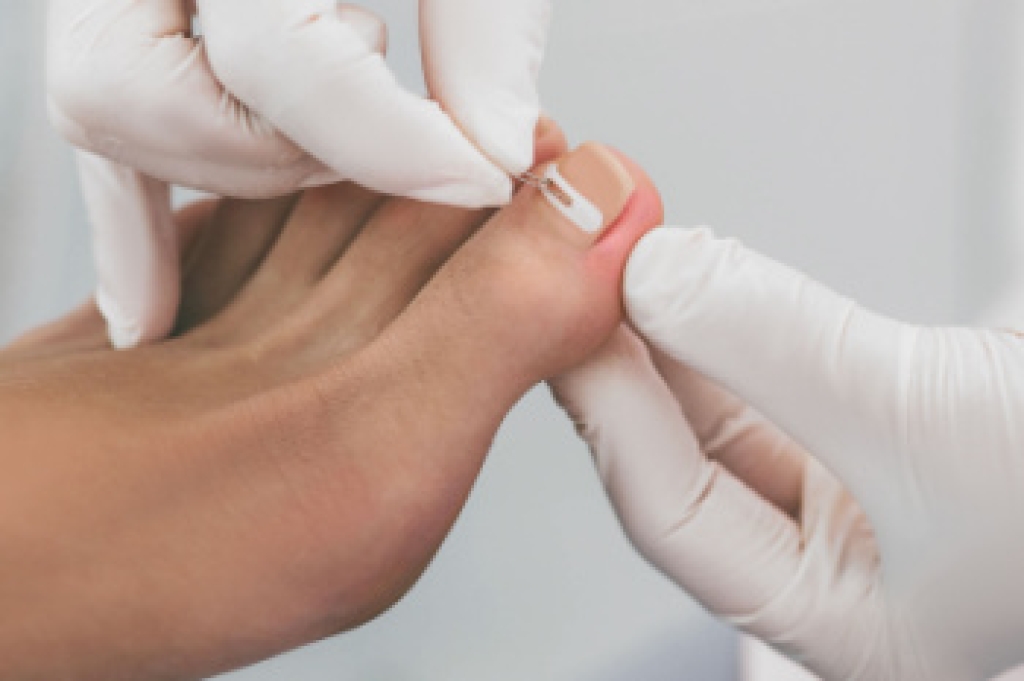
Ingrown toenails, a common foot ailment, occur when the nail's edge grows into the surrounding skin, leading to discomfort and potential infection. Effective infection control is critical in managing ingrown toenails. To prevent infections, it is important to maintain good foot hygiene. Keep your feet clean and dry, and trim your nails straight across to avoid sharp edges. Additionally, soaking your feet in warm, soapy water can help soften the nail and reduce inflammation. Wearing comfortable, well-fitting shoes that provide adequate toe space will help prevent ingrown toenails. In cases where an infection develops, or for severe or recurring ingrown toenails, it is suggested that you schedule an appointment with a podiatrist who can provide solutions, including possible nail removal.

Ingrown toenails can become painful if they are not treated properly. For more information about ingrown toenails, contact Steven Black, DPM of California . Our doctor can provide the care you need to keep you pain-free and on your feet.

Ingrown Toenails

Ingrown toenails occur when a toenail grows sideways into the bed of the nail, causing pain, swelling, and possibly infection.

Causes

  • Bacterial infections
  • Improper nail cutting such as cutting it too short or not straight across
  • Trauma to the toe, such as stubbing, which causes the nail to grow back irregularly
  • Ill-fitting shoes that bunch the toes too close together
  • Genetic predisposition

Prevention

Wearing proper fitting shoes and using proper cutting techniques will also help decrease your risk of developing ingrown toenails.

Treatment

Ingrown toenails are a very treatable foot condition. In minor cases, soaking the affected area in salt or antibacterial soaps will not only help with the ingrown nail itself, but also help prevent any infections from occurring. In more severe cases, surgery is an option. In either case, speaking to your podiatrist about this condition will help you get a better understanding of specific treatment options that are right for you.

If you have any questions, please feel free to contact our office located in Lancaster, CA . We offer the newest diagnostic and treatment technologies for all your foot care needs.

Read more about Ingrown Toenails

Connect With Us