Foot Pain and Cycling

Foot pain in cycling is rarely discussed but it is more common than might be imagined. A main cause of foot pain is ill-fitting footwear. Shoes that are too tight or do not have enough room in the toe box will cause pain. Socks that are too thick and take up too much space in the shoe, as well as bulkier orthotics built for walking or standing, can cramp toes, restricting blood flow and nerve conduction in the feet. Another common cause of foot pain in cycling is when cleats are too far forward. They can put more pressure on the forefoot, causing the foot muscles to do more work to stabilize the foot. This forward position can also allow the toes to lean down, which can cause the foot to slide down in the shoe and jam up against the front of the shoe. With the toes pointing down, the quadriceps will also be activated more than the glutes and hip extensors. This can upset the balance of these muscle groups and the weight distribution between the hips and feet. Moving the cleat further back can allow these muscles to relax. If you are a cyclist experiencing foot pain, try different shoes and move the cleat back to relieve discomfort. If these simple fixes do not work, consult with a podiatrist who is in the best position to diagnose any foot problems and treat them.

Sports related foot and ankle injuries require proper treatment before players can go back to their regular routines. For more information, contact Steven Black, DPM of California . Our doctor can provide the care you need to keep you pain-free and on your feet.

Sports Related Foot and Ankle Injuries

Foot and ankle injuries are a common occurrence when it comes to athletes of any sport. While many athletes dismiss the initial aches and pains, the truth is that ignoring potential foot and ankle injuries can lead to serious problems. As athletes continue to place pressure and strain the area further, a mild injury can turn into something as serious as a rupture and may lead to a permanent disability. There are many factors that contribute to sports related foot and ankle injuries, which include failure to warm up properly, not providing support or wearing bad footwear. Common injuries and conditions athletes face, including:

  • Plantar Fasciitis
  • Achilles Tendinitis
  • Achilles Tendon Rupture
  • Ankle Sprains

Sports related injuries are commonly treated using the RICE method. This includes rest, applying ice to the injured area, compression and elevating the ankle. More serious sprains and injuries may require surgery, which could include arthroscopic and reconstructive surgery. Rehabilitation and therapy may also be required in order to get any recovering athlete to become fully functional again. Any unusual aches and pains an athlete sustains must be evaluated by a licensed, reputable medical professional.

If you have any questions please contact our office located in Lancaster, CA . We offer the newest diagnostic and treatment technologies for all your foot and ankle needs.
Read more about Sports Related Foot And Ankle Injuries

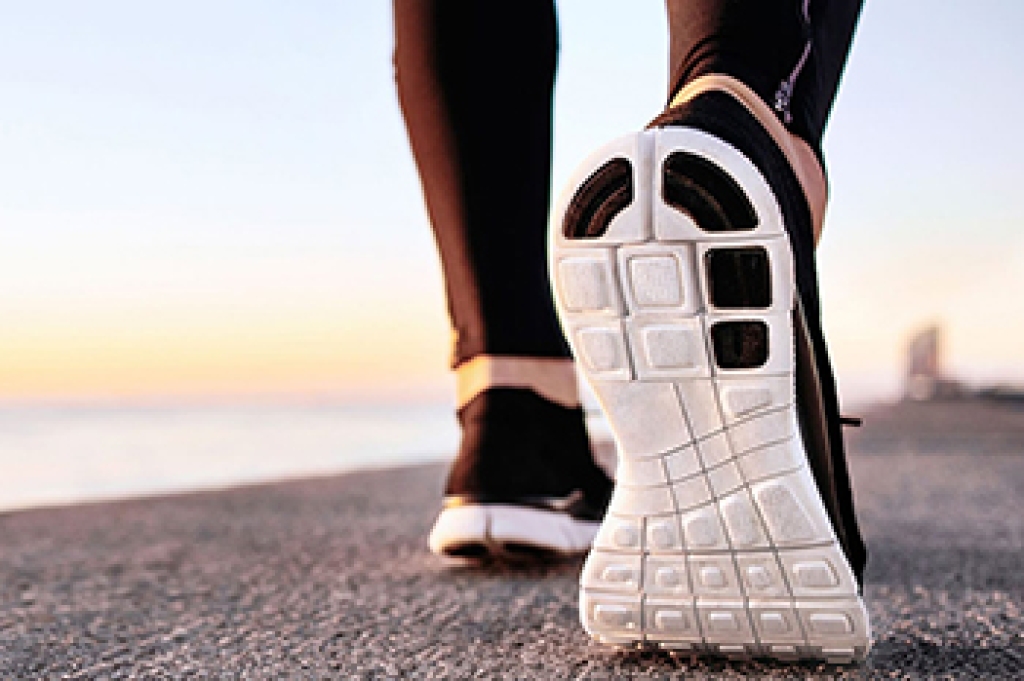
Understanding Footwear Jargon When Researching Running Shoes

If you are researching running shoes online you may have encountered some confusing footwear terminology. The basic components of a running shoe include the upper, the midsole, the outsole, the tongue, the heel counter, the toe box, and the last. Let’s start with the LAST, first. The LAST is the 3D model which forms the shape of the shoe. It can be straight, curved, or semi-curved. The UPPER covers the foot and holds the shoe together. The TONGUE is part of the UPPER and is a strip of material that sits under the laces. It helps put on and remove the shoe. The HEEL COUNTER is a sturdy form at the back of the shoe which surrounds and secures the heel. The TOE BOX provides the space where the toes reside and is the widest part of the shoe. The OUTSOLE is the bottom part of the shoe. It makes contact with the ground while providing traction and durability. The MIDSOLE sits on top of the outsole and provides cushioning and shock absorption. The INNERSOLE is above that and makes contact with the feet and attaches to the upper. Consult with your podiatrist for advice on the best type of running shoe and features for your particular feet and running stride.

Finding a properly-fitting shoe is important in reducing injuries and preventing foot problems. For more information about treatment, contact Steven Black, DPM from California . Our doctor will treat your foot and ankle needs.

Proper Shoe Fitting

A common concern when it comes to foot health, having properly fitted shoes can help prevent injuries to the foot. Out feet affect our posture and gait, which in turn affects the biomechanics and overall bodily structure. With 33 joints, 26 bones, and over 100 ligaments, the potential for serious injury is much greater than one realizes. Although the feet cease growth in adulthood, they still change shape as they mature. Here are some factors to consider when it comes to investing in proper fitting shoes:

  • Be sure the shoes fit correctly right away
  • Ensure the ball of your foot fits comfortably in the widest portion of the shoes
  • Even though they may look fashionable, improper fitting shoes can either create adverse conditions or exacerbate existing ones you may already have
  • Walk along a carpeted surface to ensure the shoes comfortably fit during normal activity

Keeping in mind how shoes fit the biomechanics of your body, properly-fitting shoes are vitally important. Fortunately, it is not difficult to acquire footwear that fits correctly. Be sure to wear shoes that support the overall structure of your body. Do your feet a favor and invest in several pairs of well-fitted shoes today.

If you have any questions, please feel free to contact our office located in Lancaster, CA . We offer the newest diagnostic and treatment technologies for all your foot care needs.

Read more about Proper Shoe Fitting

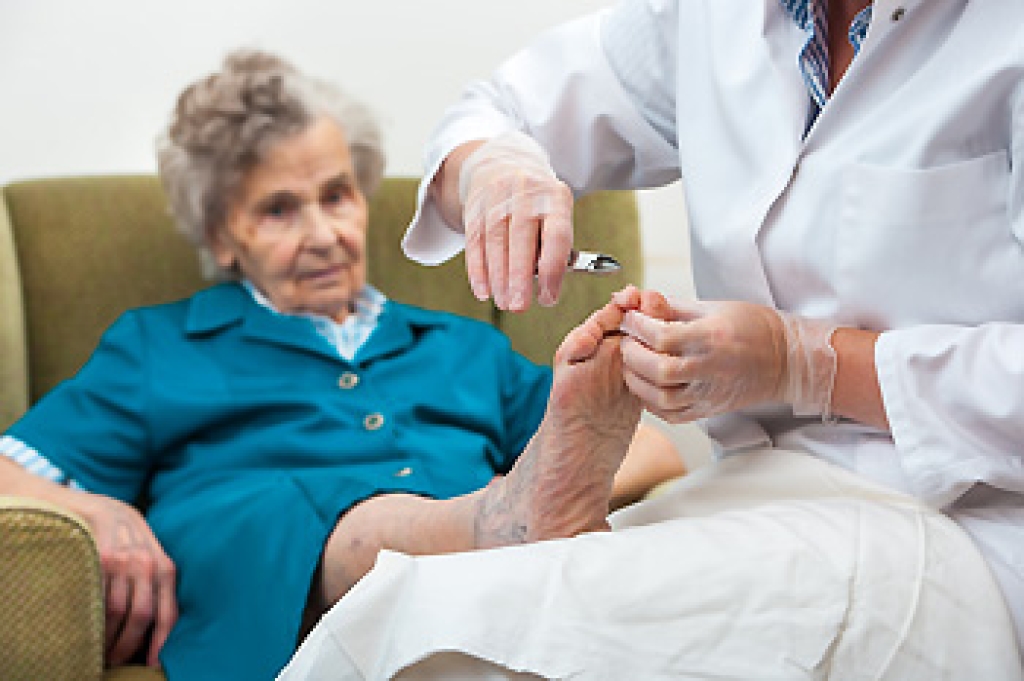
Caring for Elderly Feet

As people age and the skin loses its thickness and elasticity, it can become harder to take care of their feet. Because it gets harder to bend and inspect elderly feet, caregivers often assume the role of elderly foot care. This can be a daunting task if the one cared for is embarrassed that they cannot do this for themselves and resist help. The key things to look for regarding an older person’s feet are signs of infection, such as discolored nails, blisters, cracked skin, or bleeding sores and wounds. Clean and dry the feet thoroughly each day. Toenails should be kept at a short length to avoid breaking, snagging on clothing, or scratching the skin. Look for ingrown toenails or hangnails, moisturize the feet, and make sure the elderly person wears shoes that fit properly. Footwear should also provide adequate cushioning and support for the feet, and fasten securely. Socks should not be too tight. If circulation is an issue for an older person a warm foot bath might be employed to help with blood flow and relieve tired, achy feet. If infections or problems with an older person’s feet are noted, a quick response and contacting a podiatrist can prevent a foot health crisis. A podiatrist can properly diagnose, treat, and provide prevention tips on caring for elderly feet.

If you need your feet checked, contact Steven Black, DPM of California . Our doctor will attend to all of your foot and ankle needs and provide you with quality treatment.

Geriatrics and Podiatry
When people age, some common issues that may occur are bone density loss, dry skin, poor circulation, and rough brittle nails. These issues may also affect your foot health if the necessary steps are not taken to alleviate the problems.

It is important to take care of your feet because feet that are injured or diseased can affect your overall health. Having painful feet hinders your ability to do daily activities or may decrease your willingness to do the things that you need to do.

Visiting Your Geriatrician
As we age, health problems become more likely, so it is essential to visit your doctor for check-ups to ensure that you are doing the best you can to take care of your health. It is recommended to check your feet frequently for any possible cuts, bruises, swelling, corns or any other irregularities. 

Taking Care of Elderly Feet
Cracked or dry feet can be treated by applying moisturizer often. It is also important not to wear old socks because the older the sock is, the higher the possibility there will be that there is bacteria there. Wear fresh socks and make sure they fit properly.

Proper foot health means that you can have a more active lifestyle and you will not be bogged down by pain. Foot health also leads to good circulation, which is paramount for overall health.

If you have any questions, please feel free to contact our office located in Lancaster, CA . We offer the newest diagnostic and treatment technologies for all your foot care needs.

Read more about Geriatrics and Podiatry

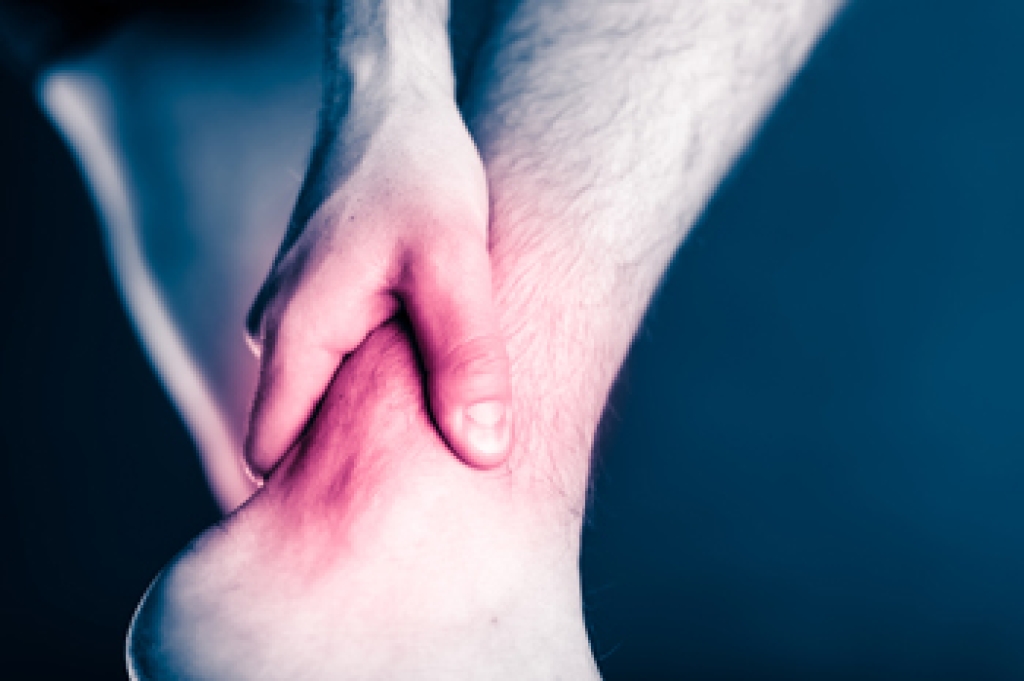
Common Achilles Tendon Disorders

The Achilles tendon is a band of tissue that runs down the back of your leg and connects the calf muscle to the heel. Its main job is to lift the heel so you can walk, run, and jump. When the Achilles tendon is overused, it can result in either tendonitis or tendinosis. Achilles tendonitis is especially common among athletes, laborers who spend a lot of time on their feet, and people who exercise infrequently. Symptoms may consist of pain, tenderness, stiffness, or soreness at the back of the heel. Tendonitis is an inflammation usually caused by a sudden increase in repetitive activity and normally is short-lived once you cease the activity. If ignored or neglected, however, it can become Achilles tendonosis, a far more serious condition. This may result in minor tears that degenerate the tendon and can eventually cause it to rupture. If you believe you have injured your Achilles tendon, please consult with a podiatrist who can properly diagnose the severity of your condition and offer the appropriate treatment options.

Achilles tendon injuries need immediate attention to avoid future complications. If you have any concerns, contact Steven Black, DPM of California . Our doctor can provide the care you need to keep you pain-free and on your feet.

What Is the Achilles Tendon?

The Achilles tendon is a tendon that connects the lower leg muscles and calf to the heel of the foot. It is the strongest tendon in the human body and is essential for making movement possible. Because this tendon is such an integral part of the body, any injuries to it can create immense difficulties and should immediately be presented to a doctor.

What Are the Symptoms of an Achilles Tendon Injury?

There are various types of injuries that can affect the Achilles tendon. The two most common injuries are Achilles tendinitis and ruptures of the tendon.

Achilles Tendinitis Symptoms

  • Inflammation
  • Dull to severe pain
  • Increased blood flow to the tendon
  • Thickening of the tendon

Rupture Symptoms

  • Extreme pain and swelling in the foot
  • Total immobility

Treatment and Prevention

Achilles tendon injuries are diagnosed by a thorough physical evaluation, which can include an MRI. Treatment involves rest, physical therapy, and in some cases, surgery. However, various preventative measures can be taken to avoid these injuries, such as:

  • Thorough stretching of the tendon before and after exercise
  • Strengthening exercises like calf raises, squats, leg curls, leg extensions, leg raises, lunges, and leg presses

If you have any questions please feel free to contact our office located in Lancaster, CA . We offer the newest diagnostic tools and technology to treat your foot and ankle needs.

Read more about What are Achilles Tendon Injuries

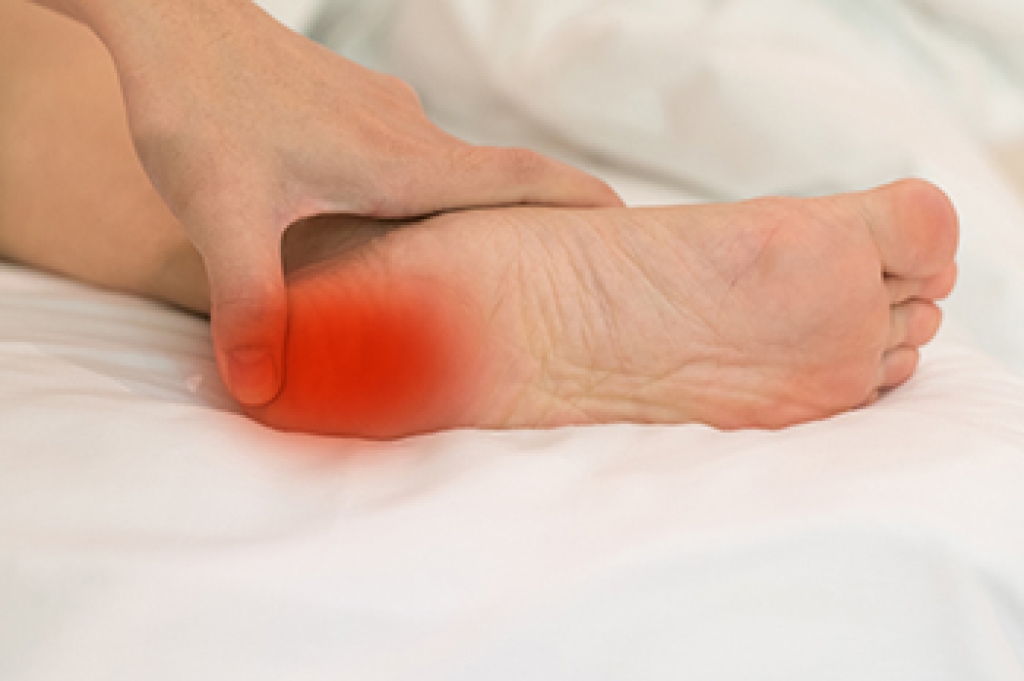
Different Forms of Heel Pain

Heel pain can be caused by a variety of factors, including biomechanical issues, injuries, arthritis, and more. By far, the most common form of heel pain is plantar fasciitis, a painful inflammation of the plantar fascia tissue on the bottom of the foot that connects the heel bone with the toes. Heel spurs, which often occur concurrently with plantar fasciitis, are actually bone growths that build up on the heel bone where the plantar fascia attaches to it as a result of long-term stress. Sever’s disease occurs in growing children. It is an inflammation in the growth plate of their heel that occurs from repetitive stress to the area from physical activity or overuse. Haglund’s deformity, also known as a pump bump, occurs when the bony section at the back of the heel rubs against shoes and causes the soft tissue to become irritated and form a bump where the heel attaches to the Achilles tendon. Nerve compression can also cause heel pain, numbness, and tingling. It is sometimes associated with an ankle sprain and is known as heel neuritis. There is a fluid-filled bursa sac at the back of the heel which can become irritated and swollen from improperly fitted footwear. This condition is known as bursitis. A podiatrist can diagnose your particular heel pain after reviewing your medical history, examining you, and running diagnostic tests. Call a podiatrist today to begin to get relief from your heel pain today.

Many people suffer from bouts of heel pain. For more information, contact Steven Black, DPM of California . Our doctor can provide the care you need to keep you pain-free and on your feet.

Causes of Heel Pain

Heel pain is often associated with plantar fasciitis. The plantar fascia is a band of tissues that extends along the bottom of the foot. A rip or tear in this ligament can cause inflammation of the tissue.

Achilles tendonitis is another cause of heel pain. Inflammation of the Achilles tendon will cause pain from fractures and muscle tearing. Lack of flexibility is also another symptom.

Heel spurs are another cause of pain. When the tissues of the plantar fascia undergo a great deal of stress, it can lead to ligament separation from the heel bone, causing heel spurs.

Why Might Heel Pain Occur?

  • Wearing ill-fitting shoes                
  • Wearing non-supportive shoes
  • Weight change           
  • Excessive running

Treatments

Heel pain should be treated as soon as possible for immediate results. Keeping your feet in a stress-free environment will help. If you suffer from Achilles tendonitis or plantar fasciitis, applying ice will reduce the swelling. Stretching before an exercise like running will help the muscles. Using all these tips will help make heel pain a condition of the past.

If you have any questions, please feel free to contact our office located in Lancaster, CA . We offer the newest diagnostic and treatment technologies for all your foot care needs.

Read more about Heel Pain

Connect With Us