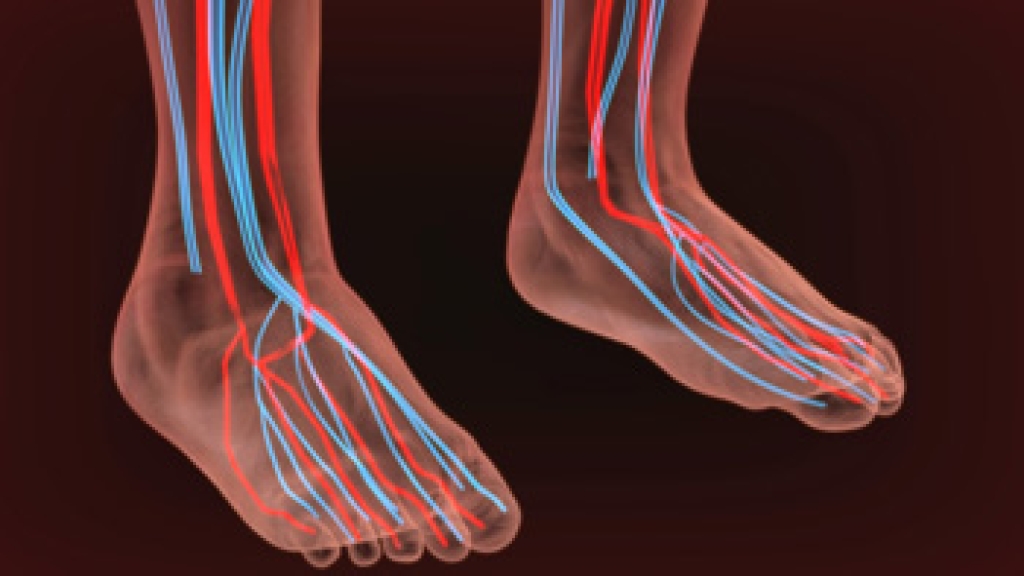
Symptoms and Causes of Poor Circulation in the Feet

Poor circulation in the feet is a condition where blood flow to the lower extremities is compromised, leading to various symptoms and potential health risks. One of the most common symptoms of poor circulation in the feet is persistent coldness, even when the weather is warm. Numbness and tingling sensations can also occur, making it uncomfortable to stand or walk. Swelling in the feet and ankles is another sign, as restricted blood flow can lead to fluid buildup. This condition can cause the feet to appear pale or bluish in color, and wounds or sores may take longer to heal. Muscle cramps and chronic foot pain, particularly during physical activity, can also be indicators of poor circulation. Several factors can contribute to poor circulation in the feet. Peripheral artery disease, or PAD, is a common cause, where atherosclerosis narrows the arteries and reduces blood flow. Conditions like diabetes can damage blood vessels, while smoking and obesity also can strain circulation. High blood pressure, a sedentary lifestyle, and blood clots can also hinder blood flow. If you have symptoms of poor circulation in your feet, it is suggested that you schedule an appointment with a podiatrist to identify the cause. Once that is determined, the proper treatment can be given for effective management and prevention of complications.

Poor circulation is a serious condition and needs immediate medical attention. If you have any concerns with poor circulation in your feet contact Steven Black, DPM of California . Our doctor will treat your foot and ankle needs.

Poor Circulation in the Feet

Poor blood circulation in the feet and legs is can be caused by peripheral artery disease (PAD), which is the result of a buildup of plaque in the arteries.

Plaque buildup or atherosclerosis results from excess calcium and cholesterol in the bloodstream. This can restrict the amount of blood which can flow through the arteries. Poor blood circulation in the feet and legs are sometimes caused by inflammation in the blood vessels, known as vasculitis.

Causes

Lack of oxygen and oxygen from poor blood circulation restricts muscle growth and development. It can also cause:

  • Muscle pain, stiffness, or weakness 
  • Numbness or cramping in the legs
  • Skin discoloration
  • Slower nail & hair growth
  • Erectile dysfunction

Those who have diabetes or smoke are at greatest risk for poor circulation, as are those who are over 50. If you have poor circulation in the feet and legs it may be caused by PAD and is important to make changes to your lifestyle in order to reduce risk of getting a heart attack or stroke. Exercise and maintaining a healthy lifestyle will dramatically improve conditions.

As always, see a podiatrist as he or she will assist in finding a regimen that suits you. A podiatrist can also prescribe you any needed medication. 

If you have any questions, please feel free to contact our office located in Lancaster, CA . We offer the newest diagnostic and treatment technologies for all your foot care needs.


Read more about Causes, Symptoms, and Treatment of Poor Blood Circulation in the Feet

Negative Effects of Wearing High Heels

Many people love wearing stilettos but certainly not the pain that comes with them. The repercussions of wearing high heels extend beyond aching feet. According to experts, consistently wearing the wrong type of heels can take a toll on your feet, ankles, knees, and back. The pressure on the forefoot intensifies as you elevate the heel, leading to metatarsalgia, a painful joint condition in the ball of the foot. Chronic metatarsalgia can result in stress fractures. Research indicates  that reducing heel height can significantly alleviate foot pressure. While three inch heels place 76 percent of the weight on the forefoot, opting for two inch heels decreases it to 57 percent, and one inch heels further reduce it to 22 percent. The Achilles tendon, vital for foot movement, faces strain as wearing high heels may cause excessive shortening. This stress can extend to the plantar fascia, resulting in plantar fasciitis, a painful condition that affects the heel and arch. In addition, studies show that initial ankle muscle strengthening from wearing heels regularly diminishes over time, leaving women susceptible to the risk of falls and ankle sprains. For help with managing foot and ankle problems caused by wearing high heels, it is suggested that you schedule an appointment with a podiatrist.

High heels have a history of causing foot and ankle problems. If you have any concerns about your feet or ankles, contact Steven Black, DPM from California . Our doctor can provide the care you need to keep you pain-free and on your feet.

Effects of High Heels on the Feet

High heels are popular shoes among women because of their many styles and societal appeal.  Despite this, high heels can still cause many health problems if worn too frequently.

Which Parts of My Body Will Be Affected by High Heels?

  • Ankle Joints
  • Achilles Tendon – May shorten and stiffen with prolonged wear
  • Balls of the Feet
  • Knees – Heels cause the knees to bend constantly, creating stress on them
  • Back – They decrease the spine’s ability to absorb shock, which may lead to back pain.  The vertebrae of the lower back may compress.

What Kinds of Foot Problems Can Develop from Wearing High Heels?

  • Corns
  • Calluses
  • Hammertoe
  • Bunions
  • Morton’s Neuroma
  • Plantar Fasciitis

How Can I Still Wear High Heels and Maintain Foot Health?

If you want to wear high heeled shoes, make sure that you are not wearing them every day, as this will help prevent long term physical problems.  Try wearing thicker heels as opposed to stilettos to distribute weight more evenly across the feet.  Always make sure you are wearing the proper shoes for the right occasion, such as sneakers for exercising.  If you walk to work, try carrying your heels with you and changing into them once you arrive at work.  Adding inserts to your heels can help cushion your feet and absorb shock. Full foot inserts or metatarsal pads are available. 

If you have any questions, please feel free to contact our office located in Lancaster, CA . We offer the newest diagnostic and treatment technologies for all your foot care needs.

Read more about Why High Heels Are Not Ideal for Healthy Feet

Reasons to Have Foot Surgery

Foot surgery is a decision often made with the goal of alleviating persistent discomfort and enhancing overall foot health. One common reason to have foot surgery is the correction of structural abnormalities, such as bunions or hammertoes, which can cause pain and affect mobility. Surgical intervention may also be necessary to address severe cases of conditions like plantar fasciitis, where conservative treatments have proven insufficient. Removal of painful growths or deformities, such as cysts or bone spurs, is another motive for foot surgery. Injuries, such as fractures or torn ligaments, may require surgical repair to restore normal function. In some cases, joint fusion or replacement becomes a viable option for advanced arthritis. Surgical procedures tailored to specific needs can significantly improve quality of life, reduce pain, and restore mobility, allowing individuals to step into a future with greater comfort and functionality. If you have a specific foot condition and are considering surgery, it is strongly suggested that you are under the care of a podiatrist who can help you determine if this is a correct decision for you.

Foot surgery is sometimes necessary to treat a foot ailment. To learn more, contact Steven Black, DPM of California . Our doctor will assist you with all of your foot and ankle needs.

When Is Surgery Necessary?

Foot and ankle surgery is generally reserved for cases in which less invasive, conservative procedures have failed to alleviate the problem. Some of the cases in which surgery may be necessary include:

  • Removing foot deformities like bunions and bone spurs
  • Severe arthritis that has caused bone issues
  • Cosmetic reconstruction

What Types of Surgery Are There?

The type of surgery you receive will depend on the nature of the problem you have. Some of the possible surgeries include:

  • Bunionectomy for painful bunions
  • Surgical fusion for realignment of bones
  • Neuropathy decompression surgery to treat nerve damage

Benefits of Surgery

Although surgery is usually a last resort, it can provide more complete pain relief compared to non-surgical methods and may allow you to finally resume full activity.

Surgical techniques have also become increasingly sophisticated. Techniques like endoscopic surgery allow for smaller incisions and faster recovery times.

If you have any questions, please feel free to contact our office located in Lancaster, CA . We offer the newest diagnostic and treatment technologies for all your foot care needs.
Read more about Foot Surgery

Treatment for Ingrown Toenails

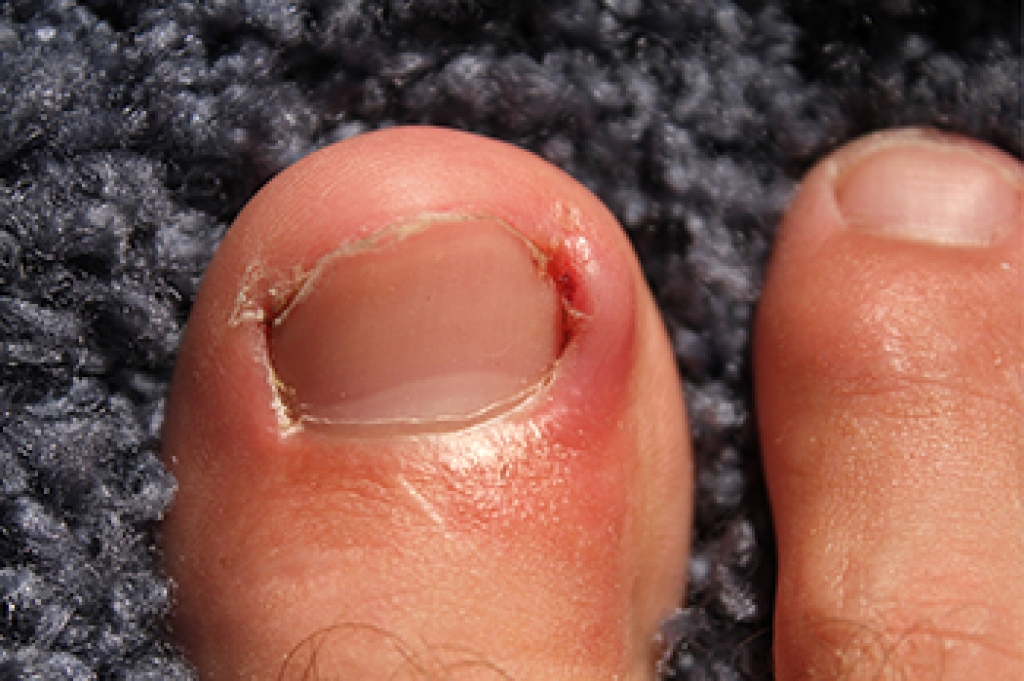
Ingrown toenails can be a painful and persistent issue, usually affecting the big toe and causing discomfort, inflammation, and sometimes bleeding. An ingrown toenail often results from wearing tight shoes, foot injuries, genetics, or poor foot care. When the curved edges of the nail pierce into the surrounding skin, pressure builds up, leading to pain, inflammation, tenderness, and redness. Beyond conservative treatments, there are two primary surgical methods for treatment, which are referred to as partial nail avulsion and total nail avulsion. Both are conducted under local anesthesia. Partial nail avulsion involves removing a portion of the nail, known as a wedge resection. The procedure trims one or both edges of the nail to make it narrower and give it a straight edge. This ingrown toenail treatment takes approximately 30 minutes and has a high success rate. With total nail avulsion, the entire nail is removed. This procedure is often reserved for those with recurrent issues or who are unresponsive to other less invasive ingrown toenail treatments. Proactive toenail care and early intervention are key to addressing ingrown toenails effectively. To manage an exceedingly painful or infected ingrown toenail, it is suggested that you make an appointment with a podiatrist for an exam, in addition to determining if surgery is best for you.

Ingrown toenails may initially present themselves as a minor discomfort, but they may progress into an infection in the skin without proper treatment. For more information about ingrown toenails, contact Steven Black, DPM of California . Our doctor can provide the care you need to keep you pain-free and on your feet.

Ingrown Toenails

Ingrown toenails are caused when the corner or side of a toenail grows into the soft flesh surrounding it. They often result in redness, swelling, pain, and in some cases, infection. This condition typically affects the big toe and may recur if it is not treated properly.

Causes

  • Improper toenail trimming
  • Genetics
  • Improper shoe fitting
  • Injury from pedicures or nail picking
  • Abnormal gait
  • Poor hygiene

You are more likely to develop an ingrown toenail if you are obese, have diabetes, arthritis, or have any fungal infection in your nails. Additionally, people who have foot or toe deformities are at a higher risk of developing an ingrown toenail.

Symptoms

Some symptoms of ingrown toenails are redness, swelling, and pain. In rare cases, there may be a yellowish drainage coming from the nail.

Treatment

Ignoring an ingrown toenail can have serious complications. Infections of the nail border can progress to a deeper soft-tissue infection, which can then turn into a bone infection. You should always speak with your podiatrist if you suspect you have an ingrown toenail, especially if you have diabetes or poor circulation.

If you have any questions, please feel free to contact our office located in Lancaster, CA . We offer the newest diagnostic and treatment technologies for all your foot care needs.

Read more about Ingrown Toenail Care

Definition and Career Path of a Podiatrist

Podiatry, a specialized branch of medicine, focuses on the diagnosis and treatment of disorders and conditions related to the feet and lower extremities. A podiatrist, also known as a Doctor of Podiatric Medicine, or DPM, is a healthcare professional who specializes in caring for the health and well-being of the feet. Their expertise encompasses a wide range of conditions, including foot and ankle injuries, diabetes-related foot problems, and structural issues. To become a podiatrist, one typically follows a rigorous educational path. This begins with completing a bachelor's degree, followed by enrollment in a Doctor of Podiatric Medicine, or DPM program, which is a four-year professional degree program. After earning the DPM degree, aspiring podiatrists typically undergo a residency program to gain hands-on experience in various clinical settings. Podiatrists then can choose to pursue board certification in a specific area of podiatric medicine, such as surgery or sports medicine, to further specialize in their field. If you have foot or ankle problems or are interested in pursuing podiatry as a career path, it is suggested that you speak with this type of doctor.

If you are dealing with pain in your feet and ankles, you may want to seek help from a podiatrist. Feel free to contact Steven Black, DPM from California . Our doctor can provide the care you need to keep you pain-free and on your feet.

What Is a Podiatrist?

A podiatrist is a doctor of podiatric medicine who diagnoses and treats conditions of the foot, ankle, and related structures of the leg. Your podiatrist may specialize in a certain field such as sports medicine, wound care, pediatrics, and diabetic care. Podiatrists have the ability to become board certified through training, clinical experience, and then taking an exam.

What Do Podiatrists Do?

On a daily basis, a podiatrist may perform the following activities:

  • Diagnose foot ailments such as ulcers, tumors, fractures, etc.
  • Use innovative methods to treat conditions
  • Use corrective orthotics, casts, and strappings to correct deformities
  • Correct walking patterns and balance
  • Provide individual consultations to patients

It is very important that you take care of your feet. It’s easy to take having healthy feet for granted, however foot problems tend to be among the most common health conditions. Podiatrists can help diagnose and treat a variety of feet related conditions, so it is crucial that you visit one if you need assistance.

If you have any questions, please feel free to contact our office located in Lancaster, CA . We offer the newest diagnostic and treatment technologies for all your foot care needs.
Read more about What is a Podiatrist?

Causes and Symptoms of Athlete’s Foot

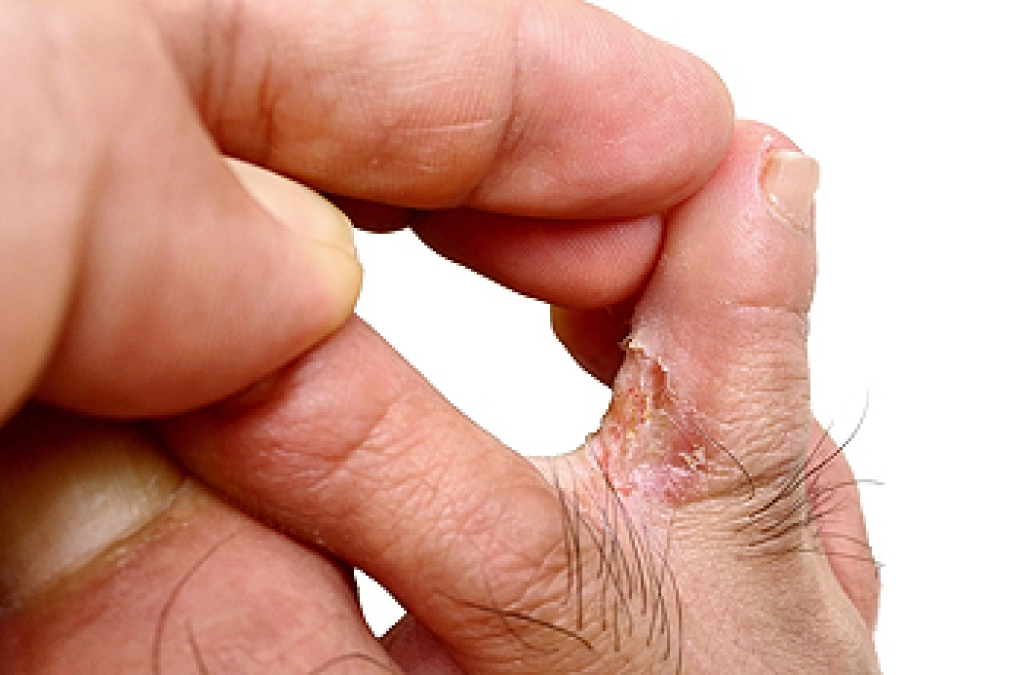
Athlete's foot, also known as tinea pedis, is a common fungal infection that affects the feet. It is caused by dermatophytes, a type of fungus that thrives in warm and moist environments. This condition can be uncomfortable, and if left untreated, it may lead to more serious complications. Athlete's foot is primarily caused by fungi that invade the dead outer layers of the skin. Common factors that contribute to the development of athlete's foot can include wearing poorly ventilated shoes, sweaty feet, contact with contaminated surfaces, and sharing footwear. Symptoms of athlete's foot often include scaling and peeling of the skin, especially in the toe webs, itching, or odor. The infection may also affect the soles of the feet, leading to redness, blistering, and peeling along the sides and soles. In advanced cases, there may be severe itching, a foul odor, painful cracking between the toes, and oozing. Symptoms, such as redness and swelling, areas of pus, or severe pain, may indicate a more serious infection that requires immediate medical attention to prevent further complications. For help managing athlete’s foot infections, it is suggested that you make an appointment with a podiatrist.

Athlete’s Foot

Athlete’s foot is often an uncomfortable condition to experience. Thankfully, podiatrists specialize in treating athlete’s foot and offer the best treatment options. If you have any questions about athlete’s foot, consult with Steven Black, DPM from California . Our doctor will assess your condition and provide you with quality treatment.

What Is Athlete’s Foot?

Tinea pedis, more commonly known as athlete’s foot, is a non-serious and common fungal infection of the foot. Athlete’s foot is contagious and can be contracted by touching someone who has it or infected surfaces. The most common places contaminated by it are public showers, locker rooms, and swimming pools. Once contracted, it grows on feet that are left inside moist, dark, and warm shoes and socks.

Prevention

The most effective ways to prevent athlete’s foot include:

  • Thoroughly washing and drying feet
  • Avoid going barefoot in locker rooms and public showers
  • Using shower shoes in public showers
  • Wearing socks that allow the feet to breathe
  • Changing socks and shoes frequently if you sweat a lot

Symptoms

Athlete’s foot initially occurs as a rash between the toes. However, if left undiagnosed, it can spread to the sides and bottom of the feet, toenails, and if touched by hand, the hands themselves. Symptoms include:

  • Redness
  • Burning
  • Itching
  • Scaly and peeling skin

Diagnosis and Treatment

Diagnosis is quick and easy. Skin samples will be taken and either viewed under a microscope or sent to a lab for testing. Sometimes, a podiatrist can diagnose it based on simply looking at it. Once confirmed, treatment options include oral and topical antifungal medications.

If you have any questions, please feel free to contact our office located in Lancaster, CA . We offer the newest diagnostic and treatment technologies for all your foot care needs.

Read more about Athlete's Foot

Ease Painful Feet With Orthotics

Custom orthotics can be used to relieve foot pain and discomfort. They're also used to treat various foot conditions and deformities. Flat feet, bunions, and Morton's neuroma are just a few of the foot conditions that have been known to benefit from the use of orthotics.

Comfy feet are happy feet! Contact us today.

Difficult Identification of Cuboid Syndrome

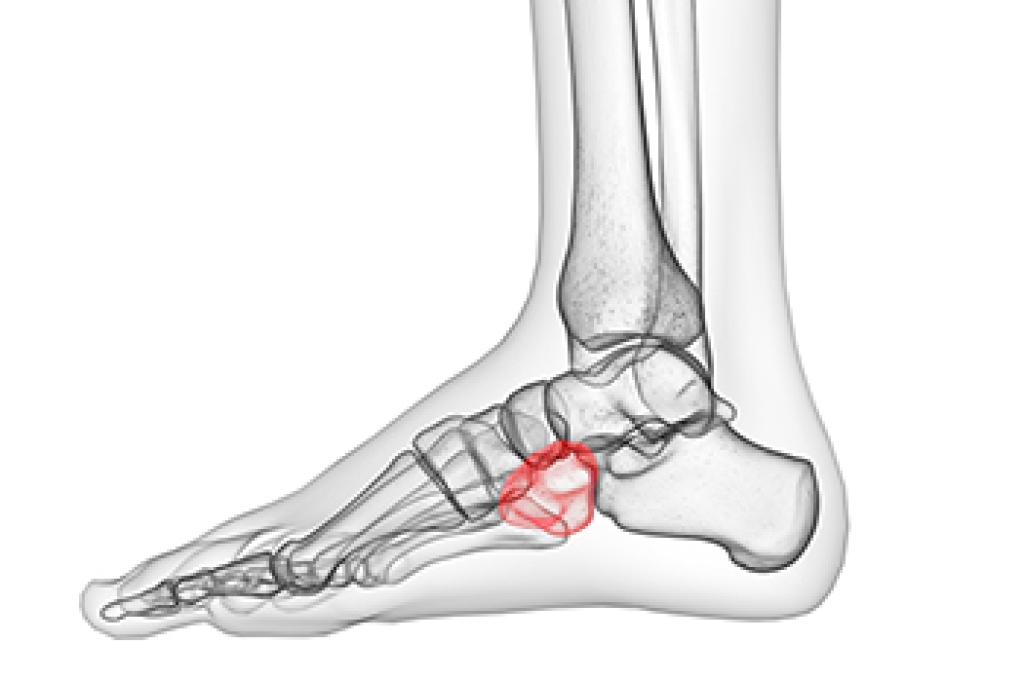
Cuboid syndrome has numerous alternate names, such as cuboid fault syndrome or lateral plantar neuritis. It manifests primarily as pain on the foot's outer edge, which stems from a misalignment of the cuboid bone. Located centrally within the foot, this bone connects seamlessly with other bones and is anchored by ligaments and tendons. A crucial joint in this context is the calcaneocuboid joint, vital for foot stability and motion. Problems arise when the bone displaces from its position, resulting in symptoms like pain, restricted motion, and challenges in weight-bearing. The diagnosis of cuboid syndrome often remains elusive as other issues can lead to lateral foot pain, such as gout, compression neuropathy, and tendinopathy. If cuboid syndrome is the culprit, treatment typically focuses on bone manipulation, with persistent cases demanding further interventions. If you have lateral foot pain, it is suggested that you make an appointment with a podiatrist for an examination, diagnosis, and treatment for its cause.

Cuboid syndrome, also known as cuboid subluxation, occurs when the joints and ligaments near the cuboid bone in the foot become torn. If you have cuboid syndrome, consult with Steven Black, DPM from California . Our doctor will assess your condition and provide you with quality foot and ankle treatment.

Cuboid syndrome is a common cause of lateral foot pain, which is pain on the outside of the foot. The condition may happen suddenly due to an ankle sprain, or it may develop slowly overtime from repetitive tension through the bone and surrounding structures.

Causes

The most common causes of cuboid syndrome include:

  • Injury – The most common cause of this ailment is an ankle sprain.
  • Repetitive Strain – Tension placed through the peroneus longus muscle from repetitive activities such as jumping and running may cause excessive traction on the bone causing it to sublux.
  • Altered Foot Biomechanics – Most people suffering from cuboid subluxation have flat feet.

Symptoms

A common symptom of cuboid syndrome is pain along the outside of the foot which can be felt in the ankle and toes. This pain may create walking difficulties and may cause those with the condition to walk with a limp.

Diagnosis

Diagnosis of cuboid syndrome is often difficult, and it is often misdiagnosed. X-rays, MRIs and CT scans often fail to properly show the cuboid subluxation. Although there isn’t a specific test used to diagnose cuboid syndrome, your podiatrist will usually check if pain is felt while pressing firmly on the cuboid bone of your foot.

Treatment

Just as the range of causes varies widely, so do treatments. Some more common treatments are ice therapy, rest, exercise, taping, and orthotics.

If you have any questions, please feel free to contact our office located in Lancaster, CA . We offer the newest diagnostic and treatment technologies for all your foot care needs.
Read more about All About Cuboid Syndrome

The Seriousness of Foot Pain

Foot pain can be more than just an inconvenience, it can be a warning sign of underlying health issues. Various health conditions can manifest through foot pain. For instance, a malfunctioning thyroid gland can affect nerve sensation in your feet. Similarly, degenerative changes in your lower back could irritate spinal nerves, impacting foot health. Peripheral arterial disease, or PAD, results from plaque buildup in leg arteries, causing foot pain and increasing the risk of heart attack and stroke. Rheumatoid arthritis is another culprit that can result in foot and ankle symptoms and severely alter the shape of your feet over time. Additionally, gout results from uric acid buildup, causing intense foot pain. Diabetes can damage nerves and blood vessels in the feet, leading to numbness and infections. Ignoring foot pain can be perilous. Not only could it indicate a localized issue, but it may also be a symptom of more systemic health problems. Therefore, if you have chronic or severe foot pain, it is strongly suggested that you make an appointment with a podiatrist for a proper diagnosis and individualized treatment.

Foot Pain

Foot pain can be extremely painful and debilitating. If you have a foot pain, consult with Steven Black, DPM from California . Our doctor will assess your condition and provide you with quality foot and ankle treatment.

Causes

Foot pain is a very broad condition that could be caused by one or more ailments. The most common include:

  • Bunions
  • Hammertoes
  • Plantar Fasciitis
  • Bone Spurs
  • Corns
  • Tarsal Tunnel Syndrome
  • Ingrown Toenails
  • Arthritis (such as Gout, Rheumatoid, and Osteoarthritis)
  • Flat Feet
  • Injury (from stress fractures, broken toe, foot, ankle, Achilles tendon ruptures, and sprains)
  • And more

Diagnosis

To figure out the cause of foot pain, podiatrists utilize several different methods. This can range from simple visual inspections and sensation tests to X-rays and MRI scans. Prior medical history, family medical history, and any recent physical traumatic events will all be taken into consideration for a proper diagnosis.

Treatment

Treatment depends upon the cause of the foot pain. Whether it is resting, staying off the foot, or having surgery; podiatrists have a number of treatment options available for foot pain.

If you have any questions, please feel free to contact our office located in Lancaster, CA . We offer the newest diagnostic and treatment technologies for all your foot care needs.

Read more about Foot Pain

Connect With Us