Serious Problems Indicated by Foot Pain

Feet can be barometers for health problems that occur in the body. The feet are often neglected, especially when there is no pain.  However, major changes in foot comfort can be an indication of a larger health issue going on. Problems you can have with your feet include foot cramping, a sore or abscess that will not heal, or constantly cold feet. Foot cramping is when a muscle in the foot suddenly squeezes and cannot relax properly. This can signal dehydration, nerve and circulation problems, or neurological disease. An abscess that will not heal can be the result of diabetes or peripheral artery disease and if not treated, can become infected and gangrenous. Feet that feel cold even after putting on warm socks can be due to poor blood circulation, which can be associated with cardiovascular disease, high blood pressure, hypothyroidism, or anemia. There are many other health problems that can cause foot pain. If you are experiencing discomfort with your feet, consult with a podiatrist who can help you with a proper diagnosis.

Foot Pain

Foot pain can be extremely painful and debilitating. If you have a foot pain, consult with Steven Black, DPM from California . Our doctor will assess your condition and provide you with quality foot and ankle treatment.

Causes

Foot pain is a very broad condition that could be caused by one or more ailments. The most common include:

  • Bunions
  • Hammertoes
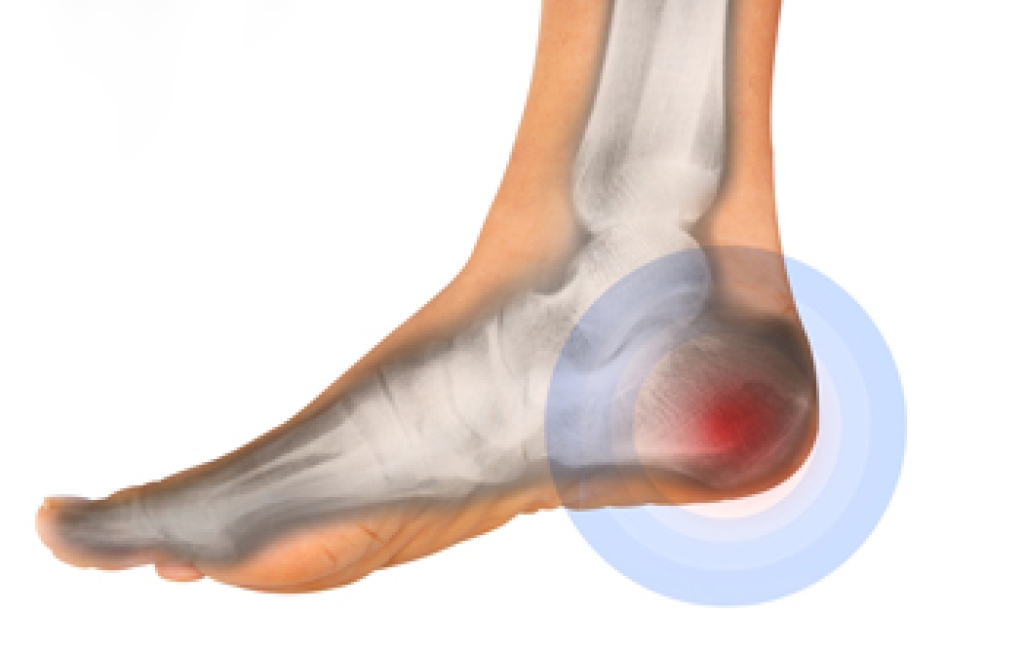
  • Plantar Fasciitis
  • Bone Spurs
  • Corns
  • Tarsal Tunnel Syndrome
  • Ingrown Toenails
  • Arthritis (such as Gout, Rheumatoid, and Osteoarthritis)
  • Flat Feet
  • Injury (from stress fractures, broken toe, foot, ankle, Achilles tendon ruptures, and sprains)
  • And more

Diagnosis

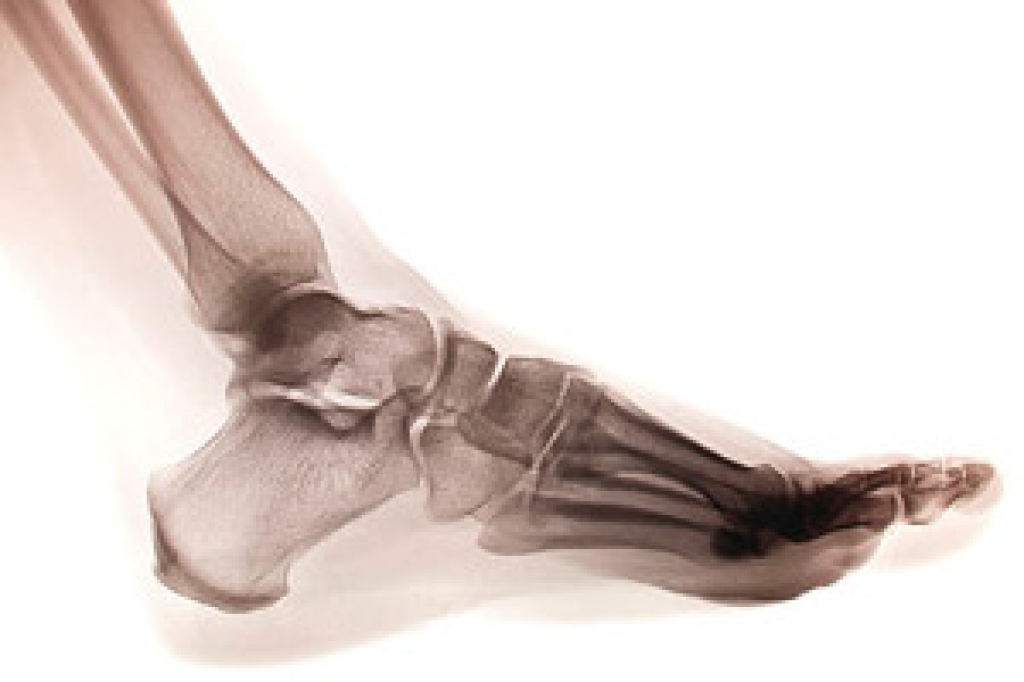
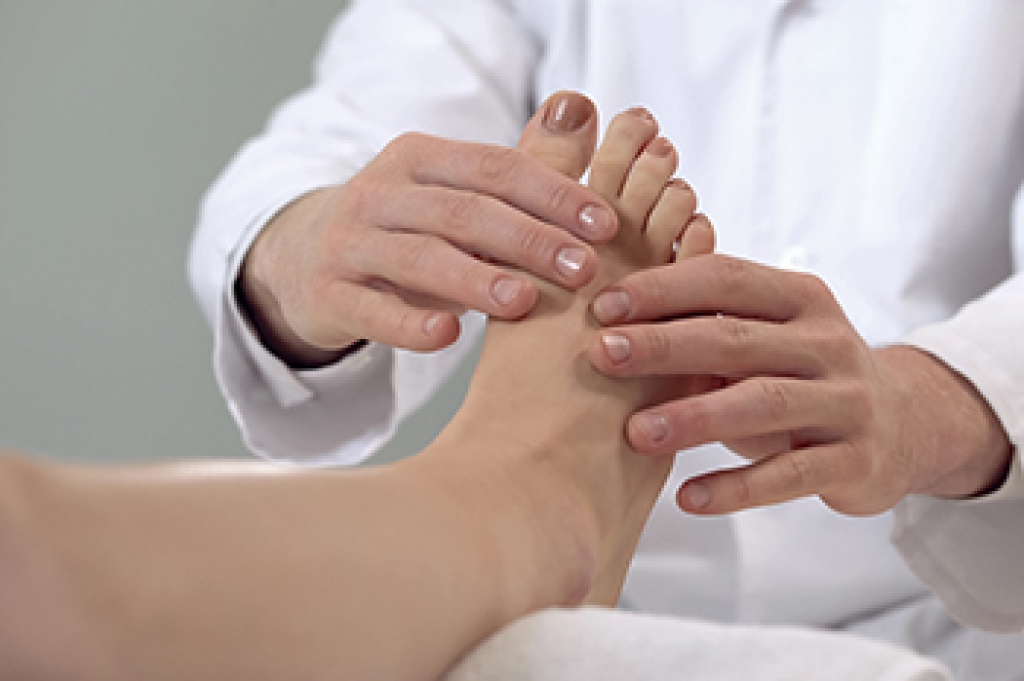
To figure out the cause of foot pain, podiatrists utilize several different methods. This can range from simple visual inspections and sensation tests to X-rays and MRI scans. Prior medical history, family medical history, and any recent physical traumatic events will all be taken into consideration for a proper diagnosis.

Treatment

Treatment depends upon the cause of the foot pain. Whether it is resting, staying off the foot, or having surgery; podiatrists have a number of treatment options available for foot pain.

If you have any questions, please feel free to contact our office located in Lancaster, CA . We offer the newest diagnostic and treatment technologies for all your foot care needs.

Read more about Foot Pain

Deformities of Newborn Feet

Parents often hope for their newborn infant to have 10 fingers and toes. This hope is realized more often than not. The two most common foot deformities in newborns are metatarsus adductus and calcaneovalgus. Both conditions develop from how the baby’s feet have been positioned inside the uterus. Happily, these two problems usually improve on their own, without treatment. Metarsus adductus is a curve in the middle of the foot that happens when the feet are folded inward. The crookedness of the foot means how flexible it is and whether it can be straightened when pushed into its normal position. When the feet are stiff and do not correct themselves, they may benefit from casting, but this is usually not necessary. Calcaneovalgus is the opposite of metatarsus adductus. It is when the foot is pushed up and out. It may be difficult to point an infant’s foot down all the way. With both conditions, stretching the newborn's foot while feeding or during diaper changes could not hurt. If you are expecting a baby or are a parent of a newborn, consulting with a podiatrist can help deal with possible foot problems at birth, in addition to answering any questions you may have, and helping to ensure the health of your child’s feet.

Congenital foot problems require immediate attention to avoid future complications. If you have any concerns, contact Steven Black, DPM of California . Our doctor can provide the care you need to keep you pain-free and on your feet.

Congenital foot problems are deformities affecting the feet, toes, and/or ankles that children are born with. Some of these conditions have a genetic cause while others just happen. Some specific foot ailments that children may be born with include clubfeet, polydactyly/macrodactyly, and cleft foot. There are several other foot anomalies that can occur congenitally. What all of these conditions have in common is that a child may experience difficulty walking or performing everyday activities, as well as trouble finding footwear that fits their foot deformity. Some of these conditions are more serious than others. Consulting with a podiatrist as early as possible will help in properly diagnosing a child’s foot condition while getting the necessary treatment underway.

What are Causes of Congenital Foot Problem?

A congenital foot problem is one that happens to a child at birth. These conditions can be caused by a genetic predisposition, developmental or positional abnormalities during gestation, or with no known cause.

What are Symptoms of Congenital Foot Problems?

Symptoms vary by the congenital condition. Symptoms may consist of the following:

  • Clubfoot, where tendons are shortened, bones are shaped differently, and the Achilles tendon is tight, causing the foot to point in and down. It is also possible for the soles of the feet to face each other.
  • Polydactyly, which usually consists of a nubbin or small lump of tissue without a bone, a toe that is partially formed but has no joints, or an extra toe.
  • Vertical talus, where the talus bone forms in the wrong position causing other bones in the foot to line up improperly, the front of the foot to point up, and the bottom of the foot to stiffen, with no arch, and to curve out.
  • Tarsal coalition, when there is an abnormal connection of two or more bones in the foot leading to severe, rigid flatfoot.
  • Cleft foot, where there are missing toes, a V-shaped cleft, and other anatomical differences.
  • Macrodactyly, when the toes are abnormally large due to overgrowth of the underlying bone or soft tissue.

Treatment and Prevention

While there is nothing one can do to prevent congenital foot problems, raising awareness and receiving neonatal screenings are important. Early detection by taking your child to a podiatrist leads to the best outcome possible.

If you have any questions, please feel free to contact our office located in Lancaster, CA . We offer the newest diagnostic and treatment technologies for all your foot care needs.

Read more about Congenital Foot Problems

What Is a Metatarsal Stress Fracture?

There are five metatarsal bones found in the foot, each connecting the heel/arch to the toes. These long bones play a critical role in helping the foot function. However, the metatarsal bones can suffer from what is known as a stress fracture, a crack in the bone that develops from repeated trauma. The metatarsal bones are the second most common bones in the lower limbs to suffer from stress fractures, the first being the tibia leg bone. Of the five metatarsals, the second and third metatarsal bones are the most commonly afflicted. One common symptom of a metatarsal stress fracture is pain felt in the foot when walking or running. If you are running long distances and are not wearing the right kind of footwear, you might be increasing your risk of developing a stress fracture. Contact a podiatrist today for more information about metatarsal stress fractures.

Activities where too much pressure is put on the feet can cause stress fractures. To learn more, contact Steven Black, DPM from California . Our doctor can provide the care you need to keep your pain free and on your feet.

Dealing with Stress Fractures of the Foot and Ankle

Stress fractures occur in the foot and ankle when muscles in these areas weaken from too much or too little use.  The feet and ankles then lose support when walking or running from the impact of the ground. Since there is no protection, the bones receive the full impact of each step. Stress on the feet can cause cracks to form in the bones, thus creating stress fractures.

What Are Stress Fractures?

Stress fractures occur frequently in individuals whose daily activities cause great impact on the feet and ankles. Stress factors are most common among:

  • Runners                                
  • People affected with Osteoporosis
  • Tennis or basketball players
  • Gymnasts
  • High impact workouts

Symptoms

Pain from the fractures occur in the area of the fractures and can be constant or intermittent. It will often cause sharp or dull pain with swelling and tenderness. Engaging in any kind of activity which involves high impact will aggravate pain.

If you have any questions please contact our office located in Lancaster, CA . We offer the newest diagnostic and treatment technologies for all your foot and ankle needs.

Read more about Stress Fractures of the Foot and Ankle

Compression Socks for Working on the Feet

By nature of a restaurant worker’s job, most of the work day is spent walking or putting weight on the feet. Restaurant workers are certainly not alone – in fact, many workers across the country (including hairdressers, nurses, and school teachers) spend the majority of the work day on their feet. While there are many different techniques you might consider trying to mitigate the toll your job might be taking on your feet, wearing compression socks could be a very useful trick. Compression socks are meant to facilitate blood circulation in the feet and legs, effectively reducing swelling in these areas. This might be particularly beneficial for workers who have developed varicose or spider veins. Compression socks are also now produced in a wide variety of different colors and designs, making them fun and fashionable, in addition to being useful. Schedule an appointment with a podiatrist today if you spend your day on your feet and want to learn more about compression socks.

While working on the feet, it is important to take the proper care of them. For more information about working on your feet, contact Steven Black, DPM from California . Our doctor will treat your foot and ankle needs.

Working on Your Feet

Standing on your feet for long periods of time can cause stress and pain in your feet. Your whole body may experience change in terms of posture, back pain, bunions, callouses and or plantar warts. There are ways to avoid these conditions with proper foot care, smart choices and correct posture.

Positive Changes

Negative heeled shoe – Choosing this shoe type places the heel slightly lower than the ball of the foot. These are great for overall foot health. Find shoes that fit you correctly.

Go barefoot – Our feet were not designed to be enclosed for all hours of the day. Try to periodically expose your feet to air.

Eliminate Pain

Foot Exercises – Performing simple exercises, incorporating yoga and doing stretches are beneficial. This will allow increased blood flow to the area and muscles of the foot.

Achilles tendon – Stretching the foot out flat on the floor will relax the calf muscles and tendon. These exercises can be performed almost anywhere. Make sure you add these exercises to your daily regimen. 

With a little bit of this information and knowing more about foot health, you will notice changes. Foot stretches and proper footwear will help with pain and prevent further issues.

If you have any questions please contact our office located in Lancaster, CA . We offer the newest diagnostic and treatment technologies for all your foot and ankle needs.

Read more about Working on Your Feet

Do Your Child's Feet Hurt?

Have your child's feet been examined lately? Healthy feet are happy feet. If your child is complaining of foot pain, it may be a sign of underlying problems.

Can Pins and Needles Occur From PAD?

Peripheral artery disease (PAD) can cause numbness and a pins and needles sensation in the feet. This happens as a result of arteries that have become blocked, and it can be common among diabetic patients. Additional symptoms can include foot wounds that will not heal, poor toenail growth, and the feet may feel cold. People who enjoy working out may find the pain gradually diminished after exercises are completed, and this can be because of increased blood flow to the muscles. PAD is diagnosed by performing a test that is known as an ankle-brachial index (ABI). This is an effective method for comparing the blood pressure in the arms to the blood pressure in the legs. There may be more testing that is required if the results are abnormal. Additionally, many patients are unaware they may have PAD and may easily be mistaken for arthritis. If you have any of the symptoms mentioned, it is advised that you consult with a podiatrist who can diagnose PAD and offer various treatment techniques. 

Peripheral artery disease can pose a serious risk to your health. It can increase the risk of stroke and heart attack. If you have symptoms of peripheral artery disease, consult with Steven Black, DPM from California . Our doctor will assess your condition and provide you with quality foot and ankle treatment.

Peripheral artery disease (PAD) is when arteries are constricted due to plaque (fatty deposits) build-up. This results in less blood flow to the legs and other extremities. The main cause of PAD is atherosclerosis, in which plaque builds up in the arteries.

Symptoms

Symptoms of PAD include:

  • Claudication (leg pain from walking)
  • Numbness in legs
  • Decrease in growth of leg hair and toenails
  • Paleness of the skin
  • Erectile dysfunction
  • Sores and wounds on legs and feet that won’t heal
  • Coldness in one leg

It is important to note that a majority of individuals never show any symptoms of PAD.

Diagnosis

While PAD occurs in the legs and arteries, Podiatrists can diagnose PAD. Podiatrists utilize a test called an ankle-brachial index (ABI). An ABI test compares blood pressure in your arm to you ankle to see if any abnormality occurs. Ultrasound and imaging devices may also be used.

Treatment

Fortunately, lifestyle changes such as maintaining a healthy diet, exercising, managing cholesterol and blood sugar levels, and quitting smoking, can all treat PAD. Medications that prevent clots from occurring can be prescribed. Finally, in some cases, surgery may be recommended.

If you have any questions, please feel free to contact our office located in Lancaster, CA . We offer the newest diagnostic and treatment technologies for all your foot care needs.

Read more about Peripheral Artery Disease

Foot Taping May Provide Relief from Painful Plantar Fasciitis

Plantar fasciitis is a form of heel pain that is quite common. It occurs when the plantar fascia tissue that connects the heel with the toes becomes damaged and sometimes torn through overuse. Plantar fasciitis causes pain and swelling in the tissue, which is worse in the morning, because the plantar fascia tissue tightens while you are sleeping. A podiatrist deals with cases of plantar fasciitis every day and has many forms of treatments to alleviate the painful symptoms of this condition. Your podiatrist may tape your foot with a rigid adhesive sports strapping tape to reduce the stretch and strain on your plantar fascia. Foot taping is a very safe treatment method, which sometimes may provide immediate relief. If you have heel pain, get your condition diagnosed by a podiatrist and discuss whether foot taping might be an appropriate treatment method.

Plantar fasciitis can be very painful and inconvenient. If you are experiencing heel pain or symptoms of plantar fasciitis, contact Steven Black, DPM  from California . Our doctor can provide the care you need to keep you pain-free and on your feet.

What Is Plantar Fasciitis?

Plantar fasciitis is the inflammation of the thick band of tissue that runs along the bottom of your foot, known as the plantar fascia, and causes mild to severe heel pain.

What Causes Plantar Fasciitis?

  • Excessive running
  • Non-supportive shoes
  • Overpronation
  • Repeated stretching and tearing of the plantar fascia

How Can It Be Treated?

  • Conservative measures – anti-inflammatories, ice packs, stretching exercises, physical therapy, orthotic devices
  • Shockwave therapy – sound waves are sent to the affected area to facilitate healing and are usually used for chronic cases of plantar fasciitis
  • Surgery – usually only used as a last resort when all else fails. The plantar fascia can be surgically detached from the heel

While very treatable, plantar fasciitis is definitely not something that should be ignored. Especially in severe cases, speaking to your doctor right away is highly recommended to avoid complications and severe heel pain. Your podiatrist can work with you to provide the appropriate treatment options tailored to your condition.

If you have any questions, please feel free to contact our office located in Lancaster, CA . We offer the newest diagnostic and treatment technologies for all your foot care needs.
Read more about Plantar Fasciitis

Many Reasons for Swollen Feet

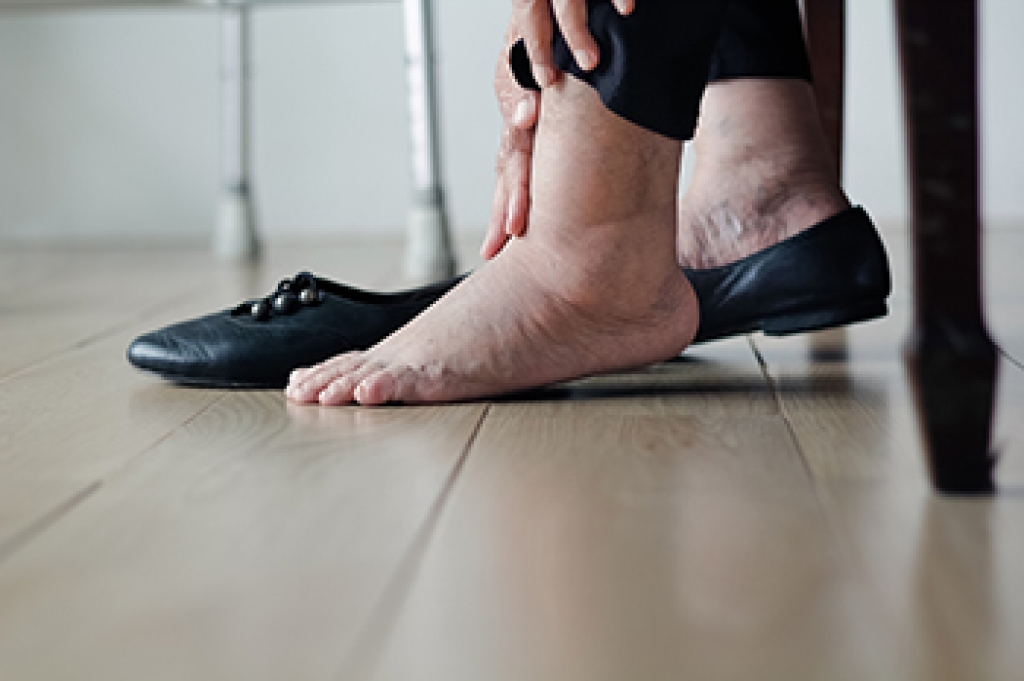
People who have swollen feet and ankles are generally aware of how uncomfortable they can be. There are various reasons why this can occur, including eating foods that have high levels of sodium, and taking certain medications. Additionally, pregnant women and people who are overweight may notice their feet are swollen, or it may happen as an allergic reaction from an insect bite. Mild relief can be found when salt intake is reduced in the diet, starting a gentle exercise routine, and frequently elevating the feet. It is beneficial to refrain from sitting or standing for long periods of time, in addition to wearing socks and shoes that are too tight. It can help to wear shoes that fit properly, and have a low heel and soft sole. Shiny skin on the feet can be a sign of edema, which is the medical term for swollen feet. Some people may experience a skin color change on their feet, and this may be a symptom of edema. If you have this condition, and you fail to find relief with the above suggestions, please consult with a podiatrist who can provide an examination and conclude with a proper diagnosis and treatment.

Swollen feet can be a sign of an underlying condition. If you have any concerns, contact Steven Black, DPM of California . Our doctor can provide the care you need to keep you pain-free and on your feet.

Swollen feet are a common ailment among pregnant women and people who stand or sit for extended periods. Aging may increase the possibility of swollen feet and patients who are obese often notice when their feet are swelling too. There may be medical reasons why swollen feet occur:

  • Phlebitis - A condition that causes the veins to become inflamed and can also cause leg pain.
  • Liver disease - This may lead to low blood levels of albumin which is a protein. This can cause fluid in the blood to pass into the tissues and several areas of the body can become swollen.
  • Heart failure - When the heart doesn’t pump properly the blood that is normally pumped back to the heart can pool in the veins of the legs causing swollen feet.
  • Kidney disease - One of the main functions of the kidneys is releasing excess fluid in the body. This type of condition can make it difficult for the kidneys to function properly, and as a result the feet may become swollen.
  • Deep-vein thrombosis (DVT)- This is a serious condition where blood clots form in the veins of the legs. They can block the return of blood from the legs to the heart which may cause the feet to swell. It is important to be treated by a podiatrist if this condition is present.

Swollen feet can also be caused by bone and tendon conditions, including fractures, arthritis, and tendinitis. Additionally, there may be skin and toenail conditions and an infection may cause the feet to swell. Patients who take medicine to treat high blood pressure may be prone to getting swollen feet. 

Many patients elevate their feet to help relieve the swelling and this is generally a temporary remedy. When a podiatrist is consulted the reason behind the swelling can be uncovered and subsequently treated.

If you have any questions please contact our office located in Lancaster, CA . We offer the newest diagnostic and treatment technologies for all your foot and ankle needs.

Read more about Swelling of the Feet

Figure and Ice Skating Foot Injuries

Ice skating requires balance, flexibility, strength, and power. In the 1990s, patterns that generated shapes like circles and figure eights were replaced with more physically demanding jumps and spins. As expected, skating can stress the muscles, bones, and joints of the feet and ankles. Injuries in skating often happen from falls. A skater’s feet are tightly bound in leather or synthetic composite boots so the feet and ankles bear the brunt of various motions performed. Problems can arise from repetitive stretching of the Achilles tendon, located at the heel of the foot, and a skater can get Achilles tendinopathy, tendonitis in the ankle, plantar fasciitis, bunions, calluses, hammertoes, or other foot and ankle problems. Skaters should warm up and stretch before skating to loosen stiff muscles and wear properly fitting boots. If you are a skater and have sports-related pain in your feet or ankles that is not relieved with rest, see a podiatrist for proper diagnosis and treatment.

Ankle and foot injuries are common among athletes and in many sports. They can be caused by several problems and may be potentially serious. If you are feeling pain or think you were injured in a sporting event or when exercising, consult with Steven Black, DPM from California . Our doctor will assess your condition and provide you with quality foot and ankle treatment.

Common Injuries

The most common injuries that occur in sporting activities include:

  • Achilles Tendonitis
  • Achilles Tendon Rupture
  • Ankle Sprains
  • Broken Foot
  • Plantar Fasciitis
  • Stress Fractures
  • Turf Toe

Symptoms

Symptoms vary depending upon the injury and in some cases, there may be no symptoms at all. However, in most cases, some form of symptom is experienced. Pain, aching, burning, bruising, tenderness, tightness or stiffness, sensation loss, difficulty moving, and swelling are the most common symptoms.

Treatment

Just as symptoms vary depending upon the injury, so do treatment options. A common treatment method is known as the RICE method. This method involves rest, applying ice, compression and elevating the afflicted foot or ankle. If the injury appears to be more serious, surgery might be required, such as arthroscopic or reconstructive surgery. Lastly, rehabilitation or therapy might be needed to gain full functionality in the afflicted area. Any discomfort experienced by an athlete must be evaluated by a licensed, reputable medical professional.  

If you have any questions please contact our office located in Lancaster, CA . We offer the newest diagnostic and treatment technologies for all your foot and ankle needs.

Read more about Sports Related Foot and Ankle Injuries

We Can Treat Your Foot or Ankle Pain

Foot or ankle pain can negatively affect your day-to-day life and can occur due to several different conditions. Pain can also be an indicator of a more serious underlying condition, which is why you should seek professional help as soon as you notice any abnormalities in your feet.

Connect With Us