
Have you noticed a bony protrusion on the side of your big toe? If so, you may have developed the foot condition known as a bunion. Don't let bunions interfere with your daily activities.
Have you noticed a bony protrusion on the side of your big toe? If so, you may have developed the foot condition known as a bunion. Don't let bunions interfere with your daily activities.

Foot health plays a crucial role in maintaining an active and mobile lifestyle as you age. Your feet serve as the foundation for your lower extremities. Any significant foot disorder can impact your ability to walk, perform daily activities, and even engage in mild exercise. Having foot pain can lead to changes in your gait, which can, over time, affect your ankles, knees, hips, and even your back. While aging naturally brings changes to your feet, including alterations in shoe size and structure, discomfort and pain should not be considered normal. Properly fitting, supportive, and comfortable shoes can help prevent issues such as corns, arch pain, and bunions. Certain occupations may require safety toed shoes that may help to avoid foot injuries. Practical steps to promote foot health include daily foot inspections, regular toenail maintenance, and walking in comfortable shoes. Addressing foot problems early and adopting preventive measures can reduce chronic pain, infections, hospital visits, and help you maintain your mobility. If you are having foot problems, it is suggested that you make an appointment with a podiatrist for a proper diagnosis and a treatment plan that is right for you.
Foot Pain
Foot pain can be extremely painful and debilitating. If you have a foot pain, consult with Steven Black, DPM from California . Our doctor will assess your condition and provide you with quality foot and ankle treatment.
Causes
Foot pain is a very broad condition that could be caused by one or more ailments. The most common include:
Diagnosis
To figure out the cause of foot pain, podiatrists utilize several different methods. This can range from simple visual inspections and sensation tests to X-rays and MRI scans. Prior medical history, family medical history, and any recent physical traumatic events will all be taken into consideration for a proper diagnosis.
Treatment
Treatment depends upon the cause of the foot pain. Whether it is resting, staying off the foot, or having surgery; podiatrists have a number of treatment options available for foot pain.
If you have any questions, please feel free to contact our office located in Lancaster, CA . We offer the newest diagnostic and treatment technologies for all your foot care needs.
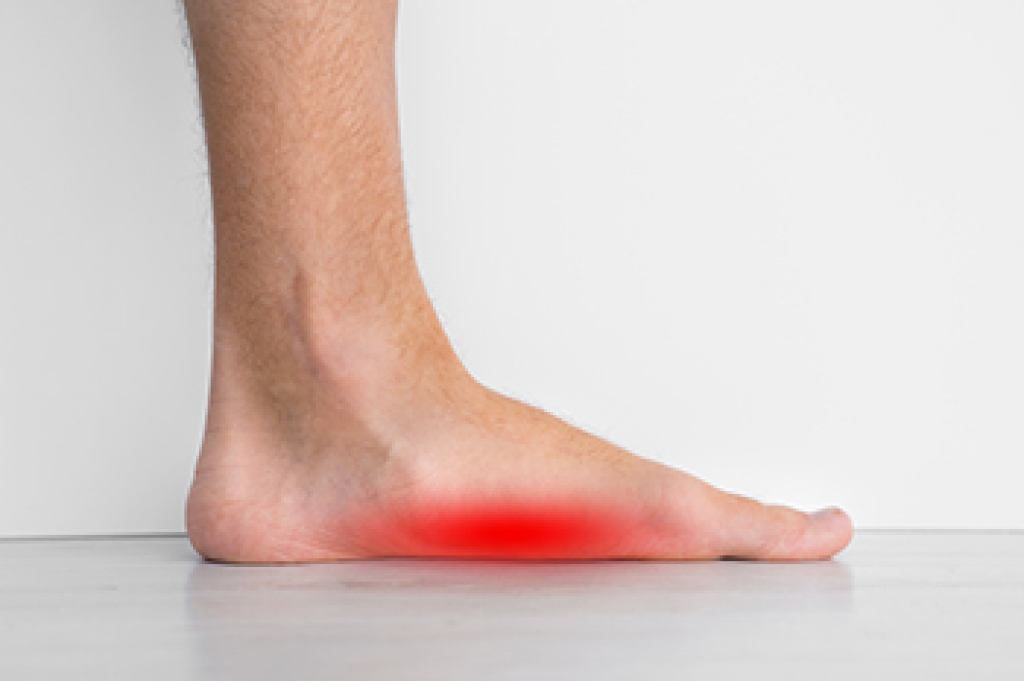
Flat feet, resulting from a collapsed arch, can lead to pain and discomfort, affecting both children and adults. When non-surgical approaches fall short, surgical intervention offers a viable solution. Surgery for flat feet aims to reconstruct the foot's architecture to restore a supportive arch and alleviate complications like change of gait, knee pain, plantar fasciitis, and Achilles tendonitis. An evaluation before surgery involves a thorough history, examination, and imaging. Surgical intervention may involve tendon reconstruction, bone augmentation, joint fusion, or bone resection. Post-surgery recovery may take up to four months and requires keeping the weight off the affected foot as well as taking prescribed pain relief medication. A protective cast or boot may be needed. Surgical treatment for flat feet, while not necessary in many cases, offers an opportunity to regain mobility, alleviate pain, and enhance overall quality of life. To find out if surgery for flat feet is right for you, it is suggested that you make an appointment with a podiatrist for a full examination.
Flatfoot is a condition many people suffer from. If you have flat feet, contact Steven Black, DPM from California . Our doctor will treat your foot and ankle needs.
What Are Flat Feet?
Flatfoot is a condition in which the arch of the foot is depressed and the sole of the foot is almost completely in contact with the ground. About 20-30% of the population generally has flat feet because their arches never formed during growth.
Conditions & Problems:
Having flat feet makes it difficult to run or walk because of the stress placed on the ankles.
Alignment – The general alignment of your legs can be disrupted, because the ankles move inward which can cause major discomfort.
Knees – If you have complications with your knees, flat feet can be a contributor to arthritis in that area.
Symptoms
Treatment
If you are experiencing pain and stress on the foot you may weaken the posterior tibial tendon, which runs around the inside of the ankle.
If you have any questions, please feel free to contact our office located in Lancaster, CA . We offer the newest diagnostic and treatment technologies for all your foot care needs.
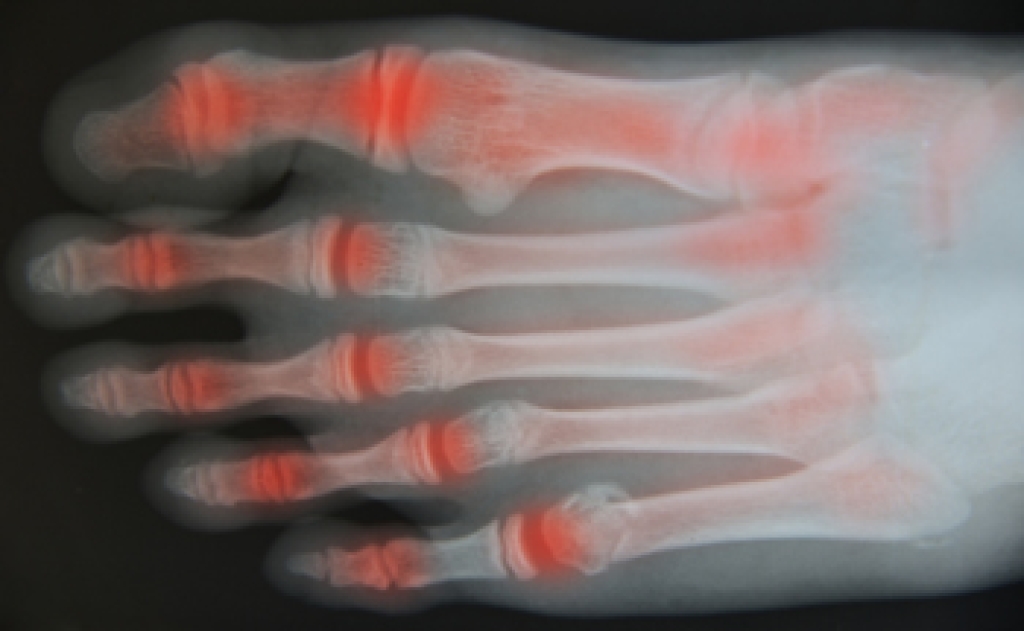
Arthritis, defined as joint inflammation, can lead to stiffness, swelling, and pain in affected joints. Among the 100 or more types of arthritis, studies have shown that three significantly impact the foot and ankle. Osteoarthritis, the most common, stems from joint cartilage wear and tear over time. Rheumatoid arthritis, or RA, is an autoimmune disease, that affects joints throughout the body, with women being twice as susceptible. RA involves the immune system attacking and damaging the cartilage. Post-traumatic arthritis, akin to osteoarthritis, can emerge years after fractures or injuries. Gout, another inflammatory condition, arises from uric acid crystal deposits that are near or within the connective tissue of the joints and is particularly common in the big toe. Psoriatic arthritis can produce symptoms that are similar to RA and is linked to psoriasis, a skin disorder causing scaling and flakiness. Understanding these types of arthritis can empower individuals to manage their foot health amidst arthritis challenges. If you believe you have developed a form of arthritis that is affecting your feet or ankles, it is suggested that you consult a podiatrist.
Arthritis can be a difficult condition to live with. If you are seeking treatment, contact Steven Black, DPM from California . Our doctor can provide the care you need to keep you pain-free and on your feet.
Arthritic Foot Care
Arthritis is a term that is commonly used to describe joint pain. The condition itself can occur to anyone of any age, race, or gender, and there are over 100 types of it. Nevertheless, arthritis is more commonly found in women compared to men, and it is also more prevalent in those who are overweight. The causes of arthritis vary depending on which type of arthritis you have. Osteoarthritis for example, is often caused by injury, while rheumatoid arthritis is caused by a misdirected immune system.
Symptoms
Arthritic symptoms range in severity, and they may come and go. Some symptoms stay the same for several years but could potentially get worse with time. Severe cases of arthritis can prevent its sufferers from performing daily activities and make walking difficult.
Risk Factors
If you suspect your arthritis is affecting your feet, it is crucial that you see a podiatrist immediately. Your doctor will be able to address your specific case and help you decide which treatment method is best for you.
If you have any questions please feel free to contact our office located in Lancaster, CA . We offer the newest diagnostic tools and technology to treat your foot and ankle needs.
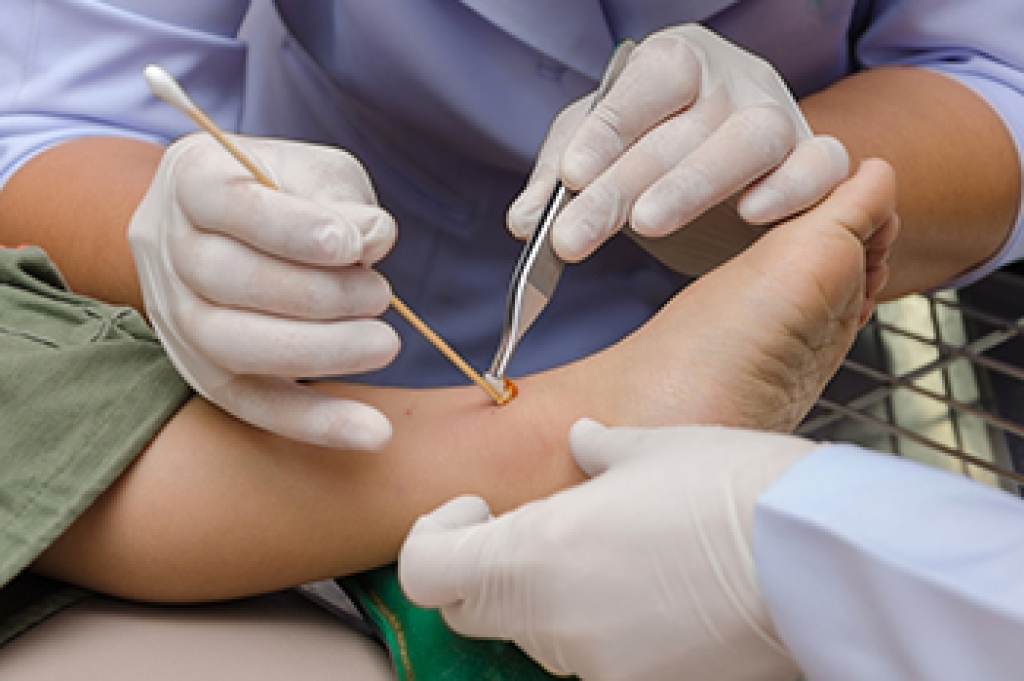
The removal of dead or infected skin tissue is known as debridement. This procedure also eliminates foreign materials from tissue. Debridement promotes the growth of healthy tissue, minimizes scarring, and reduces infection complications. Not all wounds require debridement. It is typically used for non-healing old wounds, chronically infected wounds, or those at risk of infections. Severe or new wounds might also need debridement. The choice of debridement depends on factors like wound type, age, overall health, and risk for complications. Methods include biological debridement using sterile maggots, enzymatic debridement with ointments, autolytic debridement harnessing the body's enzymes, and mechanical debridement as the most common approach. Sharp debridement, both conservative and surgical, involves cutting off unhealthy tissue. Recovery varies but typically takes 6 to 12 weeks. Careful wound management, including regular dressing changes and hygiene, is crucial. Although complications are possible, debridement's benefits often outweigh the risks. If you have a foot wound that persists or appears infected, it is strongly suggested that you see a podiatrist for immediate treatment, which might include debridement.
Wound care is an important part in dealing with diabetes. If you have diabetes and a foot wound or would like more information about wound care for diabetics, consult with Steven Black, DPM from California . Our doctor will assess your condition and provide you with quality foot and ankle treatment.
What Is Wound Care?
Wound care is the practice of taking proper care of a wound. This can range from the smallest to the largest of wounds. While everyone can benefit from proper wound care, it is much more important for diabetics. Diabetics often suffer from poor blood circulation which causes wounds to heal much slower than they would in a non-diabetic.
What Is the Importance of Wound Care?
While it may not seem apparent with small ulcers on the foot, for diabetics, any size ulcer can become infected. Diabetics often also suffer from neuropathy, or nerve loss. This means they might not even feel when they have an ulcer on their foot. If the wound becomes severely infected, amputation may be necessary. Therefore, it is of the upmost importance to properly care for any and all foot wounds.
How to Care for Wounds
The best way to care for foot wounds is to prevent them. For diabetics, this means daily inspections of the feet for any signs of abnormalities or ulcers. It is also recommended to see a podiatrist several times a year for a foot inspection. If you do have an ulcer, run the wound under water to clear dirt from the wound; then apply antibiotic ointment to the wound and cover with a bandage. Bandages should be changed daily and keeping pressure off the wound is smart. It is advised to see a podiatrist, who can keep an eye on it.
If you have any questions please contact our office located in Lancaster, CA . We offer the newest diagnostic and treatment technologies for all your foot and ankle needs.

The immune system typically keeps fungus and bacteria that cause infections from affecting the feet. But when immune defenses are low, a potent pathogen can invade the feet through a break in the skin, causing foot infections to thrive. Fungal foot infections, such as athlete's foot and toenail fungus, prosper in moist environments and can be persistent. Bacterial foot infections, such as erythrasma, abscesses, and cellulitis are less common but can become serious, possibly leading to systemic health issues. Infections can be prevented by keeping the feet clean and dry, in addition to refraining from sharing footwear or nail clippers. Prompt treatment of foot injuries and infections is critical in preventing severe consequences. If you feel you have any kind of foot infection, it is strongly suggested that you make an appointment with a podiatrist for a proper diagnosis and treatment.
Athlete’s Foot
Athlete’s foot is often an uncomfortable condition to experience. Thankfully, podiatrists specialize in treating athlete’s foot and offer the best treatment options. If you have any questions about athlete’s foot, consult with Steven Black, DPM from California . Our doctor will assess your condition and provide you with quality treatment.
What Is Athlete’s Foot?
Tinea pedis, more commonly known as athlete’s foot, is a non-serious and common fungal infection of the foot. Athlete’s foot is contagious and can be contracted by touching someone who has it or infected surfaces. The most common places contaminated by it are public showers, locker rooms, and swimming pools. Once contracted, it grows on feet that are left inside moist, dark, and warm shoes and socks.
Prevention
The most effective ways to prevent athlete’s foot include:
Symptoms
Athlete’s foot initially occurs as a rash between the toes. However, if left undiagnosed, it can spread to the sides and bottom of the feet, toenails, and if touched by hand, the hands themselves. Symptoms include:
Diagnosis and Treatment
Diagnosis is quick and easy. Skin samples will be taken and either viewed under a microscope or sent to a lab for testing. Sometimes, a podiatrist can diagnose it based on simply looking at it. Once confirmed, treatment options include oral and topical antifungal medications.
If you have any questions, please feel free to contact our office located in Lancaster, CA . We offer the newest diagnostic and treatment technologies for all your foot care needs.

If left untreated, an ingrown toenail can lead to more serious concerns, such as an infection. Knowing proper nail care can help in the prevention of an ingrown toenail. Give us a call, and get treated!
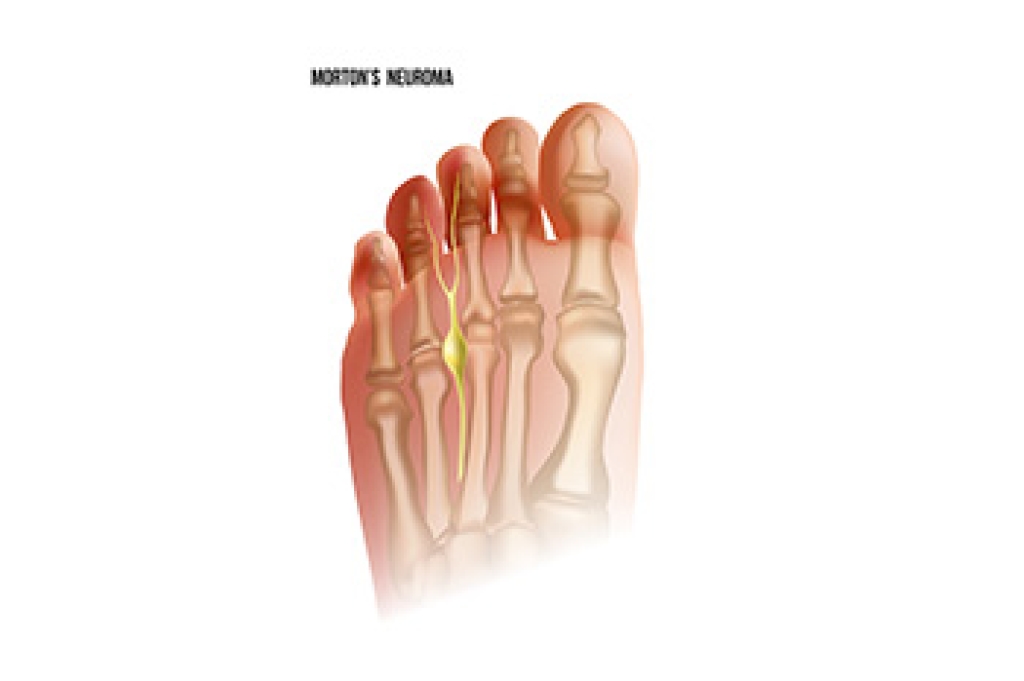
Morton's neuroma is a condition characterized by an enlarged nerve in the space between the third and fourth metatarsal bones of the foot. While the exact cause remains unknown, it is believed to arise from the compression of the nerve, especially in individuals with flat feet and women who often wear tight-fitting footwear, including high heels. The increased pressure on the nerve can lead to irritation and pain. Symptoms of Morton's neuroma often include pain between the third and fourth toes, which may worsen during walking or when wearing shoes. Other signs may include swelling, gait problems, weakness, and stiffness in the affected area. Many people describe it as walking on a pebble or feeling that their sock is bunched up under the foot in the shoe. Treatment aims at reducing nerve irritation and redistributing pressure. If you are experiencing these symptoms, it is suggested that you seek an appointment with a podiatrist who can help alleviate pain and provide relief.
Morton’s neuroma is a very uncomfortable condition to live with. If you think you have Morton’s neuroma, contact Steven Black, DPM of California . Our doctor will attend to all of your foot care needs and answer any of your related questions.
Morton’s Neuroma
Morton's neuroma is a painful foot condition that commonly affects the areas between the second and third or third and fourth toe, although other areas of the foot are also susceptible. Morton’s neuroma is caused by an inflamed nerve in the foot that is being squeezed and aggravated by surrounding bones.
What Increases the Chances of Having Morton’s Neuroma?
Morton’s neuroma is a very treatable condition. Orthotics and shoe inserts can often be used to alleviate the pain on the forefront of the feet. In more severe cases, corticosteroids can also be prescribed. In order to figure out the best treatment for your neuroma, it’s recommended to seek the care of a podiatrist who can diagnose your condition and provide different treatment options.
If you have any questions, please feel free to contact our office located in Lancaster, CA . We offer the newest diagnostic and treatment technologies for all your foot care needs.
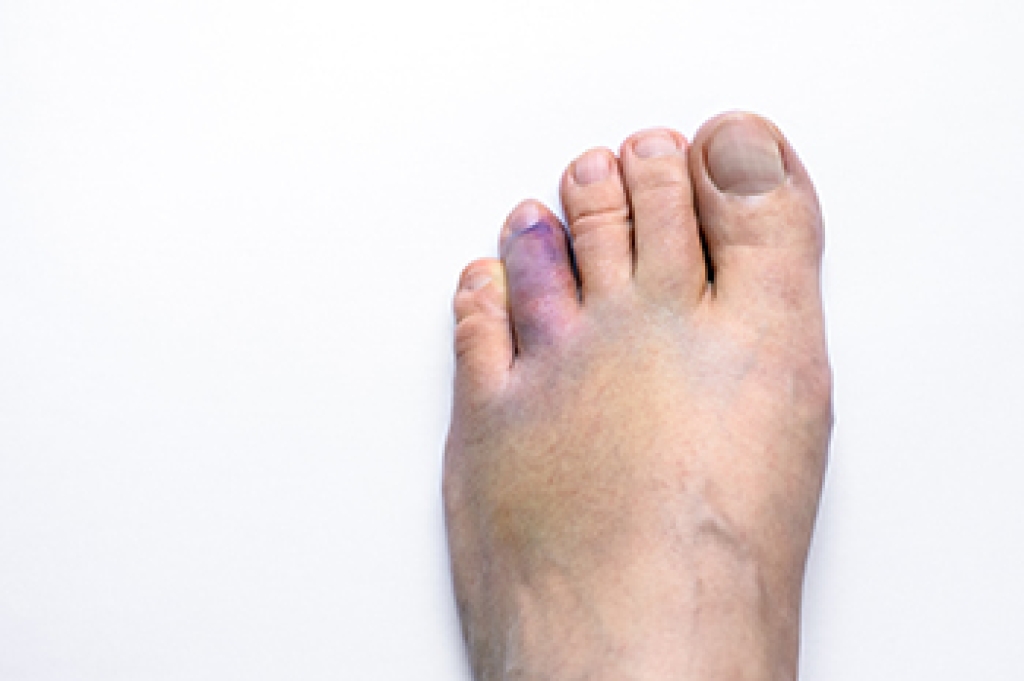
A broken toe can be painful. Despite the discomfort it can cause, it is generally not a serious injury. A broken toe can happen from stubbing it into a piece of furniture, or from dropping a heavy object on it. Bruising, swelling, and the inability to walk are common symptoms that can be experienced with a broken toe. A severely broken toe may have a protruding bone, and surgery may be required to align it properly. The buddy taping method is effective in treating toes that are mildly fractured. This is done by taping the affected toe to the toe next to it. This treatment method is generally successful in providing the necessary stability as the healing process occurs. Mild relief may be found if the foot is frequently elevated, which may help to reduce some of the swelling. If you have fractured your toe, it is suggested that you confer with a podiatrist who can diagnose and treat this condition.
A broken toe can be very painful and lead to complications if not properly fixed. If you have any concerns about your feet, contact Steven Black, DPM from California . Our doctor will treat your foot and ankle needs.
What to Know About a Broken Toe
Although most people try to avoid foot trauma such as banging, stubbing, or dropping heavy objects on their feet, the unfortunate fact is that it is a common occurrence. Given the fact that toes are positioned in front of the feet, they typically sustain the brunt of such trauma. When trauma occurs to a toe, the result can be a painful break (fracture).
Symptoms of a Broken Toe
Generally, it is best to stay off of the injured toe with the affected foot elevated.
Severe toe fractures may be treated with a splint, cast, and in some cases, minor surgery. Due to its position and the pressure it endures with daily activity, future complications can occur if the big toe is not properly treated.
If you have any questions, please feel free to contact our office located in Lancaster, CA . We offer the newest diagnostic and treatment technologies for all your foot care needs.
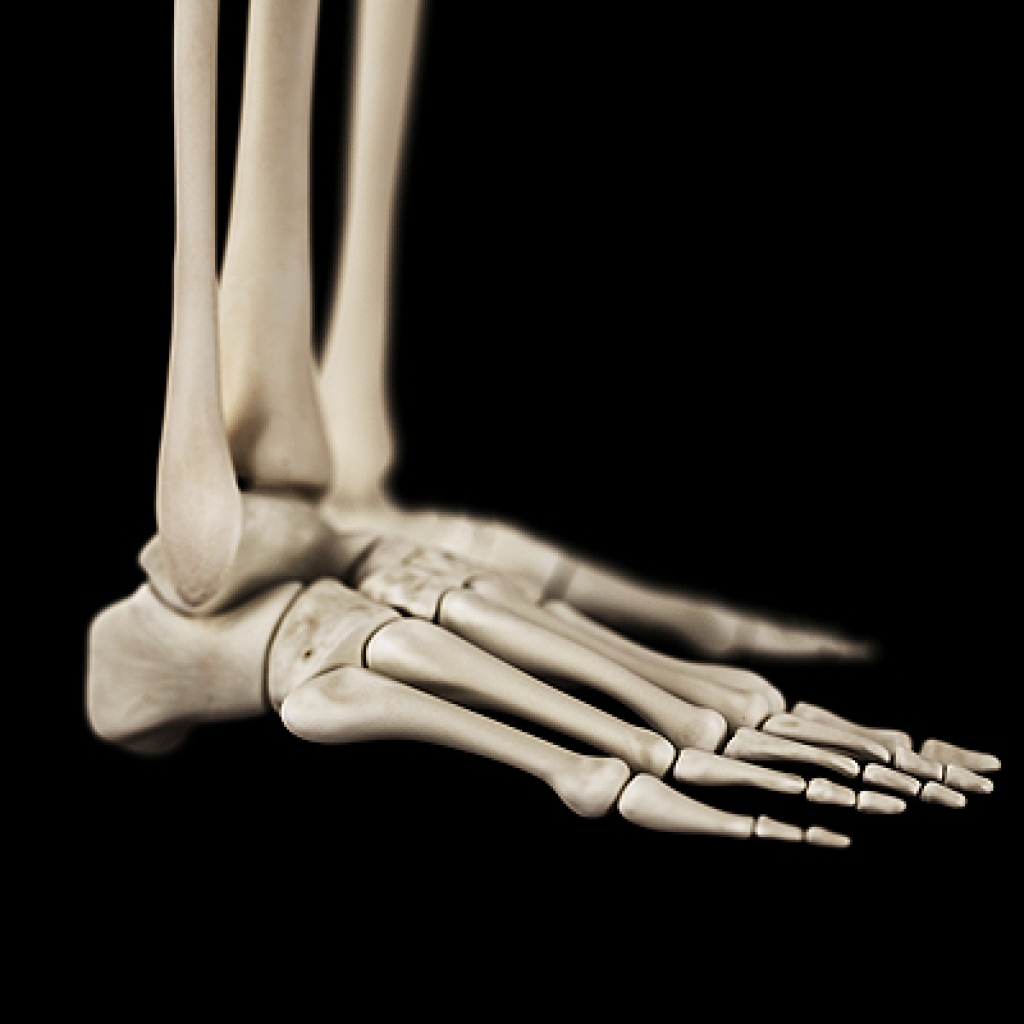
A hairline crack in a foot bone it's also known as a stress fracture. Frequently participating in running and jumping activities may cause stress fractures, which can happen from the repetitive force. A stress fracture can gradually occur, and many people choose to ignore the dull ache that accompanies this injury. When the pain becomes severe medical attention is often sought, and relief tactics are begun. Swelling may accompany a stress fracture, and walking can become difficult. A bone scan or an MRI can be performed to determine the extent of the fracture, as it may not be visible on an X-ray. Additionally, people who have osteoporosis or who consistently run on hard surfaces may be prone to getting a stress fracture. Treatment can begin by temporarily stopping the activity that caused the fracture, and elevating the affected foot may reduce the swelling. It may help to wear a protective boot that can provide the necessary stability as it heals. If you have a stress fracture of the foot, it is suggested that you confer with a podiatrist who can effectively diagnose and treat this condition.
Stress fractures occur when there is a tiny crack within a bone. To learn more, contact Steven Black, DPM from California . Our doctor can provide the care you need to keep you pain free and on your feet.
How Are They Caused?
Stress fractures are the result of repetitive force being placed on the bone. Since the lower leg and feet often carry most of the body’s weight, stress fractures are likely to occur in these areas. If you rush into a new exercise, you are more likely to develop a stress fracture since you are starting too much, too soon. Pain resulting from stress fractures may go unnoticed at first, however it may start to worsen over time.
Risk Factors
Stress fractures do not always heal properly, so it is important that you seek help from a podiatrist if you suspect you may have one. Ignoring your stress fracture may cause it to worsen, and you may develop chronic pain as well as additional fractures.
If you have any questions please contact our office located in Lancaster, CA . We offer the newest diagnostic and treatment technologies for all your foot and ankle needs.
Connect With Us
