Ingrown Toenails and Foot Health

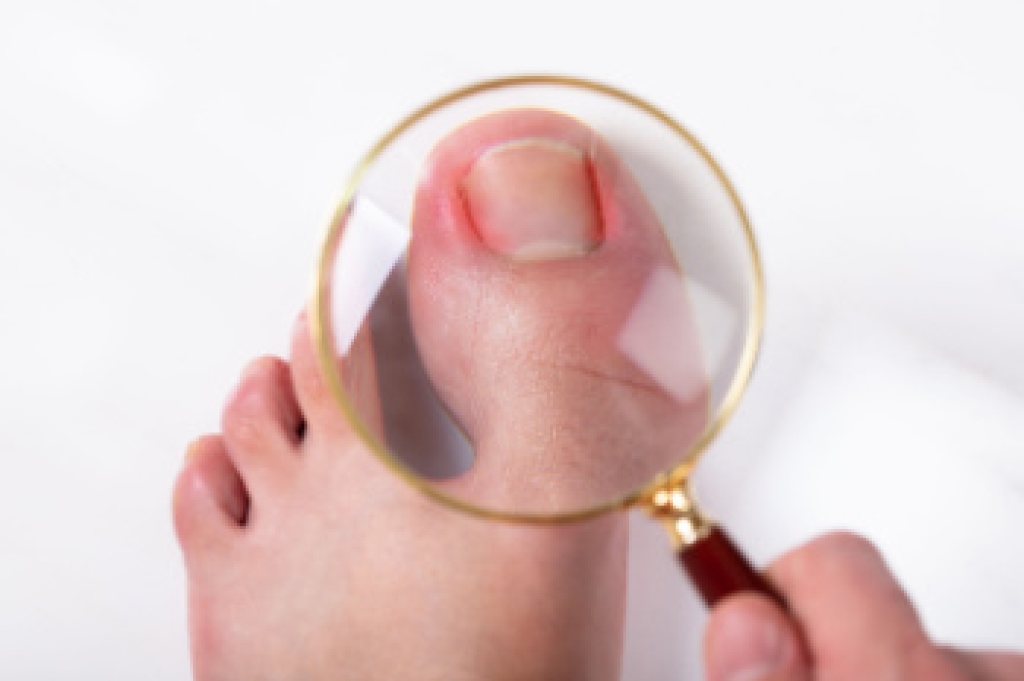
An ingrown toenail occurs when the edge of the toenail grows into the surrounding skin, causing pain, redness, swelling, and sometimes infection. Common causes include trimming the nails improperly, wearing poorly fitting shoes that place pressure on the toes, or sustaining an injury to the nail. Left untreated, ingrown toenails can become increasingly painful and lead to serious infections. A podiatrist can evaluate the toenail, provide professional treatment to relieve discomfort, remove part of the nail, if necessary, and offer guidance on proper nail care and footwear to prevent recurrence. If you have pain or swelling from an ingrown toenail, it is suggested that you promptly schedule a visit with a podiatrist who can provide effective relief solutions, which may include minor surgery for removal.

Ingrown toenails can become painful if they are not treated properly. For more information about ingrown toenails, contact Steven Black, DPM of California . Our doctor can provide the care you need to keep you pain-free and on your feet.

Ingrown Toenails

Ingrown toenails occur when a toenail grows sideways into the bed of the nail, causing pain, swelling, and possibly infection.

Causes

  • Bacterial infections
  • Improper nail cutting such as cutting it too short or not straight across
  • Trauma to the toe, such as stubbing, which causes the nail to grow back irregularly
  • Ill-fitting shoes that bunch the toes too close together
  • Genetic predisposition

Prevention

Because ingrown toenails are not something found outside of shoe-wearing cultures, going barefoot as often as possible will decrease the likeliness of developing ingrown toenails. Wearing proper fitting shoes and using proper cutting techniques will also help decrease your risk of developing ingrown toenails.

Treatment

Ingrown toenails are a very treatable foot condition. In minor cases, soaking the affected area in salt or antibacterial soaps will not only help with the ingrown nail itself, but also help prevent any infections from occurring. In more severe cases, surgery is an option. In either case, speaking to your podiatrist about this condition will help you get a better understanding of specific treatment options that are right for you.

If you have any questions, please feel free to contact our office located in Lancaster, CA . We offer the newest diagnostic and treatment technologies for all your foot care needs.

Read more about Ingrown Toenails

It's Time for Beautiful Feet

You don't need an excuse to have beautiful nails. Step outside without worrying about the appearance of your feet.

Foot Exercises That Help Prevent Running Injuries

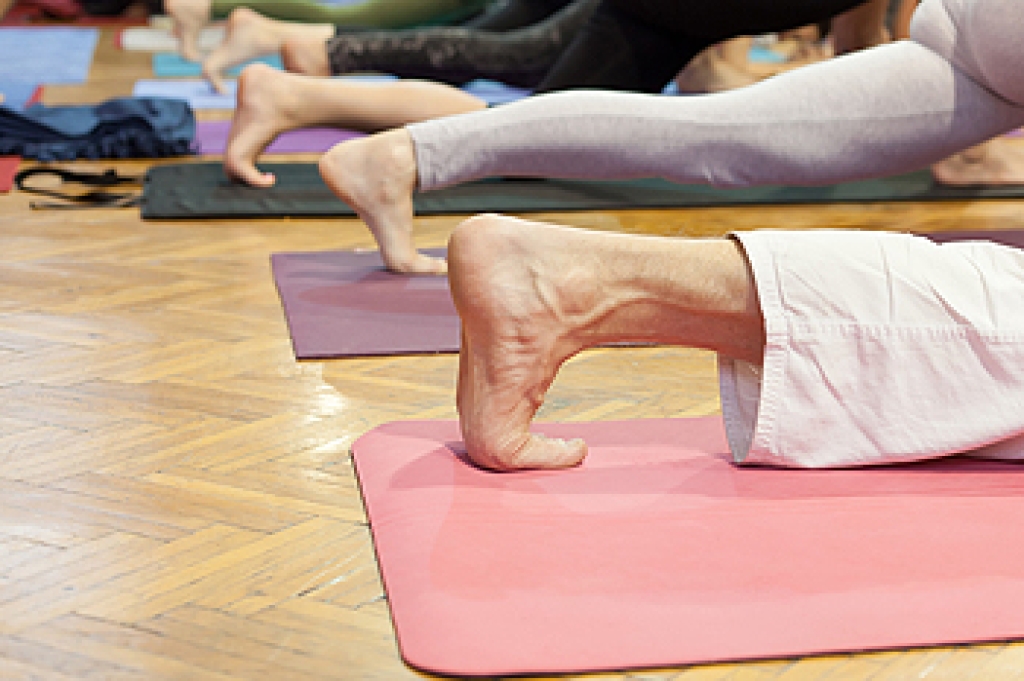
Strong and flexible feet help protect runners from common injuries, and simple daily exercises can make a big difference. Towel crunches strengthen the small stabilizing muscles by placing a towel on the floor and pulling it toward you with your toes. Toe yoga improves balance by lifting your big toe while keeping the others down, then lifting the smaller toes while the big toe stays grounded. A big toe press builds power by pressing the toe firmly into the floor while maintaining a steady arch. Additionally, dynamic ankle dorsiflexion improves mobility by lunging forward and guiding the knee over the toes without lifting the heel. If you have sustained a foot injury that is keeping you from running, it is suggested that you consult a podiatrist who can treat various foot conditions, and guide you on additional running prevention techniques.

All runners should take extra precaution when trying to avoid injury. If you have any concerns about your feet, contact Steven Black, DPM of California . Our doctor will treat your foot and ankle needs.

How to Prevent Running Injuries

There are a lot of mistakes a runner can make prior to a workout that can induce injury. A lot of athletes tend to overstretch before running, instead of saving those workouts for a post-run routine. Deep lunges and hand-to-toe hamstring pulls should be performed after a workout instead of during a warmup. Another common mistake is jumping into an intense routine before your body is physically prepared for it. You should try to ease your way into long-distance running instead of forcing yourself to rush into it.

More Tips for Preventing Injury

  • Incorporate Strength Training into Workouts - This will help improve the body’s overall athleticism
  • Improve and Maintain Your Flexibility – Stretching everyday will help improve overall performance
  • “Warm Up” Before Running and “Cool Down” Afterward – A warm up of 5-10 minutes helps get rid of lactic acid in the muscles and prevents delayed muscle soreness
  • Cross-Training is Crucial
  • Wear Proper Running Shoes
  • Have a Formal Gait Analysis – Poor biomechanics can easily cause injury

If you have any questions, please feel free to contact our office located in Lancaster, CA . We offer the newest diagnostic and treatment technologies for all your foot care needs.
Read more about Preventing Running Injuries

Common Causes of Foot Pain

Foot pain can arise from several conditions that affect the bones, tendons, or ligaments of the feet. Plantar fasciitis occurs when the tissue connecting the heel to the toes becomes inflamed, leading to sharp pain near the heel. Heel spurs, formed by calcium deposits on the heel bone, can irritate surrounding tissue and intensify discomfort. Bunions develop when the big toe joint shifts out of place, creating a painful bump that worsens with narrow or high-heeled shoes. Morton’s neuroma, caused by compression of a nerve between the toes, produces burning or tingling sensations in the forefoot. Stress fractures are small cracks in the metatarsal bones that result from repetitive strain, while sesamoiditis causes pain beneath the big toe due to overuse. A podiatrist can identify the specific cause of foot pain and provide proper treatment. If you are experiencing foot pain, it is suggested that you make an appointment with a podiatrist for a diagnosis and guidance on returning to activities.

Foot Pain

Foot pain can be extremely painful and debilitating. If you have a foot pain, consult with Steven Black, DPM from California . Our doctor will assess your condition and provide you with quality foot and ankle treatment.

Causes

Foot pain is a very broad condition that could be caused by one or more ailments. The most common include:

  • Bunions
  • Hammertoes
  • Plantar Fasciitis
  • Bone Spurs
  • Corns
  • Tarsal Tunnel Syndrome
  • Ingrown Toenails
  • Arthritis (such as Gout, Rheumatoid, and Osteoarthritis)
  • Flat Feet
  • Injury (from stress fractures, broken toe, foot, ankle, Achilles tendon ruptures, and sprains)
  • And more

Diagnosis

To figure out the cause of foot pain, podiatrists utilize several different methods. This can range from simple visual inspections and sensation tests to X-rays and MRI scans. Prior medical history, family medical history, and any recent physical traumatic events will all be taken into consideration for a proper diagnosis.

Treatment

Treatment depends upon the cause of the foot pain. Whether it is resting, staying off the foot, or having surgery; podiatrists have a number of treatment options available for foot pain.

If you have any questions, please feel free to contact our office located in Lancaster, CA . We offer the newest diagnostic and treatment technologies for all your foot care needs.
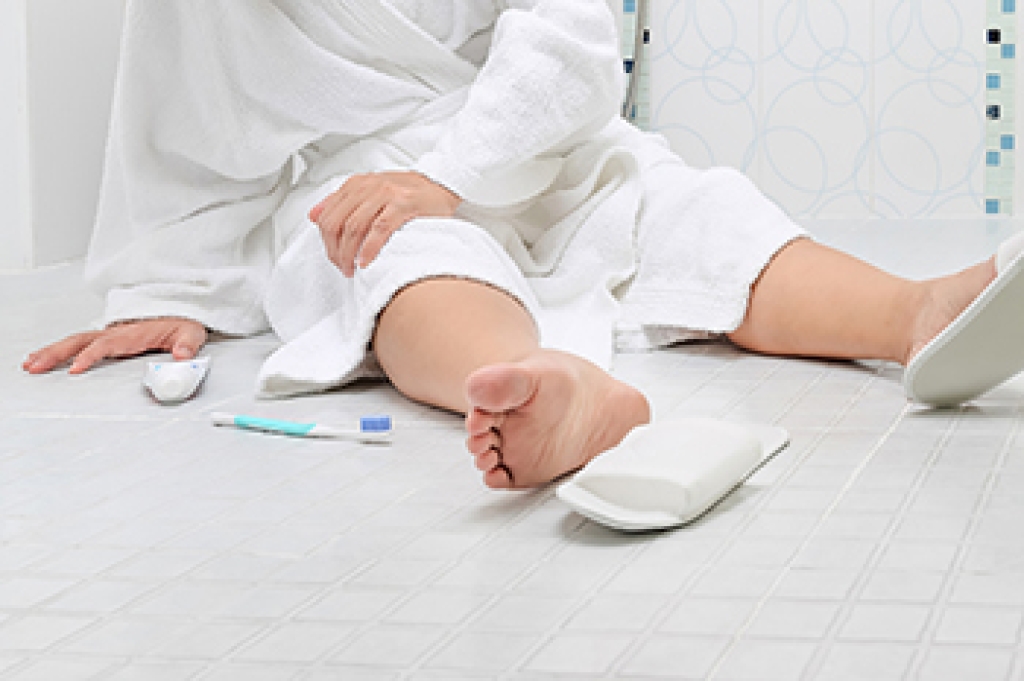
Read more about Foot Pain

Falls Prevention Tips for Seniors at Home

Helping seniors stay safe at home begins with simple changes that reduce everyday risks. Keeping commonly used items within easy reach prevents the need for stretching or climbing. Replacing dim bulbs and using night lights improves visibility and reduces the chance of tripping in low light areas. Installing grab bars in bathrooms and hallways provides extra support and confidence. Choosing rugs with non-slip backing keeps floors secure and prevents sliding. A podiatrist can assess balance concerns, identify foot or ankle issues, recommend proper footwear, and create strategies to enhance stability. If you have sustained a foot or ankle injury from falling at home, it is suggested that you contact a podiatrist who can treat these kinds of injuries, and guide you on additional fall prevention strategies.

Preventing falls among the elderly is very important. If you are older and have fallen or fear that you are prone to falling, consult with Steven Black, DPM from California . Our doctor will assess your condition and provide you with quality advice and care.

Every 11 seconds, an elderly American is being treated in an emergency room for a fall related injury. Falls are the leading cause of head and hip injuries for those 65 and older. Due to decreases in strength, balance, senses, and lack of awareness, elderly persons are very susceptible to falling. Thankfully, there are a number of things older persons can do to prevent falls.

How to Prevent Falls

Some effective methods that older persons can do to prevent falls include:

  • Enrolling in strength and balance exercise program to increase balance and strength
  • Periodically having your sight and hearing checked
  • Discuss any medications you have with a doctor to see if it increases the risk of falling
  • Clearing the house of falling hazards and installing devices like grab bars and railings
  • Utilizing a walker or cane
  • Wearing shoes that provide good support and cushioning
  • Talking to family members about falling and increasing awareness

Falling can be a traumatic and embarrassing experience for elderly persons; this can make them less willing to leave the house, and less willing to talk to someone about their fears of falling. Doing such things, however, will increase the likelihood of tripping or losing one’s balance. Knowing the causes of falling and how to prevent them is the best way to mitigate the risk of serious injury.  

If you have any questions, please feel free to contact our office located in Lancaster, CA . We offer the newest diagnostic and treatment technologies for all your foot care needs.
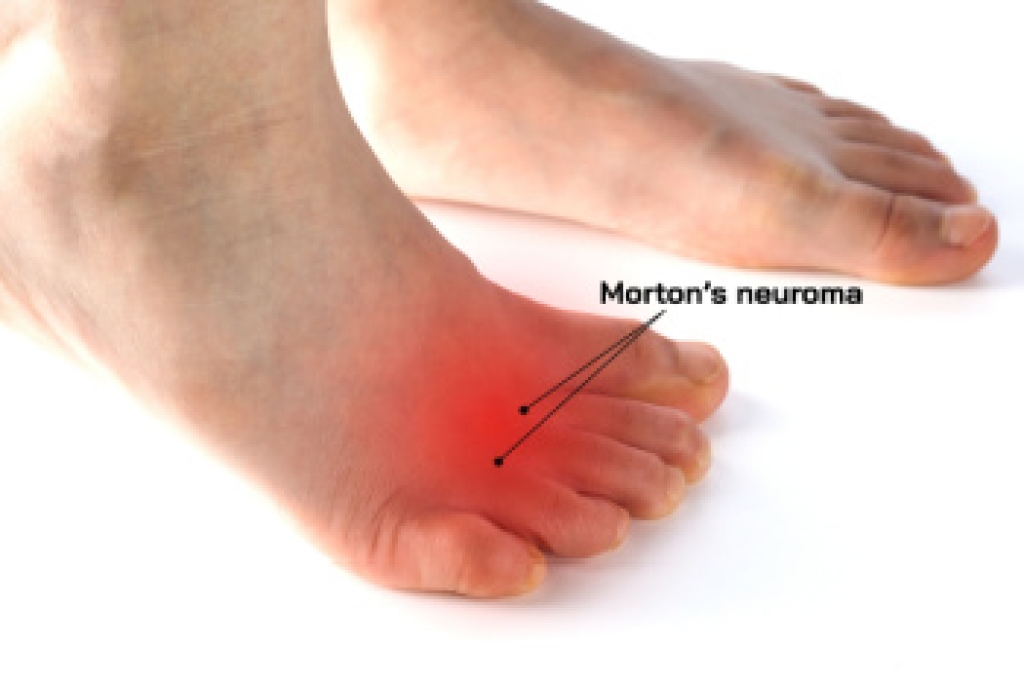
Read more about Falls Prevention

Causes and Symptoms of Morton’s Neuroma

Morton’s neuroma develops when the tissue surrounding a nerve between the toes thickens. Morton’s neuroma most often affects the nerves between the third and fourth toes. This thickening compresses the nerve, causing sharp, burning pain or tingling that spreads from the ball of the foot into the toes. Many people describe it as feeling like a pebble trapped beneath the foot. The condition often results from excessive pressure or friction caused by wearing tight shoes, high heels, or frequent use of footwear that lacks adequate support. Foot deformities like bunions, hammertoes, or flat feet can also increase strain on the forefoot and irritate the nerve. A podiatrist can assess the nerve, confirm the diagnosis through imaging, if needed, and recommend suitable treatment or surgery when appropriate. If you have pain in the ball of the foot, it is suggested that you schedule an appointment with a podiatrist for a diagnosis and appropriate treatment options.

Morton’s neuroma is a very uncomfortable condition to live with. If you think you have Morton’s neuroma, contact Steven Black, DPM of California . Our doctor will attend to all of your foot care needs and answer any of your related questions.  

Morton’s Neuroma

Morton's neuroma is a painful foot condition that commonly affects the areas between the second and third or third and fourth toe, although other areas of the foot are also susceptible. Morton’s neuroma is caused by an inflamed nerve in the foot that is being squeezed and aggravated by surrounding bones.

What Increases the Chances of Having Morton’s Neuroma?

  • Ill-fitting high heels or shoes that add pressure to the toe or foot
  • Jogging, running or any sport that involves constant impact to the foot
  • Flat feet, bunions, and any other foot deformities

Morton’s neuroma is a very treatable condition. Orthotics and shoe inserts can often be used to alleviate the pain on the forefront of the feet. In more severe cases, corticosteroids can also be prescribed. In order to figure out the best treatment for your neuroma, it’s recommended to seek the care of a podiatrist who can diagnose your condition and provide different treatment options.

If you have any questions, please feel free to contact our office located in Lancaster, CA . We offer the newest diagnostic and treatment technologies for all your foot care needs.
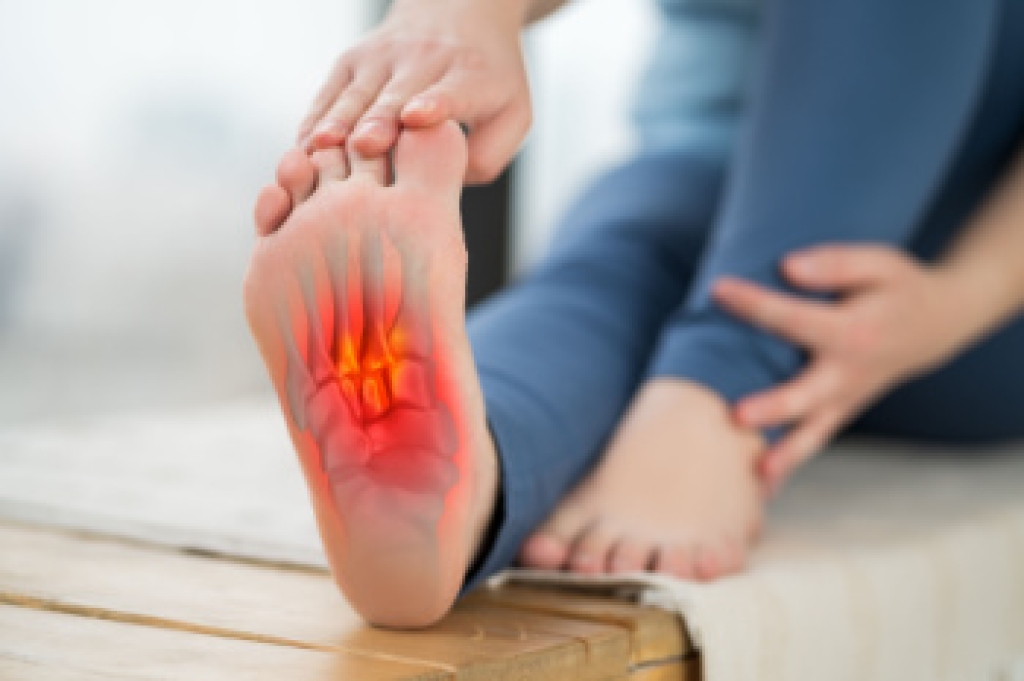
Read more about Morton's Neuroma

Managing a Foot Stress Fracture

Foot stress fractures occur when the bones of the foot are subjected to repeated force without enough time to repair and recover. These hairline cracks often develop in the metatarsals, heel bone, navicular, or sesamoid bones near the toes, and they typically worsen with continued activity. People often experience gradually increasing pain, especially during sports or repetitive movement, and tenderness when pressure is applied. Because swelling is not always obvious, diagnosis of stress fractures often requires imaging such as X-rays or MRI scans. Certain foot fractures are considered to be a higher risk and can take longer to heal, sometimes requiring surgery to restore stability and function. Others are lower risk and may improve with guided changes in activity and temporary offloading. A podiatrist can evaluate the location and severity of the stress fracture, recommend appropriate treatment, and provide long-term strategies to reduce the risk of recurrence. If you have foot pain from repetitive sports or other activities, it is suggested that you schedule an appointment with a podiatrist for an exam and appropriate treatment.

Stress fractures occur when there is a tiny crack within a bone. To learn more, contact Steven Black, DPM from California . Our doctor can provide the care you need to keep you pain free and on your feet.

How Are They Caused?

Stress fractures are the result of repetitive force being placed on the bone. Since the lower leg and feet often carry most of the body’s weight, stress fractures are likely to occur in these areas. If you rush into a new exercise, you are more likely to develop a stress fracture since you are starting too much, too soon.  Pain resulting from stress fractures may go unnoticed at first, however it may start to worsen over time.

Risk Factors

  • Gender – They are more commonly found in women compared to men.
  • Foot Problems – People with unusual arches in their feet are more likely to develop stress fractures.
  • Certain Sports – Dancers, gymnasts, tennis players, runners, and basketball players are more likely to develop stress fractures.
  • Lack of Nutrients – A lack of vitamin D and calcium may weaken the bones and make you more prone to stress fractures
  • Weak Bones – Osteoporosis can weaken the bones therefore resulting in stress fractures

Stress fractures do not always heal properly, so it is important that you seek help from a podiatrist if you suspect you may have one. Ignoring your stress fracture may cause it to worsen, and you may develop chronic pain as well as additional fractures.

If you have any questions please contact our office located in Lancaster, CA . We offer the newest diagnostic and treatment technologies for all your foot and ankle needs.

Read more about Dealing with Stress Fractures of the Foot and Ankle

Heel Pain Can Be Treated!

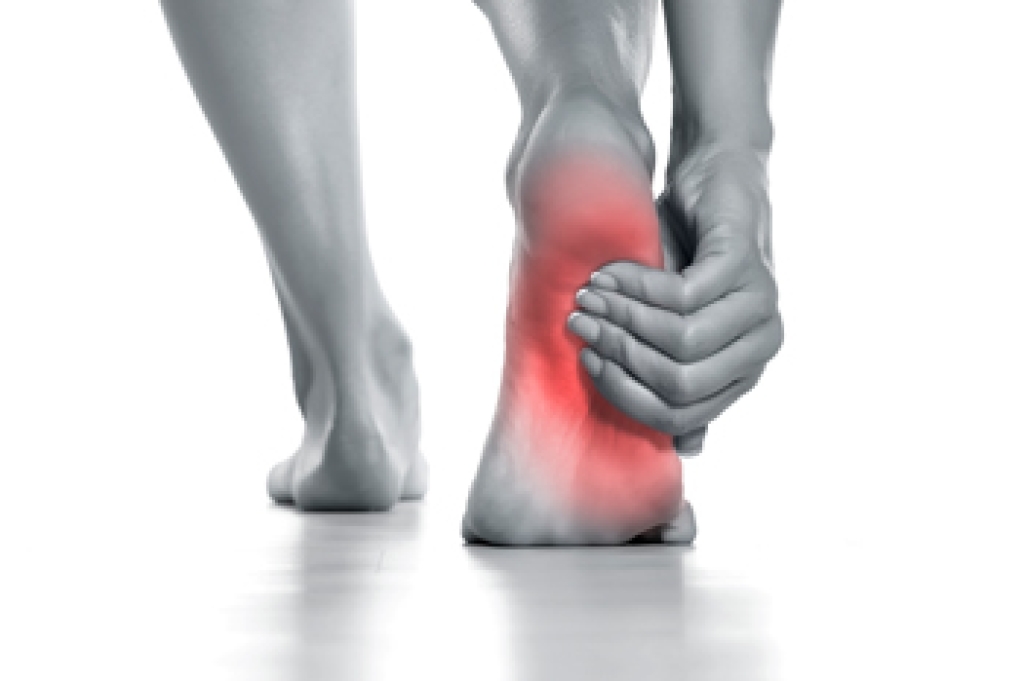
Do you suffer from heel pain when you get up in the morning? If so, you should seek professional help and have a proper diagnosis performed. Heel pain can be caused by several different foot-related conditions.

Symptoms and Diagnosis of Peripheral Artery Disease

Peripheral artery disease, also known as PAD, develops when plaque builds up in the arteries, which reduces blood flow to the feet and ankles. One of the earliest warning signs of PAD is foot or calf cramping while walking, which may ease with rest, but can return with activity. Other symptoms include feet that feel unusually cold and pale, bluish skin on the toes, brittle toenails that grow slowly, and wounds or ulcers on the feet that do not heal properly. Some patients also notice thinning hair on the lower legs or ongoing pain that becomes constant as the condition advances. To confirm a diagnosis of peripheral artery disease, a podiatrist may check circulation using the ankle-brachial index, which compares blood pressure in the ankle and arm, or imaging tests like duplex ultrasound to evaluate blood flow. If you are experiencing symptoms of PAD, it is suggested that you schedule an appointment with a podiatrist for an exam and appropriate treatment.

Peripheral artery disease can pose a serious risk to your health. It can increase the risk of stroke and heart attack. If you have symptoms of peripheral artery disease, consult with Steven Black, DPM from California . Our doctor will assess your condition and provide you with quality foot and ankle treatment.

Peripheral artery disease (PAD) is when arteries are constricted due to plaque (fatty deposits) build-up. This results in less blood flow to the legs and other extremities. The main cause of PAD is atherosclerosis, in which plaque builds up in the arteries.

Symptoms

Symptoms of PAD include:

  • Claudication (leg pain from walking)
  • Numbness in legs
  • Decrease in growth of leg hair and toenails
  • Paleness of the skin
  • Erectile dysfunction
  • Sores and wounds on legs and feet that won’t heal
  • Coldness in one leg

It is important to note that a majority of individuals never show any symptoms of PAD.

Diagnosis

While PAD occurs in the legs and arteries, Podiatrists can diagnose PAD. Podiatrists utilize a test called an ankle-brachial index (ABI). An ABI test compares blood pressure in your arm to you ankle to see if any abnormality occurs. Ultrasound and imaging devices may also be used.

Treatment

Fortunately, lifestyle changes such as maintaining a healthy diet, exercising, managing cholesterol and blood sugar levels, and quitting smoking, can all treat PAD. Medications that prevent clots from occurring can be prescribed. Finally, in some cases, surgery may be recommended.

If you have any questions, please feel free to contact our office located in Lancaster, CA . We offer the newest diagnostic and treatment technologies for all your foot care needs.

Read more about Peripheral Artery Disease

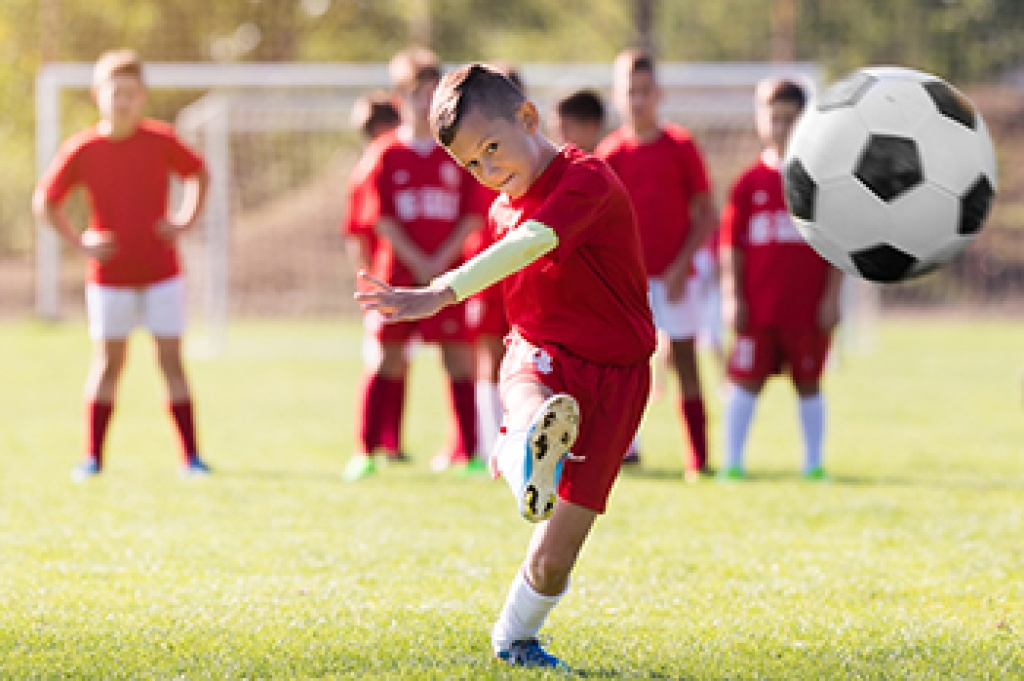
Linking Heel Pain and Youth Soccer

Heel pain is one of the most frequent complaints in young soccer players, often linked to the growth plate in the heel bone. This area, called the calcaneal apophysis, is soft and more vulnerable to stress during growth. When leg bones lengthen faster than the heel bone, extra tension develops, sometimes leading to inflammation known as calcaneal apophysitis, or Sever’s disease. Symptoms usually include throbbing or aching pain at the back of the heel, which may worsen with running, jumping, or wearing certain cleated shoes. Turf cleats generally provide better cushioning and reduce strain compared to grass cleats, which can put extra stress on the heel. A podiatrist can evaluate the cause of heel pain, recommend proper footwear, and provide treatment options that allow young athletes to remain active safely. If your child exhibits signs of heel pain after sports activities, it is suggested that you schedule an appointment with a podiatrist for an exam and appropriate treatment.

Sever's disease often occurs in children and teens. If your child is experiencing foot or ankle pain, see Steven Black, DPM from California . Our doctor can treat your child’s foot and ankle needs.

Sever’s Disease

Sever’s disease is also known as calcaneal apophysitis, which is a medical condition that causes heel pain I none or both feet. The disease is known to affect children between the ages of 8 and 14.

Sever’s disease occurs when part of the child’s heel known as the growth plate (calcaneal epiphysis) is attached to the Achilles tendon. This area can suffer injury when the muscles and tendons of the growing foot do not keep pace with bone growth. Therefore, the constant pain which one experiences at the back of the heel will make the child unable to put any weight on the heel. The child is then forced to walk on their toes.

Symptoms

Acute pain – Pain associated with Sever’s disease is usually felt in the heel when the child engages in physical activity such as walking, jumping and or running.

Highly active – Children who are very active are among the most susceptible in experiencing Sever’s disease, because of the stress and tension placed on their feet.

If you have any questions, please feel free to contact our office located in Lancaster, CA . We offer the newest diagnostic and treatment technologies for all your foot care needs.
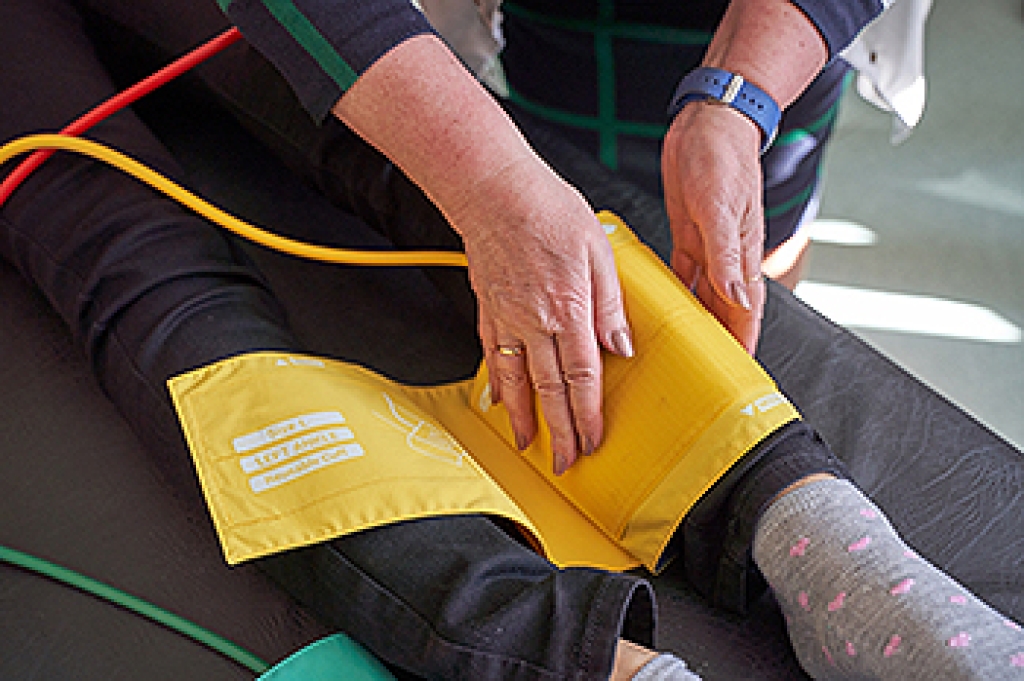
Read more about Sever's Disease

Connect With Us