Practical Tips for Senior Fall Prevention

Falls among seniors are a significant concern, often resulting from a combination of factors. Common causes include muscle weakness, poor balance, vision problems, and environmental hazards like clutter or uneven floors. Medication side effects and medical conditions such as arthritis can also contribute to fall risk. To prevent falls, it is important to implement several practical strategies. Ensure the home environment is safe by removing trip hazards, installing grab bars, and improving lighting. Encourage regular exercise to enhance strength and balance like walking or specialized fall prevention classes. Regular eye exams and reviewing medications can also help address underlying issues. If you have injured your foot or ankle from falling, it is suggested that you consult a podiatrist who can treat various conditions.

Preventing falls among the elderly is very important. If you are older and have fallen or fear that you are prone to falling, consult with Steven Black, DPM from California . Our doctor will assess your condition and provide you with quality advice and care.

Every 11 seconds, an elderly American is being treated in an emergency room for a fall related injury. Falls are the leading cause of head and hip injuries for those 65 and older. Due to decreases in strength, balance, senses, and lack of awareness, elderly persons are very susceptible to falling. Thankfully, there are a number of things older persons can do to prevent falls.

How to Prevent Falls

Some effective methods that older persons can do to prevent falls include:

  • Enrolling in strength and balance exercise program to increase balance and strength
  • Periodically having your sight and hearing checked
  • Discuss any medications you have with a doctor to see if it increases the risk of falling
  • Clearing the house of falling hazards and installing devices like grab bars and railings
  • Utilizing a walker or cane
  • Wearing shoes that provide good support and cushioning
  • Talking to family members about falling and increasing awareness

Falling can be a traumatic and embarrassing experience for elderly persons; this can make them less willing to leave the house, and less willing to talk to someone about their fears of falling. Doing such things, however, will increase the likelihood of tripping or losing one’s balance. Knowing the causes of falling and how to prevent them is the best way to mitigate the risk of serious injury.  

If you have any questions, please feel free to contact our office located in Lancaster, CA . We offer the newest diagnostic and treatment technologies for all your foot care needs.


Read more about Falls Prevention

The Healing of a Broken Foot

A broken foot occurs when one or more of the bones in the foot are fractured, often due to trauma, such as a fall, car accident, or sports injury. Symptoms typically include intense pain, swelling, bruising, and difficulty walking or bearing weight. The severity of the fracture, its location, and the treatment approach all influence healing time. Generally, a simple fracture can take six to eight weeks to heal, while more complex fractures may require several months, especially if surgery is needed. During the healing process, immobilization with a cast or boot is usually prescribed, and in some cases, crutches are provided to avoid putting weight on the foot. If you have broken your foot, it is suggested that you schedule an appointment with a podiatrist and follow their instructions to ensure proper healing and avoid complications.

A broken foot requires immediate medical attention and treatment. If you need your feet checked, contact Steven Black, DPM from California . Our doctor can provide the care you need to keep you pain-free and on your feet.

Broken Foot Causes, Symptoms, and Treatment

A broken foot is caused by one of the bones in the foot typically breaking when bended, crushed, or stretched beyond its natural capabilities. Usually the location of the fracture indicates how the break occurred, whether it was through an object, fall, or any other type of injury. 

Common Symptoms of Broken Feet:

  • Bruising
  • Pain
  • Redness
  • Swelling
  • Blue in color
  • Numbness
  • Cold
  • Misshapen
  • Cuts
  • Deformities

Those that suspect they have a broken foot shoot seek urgent medical attention where a medical professional could diagnose the severity.

Treatment for broken bones varies depending on the cause, severity and location. Some will require the use of splints, casts or crutches while others could even involve surgery to repair the broken bones. Personal care includes the use of ice and keeping the foot stabilized and elevated.

If you have any questions, please feel free to contact our office located in Lancaster, CA . We offer the newest diagnostic and treatment technologies for all your foot care needs.

Read more about Causes, Symptoms, and Treatment for a Broken Foot

Get Professional Care for a Broken Foot or Ankle

Constant care and regular evaluation are important for a foot or ankle fracture. If left untreated, foot or ankle fractures can worsen over time and create more serious problems.

Don't wait to be examined if you believe you've experienced a foot or ankle fracture.

Features of Running and Walking Shoes

Running shoes and walking shoes are designed with distinct features tailored to their respective activities. Running shoes are built to handle the higher impact forces of running, featuring more cushioning in the heel to absorb shock and provide support during each stride. They often have a more pronounced heel-to-toe drop, which promotes a forward motion. In contrast, walking shoes are designed for lower impact and typically have a flatter sole, offering even cushioning and greater flexibility. The emphasis in walking shoes is on stability and comfort for the repetitive heel-to-toe motion of walking. Additionally, walking shoes usually have a more rigid midsole to support the arch and enhance stability. Choosing the appropriate shoe based on your activity helps prevent injury and ensures better performance and comfort. If you have endured a foot or ankle injury from wearing the wrong type of shoes, it is suggested that you consult a podiatrist who can treat various foot conditions, and guide you on which shoes to buy for your desired activity.

For more information about walking shoes versus running shoes, consult with Steven Black, DPM from California . Our doctor can measure your feet to determine what your needs are and help you find an appropriate pair of footwear.

Foot Health: The Differences between Walking & Running Shoes

There are great ways to stay in shape: running and walking are two great exercises to a healthy lifestyle. It is important to know that running shoes and walking shoes are not interchangeable. There is a key difference on how the feet hit the ground when someone is running or walking. This is why one should be aware that a shoe is designed differently for each activity.

You may be asking yourself what the real differences are between walking and running shoes and the answers may shock you.

Differences

Walking doesn’t involve as much stress or impact on the feet as running does. However, this doesn’t mean that you should be any less prepared. When you’re walking, you land on your heels and have your foot roll forward. This rolling motion requires additional support to the feet.

Flexibility – Walking shoes are designed to have soft, flexible soles. This allows the walker to push off easily with each step.

If you have any questions, please feel free to contact our office located in Lancaster, CA . We offer the newest diagnostic and treatment technologies for all your foot care needs.

Read more about Differences between Walking and Running Shoes

Plantar Fasciitis Stretches

Plantar fasciitis is a common cause of heel pain, primarily resulting from inflammation of the plantar fascia, the thick band of tissue running along the bottom of the foot. Common causes can include excessive stress from high-impact activities, prolonged standing, wearing unsupportive footwear, or being overweight. Symptoms typically include a sharp, stabbing pain in the heel, especially noticeable with the first steps in the morning or after prolonged periods of rest. Treatment focuses on reducing inflammation and relieving pain. Effective stretches include the calf stretch, where you press against a wall with one leg forward and the other extended back. Another is the plantar fascia stretch, where you pull your toes toward your shin while seated. Wearing supportive shoes or custom orthotics, in addition to performing these stretches, can provide significant relief. If you are experiencing symptoms of plantar fasciitis, it is suggested you schedule an appointment with a podiatrist for expert care to effectively manage your condition and improve your foot health.

Plantar fasciitis can be very painful and inconvenient. If you are experiencing heel pain or symptoms of plantar fasciitis, contact Steven Black, DPM  from California . Our doctor can provide the care you need to keep you pain-free and on your feet.

What Is Plantar Fasciitis?

Plantar fasciitis is the inflammation of the thick band of tissue that runs along the bottom of your foot, known as the plantar fascia, and causes mild to severe heel pain.

What Causes Plantar Fasciitis?

  • Excessive running
  • Non-supportive shoes
  • Overpronation
  • Repeated stretching and tearing of the plantar fascia

How Can It Be Treated?

  • Conservative measures – anti-inflammatories, ice packs, stretching exercises, physical therapy, orthotic devices
  • Shockwave therapy – sound waves are sent to the affected area to facilitate healing and are usually used for chronic cases of plantar fasciitis
  • Surgery – usually only used as a last resort when all else fails. The plantar fascia can be surgically detached from the heel

While very treatable, plantar fasciitis is definitely not something that should be ignored. Especially in severe cases, speaking to your doctor right away is highly recommended to avoid complications and severe heel pain. Your podiatrist can work with you to provide the appropriate treatment options tailored to your condition.

If you have any questions, please feel free to contact our office located in Lancaster, CA . We offer the newest diagnostic and treatment technologies for all your foot care needs.

Read more about Plantar Fasciitis

Ankle Pain Related to the Tarsal Tunnel

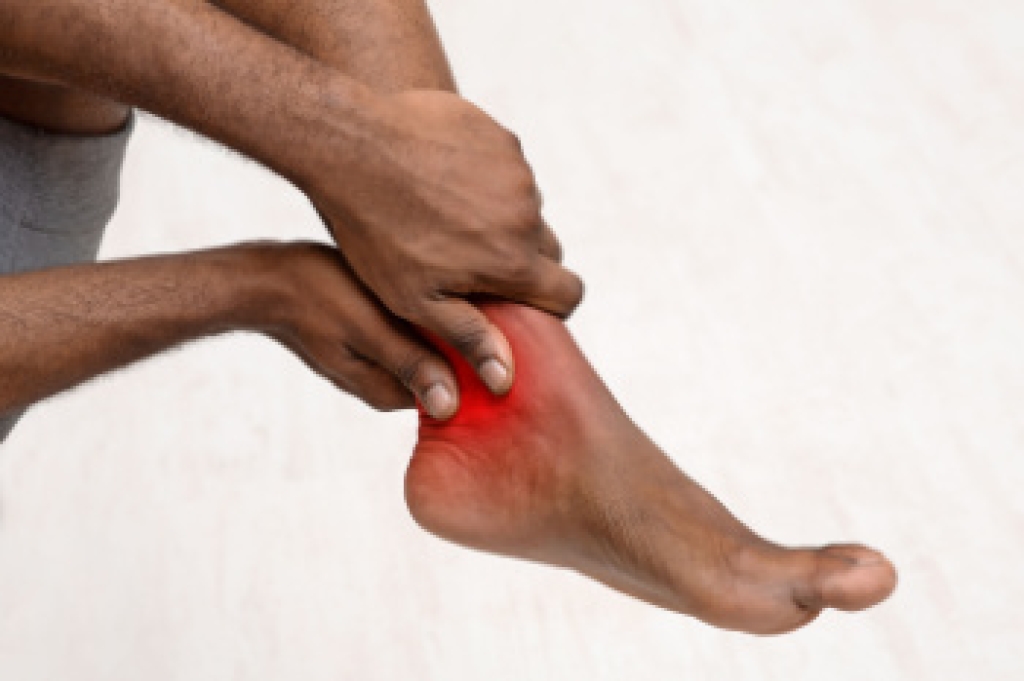
Tarsal tunnel syndrome is a condition that causes pain on the inside of the ankle, extending to the foot and sometimes the toes, caused by compression of the posterior tibial nerve. This nerve travels through the tarsal tunnel, a narrow space inside the ankle that also contains blood vessels and tendons. When the tissues surrounding the tarsal tunnel become inflamed, they can press on the nerve, causing burning, tingling, and pain, especially during walking or when wearing certain shoes. Factors that can contribute to this condition can include foot injuries, swelling from other medical issues, or improper foot posture. A podiatrist can diagnose tarsal tunnel syndrome through a physical examination, sometimes using nerve conduction studies or imaging tests to determine the extent of the compression. Treatment options include corticosteroid injections, custom orthotic devices, and, in some cases, surgery to relieve the pressure on the nerve. If you have pain on the inside of the ankle, it is suggested that you schedule an appointment with a podiatrist for an exam and treatment.

Ankle pain can have many different causes and the pain may potentially be serious. If you have ankle pain, consult with Steven Black, DPM from California . Our doctor will assess your condition and provide you with quality foot and ankle treatment.

Ankle pain is any condition that causes pain in the ankle. Due to the fact that the ankle consists of tendons, muscles, bones, and ligaments, ankle pain can come from a number of different conditions.

Causes

The most common causes of ankle pain include:

  • Types of arthritis (rheumatoid, osteoarthritis, and gout)
  • Ankle sprains
  • Broken ankles
  • Achilles tendinitis
  • Achilles tendon rupture
  • Stress fractures
  • Tarsal tunnel syndrome
  • Plantar fasciitis

Symptoms

Symptoms of ankle injury vary based upon the condition. Pain may include general pain and discomfort, swelling, aching, redness, bruising, burning or stabbing sensations, and/or loss of sensation.

Diagnosis

Due to the wide variety of potential causes of ankle pain, podiatrists will utilize a number of different methods to properly diagnose ankle pain. This can include asking for personal and family medical histories and of any recent injuries. Further diagnosis may include sensation tests, a physical examination, and potentially x-rays or other imaging tests.

Treatment

Just as the range of causes varies widely, so do treatments. Some more common treatments are rest, ice packs, keeping pressure off the foot, orthotics and braces, medication for inflammation and pain, and surgery.

If you have any questions please feel free to contact our office located in Lancaster, CA . We offer the newest diagnostic tools and technology to treat your foot and ankle needs.

Read more about Ankle Pain

Stages of Toenail Fungus

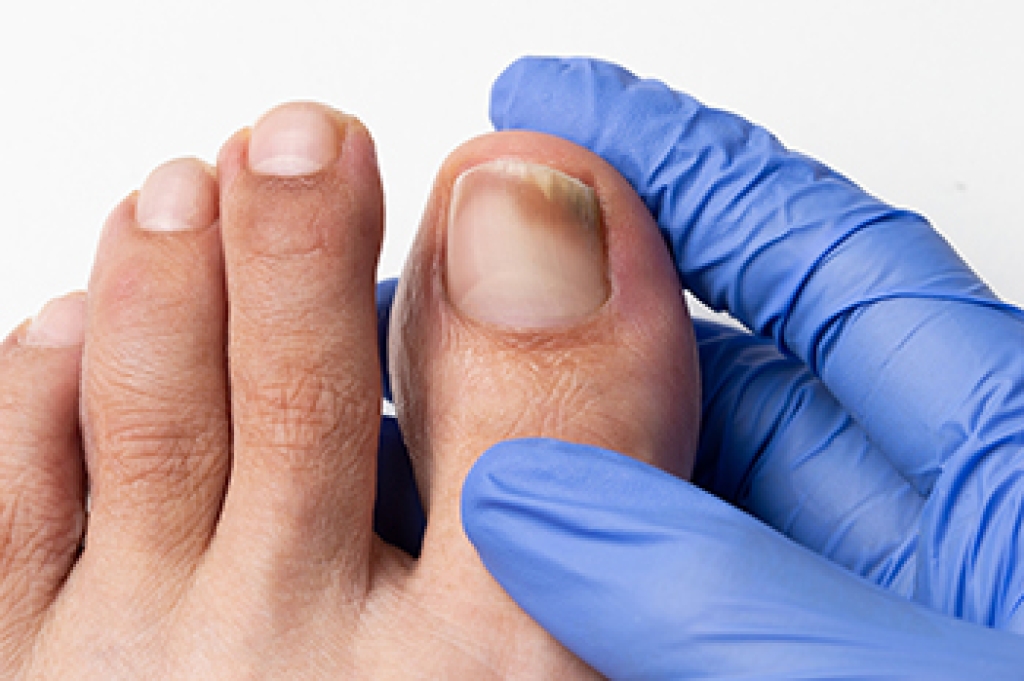
Toenail fungus progresses through distinct stages, each requiring timely intervention. In the earliest stage, the nail may appear slightly discolored, usually yellow or white, with minimal discomfort. Without treatment, the condition advances to the moderate stage, where the nail becomes thicker and more discolored, and may develop a crumbly texture. This stage often involves some pain or discomfort. If untreated, toenail fungus can reach an advanced stage, causing severe thickening, distortion, and detachment of the nail from the nail bed. This stage can lead to significant pain and difficulty walking. In the chronic stage, the infection is longstanding and difficult to treat, potentially leading to permanent damage. If you notice the beginning stages of toenail fungus, it is suggested that you consult a podiatrist who can offer you effective treatment options which may prevent advancing to later stages.

If left untreated, toenail fungus may spread to other toenails, skin, or even fingernails. If you suspect you have toenail fungus it is important to seek treatment right away. For more information about treatment, contact Steven Black, DPM of California . Our doctor can provide the care you need to keep you pain-free and on your feet.

Symptoms

  • Warped or oddly shaped nails
  • Yellowish nails
  • Loose/separated nail
  • Buildup of bits and pieces of nail fragments under the nail
  • Brittle, broken, thickened nail

Treatment

If self-care strategies and over-the-counter medications does not help your fungus, your podiatrist may give you a prescription drug instead. Even if you find relief from your toenail fungus symptoms, you may experience a repeat infection in the future.

Prevention

In order to prevent getting toenail fungus in the future, you should always make sure to wash your feet with soap and water. After washing, it is important to dry your feet thoroughly especially in between the toes. When trimming your toenails, be sure to trim straight across instead of in a rounded shape. It is crucial not to cover up discolored nails with nail polish because that will prevent your nail from being able to “breathe”.

In some cases, surgical procedure may be needed to remove the toenail fungus. Consult with your podiatrist about the best treatment options for your case of toenail fungus.  

If you have any questions please contact our office located in Lancaster, CA . We offer the newest diagnostic and treatment technologies for all your foot and ankle needs.

Read more about Toenail Fungus

Osteoarthritis of the Ankle

Ankle osteoarthritis is a relatively uncommon condition often arising years after an ankle injury that damages the cartilage. Unlike other forms of arthritis, it tends to affect younger individuals, especially those with a history of trauma to the joint. Excess weight can worsen the condition by increasing stress on the ankle and accelerating cartilage deterioration. Symptoms of ankle osteoarthritis include pain, stiffness, and swelling in the joint, which can increase with activity and improve with rest. Patients may also experience a reduced range of motion and a feeling of instability in the ankle. Diagnosis typically involves a physical examination, patient history, and imaging tests, such as X-rays or MRI scans, to assess cartilage damage and joint space narrowing. Treatment focuses on managing symptoms and improving joint function. Conservative approaches include weight management, targeted stretching exercises, anti-inflammatory medications, and orthotics. In severe cases, surgical options like ankle arthroscopy, fusion, or joint replacement may be considered to alleviate pain and restore mobility. If you have persistent ankle pain, it is suggested that you schedule an appointment with a podiatrist for a proper diagnosis and treatment.

Arthritis can be a difficult condition to live with. If you are seeking treatment, contact Steven Black, DPM from California . Our doctor can provide the care you need to keep you pain-free and on your feet.

Arthritic Foot Care  

Arthritis is a term that is commonly used to describe joint pain.  The condition itself can occur to anyone of any age, race, or gender, and there are over 100 types of it.  Nevertheless, arthritis is more commonly found in women compared to men, and it is also more prevalent in those who are overweight. The causes of arthritis vary depending on which type of arthritis you have. Osteoarthritis for example, is often caused by injury, while rheumatoid arthritis is caused by a misdirected immune system.

Symptoms

  • Swelling
  • Pain
  • Stiffness
  • Decreased Range of Motion

Arthritic symptoms range in severity, and they may come and go. Some symptoms stay the same for several years but could potentially get worse with time. Severe cases of arthritis can prevent its sufferers from performing daily activities and make walking difficult.

Risk Factors

  • Occupation – Occupations requiring repetitive knee movements have been linked to osteoarthritis
  • Obesity – Excess weight can contribute to osteoarthritis development
  • Infection – Microbial agents can infect the joints and trigger arthritis
  • Joint Injuries – Damage to joints may lead to osteoarthritis
  • Age – Risk increases with age
  • Gender –Most types are more common in women
  • Genetics – Arthritis can be hereditary

If you suspect your arthritis is affecting your feet, it is crucial that you see a podiatrist immediately. Your doctor will be able to address your specific case and help you decide which treatment method is best for you.

If you have any questions please feel free to contact our office located in Lancaster, CA . We offer the newest diagnostic tools and technology to treat your foot and ankle needs.

Read more about How to Care for Your Arthritic Foot

Plantar Warts Can Be Treated!

Plantar warts are small growths that develop on parts of the feet that bear weight. They're typically found on the bottom of the foot. Don't live with plantar warts, and call us today!

Plantar Warts Can Be Treated!

Plantar warts are small growths that develop on parts of the feet that bear weight. They're typically found on the bottom of the foot. Don't live with plantar warts, and call us today!

Connect With Us