Plantar Fibroma Facts

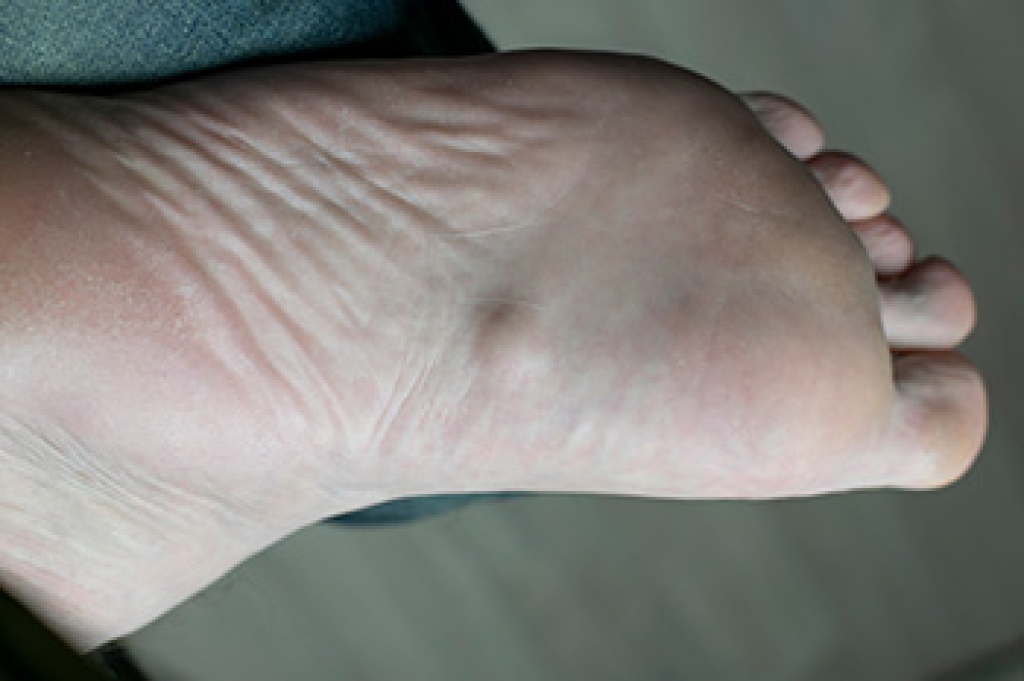
A plantar fibroma is a benign growth of fibrous tissue that forms on the bottom of the foot, typically along the arch. It is often described as a lump or nodule and can vary in size. The main symptom of a plantar fibroma is localized pain or discomfort in the affected area, particularly when walking or standing for long periods. In some cases, the fibroma may not cause pain but may still be noticeable as a firm lump under the skin. The exact cause of plantar fibromas is not entirely understood but is believed to be linked to genetic factors, trauma, or certain medical conditions such as diabetes or liver disease. Diagnosis is usually made through a physical examination, where a podiatrist may palpate the foot to feel for the fibroma. Imaging tests like an ultrasound or MRI may also confirm the diagnosis and rule out other conditions. If you have developed a lump along the arch of your foot, it is suggested that you consult a podiatrist who can accurately diagnose and treat a plantar fibroma.

A plantar fibroma may disrupt your daily activities. If you have any concerns, contact Steven Black, DPM of California . Our doctor can provide the care you need to keep you pain-free and on your feet.

Plantar Fibroma

A plantar fibroma is a fibrous knot in the arch of the foot. It is embedded in the plantar fascia which is a band of tissue that extends from the heel to the toes along the bottom of the foot. There can be multiple plantar fibromas in the feet at the same time. There are no known causes for this condition. If you have a plantar fibroma, there will be a bump in the arch of your foot that cannot be missed. Any associated pain is most often due to a shoe rubbing against the nodule. Non-surgical options, such as steroid injections, physical therapy, and orthotics should be tried first. Surgery is a last resort and is the only thing that will remove a plantar fibroma entirely. Consult with a podiatrist for a proper diagnosis and to determine the treatment regimen that is right for you.

What Causes a Plantar Fibroma?

While there are no specific causes identified, a plantar fibroma can possibly come from genetic predisposition or the formation of scar tissue that forms from healing the tears in the plantar fascia.

What Are the Symptoms of a Plantar Fibroma?

There will be a noticeable lump in the arch of the foot that may or may not cause pain. If pain is felt, it is typically because a shoe is rubbing up against the lump or when walking or standing barefoot.

Treatment and Prevention

A plantar fibroma will not disappear without treatment, but it can get smaller and be a non-issue. If pain persists, a podiatrist examines the foot and when the arch of the foot is pressed, pain can be felt down to the toes. An MRI or biopsy might be performed to help diagnose or evaluate the plantar fibroma. The following non-surgical options are generally enough to reduce the size and pain of these nodules:

  • Steroid injections
  • Orthotics
  • Physical therapy to help apply anti-inflammatory creams on the bump 

Surgery is considered if the mass increases in size and the patient continues to feel pain after non-surgical methods are tried.

If you have any questions, please feel free to contact our office located in Lancaster, CA . We offer the newest diagnostic and treatment technologies for all your foot care needs.


Read more about Plantar Fibroma

Keep Your Feet Healthy So You Can Stay Active

Have your feet inspected by a professional before starting a new sport or physical activity. Taking charge of your foot health will keep you in good physical condition and can help you avoid a potential injury, such as a fracture or sprained ankle.

Prevent injuries and see a foot specialist.

The Benefits of Wearing the Right Shoes at Work

Wearing the right shoes while working is essential for maintaining comfort and preventing injuries. Proper footwear supports the natural alignment of the feet, reducing strain on the legs, back, and joints. This can help prevent foot pain, blisters, and conditions like plantar fasciitis. In addition, the right shoes improve posture, enhancing overall energy levels and productivity throughout the day. For individuals who spend long hours on their feet, the right shoes provide cushioning and support that alleviate pressure, ensuring workers stay comfortable, healthy, and focused. Investing in quality footwear is important in promoting well-being and improving job performance. If you have sustained a foot injury during the workday, it is suggested that you consult a podiatrist who can treat various foot conditions and guide you on appropriate shoes for your workday.

While working on the feet, it is important to take the proper care of them. For more information about working on your feet, contact Steven Black, DPM from California . Our doctor will treat your foot and ankle needs.

Working on Your Feet

Standing on your feet for long periods of time can cause stress and pain in your feet. Your whole body may experience change in terms of posture, back pain, bunions, callouses and or plantar warts. There are ways to avoid these conditions with proper foot care, smart choices and correct posture.

Positive Changes

Negative heeled shoe – Choosing this shoe type places the heel slightly lower than the ball of the foot. These are great for overall foot health. Find shoes that fit you correctly.

Go barefoot – Our feet were not designed to be enclosed for all hours of the day. Try to periodically expose your feet to air.

Eliminate Pain

Foot Exercises – Performing simple exercises, incorporating yoga and doing stretches are beneficial. This will allow increased blood flow to the area and muscles of the foot.

Achilles tendon – Stretching the foot out flat on the floor will relax the calf muscles and tendon. These exercises can be performed almost anywhere. Make sure you add these exercises to your daily regimen. 

With a little bit of this information and knowing more about foot health, you will notice changes. Foot stretches and proper footwear will help with pain and prevent further issues.

If you have any questions please contact our office located in Lancaster, CA . We offer the newest diagnostic and treatment technologies for all your foot and ankle needs.

Read more about Working on Your Feet

Calcific Spurs at the Achilles Tendon

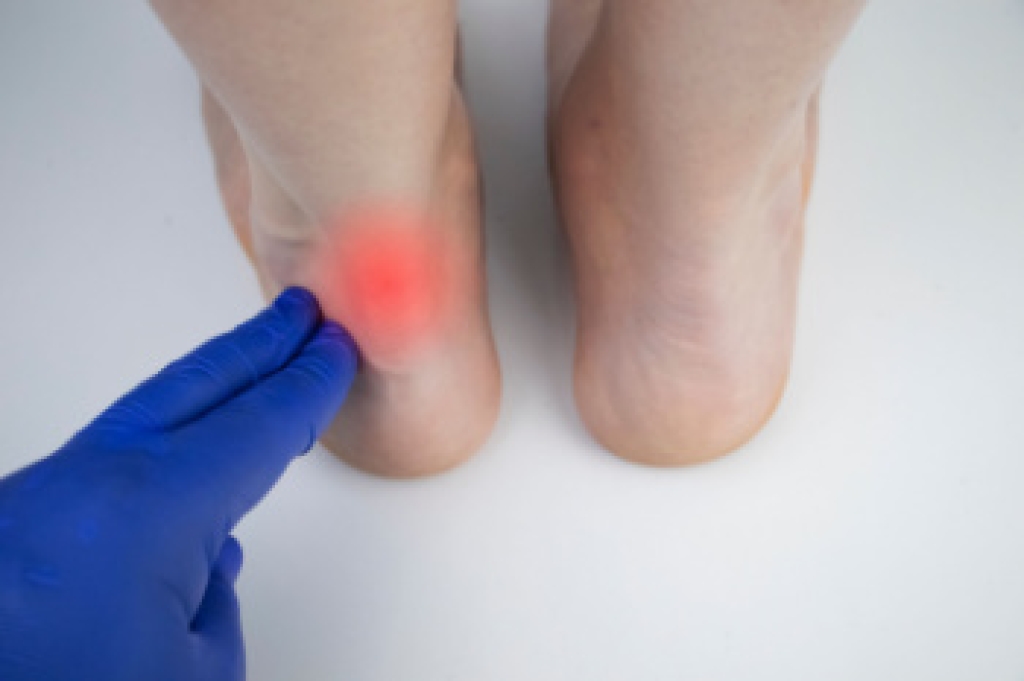
Calcific spurs are bony growths that form at the insertion of the Achilles tendon, where the tendon attaches to the heel bone. These spurs can cause pain, swelling, and stiffness in the back of the heel, especially during activities like walking or running. They develop when calcium deposits build up over time, often due to repeated stress or inflammation of the tendon. Risk factors include age, overuse, tight calf muscles, or conditions like arthritis. Athletes, active individuals, and older adults are more commonly affected. A podiatrist diagnoses calcific spurs through a physical exam and imaging tests like X-rays to confirm the size and location of the spur. Treatment may involve stretching exercises, custom orthotics, or anti-inflammatory medications. Severe cases might require surgery. If you are experiencing heel pain, it is suggested that you see a podiatrist for expert care and relief.

Achilles tendon injuries need immediate attention to avoid future complications. If you have any concerns, contact Steven Black, DPM of California . Our doctor can provide the care you need to keep you pain-free and on your feet.

What Is the Achilles Tendon?

The Achilles tendon is a tendon that connects the lower leg muscles and calf to the heel of the foot. It is the strongest tendon in the human body and is essential for making movement possible. Because this tendon is such an integral part of the body, any injuries to it can create immense difficulties and should immediately be presented to a doctor.

What Are the Symptoms of an Achilles Tendon Injury?

There are various types of injuries that can affect the Achilles tendon. The two most common injuries are Achilles tendinitis and ruptures of the tendon.

Achilles Tendinitis Symptoms

  • Inflammation
  • Dull to severe pain
  • Increased blood flow to the tendon
  • Thickening of the tendon

Rupture Symptoms

  • Extreme pain and swelling in the foot
  • Total immobility

Treatment and Prevention

Achilles tendon injuries are diagnosed by a thorough physical evaluation, which can include an MRI. Treatment involves rest, physical therapy, and in some cases, surgery. However, various preventative measures can be taken to avoid these injuries, such as:

  • Thorough stretching of the tendon before and after exercise
  • Strengthening exercises like calf raises, squats, leg curls, leg extensions, leg raises, lunges, and leg presses

If you have any questions please feel free to contact our office located in Lancaster, CA . We offer the newest diagnostic tools and technology to treat your foot and ankle needs.

Read more about Achilles Tendon Injuries

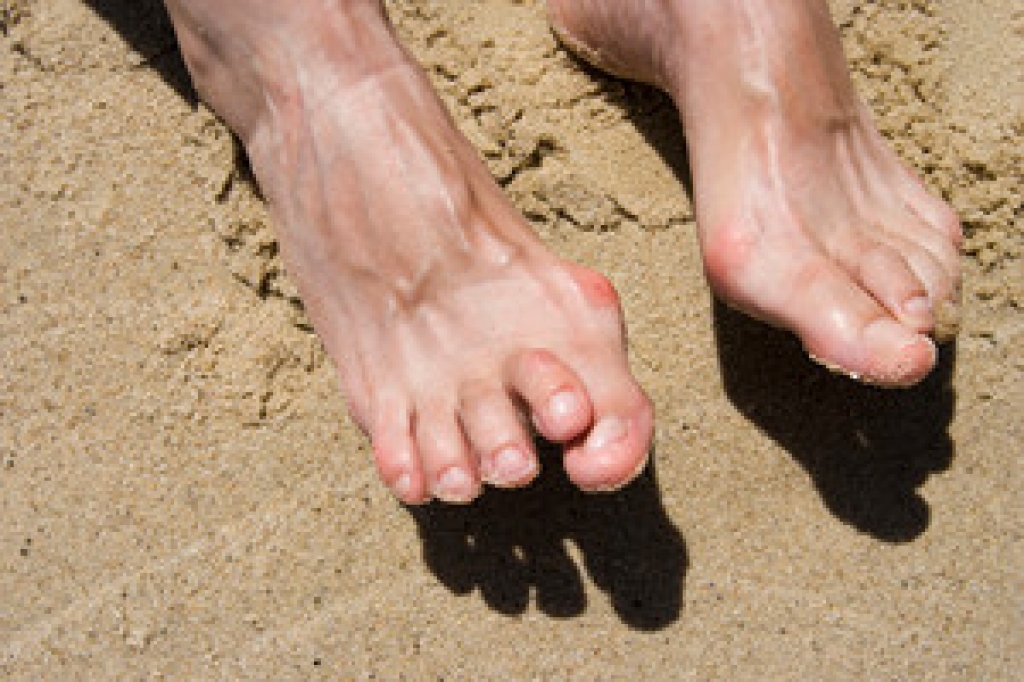
Hammertoe Facts

Hammertoe is a deformity where one or more toes bend abnormally at the middle joint, causing them to resemble a hammer. This condition can be caused by several factors, including wearing tight or ill-fitting shoes that force the toes into unnatural positions. Over time, the muscles and tendons in the toe become imbalanced, leading to the deformity. Other causes include injury, arthritis, and genetic predisposition. Symptoms of hammertoe include pain or discomfort in the affected toes, especially when wearing shoes or walking for long periods. The toes may become stiff and difficult to straighten, and in some cases, corns or calluses can form on the tops or tips of the toes due to pressure. If you have symptoms of hammertoe, it is suggested that you consult a podiatrist who can offer you effective relief and treatment solutions. 

Hammertoes can be a painful condition to live with. For more information, contact Steven Black, DPM of California . Our doctor will answer any of your foot- and ankle-related questions.

Hammertoe

Hammertoe is a foot deformity that occurs due to an imbalance in the muscles, tendons, or ligaments that normally hold the toe straight. It can be caused by the type of shoes you wear, your foot structure, trauma, and certain disease processes.

Symptoms

  • Painful and/or difficult toe movement
  • Swelling
  • Joint stiffness
  • Calluses/Corns
  • Physical deformity

Risk Factors

  • Age – The risk of hammertoe increases with age
  • Sex – Women are more likely to have hammertoe compared to men
  • Toe Length – You are more likely to develop hammertoe if your second toe is longer than your big toe
  • Certain Diseases – Arthritis and diabetes may make you more likely to develop hammertoe

Treatment

If you have hammertoe, you should change into a more comfortable shoe that provides enough room for your toes. Exercises such as picking up marbles may strengthen and stretch your toe muscles. Nevertheless, it is important to seek assistance from a podiatrist in order to determine the severity of your hammertoe and see which treatment option will work best for you.

If you have any questions, please feel free to contact our office located in Lancaster, CA . We offer the newest diagnostic and treatment technologies for all your foot care needs.
Read more about Hammertoe

Connect With Us