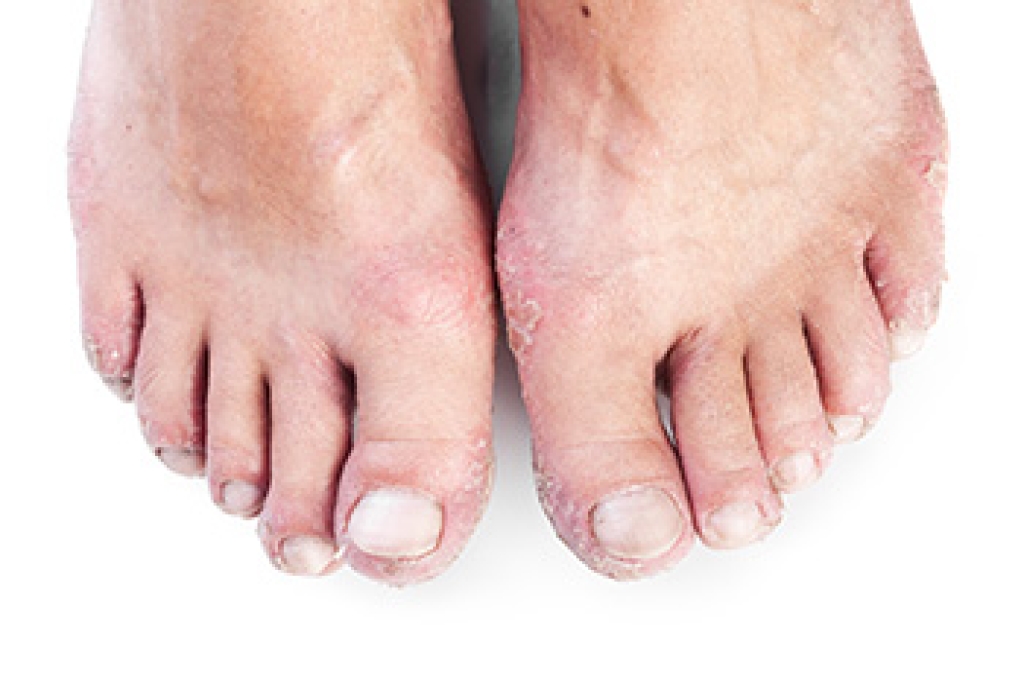
Understanding How Psoriatic Arthritis Affects the Feet

Psoriatic arthritis is a chronic condition that can cause pain, swelling, and stiffness in the feet, often making it difficult to walk or stand for long periods. of time. The inflammation may involve any of the 26 foot bones and ankle joints, as well as their surrounding soft tissues. A common feature of psoriatic arthritis is dactylitis, also called sausage toes, where the entire toe becomes swollen and tender. Heel pain may also occur when the Achilles tendon becomes inflamed, creating symptoms similar to plantar fasciitis. Over time, the toes can curl into claw-like shapes, the big toe may bend upward, or the foot arch may flatten. Skin around the joints may appear red or purple, and stiffness often worsens after periods of rest. A podiatrist can evaluate these symptoms, recommend proper footwear or custom orthotics, and discuss possible surgery if joint damage is severe. If you have foot pain from psoriatic arthritis, it is suggested that you schedule an appointment with a podiatrist for an exam and appropriate treatment.

Arthritis can be a difficult condition to live with. If you are seeking treatment, contact Steven Black, DPM from California . Our doctor can provide the care you need to keep you pain-free and on your feet.

Arthritic Foot Care  

Arthritis is a joint disorder that involves the inflammation of different joints in your body, such as those in your feet. Arthritis is often caused by a degenerative joint disease and causes mild to severe pain in all affected areas. In addition to this, swelling and stiffness in the affected joints can also be a common symptom of arthritis.

In many cases, wearing ill-fitting shoes can worsen the effects and pain of arthritis. Wearing shoes that have a lower heel and extra room can help your feet feel more comfortable. In cases of rheumatoid arthritis, the arch in your foot may become problematic. Buying shoes with proper arch support that contour to your feet can help immensely.

Alleviating Arthritic Pain

  • Exercises that stretch the foot can prevent further pain and injury and increase mobility
  • Most of the pain can be alleviated with anti-inflammatory drugs, heat, and topical medications
  • Massages can help temporarily alleviate pain.

It is best to see your doctor for the treatment that is right for your needs and symptoms. Conditions vary, and a podiatrist can help you determine the right method of care for your feet.

If you have any questions please feel free to contact our office located in Lancaster, CA . We offer the newest diagnostic tools and technology to treat your foot and ankle needs.


Read more about Arthritic Foot Care

Frequent Causes of Lateral Foot Pain

Pain on the outer side of the foot, known as lateral foot pain, can result from a variety of conditions that affect the bones, tendons, and ligaments in this area. A common cause of lateral foot pain is peroneal tendonitis. This develops where the tendons running along the ankle and foot become inflamed due to overuse or injury. Ankle sprains are another frequent source, often occurring when the ankle twists inward. This action can cause tearing of the supporting ligaments and leads to swelling and instability. Fractures of the fifth metatarsal, sometimes called dancer’s fractures or Jones fractures, may arise from repetitive stress or acute trauma. A podiatrist can evaluate the exact cause of lateral foot pain, provide diagnostic imaging to confirm, and recommend the most effective treatment. If the outer side of your foot hurts, it is suggested that you make an appointment with a podiatrist for an exam and treatment.

Foot Pain

Foot pain can be extremely painful and debilitating. If you have a foot pain, consult with Steven Black, DPM from California . Our doctor will assess your condition and provide you with quality foot and ankle treatment.

Causes

Foot pain is a very broad condition that could be caused by one or more ailments. The most common include:

  • Bunions
  • Hammertoes
  • Plantar Fasciitis
  • Bone Spurs
  • Corns
  • Tarsal Tunnel Syndrome
  • Ingrown Toenails
  • Arthritis (such as Gout, Rheumatoid, and Osteoarthritis)
  • Flat Feet
  • Injury (from stress fractures, broken toe, foot, ankle, Achilles tendon ruptures, and sprains)
  • And more

Diagnosis

To figure out the cause of foot pain, podiatrists utilize several different methods. This can range from simple visual inspections and sensation tests to X-rays and MRI scans. Prior medical history, family medical history, and any recent physical traumatic events will all be taken into consideration for a proper diagnosis.

Treatment

Treatment depends upon the cause of the foot pain. Whether it is resting, staying off the foot, or having surgery; podiatrists have a number of treatment options available for foot pain.

If you have any questions, please feel free to contact our office located in Lancaster, CA . We offer the newest diagnostic and treatment technologies for all your foot care needs.

Read more about Foot Pain

Wounds That Don't Heal Need to Be Checked

Your feet are covered most of the day. If you're diabetic, periodic screening is important for good health. Numbness is often a sign of diabetic foot and can mask a sore or wound.

Understanding Achilles Tendinopathy

Achilles tendinopathy is a condition that affects the tendon connecting the calf muscles to the heel bone. It often begins with stiffness and pain in the back of the heel or lower leg, especially during walking or running. The discomfort may ease with activity at first, but can return stronger afterward. Over time, the tendon may thicken and lose flexibility, making daily movement more difficult. Common causes include overuse, sudden increases in activity, tight calf muscles, or wearing unsupportive shoes. Rest, stretching, and supportive footwear may reduce strain, while structured strengthening programs are often key to recovery. Ignoring the problem can increase the risk of a more serious tendon injury, including rupture. If you are experiencing persistent pain or stiffness in your Achilles tendon, it is suggested that you consult a podiatrist for an accurate diagnosis and a personalized treatment plan.

Achilles tendon injuries need immediate attention to avoid future complications. If you have any concerns, contact Steven Black, DPM of California . Our doctor can provide the care you need to keep you pain-free and on your feet.

What Is the Achilles Tendon?

The Achilles tendon is a tendon that connects the lower leg muscles and calf to the heel of the foot. It is the strongest tendon in the human body and is essential for making movement possible. Because this tendon is such an integral part of the body, any injuries to it can create immense difficulties and should immediately be presented to a doctor.

What Are the Symptoms of an Achilles Tendon Injury?

There are various types of injuries that can affect the Achilles tendon. The two most common injuries are Achilles tendinitis and ruptures of the tendon.

Achilles Tendinitis Symptoms

  • Inflammation
  • Dull to severe pain
  • Increased blood flow to the tendon
  • Thickening of the tendon

Rupture Symptoms

  • Extreme pain and swelling in the foot
  • Total immobility

Treatment and Prevention

Achilles tendon injuries are diagnosed by a thorough physical evaluation, which can include an MRI. Treatment involves rest, physical therapy, and in some cases, surgery. However, various preventative measures can be taken to avoid these injuries, such as:

  • Thorough stretching of the tendon before and after exercise
  • Strengthening exercises like calf raises, squats, leg curls, leg extensions, leg raises, lunges, and leg presses

If you have any questions please feel free to contact our office located in Lancaster, CA . We offer the newest diagnostic tools and technology to treat your foot and ankle needs.

Read more about The Causes, Types, and Treatments of Achilles Tendon Injuries

Causes and Risk Factors for Toenail Fungus

Toenail fungus, or onychomycosis, is a common condition in which fungi infect the nails, causing thickening, discoloration, and brittleness. It often develops in warm, moist environments such as shoes, locker rooms, and around pools. Risk factors include aging, diabetes, compromised immune systems, nail trauma, and poor foot hygiene. Symptoms may involve yellow or white spots on the nail, crumbling edges, and an unpleasant odor. Without treatment, the infection can spread to other nails or skin. A podiatrist can accurately diagnose toenail fungus, provide effective treatments, and recommend preventive strategies. If you have symptoms of toenail fungus, it is suggested that you contact a podiatrist who can offer effective treatment remedies, which may include prescribed medication.

For more information about treatment, contact Steven Black, DPM of California . Our doctor can provide the care you need to keep you pain-free and on your feet.

Toenail Fungus Treatment

Toenail fungus is a condition that affects many people and can be especially hard to get rid of. Fortunately, there are several methods to go about treating and avoiding it.

Antifungals & Deterrence

Oral antifungal medicine has been shown to be effective in many cases. It is important to consult with a podiatrist to determine the proper regiment for you, or potentially explore other options.

Applying foot powder on the feet and shoes helps keep the feet free of moisture and sweat.

Sandals or open toed shoes – Wearing these will allow air movement and help keep feet dry. They also expose your feet to light, which fungus cannot tolerate. Socks with moisture wicking material also help as well.

If you have any questions please contact our office located in Lancaster, CA . We offer the newest diagnostic and treatment technologies for all your foot and ankle needs.

Read more about Treating Toenail Fungus

Connect With Us