Difficult Identification of Cuboid Syndrome

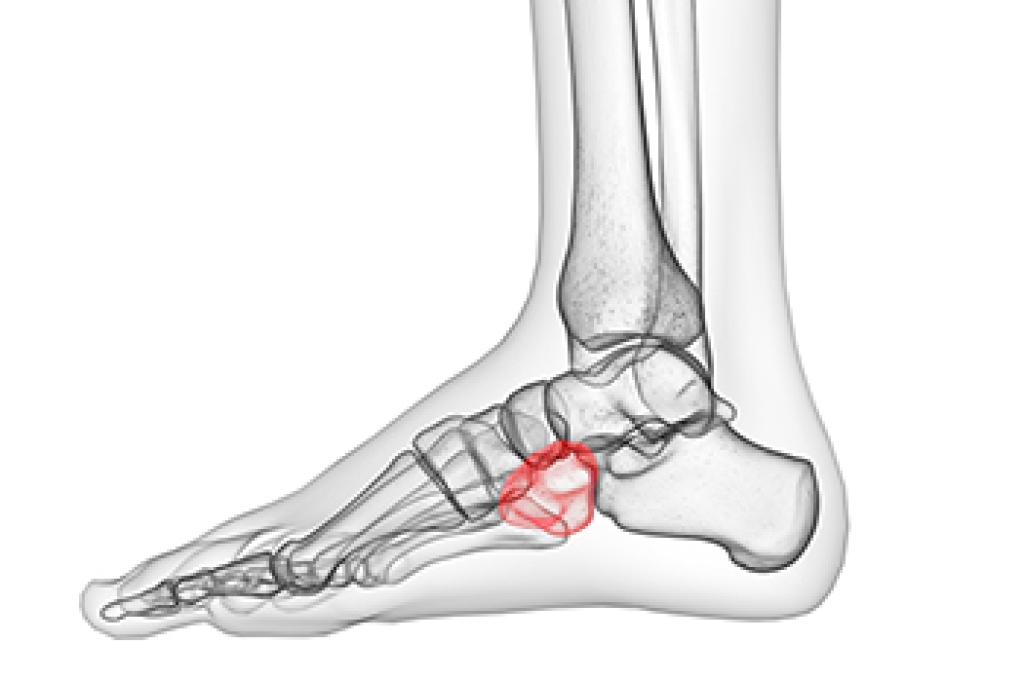
Cuboid syndrome has numerous alternate names, such as cuboid fault syndrome or lateral plantar neuritis. It manifests primarily as pain on the foot's outer edge, which stems from a misalignment of the cuboid bone. Located centrally within the foot, this bone connects seamlessly with other bones and is anchored by ligaments and tendons. A crucial joint in this context is the calcaneocuboid joint, vital for foot stability and motion. Problems arise when the bone displaces from its position, resulting in symptoms like pain, restricted motion, and challenges in weight-bearing. The diagnosis of cuboid syndrome often remains elusive as other issues can lead to lateral foot pain, such as gout, compression neuropathy, and tendinopathy. If cuboid syndrome is the culprit, treatment typically focuses on bone manipulation, with persistent cases demanding further interventions. If you have lateral foot pain, it is suggested that you make an appointment with a podiatrist for an examination, diagnosis, and treatment for its cause.

Cuboid syndrome, also known as cuboid subluxation, occurs when the joints and ligaments near the cuboid bone in the foot become torn. If you have cuboid syndrome, consult with Steven Black, DPM from California . Our doctor will assess your condition and provide you with quality foot and ankle treatment.

Cuboid syndrome is a common cause of lateral foot pain, which is pain on the outside of the foot. The condition may happen suddenly due to an ankle sprain, or it may develop slowly overtime from repetitive tension through the bone and surrounding structures.

Causes

The most common causes of cuboid syndrome include:

  • Injury – The most common cause of this ailment is an ankle sprain.
  • Repetitive Strain – Tension placed through the peroneus longus muscle from repetitive activities such as jumping and running may cause excessive traction on the bone causing it to sublux.
  • Altered Foot Biomechanics – Most people suffering from cuboid subluxation have flat feet.

Symptoms

A common symptom of cuboid syndrome is pain along the outside of the foot which can be felt in the ankle and toes. This pain may create walking difficulties and may cause those with the condition to walk with a limp.

Diagnosis

Diagnosis of cuboid syndrome is often difficult, and it is often misdiagnosed. X-rays, MRIs and CT scans often fail to properly show the cuboid subluxation. Although there isn’t a specific test used to diagnose cuboid syndrome, your podiatrist will usually check if pain is felt while pressing firmly on the cuboid bone of your foot.

Treatment

Just as the range of causes varies widely, so do treatments. Some more common treatments are ice therapy, rest, exercise, taping, and orthotics.

If you have any questions, please feel free to contact our office located in Lancaster, CA . We offer the newest diagnostic and treatment technologies for all your foot care needs.


Read more about All About Cuboid Syndrome

The Seriousness of Foot Pain

Foot pain can be more than just an inconvenience, it can be a warning sign of underlying health issues. Various health conditions can manifest through foot pain. For instance, a malfunctioning thyroid gland can affect nerve sensation in your feet. Similarly, degenerative changes in your lower back could irritate spinal nerves, impacting foot health. Peripheral arterial disease, or PAD, results from plaque buildup in leg arteries, causing foot pain and increasing the risk of heart attack and stroke. Rheumatoid arthritis is another culprit that can result in foot and ankle symptoms and severely alter the shape of your feet over time. Additionally, gout results from uric acid buildup, causing intense foot pain. Diabetes can damage nerves and blood vessels in the feet, leading to numbness and infections. Ignoring foot pain can be perilous. Not only could it indicate a localized issue, but it may also be a symptom of more systemic health problems. Therefore, if you have chronic or severe foot pain, it is strongly suggested that you make an appointment with a podiatrist for a proper diagnosis and individualized treatment.

Foot Pain

Foot pain can be extremely painful and debilitating. If you have a foot pain, consult with Steven Black, DPM from California . Our doctor will assess your condition and provide you with quality foot and ankle treatment.

Causes

Foot pain is a very broad condition that could be caused by one or more ailments. The most common include:

  • Bunions
  • Hammertoes
  • Plantar Fasciitis
  • Bone Spurs
  • Corns
  • Tarsal Tunnel Syndrome
  • Ingrown Toenails
  • Arthritis (such as Gout, Rheumatoid, and Osteoarthritis)
  • Flat Feet
  • Injury (from stress fractures, broken toe, foot, ankle, Achilles tendon ruptures, and sprains)
  • And more

Diagnosis

To figure out the cause of foot pain, podiatrists utilize several different methods. This can range from simple visual inspections and sensation tests to X-rays and MRI scans. Prior medical history, family medical history, and any recent physical traumatic events will all be taken into consideration for a proper diagnosis.

Treatment

Treatment depends upon the cause of the foot pain. Whether it is resting, staying off the foot, or having surgery; podiatrists have a number of treatment options available for foot pain.

If you have any questions, please feel free to contact our office located in Lancaster, CA . We offer the newest diagnostic and treatment technologies for all your foot care needs.
Read more about Foot Pain

Understanding Foot Changes During Pregnancy

Pregnancy is a transformative journey for a woman's body, which extends to her feet as well. As the body adapts to support the growing baby, several changes in the feet can occur. One common alteration is swelling, also known as edema, which is caused by increased blood and fluid volume. This can lead to a noticeable increase in foot size. Hormonal changes, specifically the hormone relaxin, can also affect the ligaments in the feet, potentially causing them to stretch and result in a broader foot shape. Weight gain during pregnancy adds extra pressure to the feet, often leading to fallen arches. These changes can be uncomfortable, but the good news is that they are usually temporary. Once the pregnancy is over, your feet will gradually return to their pre-pregnancy state. In the meantime, wearing comfortable, well-fitting shoes and having regular foot massages can help alleviate some of the discomfort and provide much-needed relief. If you are interested in learning more about how your feet can become affected by pregnancy, it is suggested that you confer with a podiatrist who can offer you useful information.

Pregnant women with swollen feet can be treated with a variety of different methods that are readily available. For more information about other cures for swollen feet during pregnancy, consult with Steven Black, DPM from California . Our doctor will attend to all of your foot and ankle needs.

What Foot Problems Can Arise During Pregnancy?

One problem that can occur is overpronation, which occurs when the arch of the foot flattens and tends to roll inward.  This can cause pain and discomfort in your heels while you’re walking or even just standing up, trying to support your baby.  

Another problem is edema, or swelling in the extremities. This often affects the feet during pregnancy but tends to occur in the later stages. 

How Can I Keep My Feet Healthy During Pregnancy?

  • Wearing orthotics can provide extra support for the feet and help distribute weight evenly
  • Minimize the amount of time spent walking barefoot
  • Wear shoes with good arch support
  • Wear shoes that allow for good circulation to the feet
  • Elevate feet if you experience swelling
  • Massage your feet
  • Get regular, light exercise, such as walking, to promote blood circulation to the feet

If you have any questions, please feel free to contact our office located in Lancaster, CA . We offer the newest diagnostic and treatment technologies for all your foot care needs.

Read more about Foot Care for Pregnant Women

Common Causes of Foot Pain in Seniors

Foot pain is a common complaint among seniors, affecting approximately 20 percent of older adults regularly. Among the most common causes of foot pain in seniors are stress fractures, heel pain, diabetic neuropathy, gout, and blood clots. Seniors are more susceptible to stress fractures due to age-related changes in bone density. Stress fractures are tiny cracks in bones that typically manifest as pain during activity, but subside with rest. Plantar fasciitis, characterized by irritation and inflammation of the plantar fascia ligament on the sole of the foot, can cause persistent heel pain. Diabetes frequently leads to neuropathy, which causes tingling, burning, or numbness in the feet. Regular foot monitoring and care are essential for individuals with diabetes to prevent complications. A podiatrist can help manage conditions such as corns, calluses, and nail care. Gout, a form of inflammatory arthritis, typically affects the big toe. Sudden and severe pain, especially at night, may indicate gout. Blood tests or joint fluid analysis can confirm the diagnosis. Deep vein thrombosis, or a blood clot, is often associated with leg swelling and pain, but it can also cause sudden and severe pain in the ankle or foot. Seniors, especially those who smoke, are overweight, or are sedentary, may be at a higher risk. If you are experiencing foot or ankle pain that persists or worsens, it is suggested that you make an appointment with a podiatrist for treatment options.

Proper foot care is something many older adults forget to consider. If you have any concerns about your feet and ankles, contact Steven Black, DPM from California . Our doctor can provide the care you need to keep you pain-free and on your feet.

The Elderly and Their Feet

As we age we start to notice many changes in our body, but the elder population may not notice them right away. Medical conditions may prevent the elderly to take notice of their foot health right away. Poor vision is a lead contributor to not taking action for the elderly.

Common Conditions 

  • Neuropathy – can reduce feeling in the feet and can hide many life-threatening medical conditions.
  • Reduced flexibility – prevents the ability of proper toenail trimming, and foot cleaning. If left untreated, it may lead to further medical issues.
  • Foot sores – amongst the older population can be serious before they are discovered. Some of the problematic conditions they may face are:
  • Gouging toenails affecting nearby toe
  • Shoes that don’t fit properly
  • Pressure sores
  • Loss of circulation in legs & feet
  • Edema & swelling of feet and ankles

Susceptible Infections

Diabetes and poor circulation can cause general loss of sensitivity over the years, turning a simple cut into a serious issue.

If you have any questions, please feel free to contact our office located in Lancaster, CA . We offer the newest diagnostic and treatment technologies for all your foot care needs.

Read more about Elderly and their Feet

Let the Expert Treat Your Ingrown Toenails

Ingrown toenails can be painful and can make wearing shoes or walking uncomfortable. Seek professional help if you believe you've developed an ingrown toenail and be treated safely. 

Connect With Us