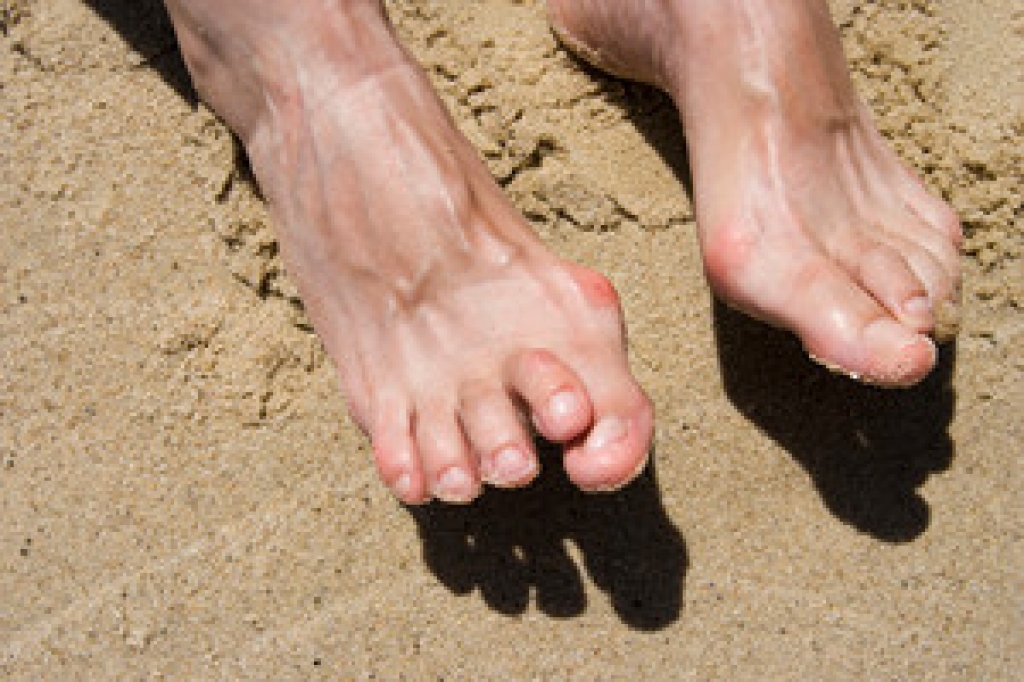
Description of Hammertoe

Hammertoe is a deformity where one or more toes become bent at the middle joint, resembling a hammer. This condition often develops from an imbalance in the muscles and tendons that control the toe’s movement. Common causes include wearing ill-fitting shoes, high heels, arthritis, or a congenital predisposition. Symptoms of hammertoe include pain or tenderness in the affected toe, especially when wearing shoes. Corns or calluses that form on the top of the bent joint and difficulty moving the toe are other signs. The toe may become rigid over time, making it harder to straighten. Treatment for hammertoe typically starts with conservative methods, such as wearing roomy shoes, using orthotic devices, and performing foot exercises to stretch the muscles. In more severe cases, surgery may be necessary to realign the toe. A podiatrist can help diagnose hammertoe, recommend appropriate footwear, and guide you through treatment options. If you are experiencing this condition, it is suggested that you schedule an appointment with a this type of doctor.

Hammertoe

Hammertoes can be a painful condition to live with. For more information, contact Steven Black, DPM from California . Our doctor will answer any of your foot- and ankle-related questions.

Hammertoe is a foot deformity that affects the joints of the second, third, fourth, or fifth toes of your feet. It is a painful foot condition in which these toes curl and arch up, which can often lead to pain when wearing footwear.

Symptoms

  • Pain in the affected toes
  • Development of corns or calluses due to friction
  • Inflammation
  • Redness
  • Contracture of the toes

Causes

Genetics – People who are genetically predisposed to hammertoe are often more susceptible

Arthritis – Because arthritis affects the joints in your toes, further deformities stemming from arthritis can occur

Trauma – Direct trauma to the toes could potentially lead to hammertoe

Ill-fitting shoes – Undue pressure on the front of the toes from ill-fitting shoes can potentially lead to the development of hammertoe

Treatment

Orthotics – Custom made inserts can be used to help relieve pressure placed on the toes and therefore relieve some of the pain associated with it

Medications – Oral medications such as anti-inflammatories or NSAIDs could be used to treat the pain and inflammation hammertoes causes. Injections of corticosteroids are also sometimes used

Surgery – In more severe cases where the hammertoes have become more rigid, foot surgery is a potential option

If you have any questions, please feel free to contact our office located in Lancaster, CA . We offer the newest diagnostic and treatment technologies for all your foot care needs.

Read more about What Are Hammertoes?

Causes and Treatment of Peroneal Tendonitis

Peroneal tendonitis causes pain along the outer side of the ankle due to inflammation and degeneration of the peroneal tendons in the leg. These tendons connect the peroneal muscles in the lower leg to the bones in the foot and ankle. They help with foot stability and movements like pointing the toes downward and turning the foot outward. Peroneal tendonitis often develops from repetitive strain, overuse, or injuries like ankle sprains. Symptoms typically include pain and tenderness along the outer ankle, discomfort that worsens with activity, and stiffness, especially after rest. People with high arches, tight calf muscles, or a history of ankle sprains are at greater risk of peroneal tendonitis, as these factors can increase stress on the tendons. A podiatrist can diagnose the condition and evaluate contributing factors like foot structure or gait mechanics. This foot doctor can also prescribe orthotics and suggest other ways to alleviate strain on the tendons. If you are experiencing ankle pain, it is suggested that you make an appointment with a podiatrist for a diagnosis and necessary treatment.

Ankle pain can be caused by a number of problems and may be potentially serious. If you have ankle pain, consult with Steven Black, DPM from California . Our doctor will assess your condition and provide you with quality foot and ankle treatment.

Ankle pain is any condition that causes pain in the ankle. Due to the fact that the ankle consists of tendons, muscles, bones, and ligaments, ankle pain can come from a number of different conditions.

Causes

The most common causes of ankle pain include:

  • Types of arthritis (rheumatoid, osteoarthritis, and gout)
  • Ankle sprains
  • Broken ankles
  • Achilles tendonitis
  • Achilles tendon rupture
  • Stress fractures
  • Bursitis
  • Tarsal tunnel syndrome
  • Plantar fasciitis

Symptoms

Symptoms of ankle injury vary based upon the condition. Pain may include general pain and discomfort, swelling, aching, redness, bruising, burning or stabbing sensations, and/or loss of sensation.

Diagnosis

Due to the wide variety of potential causes of ankle pain, podiatrists will utilize a number of different methods to properly diagnose ankle pain. This can include asking for personal and family medical histories and of any recent injuries. Further diagnosis may include sensation tests, a physical examination, and potentially x-rays or other imaging tests.

Treatment

Just as the range of causes varies widely, so do treatments. Some more common treatments are rest, ice packs, keeping pressure off the foot, orthotics and braces, medication for inflammation and pain, and surgery.

If you have any questions please feel free to contact our office located in Lancaster, CA . We offer the newest diagnostic tools and technology to treat your foot and ankle needs.

Read more about Various Causes of Ankle Pain

Can Poor Foot Circulation Be Improved?

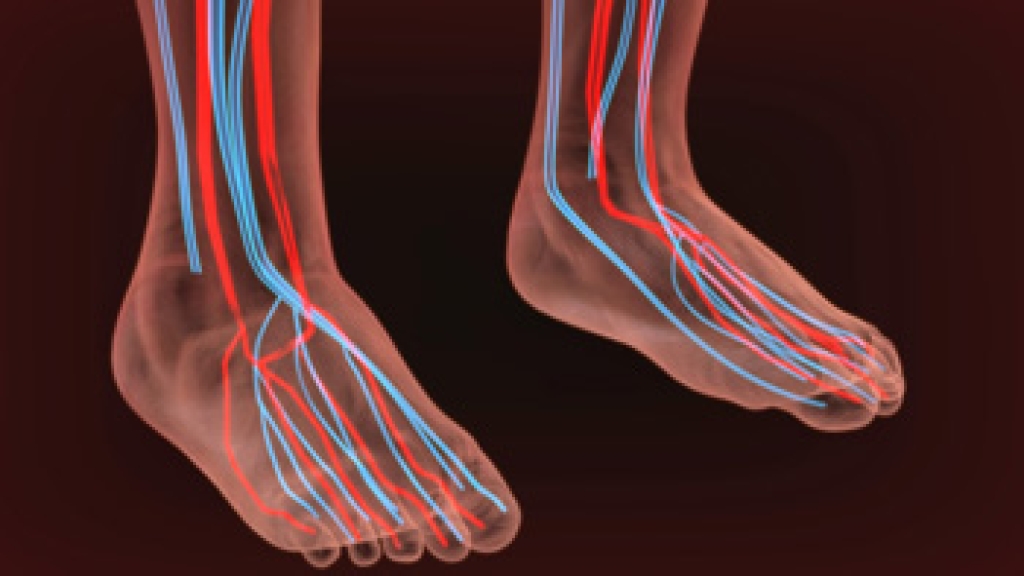
Poor circulation in the feet occurs when blood flow to the lower extremities is reduced, often leading to discomfort and other health concerns. This condition can be caused by various factors such as diabetes, smoking, obesity, or heart disease. The most common symptoms of poor circulation include cold feet, numbness, tingling sensations, swelling, and discoloration. In more severe cases, it can lead to wounds that heal slowly or even tissue damage. Improving circulation in the feet can be achieved through several methods. Regular physical activity, such as walking or swimming, promotes better blood flow and strengthens the heart. Elevating the feet, wearing compression socks, and avoiding tight footwear can also help enhance circulation. Maintaining a healthy diet, staying hydrated, and not smoking are essential for long-term circulation health. If you have symptoms of poor circulation in your feet, it is suggested that you consult a podiatrist who can offer you effective relief and treatment solutions.

While poor circulation itself isn’t a condition; it is a symptom of another underlying health condition you may have. If you have any concerns with poor circulation in your feet contact Steven Black, DPM of California . Our doctor will treat your foot and ankle needs.

Poor Circulation in the Feet

Peripheral artery disease (PAD) can potentially lead to poor circulation in the lower extremities. PAD is a condition that causes the blood vessels and arteries to narrow. In a linked condition called atherosclerosis, the arteries stiffen up due to a buildup of plaque in the arteries and blood vessels. These two conditions can cause a decrease in the amount of blood that flows to your extremities, therefore resulting in pain.

Symptoms

Some of the most common symptoms of poor circulation are:

  • Numbness
  • Tingling
  • Throbbing or stinging pain in limbs
  • Pain
  • Muscle Cramps

Treatment for poor circulation often depends on the underlying condition that causes it. Methods for treatment may include insulin for diabetes, special exercise programs, surgery for varicose veins, or compression socks for swollen legs.

As always, see a podiatrist as he or she will assist in finding a regimen that suits you. A podiatrist can also prescribe you any needed medication. 

If you have any questions, please feel free to contact our office located in Lancaster, CA . We offer the newest diagnostic and treatment technologies for all your foot care needs.
Read more about Causes Symptoms and Treatment for Poor Circulation in the Feet

Plantar Fibroma Facts

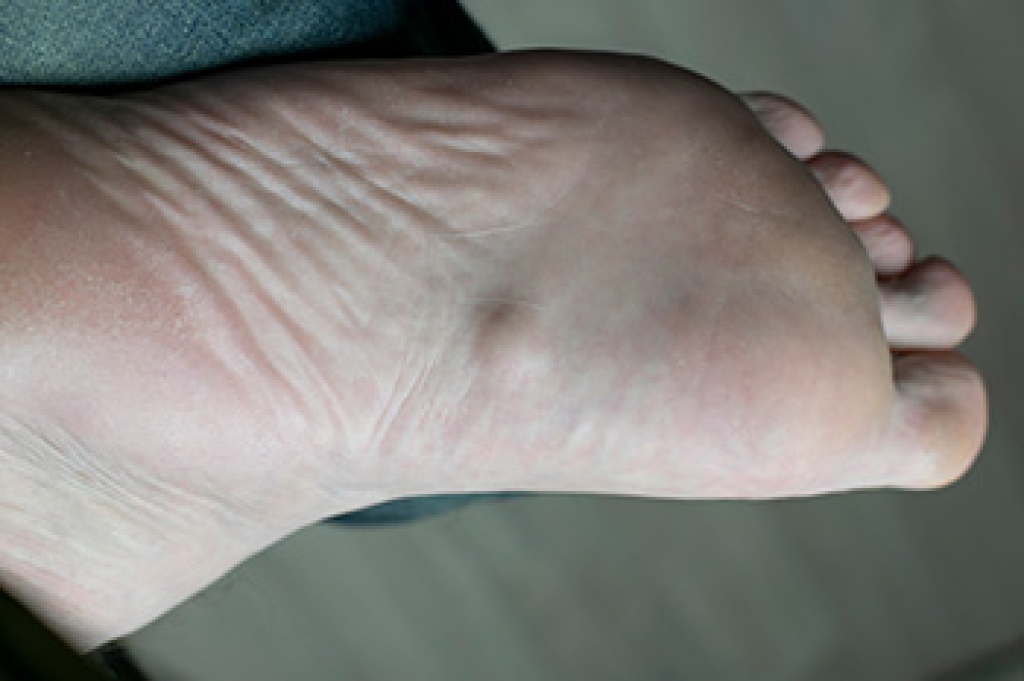
A plantar fibroma is a benign growth of fibrous tissue that forms on the bottom of the foot, typically along the arch. It is often described as a lump or nodule and can vary in size. The main symptom of a plantar fibroma is localized pain or discomfort in the affected area, particularly when walking or standing for long periods. In some cases, the fibroma may not cause pain but may still be noticeable as a firm lump under the skin. The exact cause of plantar fibromas is not entirely understood but is believed to be linked to genetic factors, trauma, or certain medical conditions such as diabetes or liver disease. Diagnosis is usually made through a physical examination, where a podiatrist may palpate the foot to feel for the fibroma. Imaging tests like an ultrasound or MRI may also confirm the diagnosis and rule out other conditions. If you have developed a lump along the arch of your foot, it is suggested that you consult a podiatrist who can accurately diagnose and treat a plantar fibroma.

A plantar fibroma may disrupt your daily activities. If you have any concerns, contact Steven Black, DPM of California . Our doctor can provide the care you need to keep you pain-free and on your feet.

Plantar Fibroma

A plantar fibroma is a fibrous knot in the arch of the foot. It is embedded in the plantar fascia which is a band of tissue that extends from the heel to the toes along the bottom of the foot. There can be multiple plantar fibromas in the feet at the same time. There are no known causes for this condition. If you have a plantar fibroma, there will be a bump in the arch of your foot that cannot be missed. Any associated pain is most often due to a shoe rubbing against the nodule. Non-surgical options, such as steroid injections, physical therapy, and orthotics should be tried first. Surgery is a last resort and is the only thing that will remove a plantar fibroma entirely. Consult with a podiatrist for a proper diagnosis and to determine the treatment regimen that is right for you.

What Causes a Plantar Fibroma?

While there are no specific causes identified, a plantar fibroma can possibly come from genetic predisposition or the formation of scar tissue that forms from healing the tears in the plantar fascia.

What Are the Symptoms of a Plantar Fibroma?

There will be a noticeable lump in the arch of the foot that may or may not cause pain. If pain is felt, it is typically because a shoe is rubbing up against the lump or when walking or standing barefoot.

Treatment and Prevention

A plantar fibroma will not disappear without treatment, but it can get smaller and be a non-issue. If pain persists, a podiatrist examines the foot and when the arch of the foot is pressed, pain can be felt down to the toes. An MRI or biopsy might be performed to help diagnose or evaluate the plantar fibroma. The following non-surgical options are generally enough to reduce the size and pain of these nodules:

  • Steroid injections
  • Orthotics
  • Physical therapy to help apply anti-inflammatory creams on the bump 

Surgery is considered if the mass increases in size and the patient continues to feel pain after non-surgical methods are tried.

If you have any questions, please feel free to contact our office located in Lancaster, CA . We offer the newest diagnostic and treatment technologies for all your foot care needs.

Read more about Plantar Fibroma

Keep Your Feet Healthy So You Can Stay Active

Have your feet inspected by a professional before starting a new sport or physical activity. Taking charge of your foot health will keep you in good physical condition and can help you avoid a potential injury, such as a fracture or sprained ankle.

Prevent injuries and see a foot specialist.

Connect With Us