
What Is Twisting the Ankle?

Even novices to the field of podiatry might be familiar with what some people call a twisted ankle. But what exactly does it mean to twist one’s ankle? The answer is that twisting the ankle is another way to say that the foot is inverted or moved outwards in an awkward position. As a result of this, an individual might suffer an ankle sprain. The patient’s outer, or lateral, ligaments might be stretched past their natural point, contributing to the sprain. There are many common symptoms associated with a sprained ankle. For example, a person might experience pain, swelling, or bruising. Importantly, a sprained ankle is distinct from a broken ankle, which occurs when the ankle bone becomes fractured. If you are someone that is currently living with a twisted or sprained ankle, it is suggested that you contact a podiatrist to schedule an appointment today. 

Ankle sprains are common but need immediate attention. If you need your feet checked, contact Steven Black, DPM from California . Our doctor can provide the care you need to keep you pain-free and on your feet.

How Does an Ankle Sprain Occur?

Ankle sprains take place when the ligaments in your ankle are torn or stretched beyond their limits. There are multiple ways that the ankle can become injured, including twisting or rolling over onto your ankle, putting undue stress on it, or causing trauma to the ankle itself.

What Are the Symptoms?

  • Mild to moderate bruising
  • Limited mobility
  • Swelling
  • Discoloration of the skin (depending on severity)

Preventing a Sprain

  • Wearing appropriate shoes for the occasion
  • Stretching before exercises and sports
  • Knowing your limits

Treatment of a Sprain

Treatment of a sprain depends on the severity.  Many times, people are told to rest and remain off their feet completely, while others are given an air cast. If the sprain is very severe, surgery may be required.

If you have suffered an ankle sprain previously, you may want to consider additional support such as a brace and regular exercises to strengthen the ankle.

If you have any questions please feel free to contact our office located in Lancaster, CA . We offer the newest diagnostic tools and technology to treat your foot and ankle needs.

Read more about Ankle Sprains

Keep Your Feet Healthy So You Can Stay Active

Have your feet inspected by a professional before starting a new sport or physical activity. Taking charge of your foot health will keep you in good physical condition and can help you avoid a potential injury, such as a fracture or sprained ankle.

Prevent injuries and see a foot specialist.

Causes of Foot Pain

Foot pain is a common problem that affects people all across the globe. There are many different types of foot pain that develop for various reasons. Pain between the third and fourth toes may indicate Morton’s neuroma. Morton's neuroma is a burning pain that occurs due to a compressed or irritated nerve. Having heel pain may be a sign of plantar fasciitis, an inflammation of the plantar fascia. The plantar fascia is the band of tissue that connects the heel to the toes and is found along the bottom of the foot. Itchy feet can be a symptom of athlete’s foot and can come from walking barefoot in public swimming pools, locker rooms, and similar areas. An Achilles tendon injury can cause debilitating pain from increasing speed and distance too quickly while running. If you have foot pain, it is strongly suggested that you schedule an appointment with a podiatrist who can diagnose your condition and offer the correct treatment methods.

Foot Pain

Foot pain can be extremely painful and debilitating. If you have a foot pain, consult with Steven Black, DPM from California . Our doctor will assess your condition and provide you with quality foot and ankle treatment.

Causes

Foot pain is a very broad condition that could be caused by one or more ailments. The most common include:

  • Bunions
  • Hammertoes
  • Plantar Fasciitis
  • Bone Spurs
  • Corns
  • Tarsal Tunnel Syndrome
  • Ingrown Toenails
  • Arthritis (such as Gout, Rheumatoid, and Osteoarthritis)
  • Flat Feet
  • Injury (from stress fractures, broken toe, foot, ankle, Achilles tendon ruptures, and sprains)
  • And more

Diagnosis

To figure out the cause of foot pain, podiatrists utilize several different methods. This can range from simple visual inspections and sensation tests to X-rays and MRI scans. Prior medical history, family medical history, and any recent physical traumatic events will all be taken into consideration for a proper diagnosis.

Treatment

Treatment depends upon the cause of the foot pain. Whether it is resting, staying off the foot, or having surgery; podiatrists have a number of treatment options available for foot pain.

If you have any questions, please feel free to contact our office located in Lancaster, CA . We offer the newest diagnostic and treatment technologies for all your foot care needs.


Read more about Foot Pain

Causes of Cuboid Syndrome

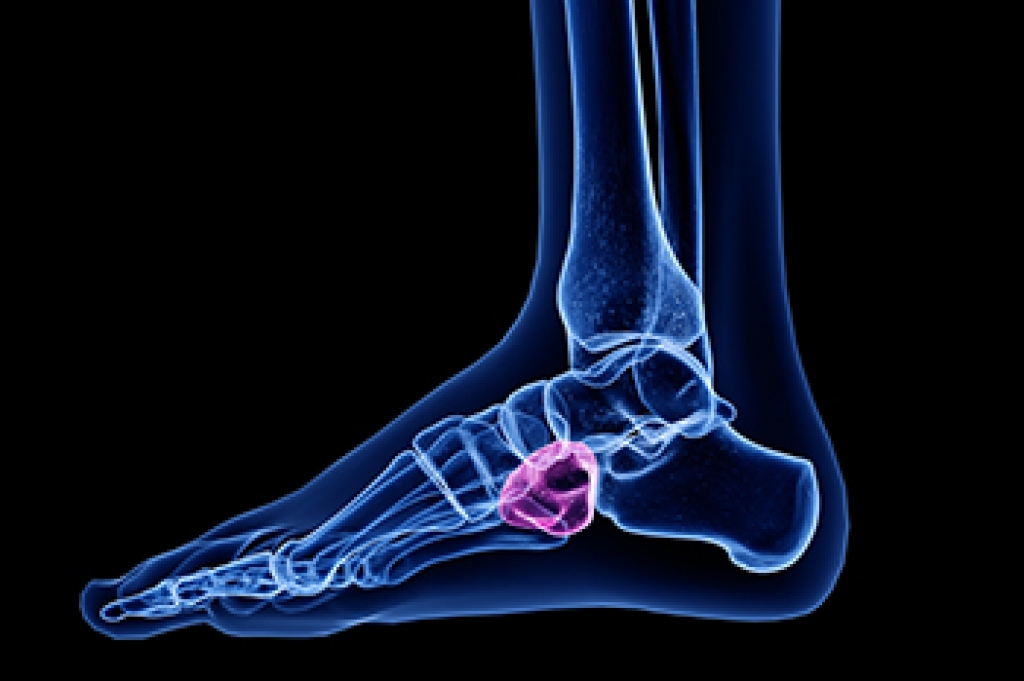
People who have pain on the outside of their ankle may have cuboid syndrome. This ailment is defined as the cuboid bone moving outward while the heel bone moves inward. It is a foot condition that can be caused by twisting the ankle or from stepping off of a curb in the wrong way unexpectedly. It may also develop from running on hard or uneven surfaces or from wearing shoes that do not provide adequate support. The pain may increase when body weight is put on that side of the foot and may radiate to the other areas of the foot. Additional symptoms can consist of a reduced range of motion in the ankle and surrounding areas, and the toes may feel weak that are closest to the injury. Some patients may alter their gait, or walking style, to accommodate the pain by limping or swaying from side to side. If you have pain in this part of your foot, it is suggested that you speak with a podiatrist who can confirm cuboid syndrome and offer correct treatment options.

Cuboid syndrome, also known as cuboid subluxation, occurs when the joints and ligaments near the cuboid bone in the foot become torn. If you have cuboid syndrome, consult with Steven Black, DPM from California . Our doctor will assess your condition and provide you with quality foot and ankle treatment.

Cuboid syndrome is a common cause of lateral foot pain, which is pain on the outside of the foot. The condition may happen suddenly due to an ankle sprain, or it may develop slowly overtime from repetitive tension through the bone and surrounding structures.

Causes

The most common causes of cuboid syndrome include:

  • Injury – The most common cause of this ailment is an ankle sprain.
  • Repetitive Strain – Tension placed through the peroneus longus muscle from repetitive activities such as jumping and running may cause excessive traction on the bone causing it to sublux.
  • Altered Foot Biomechanics – Most people suffering from cuboid subluxation have flat feet.

Symptoms

A common symptom of cuboid syndrome is pain along the outside of the foot which can be felt in the ankle and toes. This pain may create walking difficulties and may cause those with the condition to walk with a limp.

Diagnosis

Diagnosis of cuboid syndrome is often difficult, and it is often misdiagnosed. X-rays, MRIs and CT scans often fail to properly show the cuboid subluxation. Although there isn’t a specific test used to diagnose cuboid syndrome, your podiatrist will usually check if pain is felt while pressing firmly on the cuboid bone of your foot.

Treatment

Just as the range of causes varies widely, so do treatments. Some more common treatments are ice therapy, rest, exercise, taping, and orthotics.

If you have any questions, please feel free to contact our office located in Lancaster, CA . We offer the newest diagnostic and treatment technologies for all your foot care needs.

Read more about Cuboid Syndrome

The Feet and Rheumatoid Arthritis

Rheumatoid arthritis is an autoimmune disease and may begin at any time in life. This type of condition attacks the joints in the body and can cause pain and discomfort. It can progress quickly, and the joints often become swollen and red. Many patients notice the disease affects the same joints on both sides of the body and may be felt in the balls of the feet. Patients may feel generally unwell and can easily become fatigued. The majority of people who have rheumatoid arthritis will have foot pain, and relief is often sought. Additionally, the foot may change shape, and nodules in the joints may form. The joints in the foot that are most affected are the ankle, talonavicular, and metarsocunieform joints. Relief may be found when custom-made orthotics are worn, which may help to reduce painful symptoms. If you have foot pain, it is suggested that you consult with a podiatrist who can properly diagnose and treat rheumatoid arthritis. 

Because RA affects more than just your joints, including the joints in your feet and ankles, it is important to seek early diagnosis from your podiatrist if you feel like the pain in your feet might be caused by RA. For more information, contact Steven Black, DPM of California . Our doctor will assist you with all of your podiatric concerns.

What Is Rheumatoid Arthritis?

Rheumatoid Arthritis (RA) is an autoimmune disorder in which the body’s own immune system attacks the membranes surrounding the joints. Inflammation of the lining and eventually the destruction of the joint’s cartilage and bone occur, causing severe pain and immobility.

Rheumatoid Arthritis of the Feet

Although RA usually attacks multiple bones and joints throughout the entire body, almost 90 percent of cases result in pain in the foot or ankle area.

Symptoms

  • Swelling and pain in the feet
  • Stiffness in the feet
  • Pain on the ball or sole of feet
  • Joint shift and deformation

Diagnosis

Quick diagnosis of RA in the feet is important so that the podiatrist can treat the area effectively. Your doctor will ask you about your medical history, occupation, and lifestyle to determine the origin of the condition. Rheumatoid Factor tests help to determine if someone is affected by the disease.

If you have any questions, please feel free to contact our office located in Lancaster, CA . We offer the newest diagnostic and treatment technologies for all your foot care needs.
Read more about Rheumatoid Arthritis in the Feet

Connect With Us