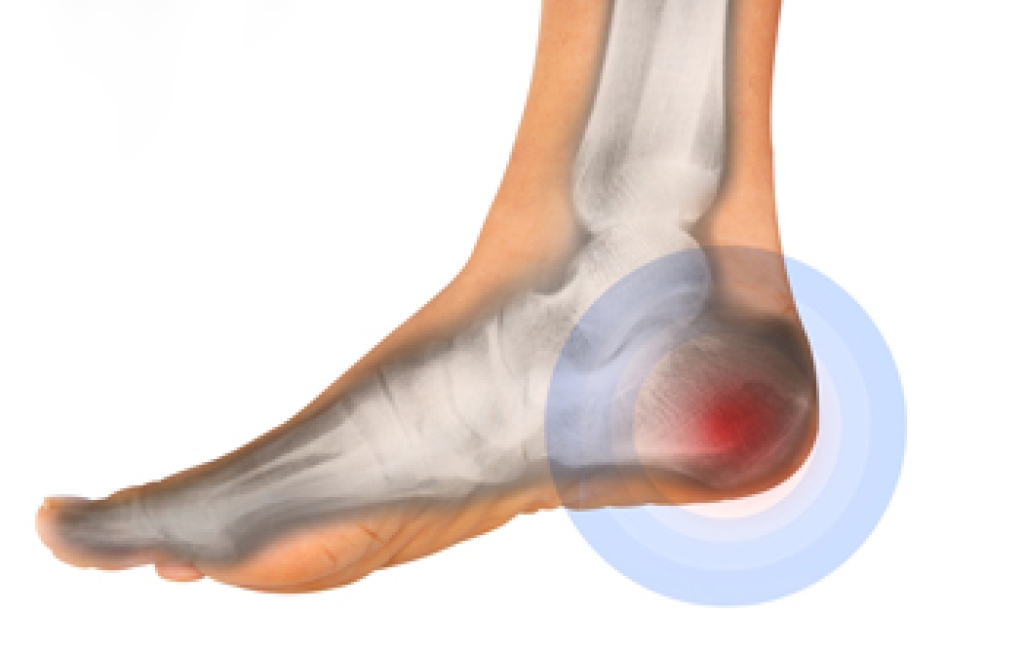
A Common Reason to Have Heel Pain

Many people will experience heel pain at some point in their lives. There are various reasons why heel pain can develop, and it may gradually become worse if prompt medical attention is not received. A common cause of heel pain is the foot condition that is known as plantar fasciitis. This happens when the plantar fascia becomes torn or inflamed. This can be a runner’s worst nightmare, and running is often stopped until treatment is completed. Heel pain and the corresponding conditions that caused it may be prevented by losing weight, if applicable, and maintaining healthy eating habits. Additionally, it is beneficial to wear appropriate shoes, and this may include choosing shoes that have a low and cushioned heel. If you have heel pain for any reason, it is suggested that you schedule a consultation with a podiatrist as quickly as possible who can determine the cause and offer correct treatment procedures.

Many people suffer from bouts of heel pain. For more information, contact Steven Black, DPM of California . Our doctor can provide the care you need to keep you pain-free and on your feet.

Causes of Heel Pain

Heel pain is often associated with plantar fasciitis. The plantar fascia is a band of tissues that extends along the bottom of the foot. A rip or tear in this ligament can cause inflammation of the tissue.

Achilles tendonitis is another cause of heel pain. Inflammation of the Achilles tendon will cause pain from fractures and muscle tearing. Lack of flexibility is also another symptom.

Heel spurs are another cause of pain. When the tissues of the plantar fascia undergo a great deal of stress, it can lead to ligament separation from the heel bone, causing heel spurs.

Why Might Heel Pain Occur?

  • Wearing ill-fitting shoes                
  • Wearing non-supportive shoes
  • Weight change           
  • Excessive running

Treatments

Heel pain should be treated as soon as possible for immediate results. Keeping your feet in a stress-free environment will help. If you suffer from Achilles tendonitis or plantar fasciitis, applying ice will reduce the swelling. Stretching before an exercise like running will help the muscles. Using all these tips will help make heel pain a condition of the past.

If you have any questions, please feel free to contact our office located in Lancaster, CA . We offer the newest diagnostic and treatment technologies for all your foot care needs.

Read more about Heel Pain

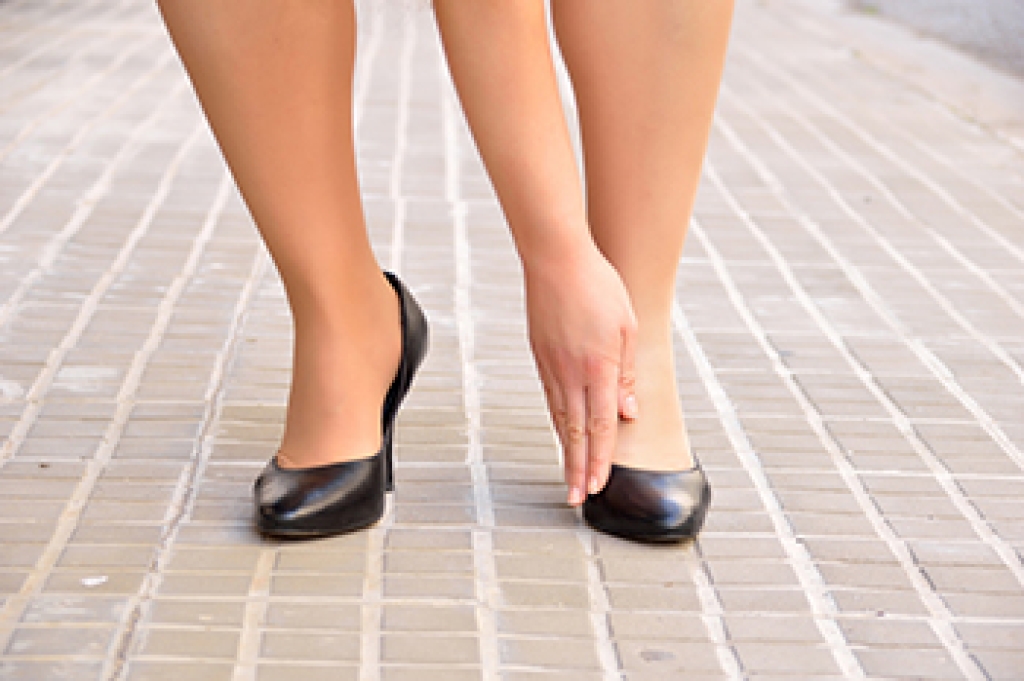
Foot Problems From Wearing High Heels

Wearing high heels can impact your feet negatively. While sometimes, no other style will fit with an outfit, the risks of wearing such shoes should be known and their use should be limited. High heels can cause pain and blisters, but they can also injure the ankles or cause stress fractures, as well as make existing foot problems worse. Wearing high heels can also cause pain in the body beyond the feet. One might practice walking in high heels before they are worn, perform stretching and strengthening foot exercises, and soak the feet to try and ward off foot problems. If you have additional questions or concerns about wearing high heels, or if you have foot pain from wearing them, it is suggested that you talk to a podiatrist and obtain an examination of your feet.

High heels have a history of causing foot and ankle problems. If you have any concerns about your feet or ankles, contact Steven Black, DPM from California . Our doctor can provide the care you need to keep you pain-free and on your feet.

Effects of High Heels on the Feet

High heels are popular shoes among women because of their many styles and societal appeal.  Despite this, high heels can still cause many health problems if worn too frequently.

Which Parts of My Body Will Be Affected by High Heels?

  • Ankle Joints
  • Achilles Tendon – May shorten and stiffen with prolonged wear
  • Balls of the Feet
  • Knees – Heels cause the knees to bend constantly, creating stress on them
  • Back – They decrease the spine’s ability to absorb shock, which may lead to back pain.  The vertebrae of the lower back may compress.

What Kinds of Foot Problems Can Develop from Wearing High Heels?

  • Corns
  • Calluses
  • Hammertoe
  • Bunions
  • Morton’s Neuroma
  • Plantar Fasciitis

How Can I Still Wear High Heels and Maintain Foot Health?

If you want to wear high heeled shoes, make sure that you are not wearing them every day, as this will help prevent long term physical problems.  Try wearing thicker heels as opposed to stilettos to distribute weight more evenly across the feet.  Always make sure you are wearing the proper shoes for the right occasion, such as sneakers for exercising.  If you walk to work, try carrying your heels with you and changing into them once you arrive at work.  Adding inserts to your heels can help cushion your feet and absorb shock. Full foot inserts or metatarsal pads are available. 

If you have any questions, please feel free to contact our office located in Lancaster, CA . We offer the newest diagnostic and treatment technologies for all your foot care needs.

Read more about Effect of High Heels on the Feet

Considering Speed When Choosing a Running Shoe

When choosing or shopping for a running shoe, many runners and athletes consider a variety of factors. For example, runners might select a specific type of shoe because it is better suited to a particular kind of terrain. The degree to which running shoes might actually increase an athlete’s speed, however, is another important factor to consider when purchasing a pair of running shoes. This is to say that running shoes might actually make a runner faster because a good pair of running shoes will essentially increase one’s running economy. In other words, good running shoes might maximize the effort that a runner puts into their runs, ultimately increasing their speed. If you are someone who is looking for the perfect pair of running shoes, it is suggested that you contact a podiatrist today.

If you are a runner, wearing the right running shoe is essential. For more information, contact Steven Black, DPM from California . Our doctor can provide the care you need to keep you pain-free and on your feet.

Choosing the Right Running Shoe for Your Foot Type

To increase performance and avoid the risk of injury, it is important to choose the right running shoe based on your foot type. The general design of running shoes revolves around pronation, which is how the ankle rolls from outside to inside when the foot strikes the ground.

  • Neutral runners are able to choose from a wide variety of shoes, including minimalist shoes or even going barefoot.
  • Runners who overpronate, or experience an over-abundance of ankle rolling, should choose shoes that provide extra motion control and stability.
  • Runners who underpronate, or supinate, have feet that have high arches and lack flexibility, preventing shock absorption. They require shoes with more flexibility and cushion.

If you have any questions, please feel free to contact our office located in Lancaster, CA . We offer the newest diagnostic and treatment technologies for all your foot care needs.
Read more about Choosing the Right Running Shoe

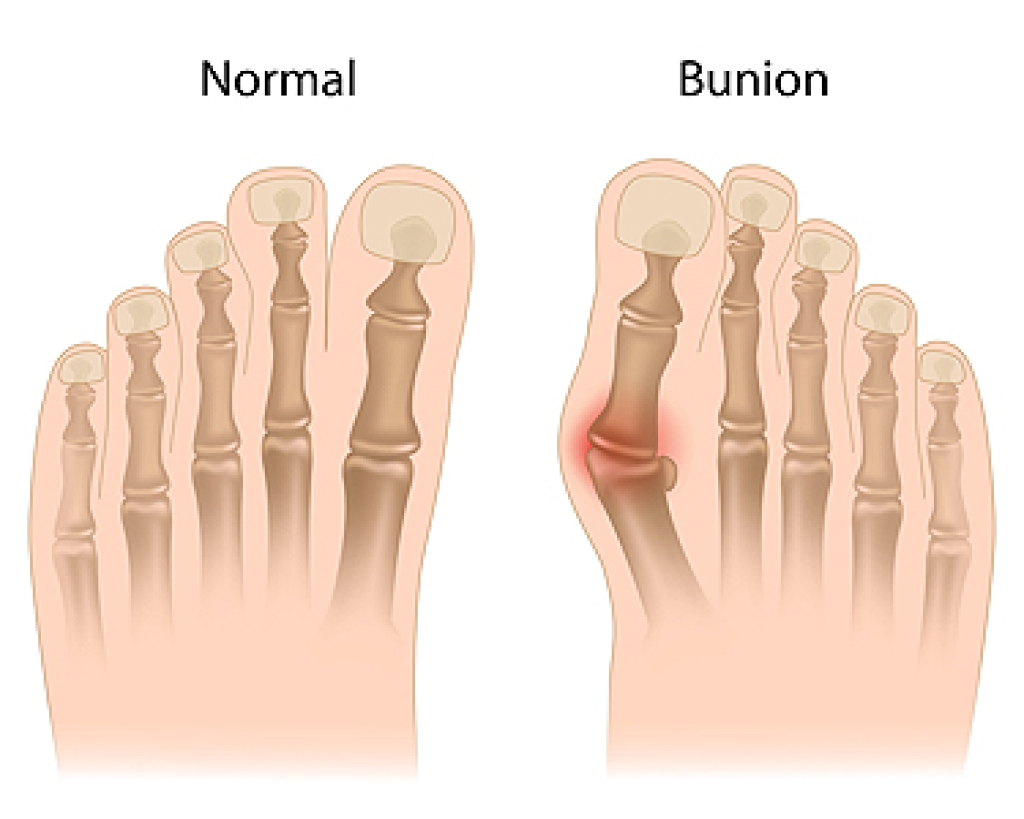
Bunion Relief

A bunion, or hallux valgus, is a condition that causes a bony bump to develop on the joint of the big toe. This occurs due to pressure on the big toe joint, causing a few bones in the top of the foot to move out of place. It can also occur due to foot shape, a medical problem such as arthritis, or another foot condition. Women and the elderly are most apt to suffer from bunions. A bunion can cause the big toe to be pulled toward the smaller toes. The skin on top of the bunion can become sore and red, causing corns or calluses to develop from the deformity as it rubs against the shoes. For mild relief, it is advised that wider shoes are worn to accommodate the bunion. If you have a bunion that is causing you pain or interfering with your daily activities, it is suggested that you consult with a podiatrist for proper treatment.

If you are suffering from bunions, contact Steven Black, DPM of California . Our doctor can provide the care you need to keep you pain-free and on your feet.

What Is a Bunion?

A bunion is formed of swollen tissue or an enlargement of boney growth, usually located at the base joint of the toe that connects to the foot. The swelling occurs due to the bones in the big toe shifting inward, which impacts the other toes of the foot. This causes the area around the base of the big toe to become inflamed and painful.

Why Do Bunions Form?

Genetics – Susceptibility to bunions are often hereditary

Stress on the feet – Poorly fitted and uncomfortable footwear that places stress on feet, such as heels, can worsen existing bunions

How Are Bunions Diagnosed?

Doctors often perform two tests – blood tests and x-rays – when trying to diagnose bunions, especially in the early stages of development. Blood tests help determine if the foot pain is being caused by something else, such as arthritis, while x-rays provide a clear picture of your bone structure to your doctor.

How Are Bunions Treated?

  • Refrain from wearing heels or similar shoes that cause discomfort
  • Select wider shoes that can provide more comfort and reduce pain
  • Anti-inflammatory and pain management drugs
  • Orthotics or foot inserts
  • Surgery

If you have any questions, please feel free to contact our office located in Lancaster, CA . We offer the newest diagnostic and treatment technologies for all your foot care needs.

Read more about What Are Bunions?

Connect With Us