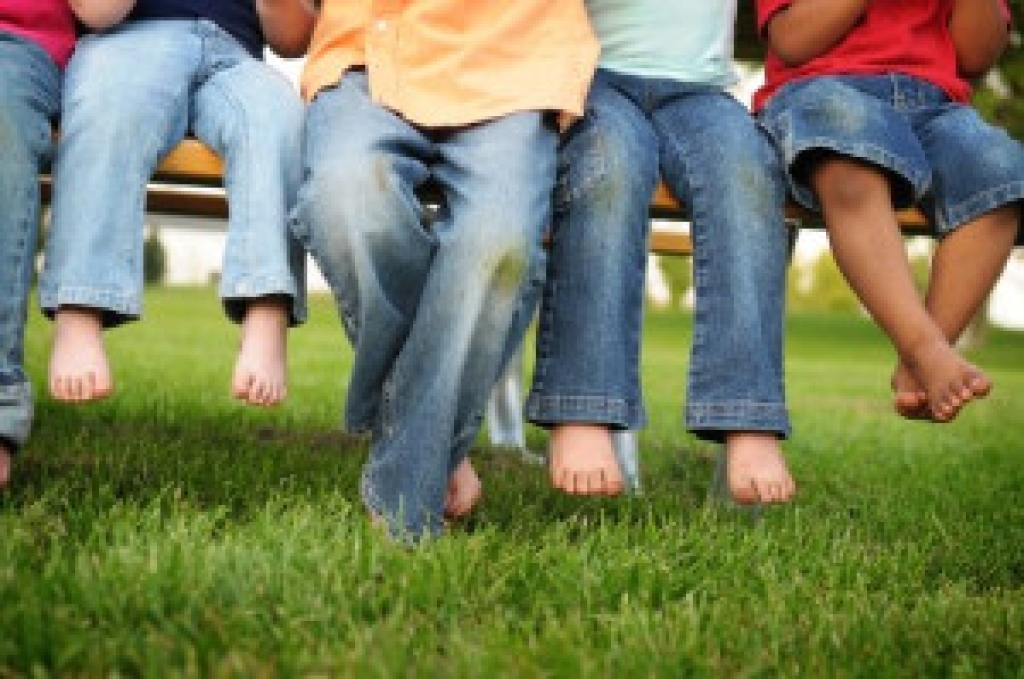
Children’s Foot Position While Eating

Can the position of children’s feet as they eat result in appetite changes? Studies have been done that may link feet that are dangling while eating may lead to having a reduced appetite and increased fatigue. The recommended position for sitting during a meal is for the ankles, knees, and hips to be bent at 90 degrees. When the feet are supported, the core muscles work less to stabilize the body, possibly causing improved attention. It may be beneficial to add a footrest that can help to achieve this balance. Parents who have children that are difficult eaters may find improvement by changing the position their child is in while eating. The benefits may include trying new foods and textures and remaining seated for longer periods. If you have specific questions about how this is accomplished, please speak with a podiatrist who can address any concerns you may have.

The health of a child’s feet is vital to their overall well-being. If you have any questions regarding foot health, contact Steven Black, DPM of California . Our doctor can provide the care you need to keep you pain-free and on your feet.

Tips for Keeping Children's Feet Healthy

  • Make sure their shoes fit properly
  • Look for any signs of in-toeing or out-toeing
  • Check to see if they have Clubfoot (condition that affects your child’s foot and ankle, twisting the heel and toes inward) which is one of the most common nonmajor birth defects.
  • Lightly cover your baby’s feet (Tight covers may keep your baby from moving their feet freely, and could prevent normal development)
  • Allow your toddler to go shoeless (Shoes can be restricting for a young child’s foot)
  • Cut toenails straight across to avoid ingrown toenails
  • Keep your child’s foot clean and dry
  • Cover cuts and scrapes. Wash any scratches with soap and water and cover them with a bandage until they’ve healed.

If you have any questions, please feel free to contact our office located in Lancaster, CA . We offer the newest diagnostic and treatment technologies for all your foot care needs.
Read more about What to Do to Keep Your Child’s Feet Healthy

Injury From a Winter Sport? Get the Care You Need

Winter sports can be fun for many – but only with the proper protective gear. Even with the right equipment, however, injuries can happen. If you’ve sustained foot or ankle trauma or a foot or ankle injury, we’re here to help.

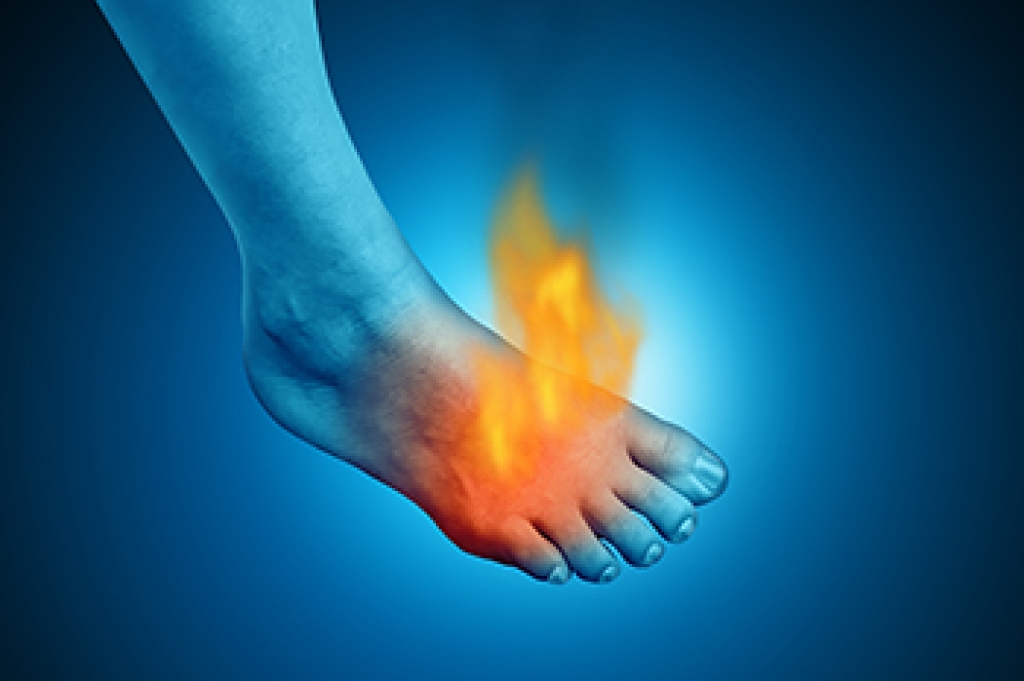
Causes of Burning Foot Pain

If your feet feel like they are burning up, it may be a sign that you have experienced nerve damage in the foot or leg, an injury, or a compression of the nerves. Burning feet, also known as Grierson-Gopalan Syndrome, is a condition that consists of damage to the small nerve fibers of the foot. Although the cause of this condition is not clear, it is often found in people who have diabetes, vitamin B deficiency, or rheumatoid arthritis. Among other possible causes of burning feet are peripheral artery disease, peripheral neuropathy, and Morton’s neuroma. Other factors that can result in burning foot syndrome include kidney or thyroid problems and abnormal biomechanics of the foot. Common symptoms of burning foot syndrome are a pain in the soles of the feet, a feeling of pins and needles, and numbness. If you regularly experience such symptoms, please contact a podiatrist for an exam and a diagnosis, followed by suggested treatment options.

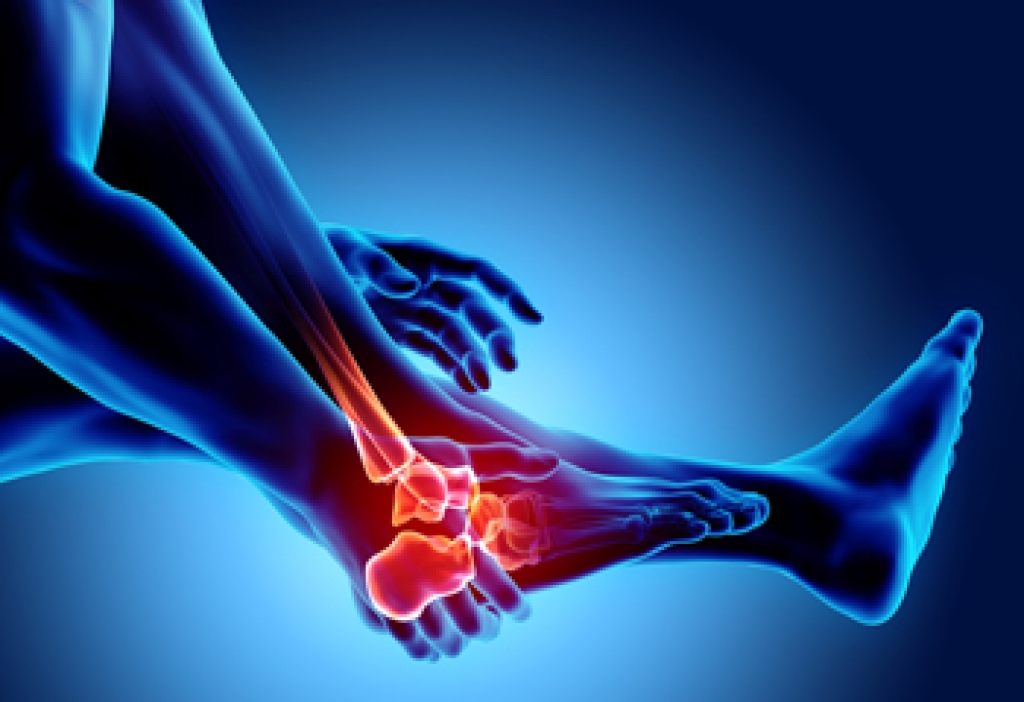
Foot Pain

Foot pain can be extremely painful and debilitating. If you have a foot pain, consult with Steven Black, DPM from California . Our doctor will assess your condition and provide you with quality foot and ankle treatment.

Causes

Foot pain is a very broad condition that could be caused by one or more ailments. The most common include:

  • Bunions
  • Hammertoes
  • Plantar Fasciitis
  • Bone Spurs
  • Corns
  • Tarsal Tunnel Syndrome
  • Ingrown Toenails
  • Arthritis (such as Gout, Rheumatoid, and Osteoarthritis)
  • Flat Feet
  • Injury (from stress fractures, broken toe, foot, ankle, Achilles tendon ruptures, and sprains)
  • And more

Diagnosis

To figure out the cause of foot pain, podiatrists utilize several different methods. This can range from simple visual inspections and sensation tests to X-rays and MRI scans. Prior medical history, family medical history, and any recent physical traumatic events will all be taken into consideration for a proper diagnosis.

Treatment

Treatment depends upon the cause of the foot pain. Whether it is resting, staying off the foot, or having surgery; podiatrists have a number of treatment options available for foot pain.

If you have any questions, please feel free to contact our office located in Lancaster, CA . We offer the newest diagnostic and treatment technologies for all your foot care needs.
Read more about Foot Pain

Recognizing Early Signs of Foot Arthritis

Arthritis can affect many parts of the body, including the joints of your feet. There are several types of arthritis that can affect the feet, the most common being osteoarthritis. The joints are covered with articular cartilage, connective tissue that covers the surface of bones in joints. This cartilage reduces friction with joint movement. Arthritis will cause the joints to wear down and lose this cartilage, resulting in the bones rubbing against each other. Soft tissues in joints might also become worn, and this can cause stiff joints that will not function properly. Early signs of foot arthritis include pain, swelling, and stiffness. This ailment can cause acute, or sudden, symptoms or chronic, or long-lasting, symptoms. When osteoarthritis affects the feet, it is usually the joint in the big toe that is first impacted. However, this kind of arthritis can also affect the midfoot. If you have pain in your feet for any reason, or think you might have arthritis, see a podiatrist who can properly evaluate your condition and offer treatment options to provide relief.

Arthritis can be a difficult condition to live with. If you are seeking treatment, contact Steven Black, DPM from California . Our doctor can provide the care you need to keep you pain-free and on your feet.

Arthritic Foot Care  

Arthritis is a joint disorder that involves the inflammation of different joints in your body, such as those in your feet. Arthritis is often caused by a degenerative joint disease and causes mild to severe pain in all affected areas. In addition to this, swelling and stiffness in the affected joints can also be a common symptom of arthritis.

In many cases, wearing ill-fitting shoes can worsen the effects and pain of arthritis. Wearing shoes that have a lower heel and extra room can help your feet feel more comfortable. In cases of rheumatoid arthritis, the arch in your foot may become problematic. Buying shoes with proper arch support that contour to your feet can help immensely.

Alleviating Arthritic Pain

  • Exercises that stretch the foot can prevent further pain and injury and increase mobility
  • Most of the pain can be alleviated with anti-inflammatory drugs, heat, and topical medications
  • Massages can help temporarily alleviate pain.

It is best to see your doctor for the treatment that is right for your needs and symptoms. Conditions vary, and a podiatrist can help you determine the right method of care for your feet.

If you have any questions please feel free to contact our office located in Lancaster, CA . We offer the newest diagnostic tools and technology to treat your foot and ankle needs.

Read more about Arthritic Foot Care

Styles of Running Can Determine What Type of Shoe Is Worn

Choosing running shoes that fit well can be a daunting task. It can help to decide what kind of running is desired and find shoes that are a match. There are various types of running surfaces, including trails, roads, and treadmills. In addition to that, it is beneficial for the running style to be considered which can be racing, casual, or long-distance. Shoes that are made for road running often have extra cushioning and must be able to handle running on a hard surface. Trail running requires shoes that have more traction than other shoes and this can make it easier to run on dirt, mud, or rocks. Many people choose to wear lighter shoes if treadmill running is their style. This lighter type of shoe may have less cushioning. To ensure a proper fit for any type of running the foot must be accurately measured. This is done by combining the width of the shoe, the heel fit, and the instep. If you would like additional information about how to choose the right running shoes, please consult with a podiatrist.

If you are a runner, wearing the right running shoe is essential. For more information, contact Steven Black, DPM from California . Our doctor can provide the care you need to keep you pain-free and on your feet.

Choosing the Right Running Shoe for Your Foot Type

To increase performance and avoid the risk of injury, it is important to choose the right running shoe based on your foot type. The general design of running shoes revolves around pronation, which is how the ankle rolls from outside to inside when the foot strikes the ground.

  • Neutral runners are able to choose from a wide variety of shoes, including minimalist shoes or even going barefoot.
  • Runners who overpronate, or experience an over-abundance of ankle rolling, should choose shoes that provide extra motion control and stability.
  • Runners who underpronate, or supinate, have feet that have high arches and lack flexibility, preventing shock absorption. They require shoes with more flexibility and cushion.

If you have any questions, please feel free to contact our office located in Lancaster, CA . We offer the newest diagnostic and treatment technologies for all your foot care needs.

Read more about Choosing the Right Running Shoe for Your Foot Type

Connect With Us