
Defining and Diagnosing Foot Fractures

A foot fracture, also known as a broken foot, refers to the break or crack in one or more of the bones within the foot. These fractures can result from various incidents, such as traumatic injuries, repetitive stress, or weakened bone structure. Diagnosing a foot fracture often involves a combination of physical examination and diagnostic imaging. The podiatrist will assess the injured area, looking for signs like pain, tenderness, swelling, deformity, and impaired range of motion. X-rays are the most common imaging tool used to confirm the diagnosis, allowing podiatrists to determine the type and location of the fracture accurately. Understanding the definition and diagnosis of a foot fracture is crucial for proper treatment and recovery. Whether it is a stress fracture from overuse or a traumatic injury, early diagnosis and appropriate management are essential for optimal healing and the restoration of normal foot function. If you have broken your foot, it is suggested that you consult a podiatrist who can provide one of several treatment options that are right for you.

A broken foot requires immediate medical attention and treatment. If you need your feet checked, contact Steven Black, DPM from California . Our doctor can provide the care you need to keep you pain-free and on your feet.

Broken Foot Causes, Symptoms, and Treatment

A broken foot is caused by one of the bones in the foot typically breaking when bended, crushed, or stretched beyond its natural capabilities. Usually the location of the fracture indicates how the break occurred, whether it was through an object, fall, or any other type of injury. 

Common Symptoms of Broken Feet:

  • Bruising
  • Pain
  • Redness
  • Swelling
  • Blue in color
  • Numbness
  • Cold
  • Misshapen
  • Cuts
  • Deformities

Those that suspect they have a broken foot shoot seek urgent medical attention where a medical professional could diagnose the severity.

Treatment for broken bones varies depending on the cause, severity and location. Some will require the use of splints, casts or crutches while others could even involve surgery to repair the broken bones. Personal care includes the use of ice and keeping the foot stabilized and elevated.

If you have any questions, please feel free to contact our office located in Lancaster, CA . We offer the newest diagnostic and treatment technologies for all your foot care needs.
Read more about Causes, Symptoms, and Treatment for a Broken Foot

Definition and Types of Achilles Tendon Injuries

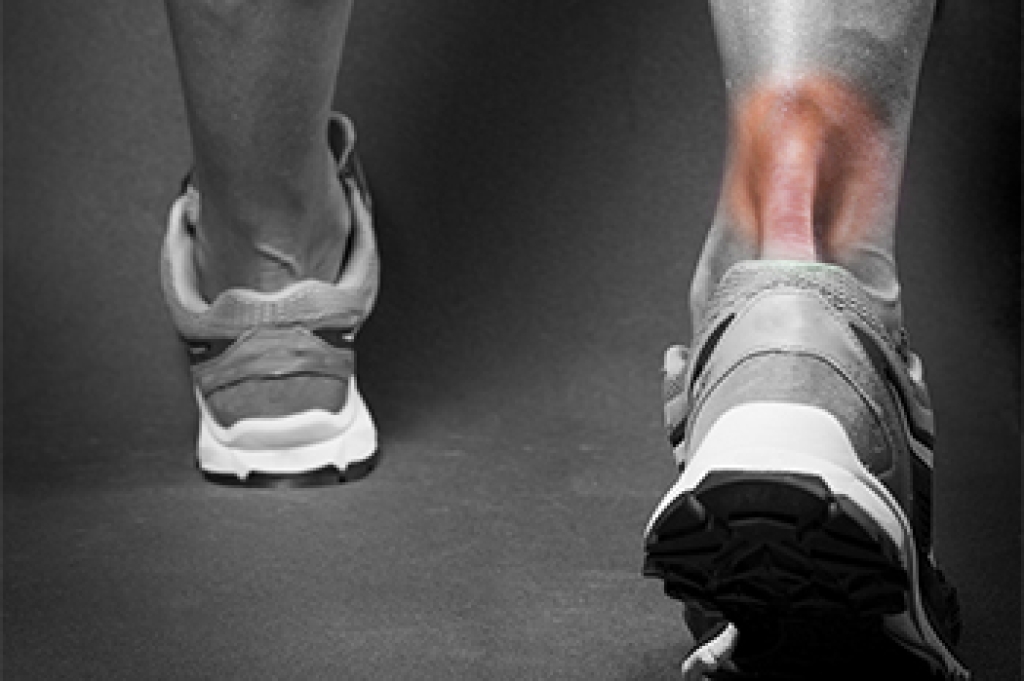
The Achilles tendon, a strong band of tissue connecting the calf muscles to the heel bone, is instrumental in facilitating movement, making any injury to this vital structure a significant concern. Achilles tendon injuries encompass a spectrum of conditions, each demanding unique considerations. Tendonitis, an inflammatory response, results from overuse or strain on the tendon, leading to pain and swelling. Tendinosis, a chronic degeneration of the tendon, may occur without apparent inflammation, often presenting as long-term pain. Achilles tendon ruptures, though less common, involve a partial or complete tear, typically characterized by a sudden, severe pain. Understanding these types of Achilles tendon injuries is vital for an accurate diagnosis and tailored treatment plans. An Achilles tendon injury is treated by a podiatrist. If you have injured this part of your foot, it is suggested that you contact a podiatrist who can effectively treat this condition.

Achilles tendon injuries need immediate attention to avoid future complications. If you have any concerns, contact Steven Black, DPM of California . Our doctor can provide the care you need to keep you pain-free and on your feet.

What Is the Achilles Tendon?

The Achilles tendon is a tendon that connects the lower leg muscles and calf to the heel of the foot. It is the strongest tendon in the human body and is essential for making movement possible. Because this tendon is such an integral part of the body, any injuries to it can create immense difficulties and should immediately be presented to a doctor.

What Are the Symptoms of an Achilles Tendon Injury?

There are various types of injuries that can affect the Achilles tendon. The two most common injuries are Achilles tendinitis and ruptures of the tendon.

Achilles Tendinitis Symptoms

  • Inflammation
  • Dull to severe pain
  • Increased blood flow to the tendon
  • Thickening of the tendon

Rupture Symptoms

  • Extreme pain and swelling in the foot
  • Total immobility

Treatment and Prevention

Achilles tendon injuries are diagnosed by a thorough physical evaluation, which can include an MRI. Treatment involves rest, physical therapy, and in some cases, surgery. However, various preventative measures can be taken to avoid these injuries, such as:

  • Thorough stretching of the tendon before and after exercise
  • Strengthening exercises like calf raises, squats, leg curls, leg extensions, leg raises, lunges, and leg presses

If you have any questions please feel free to contact our office located in Lancaster, CA . We offer the newest diagnostic tools and technology to treat your foot and ankle needs.

Read more about What are Achilles Tendon Injuries

Symptoms and Causes of Poor Circulation in the Feet

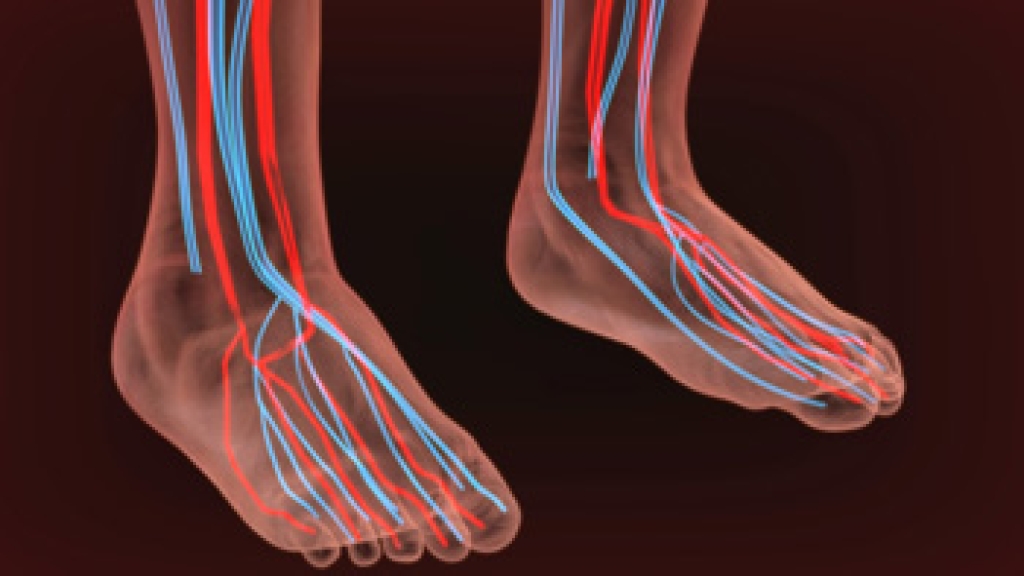
Poor circulation in the feet is a condition where blood flow to the lower extremities is compromised, leading to various symptoms and potential health risks. One of the most common symptoms of poor circulation in the feet is persistent coldness, even when the weather is warm. Numbness and tingling sensations can also occur, making it uncomfortable to stand or walk. Swelling in the feet and ankles is another sign, as restricted blood flow can lead to fluid buildup. This condition can cause the feet to appear pale or bluish in color, and wounds or sores may take longer to heal. Muscle cramps and chronic foot pain, particularly during physical activity, can also be indicators of poor circulation. Several factors can contribute to poor circulation in the feet. Peripheral artery disease, or PAD, is a common cause, where atherosclerosis narrows the arteries and reduces blood flow. Conditions like diabetes can damage blood vessels, while smoking and obesity also can strain circulation. High blood pressure, a sedentary lifestyle, and blood clots can also hinder blood flow. If you have symptoms of poor circulation in your feet, it is suggested that you schedule an appointment with a podiatrist to identify the cause. Once that is determined, the proper treatment can be given for effective management and prevention of complications.

Poor circulation is a serious condition and needs immediate medical attention. If you have any concerns with poor circulation in your feet contact Steven Black, DPM of California . Our doctor will treat your foot and ankle needs.

Poor Circulation in the Feet

Poor blood circulation in the feet and legs is can be caused by peripheral artery disease (PAD), which is the result of a buildup of plaque in the arteries.

Plaque buildup or atherosclerosis results from excess calcium and cholesterol in the bloodstream. This can restrict the amount of blood which can flow through the arteries. Poor blood circulation in the feet and legs are sometimes caused by inflammation in the blood vessels, known as vasculitis.

Causes

Lack of oxygen and oxygen from poor blood circulation restricts muscle growth and development. It can also cause:

  • Muscle pain, stiffness, or weakness 
  • Numbness or cramping in the legs
  • Skin discoloration
  • Slower nail & hair growth
  • Erectile dysfunction

Those who have diabetes or smoke are at greatest risk for poor circulation, as are those who are over 50. If you have poor circulation in the feet and legs it may be caused by PAD and is important to make changes to your lifestyle in order to reduce risk of getting a heart attack or stroke. Exercise and maintaining a healthy lifestyle will dramatically improve conditions.

As always, see a podiatrist as he or she will assist in finding a regimen that suits you. A podiatrist can also prescribe you any needed medication. 

If you have any questions, please feel free to contact our office located in Lancaster, CA . We offer the newest diagnostic and treatment technologies for all your foot care needs.

Read more about Causes, Symptoms, and Treatment of Poor Blood Circulation in the Feet

Negative Effects of Wearing High Heels

Many people love wearing stilettos but certainly not the pain that comes with them. The repercussions of wearing high heels extend beyond aching feet. According to experts, consistently wearing the wrong type of heels can take a toll on your feet, ankles, knees, and back. The pressure on the forefoot intensifies as you elevate the heel, leading to metatarsalgia, a painful joint condition in the ball of the foot. Chronic metatarsalgia can result in stress fractures. Research indicates  that reducing heel height can significantly alleviate foot pressure. While three inch heels place 76 percent of the weight on the forefoot, opting for two inch heels decreases it to 57 percent, and one inch heels further reduce it to 22 percent. The Achilles tendon, vital for foot movement, faces strain as wearing high heels may cause excessive shortening. This stress can extend to the plantar fascia, resulting in plantar fasciitis, a painful condition that affects the heel and arch. In addition, studies show that initial ankle muscle strengthening from wearing heels regularly diminishes over time, leaving women susceptible to the risk of falls and ankle sprains. For help with managing foot and ankle problems caused by wearing high heels, it is suggested that you schedule an appointment with a podiatrist.

High heels have a history of causing foot and ankle problems. If you have any concerns about your feet or ankles, contact Steven Black, DPM from California . Our doctor can provide the care you need to keep you pain-free and on your feet.

Effects of High Heels on the Feet

High heels are popular shoes among women because of their many styles and societal appeal.  Despite this, high heels can still cause many health problems if worn too frequently.

Which Parts of My Body Will Be Affected by High Heels?

  • Ankle Joints
  • Achilles Tendon – May shorten and stiffen with prolonged wear
  • Balls of the Feet
  • Knees – Heels cause the knees to bend constantly, creating stress on them
  • Back – They decrease the spine’s ability to absorb shock, which may lead to back pain.  The vertebrae of the lower back may compress.

What Kinds of Foot Problems Can Develop from Wearing High Heels?

  • Corns
  • Calluses
  • Hammertoe
  • Bunions
  • Morton’s Neuroma
  • Plantar Fasciitis

How Can I Still Wear High Heels and Maintain Foot Health?

If you want to wear high heeled shoes, make sure that you are not wearing them every day, as this will help prevent long term physical problems.  Try wearing thicker heels as opposed to stilettos to distribute weight more evenly across the feet.  Always make sure you are wearing the proper shoes for the right occasion, such as sneakers for exercising.  If you walk to work, try carrying your heels with you and changing into them once you arrive at work.  Adding inserts to your heels can help cushion your feet and absorb shock. Full foot inserts or metatarsal pads are available. 

If you have any questions, please feel free to contact our office located in Lancaster, CA . We offer the newest diagnostic and treatment technologies for all your foot care needs.

Read more about Why High Heels Are Not Ideal for Healthy Feet

Connect With Us