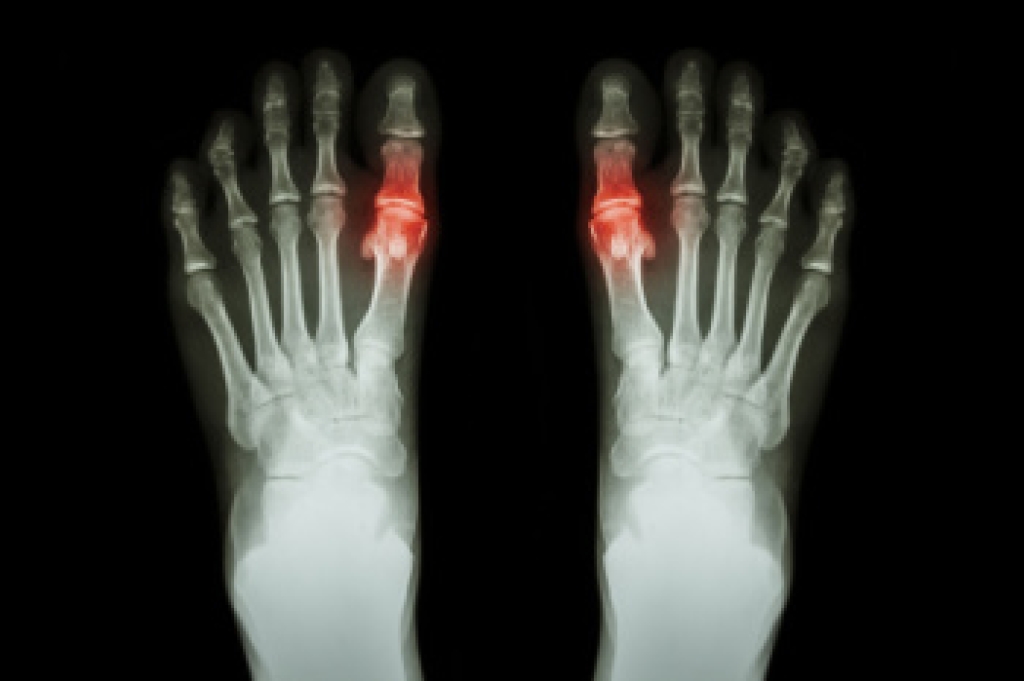
Symptoms of Gout

Gout is a form of arthritis resulting in severe pain that can happen suddenly, along with swelling, and tenderness in joints, and often starts with the big toe. This condition occurs when urate crystals accumulate in the joints due to high levels of uric acid in the blood. The pain typically peaks within a few hours and can be accompanied by warmth and redness around the affected joint. Gout attacks can occur suddenly, often waking individuals from sleep with intense discomfort. Recurrent gout episodes can lead to joint damage and deformities, if left untreated. Besides the big toe, gout can affect other joints such as ankles, knees, elbows, wrists, and fingers. Managing gout involves lifestyle changes like reducing purine-rich foods and alcohol consumption, along with medications to lower uric acid levels and prevent future attacks. If you have excruciating pain in your big toe, it is strongly suggested that you consult a podiatrist who can provide an accurate diagnosis and treatment.

Gout is a painful condition that can be treated. If you are seeking treatment, contact Steven Black, DPM from California . Our doctor will treat your foot and ankle needs.

What Is Gout?

Gout is a form of arthritis that is characterized by sudden, severe attacks of pain, redness, and tenderness in the joints. The condition usually affects the joint at the base of the big toe. A gout attack can occur at any random time, such as the middle of the night while you are asleep.

Symptoms

  • Intense Joint Pain - Usually around the large joint of your big toe, and it most severe within the first four to twelve hours
  • Lingering Discomfort - Joint discomfort may last from a few days to a few weeks
  • Inflammation and Redness -Affected joints may become swollen, tender, warm and red
  • Limited Range of Motion - May experience a decrease in joint mobility

Risk Factors

  • Genetics - If family members have gout, you’re more likely to have it
  • Medications - Diuretic medications can raise uric acid levels
  • Gender/Age - Gout is more common in men until the age of 60. It is believed that estrogen protects women until that point
  • Diet - Eating red meat and shellfish increases your risk
  • Alcohol - Having more than two alcoholic drinks per day increases your risk
  • Obesity - Obese people are at a higher risk for gout

Prior to visiting your podiatrist to receive treatment for gout, there are a few things you should do beforehand. If you have gout you should write down your symptoms--including when they started and how often you experience them, important medical information you may have, and any questions you may have. Writing down these three things will help your podiatrist in assessing your specific situation so that he or she may provide the best route of treatment for you.

If you have any questions, please feel free to contact our office located in Lancaster, CA . We offer the newest diagnostic and treatment technologies for all your foot care needs.
Read more about Gout

Recognizing Serious Foot Problems Related to Diabetes

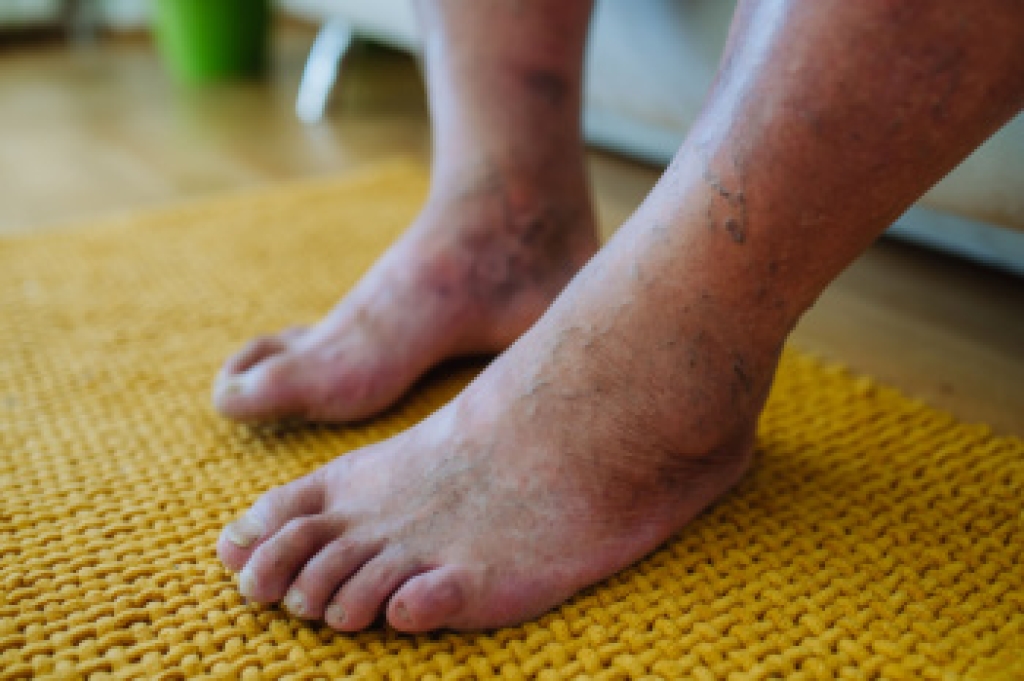
Foot problems related to diabetes can escalate quickly if not promptly addressed. Signs of serious issues include persistent numbness or tingling in the feet that could indicate nerve damage, known as neuropathy. Skin changes such as dryness, cracking, or peeling, particularly when accompanied by slow-healing sores or wounds, are concerning, as diabetes impairs circulation and wound healing. Swelling or redness surrounding a foot ulcer may indicate infection, a serious complication requiring immediate medical attention. Changes in foot shape, such as hammertoes or bunions, can also occur due to nerve damage and altered mechanics. Any sudden change in foot temperature or color warrants evaluation, as these can signal compromised blood flow. Regular foot exams by a podiatrist and diligent foot care routines are vital for managing diabetes and preventing serious foot complications. If you have foot problems related to diabetes, it is strongly suggested that you are under the care of this a podiatrist who can help you to manage this condition.

Diabetic foot care is important in preventing foot ailments such as ulcers. If you are suffering from diabetes or have any other concerns about your feet, contact Steven Black, DPM from California . Our doctor can provide the care you need to keep you pain-free and on your feet.

Diabetic Foot Care

Diabetes affects millions of people every year. The condition can damage blood vessels in many parts of the body, especially the feet. Because of this, taking care of your feet is essential if you have diabetes, and having a podiatrist help monitor your foot health is highly recommended.

The Importance of Caring for Your Feet

  • Routinely inspect your feet for bruises or sores.
  • Wear socks that fit your feet comfortably.
  • Wear comfortable shoes that provide adequate support.

Patients with diabetes should have their doctor monitor their blood levels, as blood sugar levels play such a huge role in diabetic care. Monitoring these levels on a regular basis is highly advised.

It is always best to inform your healthcare professional of any concerns you may have regarding your feet, especially for diabetic patients. Early treatment and routine foot examinations are keys to maintaining proper health, especially because severe complications can arise if proper treatment is not applied.

If you have any questions, please feel free to contact our office located in Lancaster, CA . We offer the newest diagnostic and treatment technologies for all your foot care needs.
Read more about Diabetic Foot Care

Risks for and Causes of Ankle Sprains in Volleyball

Ankle sprains are a frequent injury in volleyball, often resulting from various risk factors and causes. The sport’s fast-paced nature involves quick lateral movements, jumps, and landings, which can easily lead to rolled or twisted ankles. Uneven landings after jumps are a primary cause, especially when players descend on another’s foot. Inadequate warm-ups and poor ankle strength increase the risk, as muscles and ligaments are less prepared for sudden movements. Playing on an uneven or slippery surface can also contribute to instability and potential sprains. Additionally, wearing inappropriate footwear that lacks proper support or traction further heightens the risk. If you have endured a sprained ankle while playing volleyball, it is suggested that you contact a podiatrist who can effectively treat this condition.

Ankle and foot injuries are common among athletes and in many sports. They can be caused by several problems and may be potentially serious. If you are feeling pain or think you were injured in a sporting event or when exercising, consult with Steven Black, DPM from California . Our doctor will assess your condition and provide you with quality foot and ankle treatment.

Common Injuries

The most common injuries that occur in sporting activities include:

  • Achilles Tendonitis
  • Achilles Tendon Rupture
  • Ankle Sprains
  • Broken Foot
  • Plantar Fasciitis
  • Stress Fractures
  • Turf Toe

Symptoms

Symptoms vary depending upon the injury and in some cases, there may be no symptoms at all. However, in most cases, some form of symptom is experienced. Pain, aching, burning, bruising, tenderness, tightness or stiffness, sensation loss, difficulty moving, and swelling are the most common symptoms.

Treatment

Just as symptoms vary depending upon the injury, so do treatment options. A common treatment method is known as the RICE method. This method involves rest, applying ice, compression and elevating the afflicted foot or ankle. If the injury appears to be more serious, surgery might be required, such as arthroscopic or reconstructive surgery. Lastly, rehabilitation or therapy might be needed to gain full functionality in the afflicted area. Any discomfort experienced by an athlete must be evaluated by a licensed, reputable medical professional.  

If you have any questions please contact our office located in Lancaster, CA . We offer the newest diagnostic and treatment technologies for all your foot and ankle needs.

Read more about Sports Related Foot and Ankle Injuries

What Is Morton’s Neuroma?

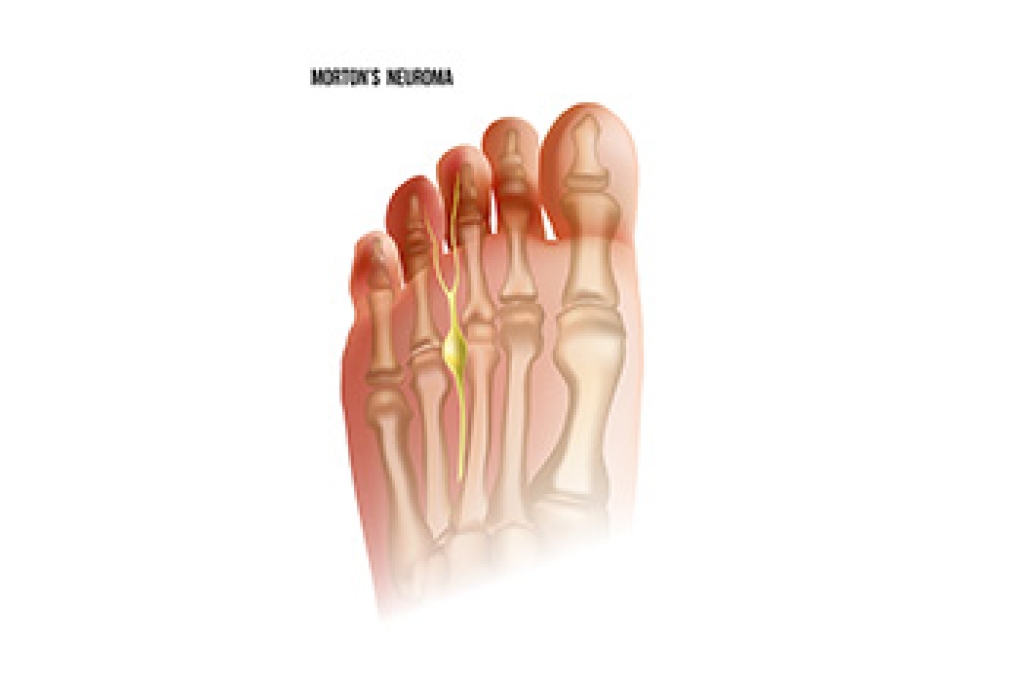
Morton's neuroma is a painful condition affecting the ball of the foot, resulting from a thickening of tissue around a nerve, often between the third and fourth toes. Symptoms include a burning sensation, tingling, or numbness in the affected area, along with the feeling of a small pebble or lump underfoot. Pain may worsen with activity or wearing tight shoes. Treatment options for Morton's neuroma focus on relieving pressure on the affected nerve. This includes wearing shoes with a wider toe box or adding padding to support the arch and alleviate pressure. Avoiding activities that worsen symptoms also helps. Podiatrists may recommend corticosteroid injections to reduce inflammation, or in severe cases, surgical removal of the neuroma. Early intervention ensures effective management, relieving discomfort and restoring foot function. Visiting a podiatrist is suggested for a precise diagnosis and personalized treatment plan.

Morton’s neuroma is a very uncomfortable condition to live with. If you think you have Morton’s neuroma, contact Steven Black, DPM of California . Our doctor will attend to all of your foot care needs and answer any of your related questions.  

Morton’s Neuroma

Morton's neuroma is a painful foot condition that commonly affects the areas between the second and third or third and fourth toe, although other areas of the foot are also susceptible. Morton’s neuroma is caused by an inflamed nerve in the foot that is being squeezed and aggravated by surrounding bones.

What Increases the Chances of Having Morton’s Neuroma?

  • Ill-fitting high heels or shoes that add pressure to the toe or foot
  • Jogging, running or any sport that involves constant impact to the foot
  • Flat feet, bunions, and any other foot deformities

Morton’s neuroma is a very treatable condition. Orthotics and shoe inserts can often be used to alleviate the pain on the forefront of the feet. In more severe cases, corticosteroids can also be prescribed. In order to figure out the best treatment for your neuroma, it’s recommended to seek the care of a podiatrist who can diagnose your condition and provide different treatment options.

If you have any questions, please feel free to contact our office located in Lancaster, CA . We offer the newest diagnostic and treatment technologies for all your foot care needs.

Read more about What is Morton's Neuroma?

Do Your Child's Feet Hurt?

Have your child's feet been examined lately? Healthy feet are happy feet. If your child is complaining of foot pain, it may be a sign of underlying problems.

Connect With Us