Connect With Us

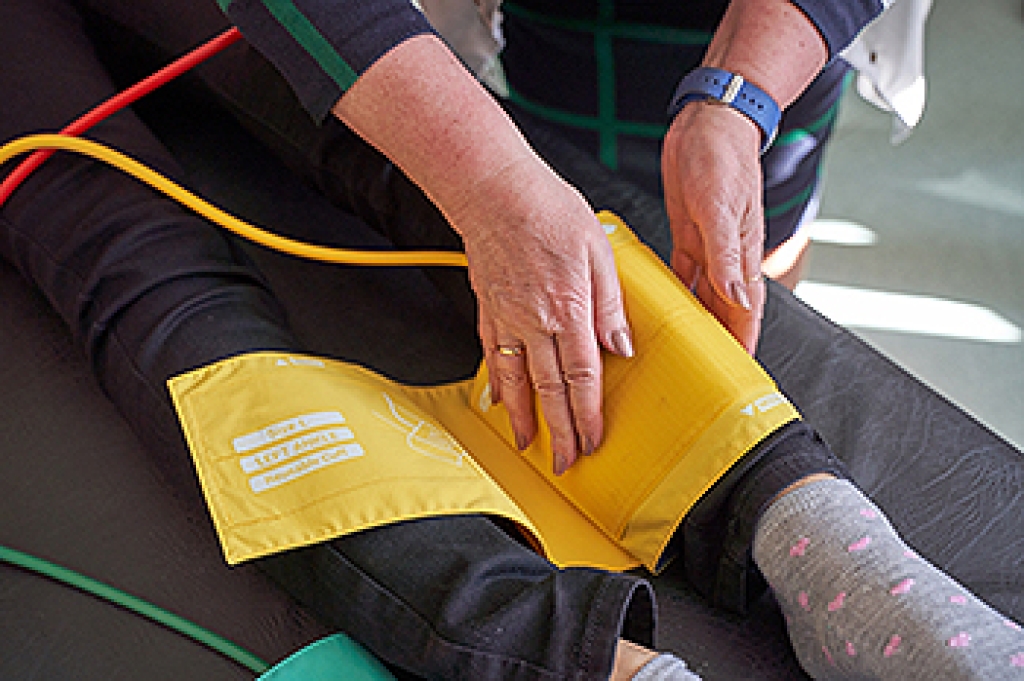
Peripheral artery disease, also known as PAD, develops when plaque builds up in the arteries, which reduces blood flow to the feet and ankles. One of the earliest warning signs of PAD is foot or calf cramping while walking, which may ease with rest, but can return with activity. Other symptoms include feet that feel unusually cold and pale, bluish skin on the toes, brittle toenails that grow slowly, and wounds or ulcers on the feet that do not heal properly. Some patients also notice thinning hair on the lower legs or ongoing pain that becomes constant as the condition advances. To confirm a diagnosis of peripheral artery disease, a podiatrist may check circulation using the ankle-brachial index, which compares blood pressure in the ankle and arm, or imaging tests like duplex ultrasound to evaluate blood flow. If you are experiencing symptoms of PAD, it is suggested that you schedule an appointment with a podiatrist for an exam and appropriate treatment.
Peripheral artery disease can pose a serious risk to your health. It can increase the risk of stroke and heart attack. If you have symptoms of peripheral artery disease, consult with Steven Black, DPM from California . Our doctor will assess your condition and provide you with quality foot and ankle treatment.
Peripheral artery disease (PAD) is when arteries are constricted due to plaque (fatty deposits) build-up. This results in less blood flow to the legs and other extremities. The main cause of PAD is atherosclerosis, in which plaque builds up in the arteries.
Symptoms
Symptoms of PAD include:
It is important to note that a majority of individuals never show any symptoms of PAD.
Diagnosis
While PAD occurs in the legs and arteries, Podiatrists can diagnose PAD. Podiatrists utilize a test called an ankle-brachial index (ABI). An ABI test compares blood pressure in your arm to you ankle to see if any abnormality occurs. Ultrasound and imaging devices may also be used.
Treatment
Fortunately, lifestyle changes such as maintaining a healthy diet, exercising, managing cholesterol and blood sugar levels, and quitting smoking, can all treat PAD. Medications that prevent clots from occurring can be prescribed. Finally, in some cases, surgery may be recommended.
If you have any questions, please feel free to contact our office located in Lancaster, CA . We offer the newest diagnostic and treatment technologies for all your foot care needs.

Heel pain is one of the most frequent complaints in young soccer players, often linked to the growth plate in the heel bone. This area, called the calcaneal apophysis, is soft and more vulnerable to stress during growth. When leg bones lengthen faster than the heel bone, extra tension develops, sometimes leading to inflammation known as calcaneal apophysitis, or Sever’s disease. Symptoms usually include throbbing or aching pain at the back of the heel, which may worsen with running, jumping, or wearing certain cleated shoes. Turf cleats generally provide better cushioning and reduce strain compared to grass cleats, which can put extra stress on the heel. A podiatrist can evaluate the cause of heel pain, recommend proper footwear, and provide treatment options that allow young athletes to remain active safely. If your child exhibits signs of heel pain after sports activities, it is suggested that you schedule an appointment with a podiatrist for an exam and appropriate treatment.
Sever's disease often occurs in children and teens. If your child is experiencing foot or ankle pain, see Steven Black, DPM from California . Our doctor can treat your child’s foot and ankle needs.
Sever’s Disease
Sever’s disease is also known as calcaneal apophysitis, which is a medical condition that causes heel pain I none or both feet. The disease is known to affect children between the ages of 8 and 14.
Sever’s disease occurs when part of the child’s heel known as the growth plate (calcaneal epiphysis) is attached to the Achilles tendon. This area can suffer injury when the muscles and tendons of the growing foot do not keep pace with bone growth. Therefore, the constant pain which one experiences at the back of the heel will make the child unable to put any weight on the heel. The child is then forced to walk on their toes.
Symptoms
Acute pain – Pain associated with Sever’s disease is usually felt in the heel when the child engages in physical activity such as walking, jumping and or running.
Highly active – Children who are very active are among the most susceptible in experiencing Sever’s disease, because of the stress and tension placed on their feet.
If you have any questions, please feel free to contact our office located in Lancaster, CA . We offer the newest diagnostic and treatment technologies for all your foot care needs.

Psoriatic arthritis is a chronic condition that can cause pain, swelling, and stiffness in the feet, often making it difficult to walk or stand for long periods. of time. The inflammation may involve any of the 26 foot bones and ankle joints, as well as their surrounding soft tissues. A common feature of psoriatic arthritis is dactylitis, also called sausage toes, where the entire toe becomes swollen and tender. Heel pain may also occur when the Achilles tendon becomes inflamed, creating symptoms similar to plantar fasciitis. Over time, the toes can curl into claw-like shapes, the big toe may bend upward, or the foot arch may flatten. Skin around the joints may appear red or purple, and stiffness often worsens after periods of rest. A podiatrist can evaluate these symptoms, recommend proper footwear or custom orthotics, and discuss possible surgery if joint damage is severe. If you have foot pain from psoriatic arthritis, it is suggested that you schedule an appointment with a podiatrist for an exam and appropriate treatment.
Arthritis can be a difficult condition to live with. If you are seeking treatment, contact Steven Black, DPM from California . Our doctor can provide the care you need to keep you pain-free and on your feet.
Arthritic Foot Care
Arthritis is a joint disorder that involves the inflammation of different joints in your body, such as those in your feet. Arthritis is often caused by a degenerative joint disease and causes mild to severe pain in all affected areas. In addition to this, swelling and stiffness in the affected joints can also be a common symptom of arthritis.
In many cases, wearing ill-fitting shoes can worsen the effects and pain of arthritis. Wearing shoes that have a lower heel and extra room can help your feet feel more comfortable. In cases of rheumatoid arthritis, the arch in your foot may become problematic. Buying shoes with proper arch support that contour to your feet can help immensely.
Alleviating Arthritic Pain
It is best to see your doctor for the treatment that is right for your needs and symptoms. Conditions vary, and a podiatrist can help you determine the right method of care for your feet.
If you have any questions please feel free to contact our office located in Lancaster, CA . We offer the newest diagnostic tools and technology to treat your foot and ankle needs.

Pain on the outer side of the foot, known as lateral foot pain, can result from a variety of conditions that affect the bones, tendons, and ligaments in this area. A common cause of lateral foot pain is peroneal tendonitis. This develops where the tendons running along the ankle and foot become inflamed due to overuse or injury. Ankle sprains are another frequent source, often occurring when the ankle twists inward. This action can cause tearing of the supporting ligaments and leads to swelling and instability. Fractures of the fifth metatarsal, sometimes called dancer’s fractures or Jones fractures, may arise from repetitive stress or acute trauma. A podiatrist can evaluate the exact cause of lateral foot pain, provide diagnostic imaging to confirm, and recommend the most effective treatment. If the outer side of your foot hurts, it is suggested that you make an appointment with a podiatrist for an exam and treatment.
Foot Pain
Foot pain can be extremely painful and debilitating. If you have a foot pain, consult with Steven Black, DPM from California . Our doctor will assess your condition and provide you with quality foot and ankle treatment.
Causes
Foot pain is a very broad condition that could be caused by one or more ailments. The most common include:
Diagnosis
To figure out the cause of foot pain, podiatrists utilize several different methods. This can range from simple visual inspections and sensation tests to X-rays and MRI scans. Prior medical history, family medical history, and any recent physical traumatic events will all be taken into consideration for a proper diagnosis.
Treatment
Treatment depends upon the cause of the foot pain. Whether it is resting, staying off the foot, or having surgery; podiatrists have a number of treatment options available for foot pain.
If you have any questions, please feel free to contact our office located in Lancaster, CA . We offer the newest diagnostic and treatment technologies for all your foot care needs.

Achilles tendinopathy is a condition that affects the tendon connecting the calf muscles to the heel bone. It often begins with stiffness and pain in the back of the heel or lower leg, especially during walking or running. The discomfort may ease with activity at first, but can return stronger afterward. Over time, the tendon may thicken and lose flexibility, making daily movement more difficult. Common causes include overuse, sudden increases in activity, tight calf muscles, or wearing unsupportive shoes. Rest, stretching, and supportive footwear may reduce strain, while structured strengthening programs are often key to recovery. Ignoring the problem can increase the risk of a more serious tendon injury, including rupture. If you are experiencing persistent pain or stiffness in your Achilles tendon, it is suggested that you consult a podiatrist for an accurate diagnosis and a personalized treatment plan.
Achilles tendon injuries need immediate attention to avoid future complications. If you have any concerns, contact Steven Black, DPM of California . Our doctor can provide the care you need to keep you pain-free and on your feet.
What Is the Achilles Tendon?
The Achilles tendon is a tendon that connects the lower leg muscles and calf to the heel of the foot. It is the strongest tendon in the human body and is essential for making movement possible. Because this tendon is such an integral part of the body, any injuries to it can create immense difficulties and should immediately be presented to a doctor.
What Are the Symptoms of an Achilles Tendon Injury?
There are various types of injuries that can affect the Achilles tendon. The two most common injuries are Achilles tendinitis and ruptures of the tendon.
Achilles Tendinitis Symptoms
Rupture Symptoms
Treatment and Prevention
Achilles tendon injuries are diagnosed by a thorough physical evaluation, which can include an MRI. Treatment involves rest, physical therapy, and in some cases, surgery. However, various preventative measures can be taken to avoid these injuries, such as:
If you have any questions please feel free to contact our office located in Lancaster, CA . We offer the newest diagnostic tools and technology to treat your foot and ankle needs.

Toenail fungus, or onychomycosis, is a common condition in which fungi infect the nails, causing thickening, discoloration, and brittleness. It often develops in warm, moist environments such as shoes, locker rooms, and around pools. Risk factors include aging, diabetes, compromised immune systems, nail trauma, and poor foot hygiene. Symptoms may involve yellow or white spots on the nail, crumbling edges, and an unpleasant odor. Without treatment, the infection can spread to other nails or skin. A podiatrist can accurately diagnose toenail fungus, provide effective treatments, and recommend preventive strategies. If you have symptoms of toenail fungus, it is suggested that you contact a podiatrist who can offer effective treatment remedies, which may include prescribed medication.
For more information about treatment, contact Steven Black, DPM of California . Our doctor can provide the care you need to keep you pain-free and on your feet.
Toenail Fungus Treatment
Toenail fungus is a condition that affects many people and can be especially hard to get rid of. Fortunately, there are several methods to go about treating and avoiding it.
Antifungals & Deterrence
Oral antifungal medicine has been shown to be effective in many cases. It is important to consult with a podiatrist to determine the proper regiment for you, or potentially explore other options.
Applying foot powder on the feet and shoes helps keep the feet free of moisture and sweat.
Sandals or open toed shoes – Wearing these will allow air movement and help keep feet dry. They also expose your feet to light, which fungus cannot tolerate. Socks with moisture wicking material also help as well.
If you have any questions please contact our office located in Lancaster, CA . We offer the newest diagnostic and treatment technologies for all your foot and ankle needs.

A broken toe can happen from something as simple as stubbing it on furniture or dropping a heavy object on the foot. Symptoms often include sharp pain, swelling, bruising, and difficulty walking. The toe may appear crooked or out of alignment, and it may feel tender or numb. In some cases, there may be a popping sound at the time of injury. While some fractures are obvious, others can be mistaken for a sprain. A podiatrist can provide an accurate diagnosis through a physical examination and imaging, such as an X-ray. Treatments vary depending on the severity of the break and may include splinting, buddy taping, protective footwear, or in some cases, surgery. Prompt care can help prevent complications, such as improper healing or long-term pain. It is suggested that you make an appointment with a podiatrist if you suspect a toe may be broken to ensure proper treatment and recovery.
Broken toes may cause a lot of pain and should be treated as soon as possible. If you have any concerns about your feet, contact Steven Black, DPM from California . Our doctor will treat your foot and ankle needs.
What Is a Broken Toe?
A broken toe occurs when one or more of the toe bones of the foot are broken after an injury. Injuries such as stubbing your toe or dropping a heavy object on it may cause a toe fracture.
Symptoms of a Broken Toe
Although the injured toe should be monitored daily, it is especially important to have a podiatrist look at your toe if you have severe symptoms. Some of these symptoms include worsening or new pain that is not relieved with medication, sores, redness, or open wounds near the toe.
If you have any questions please feel free to contact our office located in Lancaster, CA . We offer the newest diagnostic tools and technology to treat your foot and ankle needs.

Plantar fibromatosis, also called Ledderhose disease, is a condition where firm nodules develop in the arch of the foot along the plantar fascia. These growths can cause pain and discomfort while walking or standing. The exact cause is not fully understood, but factors such as genetics, male gender, certain medical conditions like diabetes and liver disease, and repetitive foot trauma may increase the risk. Symptoms often progress slowly and may worsen over time. A podiatrist can help by providing accurate diagnosis, recommending custom orthotics, or other treatment options to relieve pain and improve mobility. If you have a painful nodule in the arch of your foot, it is suggested that you schedule a consultation with a podiatrist for appropriate relief and treatment solutions.
A plantar fibroma may disrupt your daily activities. If you have any concerns, contact Steven Black, DPM of California . Our doctor can provide the care you need to keep you pain-free and on your feet.
Plantar Fibroma
A plantar fibroma is a fibrous knot in the arch of the foot. It is embedded in the plantar fascia which is a band of tissue that extends from the heel to the toes along the bottom of the foot. There can be multiple plantar fibromas in the feet at the same time. There are no known causes for this condition. If you have a plantar fibroma, there will be a bump in the arch of your foot that cannot be missed. Any associated pain is most often due to a shoe rubbing against the nodule. Non-surgical options, such as steroid injections, physical therapy, and orthotics should be tried first. Surgery is a last resort and is the only thing that will remove a plantar fibroma entirely. Consult with a podiatrist for a proper diagnosis and to determine the treatment regimen that is right for you.
What Causes a Plantar Fibroma?
While there are no specific causes identified, a plantar fibroma can possibly come from genetic predisposition or the formation of scar tissue that forms from healing the tears in the plantar fascia.
What Are the Symptoms of a Plantar Fibroma?
There will be a noticeable lump in the arch of the foot that may or may not cause pain. If pain is felt, it is typically because a shoe is rubbing up against the lump or when walking or standing barefoot.
Treatment and Prevention
A plantar fibroma will not disappear without treatment, but it can get smaller and be a non-issue. If pain persists, a podiatrist examines the foot and when the arch of the foot is pressed, pain can be felt down to the toes. An MRI or biopsy might be performed to help diagnose or evaluate the plantar fibroma. The following non-surgical options are generally enough to reduce the size and pain of these nodules:
Surgery is considered if the mass increases in size and the patient continues to feel pain after non-surgical methods are tried.
If you have any questions, please feel free to contact our office located in Lancaster, CA . We offer the newest diagnostic and treatment technologies for all your foot care needs.
Connect With Us