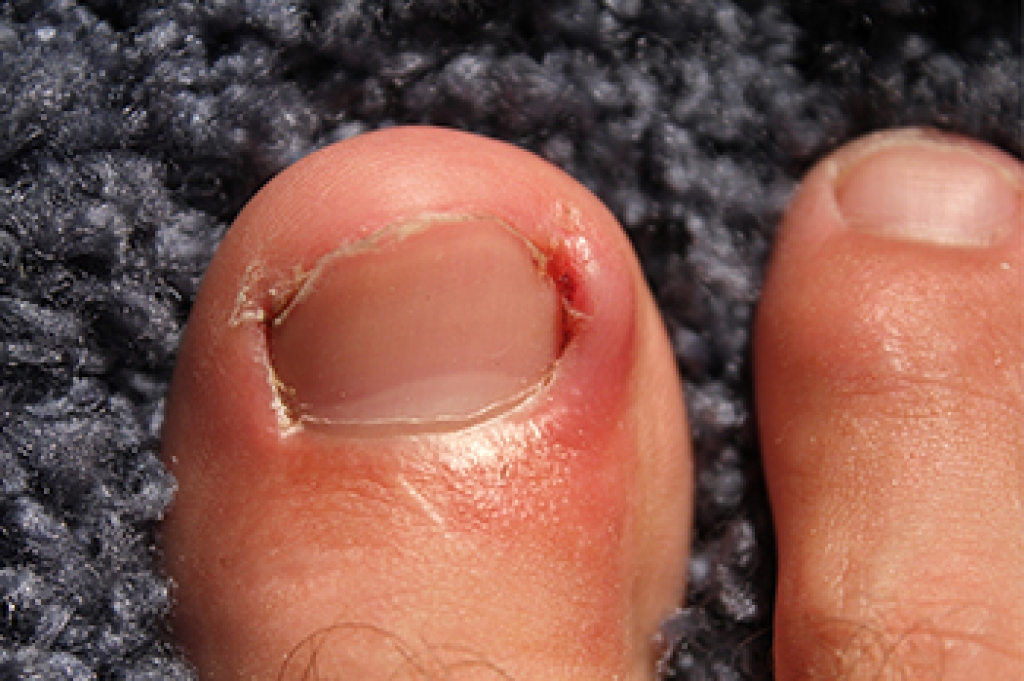
Common Reasons Why an Ingrown Toenail Can Develop

An ingrown toenail happens when the nail grows into the skin instead of over it. Common reasons for this to occur can be from wearing shoes that do not fit correctly, or if there is a family history of it. Additionally, people who trim their toenails incorrectly or have injured their toes may develop an ingrown toenail. People who have diabetes can incur poor circulation, which may inhibit normal nail growth, thus increasing the possibility of getting an ingrown toenail. Mild relief may temporarily be found when the affected foot is soaked in warm water, making it easier to gently pull the skin away from the nail. Preventive techniques can include wearing shoes that fit correctly and keeping the feet as dry as possible. If you have developed an ingrown toenail, it is strongly suggested that you consult a podiatrist as quickly as possible who can provide you with permanent relief and treatment options.  

Ingrown toenails can become painful if they are not treated properly. For more information about ingrown toenails, contact Steven Black, DPM of California . Our doctor can provide the care you need to keep you pain-free and on your feet.

Ingrown Toenails

Ingrown toenails occur when a toenail grows sideways into the bed of the nail, causing pain, swelling, and possibly infection.

Causes

  • Bacterial infections
  • Improper nail cutting such as cutting it too short or not straight across
  • Trauma to the toe, such as stubbing, which causes the nail to grow back irregularly
  • Ill-fitting shoes that bunch the toes too close together
  • Genetic predisposition

Prevention

Because ingrown toenails are not something found outside of shoe-wearing cultures, going barefoot as often as possible will decrease the likeliness of developing ingrown toenails. Wearing proper fitting shoes and using proper cutting techniques will also help decrease your risk of developing ingrown toenails.

Treatment

Ingrown toenails are a very treatable foot condition. In minor cases, soaking the affected area in salt or antibacterial soaps will not only help with the ingrown nail itself, but also help prevent any infections from occurring. In more severe cases, surgery is an option. In either case, speaking to your podiatrist about this condition will help you get a better understanding of specific treatment options that are right for you.

If you have any questions, please feel free to contact our office located in Lancaster, CA . We offer the newest diagnostic and treatment technologies for all your foot care needs.
Read more about Ingrown Toenails

Exercises for Flat Feet

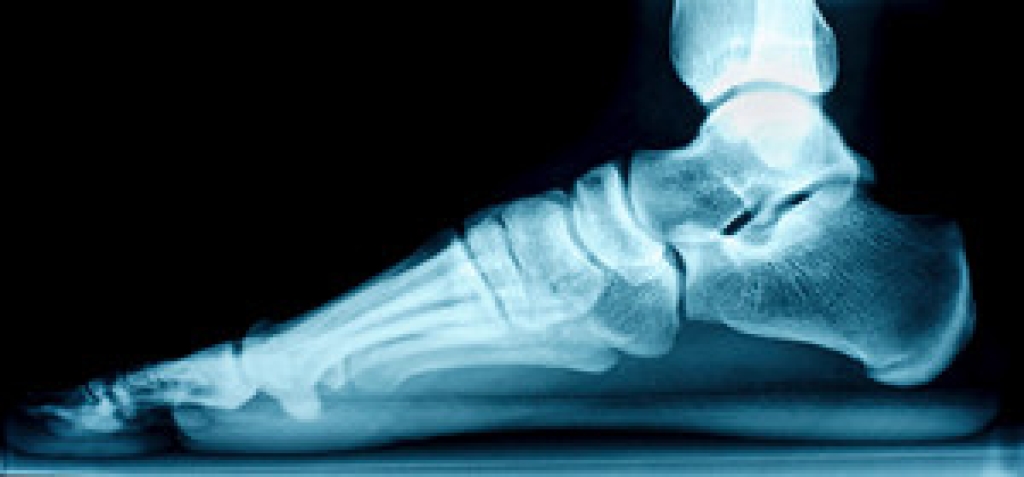
Children are naturally born with flat feet, and by the time they are teenagers, the arch usually develops normally. However, there are various circumstances where the arches either do not develop or they fall. These include injuries, obesity, genetics, and arthritis. Those with neurological or muscular diseases may also be more prone to having flat feet. Wearing orthotics or arch supports, and performing certain stretches, can reduce pain from fallen arches or help correct them. Examples of exercises that might help raise, strengthen, and lengthen the arches are heel stretches and tennis or golf ball rolls. Stretch your heels by standing with your hands resting on a wall at eye level. Keep one leg forward and the other extended behind you. Press both heels into the floor. Then bend one leg at a time toward the wall with the opposite heel pressed into the floor and hold this position for 30 seconds. Repeat on each side four times. For the tennis or golf ball roll, sit in a chair with a ball under one foot. Keep a straight spine and roll the ball under your foot, focusing on the arch. Do this for two to three minutes and then change feet. If you have flat feet and they are causing you discomfort, it is suggested that you consult with a podiatrist who can provide you with additional exercise options and further treatment that is right for you.

Flatfoot is a condition many people suffer from. If you have flat feet, contact Steven Black, DPM from California . Our doctor will treat your foot and ankle needs.

What Are Flat Feet?

Flatfoot is a condition in which the arch of the foot is depressed and the sole of the foot is almost completely in contact with the ground. About 20-30% of the population generally has flat feet because their arches never formed during growth.

Conditions & Problems:

Having flat feet makes it difficult to run or walk because of the stress placed on the ankles.

Alignment – The general alignment of your legs can be disrupted, because the ankles move inward which can cause major discomfort.

Knees – If you have complications with your knees, flat feet can be a contributor to arthritis in that area.  

Symptoms

  • Pain around the heel or arch area
  • Trouble standing on the tip toe
  • Swelling around the inside of the ankle
  • Flat look to one or both feet
  • Having your shoes feel uneven when worn

Treatment

If you are experiencing pain and stress on the foot you may weaken the posterior tibial tendon, which runs around the inside of the ankle. 

If you have any questions, please feel free to contact our office located in Lancaster, CA . We offer the newest diagnostic and treatment technologies for all your foot care needs.
Read more about Flatfoot

Tips for Having More Attractive Feet

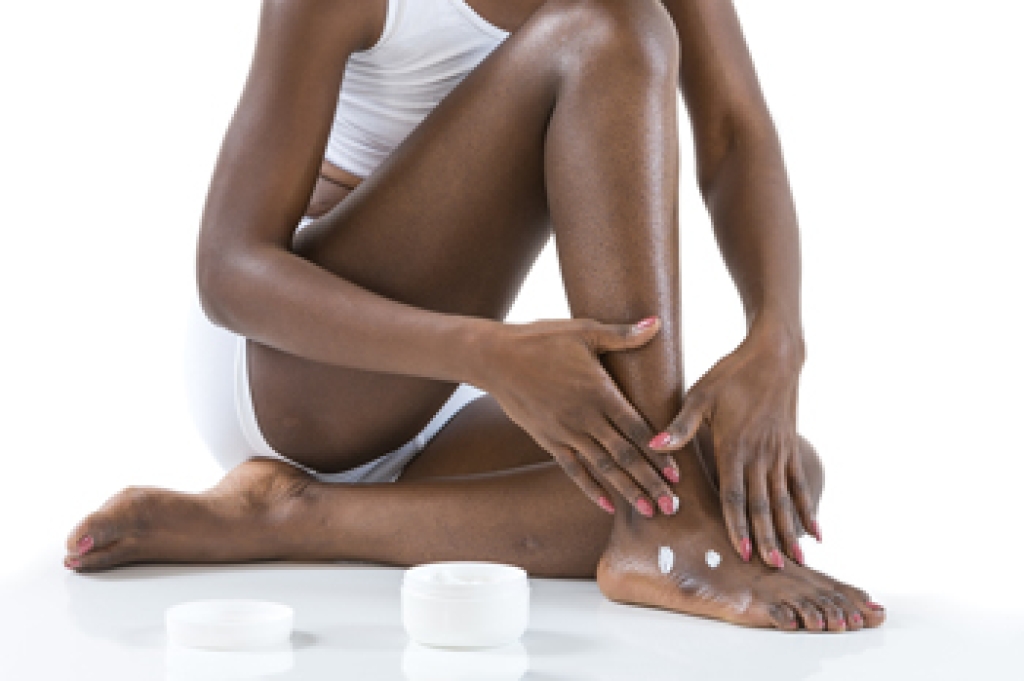
Professional pedicures are an obvious step to take if you want to have more attractive feet, but sometimes this is not possible. There are routines that can be done at home that an individual can follow to help to ensure their feet are healthy and looking nice  Following these steps for everyday foot care can save you time and money. This can begin with soaking the feet. Adding Epsom salts to warm water can cleanse the feet, soften them, and make the toenails easier to trim. After drying the feet, a foot file or large nail file can be used to file corns or calluses. This can be done gently until the skin feels smoother. Next, the feet can be exfoliated with an appropriate scrub that can remove dead skin cells and soften dry skin. It is important to trim the toenails straight across and smooth the edges with a nail file. This can be followed by moisturizing the feet and completed by polishing your toenails. In performing this process, if you encounter any wounds on your feet or areas of infection, it is suggested to see a podiatrist who can examine your feet and tend to any problem areas.

Everyday foot care is very important to prevent infection and other foot ailments. If you need your feet checked, contact Steven Black, DPM from California . Our doctor can provide the care you need to keep you pain-free and on your feet.

Everyday Foot Care

Often, people take care of their bodies, face and hair more so than they do for their feet. But the feet are a very important aspect of our bodies, and one that we should pay more attention to. Without our feet, we would not be able to perform most daily tasks.

It is best to check your feet regularly to make sure there are no new bruises or cuts that you may not have noticed before. For dry feet, moisturizer can easily be a remedy and can be applied as often as necessary to the affected areas. Wearing shoes that fit well can also help you maintain good foot health, as well as making it easier to walk and do daily activities without the stress or pain of ill-fitting shoes, high heels, or even flip flops. Wearing clean socks with closed shoes is important to ensure that sweat and bacteria do not accumulate within the shoe. Clean socks help to prevent Athlete’s foot, fungi problems, bad odors, and can absorb sweat.

If you have any questions, please feel free to contact our office located in Lancaster, CA . We offer the newest diagnostic and treatment technologies for all your foot care needs.

Read more about Everyday Foot Care

When to See a Podiatrist for Wound Care

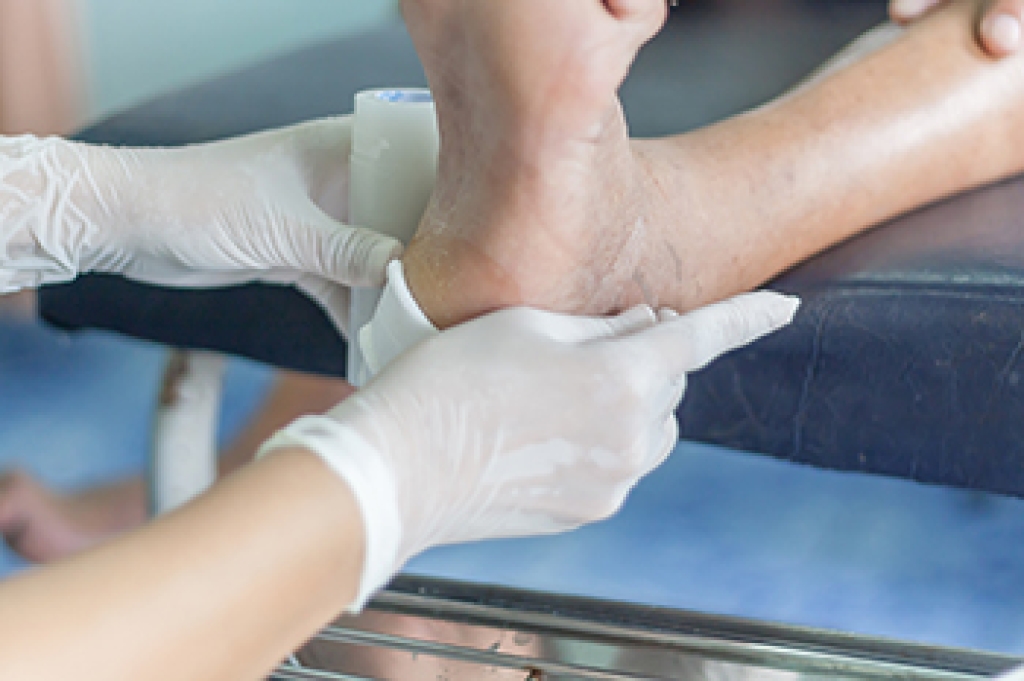
As the summer months begin, the risks of cutting or otherwise wounding your feet may increase. Wearing sandals or flip flops, as well as going barefoot more often can increase the chances of having to deal with foot wounds. If you are bleeding profusely from a wound, immediate medical attention is vital. There also may be times when a podiatrist is needed to attend to foot wounds, including punctures, lacerations, toenail injuries, and broken toes. When you step on a nail or other sharp object, the puncture wound may appear small and may not bleed very much. But because the depth of the wound can be a source of infection as well as damage to nerves and tendons, attention from this foot doctor is suggested. Abrasions or scrapes may bleed and ooze fluids, making it difficult to clear it from debris. To avoid infection setting in, it is suggested that you make an appointment with a podiatrist. Similarly, if you have a skin injury and have diabetes or vascular disease, seeing a podiatrist as soon as possible is strongly suggested. 

Wound care is an important part in dealing with diabetes. If you have diabetes and a foot wound or would like more information about wound care for diabetics, consult with Steven Black, DPM from California . Our doctor will assess your condition and provide you with quality foot and ankle treatment.

What Is Wound Care?

Wound care is the practice of taking proper care of a wound. This can range from the smallest to the largest of wounds. While everyone can benefit from proper wound care, it is much more important for diabetics. Diabetics often suffer from poor blood circulation which causes wounds to heal much slower than they would in a non-diabetic. 

What Is the Importance of Wound Care?

While it may not seem apparent with small ulcers on the foot, for diabetics, any size ulcer can become infected. Diabetics often also suffer from neuropathy, or nerve loss. This means they might not even feel when they have an ulcer on their foot. If the wound becomes severely infected, amputation may be necessary. Therefore, it is of the upmost importance to properly care for any and all foot wounds.

How to Care for Wounds

The best way to care for foot wounds is to prevent them. For diabetics, this means daily inspections of the feet for any signs of abnormalities or ulcers. It is also recommended to see a podiatrist several times a year for a foot inspection. If you do have an ulcer, run the wound under water to clear dirt from the wound; then apply antibiotic ointment to the wound and cover with a bandage. Bandages should be changed daily and keeping pressure off the wound is smart. It is advised to see a podiatrist, who can keep an eye on it.

If you have any questions please contact our office located in Lancaster, CA . We offer the newest diagnostic and treatment technologies for all your foot and ankle needs.

Read more about Wound Care

Heel Pain in the Morning?

Heel pain can negatively affect your day-to-day life. Simple activities like walking can become incredibly uncomfortable or painful due to heel pain.

Don’t live with heel pain and get treated.

Connect With Us