Foot Pain From Sciatica

Sciatica is a condition characterized by pain that radiates along the sciatic nerve, which runs from the lower back down through the buttocks and into each leg. When the sciatic nerve becomes compressed or irritated, it can lead to various symptoms, including sharp, shooting pain, tingling, numbness, or weakness in the lower back, buttocks, legs, and feet. In some cases, sciatica can also cause toe pain, often described as a burning sensation or electric shock-like discomfort. This toe pain may result from nerve compression affecting the branches of the sciatic nerve that innervate the feet and toes. A podiatrist can play a vital role in managing sciatica-related foot pain by conducting a comprehensive evaluation to identify contributing factors, providing treatments to alleviate symptoms such as orthotic devices, and coordinating care with other healthcare providers as needed for optimal pain management and functional improvement.

Foot Pain

Foot pain can be extremely painful and debilitating. If you have a foot pain, consult with Steven Black, DPM from California . Our doctor will assess your condition and provide you with quality foot and ankle treatment.

Causes

Foot pain is a very broad condition that could be caused by one or more ailments. The most common include:

  • Bunions
  • Hammertoes
  • Plantar Fasciitis
  • Bone Spurs
  • Corns
  • Tarsal Tunnel Syndrome
  • Ingrown Toenails
  • Arthritis (such as Gout, Rheumatoid, and Osteoarthritis)
  • Flat Feet
  • Injury (from stress fractures, broken toe, foot, ankle, Achilles tendon ruptures, and sprains)
  • And more

Diagnosis

To figure out the cause of foot pain, podiatrists utilize several different methods. This can range from simple visual inspections and sensation tests to X-rays and MRI scans. Prior medical history, family medical history, and any recent physical traumatic events will all be taken into consideration for a proper diagnosis.

Treatment

Treatment depends upon the cause of the foot pain. Whether it is resting, staying off the foot, or having surgery; podiatrists have a number of treatment options available for foot pain.

If you have any questions, please feel free to contact our office located in Lancaster, CA . We offer the newest diagnostic and treatment technologies for all your foot care needs.

Read more about Foot Pain

Diabetes and Neuropathy

Diabetes can lead to a condition known as neuropathy, a type of nerve damage that often affects the legs and feet, due to high blood sugar levels over time. High blood sugar can harm the tiny blood vessels that supply nerves, especially those in the lower extremities. This can cause symptoms ranging from tingling, numbness, and pain in the feet to more severe issues like loss of sensation. The loss of feeling is particularly concerning because it can make it difficult for someone to notice injuries or infections. This, in turn, heightens the risk of serious complications, such as foot ulcers and infections that heal poorly. Managing blood sugar levels is important for preventing or slowing the progression of neuropathy. If you are at risk for neuropathy and wound care issues, it is suggested that you have regular check-ups with a podiatrist to monitor foot health and prevent complications.

Neuropathy

Neuropathy can be a potentially serious condition, especially if it is left undiagnosed. If you have any concerns that you may be experiencing nerve loss in your feet, consult with Steven Black, DPM from California . Our doctor will assess your condition and provide you with quality foot and ankle treatment for neuropathy.

What Is Neuropathy?

Neuropathy is a condition that leads to damage to the nerves in the body. Peripheral neuropathy, or neuropathy that affects your peripheral nervous system, usually occurs in the feet. Neuropathy can be triggered by a number of different causes. Such causes include diabetes, infections, cancers, disorders, and toxic substances.

Symptoms of Neuropathy Include:

  • Numbness
  • Sensation loss
  • Prickling and tingling sensations
  • Throbbing, freezing, burning pains
  • Muscle weakness

Those with diabetes are at serious risk due to being unable to feel an ulcer on their feet. Diabetics usually also suffer from poor blood circulation. This can lead to the wound not healing, infections occurring, and the limb may have to be amputated.

Treatment

To treat neuropathy in the foot, podiatrists will first diagnose the cause of the neuropathy. Figuring out the underlying cause of the neuropathy will allow the podiatrist to prescribe the best treatment, whether it be caused by diabetes, toxic substance exposure, infection, etc. If the nerve has not died, then it’s possible that sensation may be able to return to the foot.

Pain medication may be issued for pain. Electrical nerve stimulation can be used to stimulate nerves. If the neuropathy is caused from pressure on the nerves, then surgery may be necessary.

If you have any questions, please feel free to contact our office located in Lancaster, CA . We offer the newest diagnostic and treatment technologies for all your foot care needs.

Read more about Neuropathy

It's Time for Beautiful Feet

You don't need an excuse to have beautiful nails. Step outside without worrying about the appearance of your feet.

Podiatrists Are Masters of Foot Orthotics

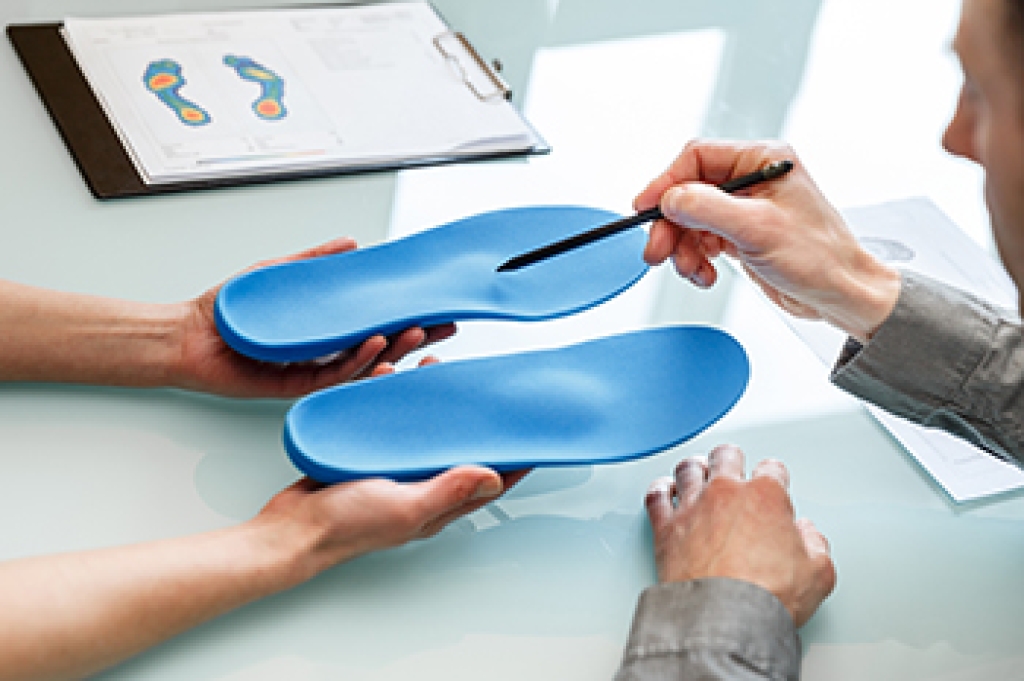
Orthotics, specialized shoe inserts designed to support and align the foot and ankle, are crafted by a myriad of companies worldwide. However, amidst this diversity, podiatrists stand out as experts in the field. These healthcare professionals possess extensive knowledge of foot anatomy, biomechanics, and gait analysis, enabling them to tailor orthotic solutions to individual needs effectively. Unlike mass-produced inserts, podiatrists meticulously assess each patient's unique requirements, accounting for factors like foot structure, medical history, and lifestyle. This personalized approach ensures optimal fit and function, addressing a wide range of conditions, from plantar fasciitis to diabetic foot complications. Podiatrists employ a variety of techniques and materials, including foam impressions, computerized scans, and custom molds to create orthotics that provide maximum comfort and support. Furthermore, they offer ongoing care and adjustments, ensuring patients experience lasting relief and improved mobility. If you experience foot or ankle discomfort, it is suggested that you schedule an appointment with a podiatrist to discuss whether custom-made orthotics can help you.

If you are having discomfort in your feet and would like to try orthotics, contact Steven Black, DPM from California . Our doctor can provide the care you need to keep you pain-free and on your feet.

What Are Orthotics?

Orthotics are inserts you can place into your shoes to help with a variety of foot problems such as flat feet or foot pain. Orthotics provide relief and comfort for minor foot and heel pain but can’t correct serious biomechanical problems in your feet.

Over-the-Counter Inserts

Orthotics come in a wide variety of over-the-counter inserts that are used to treat foot pain, heel pain, and minor problems. For example, arch supports can be inserted into your shoes to help correct overarched or flat feet, while gel insoles are often used because they provide comfort and relief from foot and heel pain by alleviating pressure.

Prescription Orthotics

If over-the-counter inserts don’t work for you or if you have a more severe foot concern, it is possible to have your podiatrist prescribe custom orthotics. These high-quality inserts are designed to treat problems such as abnormal motion, plantar fasciitis, and severe forms of heel pain. They can even be used to help patients suffering from diabetes by treating foot ulcers and painful calluses and are usually molded to your feet individually, which allows them to provide full support and comfort.

If you are experiencing minor to severe foot or heel pain, it’s recommended to speak with your podiatrist about the possibilities of using orthotics. A podiatrist can determine which type of orthotic is right for you and allow you to take the first steps towards being pain-free.

If you have any questions, please feel free to contact our office located in Lancaster, CA . We offer the newest diagnostic and treatment technologies for all your foot care needs.

Read more about Foot Orthotics

When Are Flat Feet a Problem?

Flat feet, or pes planus, is a common condition where the arches of the feet collapse, causing the entire sole to touch the ground. It affects approximately 20 to 30 percent of the population and can occur in both children and adults. Flat feet may develop due to specific factors, including genetics, weak foot muscles, injury, or certain medical conditions. People at higher risk include those with family history, obesity, diabetes, or who stand for long periods of time. There are different types of flat feet. Flexible flat feet are where the arches only flatten when weight is applied. Tight Achilles tendon limits foot movement. Posterior tibial tendon dysfunction is when the tendon supporting the arch becomes weakened. Treatment by a podiatrist aims to relieve painful symptoms and improve foot function. This may involve custom orthotic devices, stretching exercises, supportive footwear, or in severe cases, surgery to reconstruct the arch. If you have problematic flat feet, it is suggested that you schedule an appointment with a podiatrist for proper management and relief.

Flatfoot is a condition many people suffer from. If you have flat feet, contact Steven Black, DPM from California . Our doctor will treat your foot and ankle needs.

What Are Flat Feet?

Flatfoot is a condition in which the arch of the foot is depressed and the sole of the foot is almost completely in contact with the ground. About 20-30% of the population generally has flat feet because their arches never formed during growth.

Conditions & Problems:

Having flat feet makes it difficult to run or walk because of the stress placed on the ankles.

Alignment – The general alignment of your legs can be disrupted, because the ankles move inward which can cause major discomfort.

Knees – If you have complications with your knees, flat feet can be a contributor to arthritis in that area.  

Symptoms

  • Pain around the heel or arch area
  • Trouble standing on the tip toe
  • Swelling around the inside of the ankle
  • Flat look to one or both feet
  • Having your shoes feel uneven when worn

Treatment

If you are experiencing pain and stress on the foot you may weaken the posterior tibial tendon, which runs around the inside of the ankle. 

If you have any questions, please feel free to contact our office located in Lancaster, CA . We offer the newest diagnostic and treatment technologies for all your foot care needs.

Read more about What is Flexible Flat Foot?

Treatment Options for Heel Spurs

A heel spur is an abnormal growth of bone on the bottom or back of the heel bone, or calcaneus. Heel spurs often result from excessive pulling by tendons and ligaments. Athletes and non-athletes alike may develop heel spurs, experiencing pain during activities like walking or running. Treatment options for heel spurs typically focus on pain reduction, including oral medications, corticosteroid injections, padding, and custom shoe orthotics. Non-surgical remedies, consisting of shock wave therapy and radiotherapy, have been shown to help relieve pain and improve foot function for individuals with heel spurs. Surgery may be recommended in severe cases where other treatments have been unsuccessful. While pain from heel spurs can diminish over time without treatment, it is important to seek professional advice for persistent heel pain. For an accurate diagnosis and treatment options for relieving heel spur-related pain, it is suggested that you schedule an appointment with a podiatrist. 

Heel spurs can be incredibly painful and sometimes may make you unable to participate in physical activities. To get medical care for your heel spurs, contact Steven Black, DPM from California . Our doctor will do everything possible to treat your condition.

Heels Spurs

Heel spurs are formed by calcium deposits on the back of the foot where the heel is. This can also be caused by small fragments of bone breaking off one section of the foot, attaching onto the back of the foot. Heel spurs can also be bone growth on the back of the foot and may grow in the direction of the arch of the foot.

Older individuals usually suffer from heel spurs and pain sometimes intensifies with age. One of the main condition's spurs are related to is plantar fasciitis.

Pain

The pain associated with spurs is often because of weight placed on the feet. When someone is walking, their entire weight is concentrated on the feet. Bone spurs then have the tendency to affect other bones and tissues around the foot. As the pain continues, the feet will become tender and sensitive over time.

Treatments

There are many ways to treat heel spurs. If one is suffering from heel spurs in conjunction with pain, there are several methods for healing. Medication, surgery, and herbal care are some options.

If you have any questions, please feel free to contact our office located in Lancaster, CA . We offer the newest diagnostic and treatment technologies for all your foot care needs.

Read more about Heel Spurs

Foot Pain and Rheumatoid Arthritis

Foot pain is often one of the earliest signs of rheumatoid arthritis, or RA, an autoimmune condition affecting joints. RA can manifest in various forms in the feet, including swelling, stiffness, and tenderness. Over time, untreated RA can lead to progressive foot deformities such as bunions, hammertoes, and rheumatoid nodules. Additionally, inflammation in the joints can cause joint erosion and instability, further exacerbating foot problems. Seeking care from a podiatrist is necessary for individuals with RA, as these doctors specialize in managing foot conditions associated with arthritis. Podiatrists can provide comprehensive assessments, including gait analysis and imaging studies, to identify specific foot issues related to RA. If you suffer from RA symptoms in your feet, it is strongly suggested that you are under the care of a podiatrist who can help you maintain mobility and a better quality of life.

Because RA affects more than just your joints, including the joints in your feet and ankles, it is important to seek early diagnosis from your podiatrist if you feel like the pain in your feet might be caused by RA. For more information, contact Steven Black, DPM of California . Our doctor will assist you with all of your podiatric concerns.

What Is Rheumatoid Arthritis?

Rheumatoid Arthritis (RA) is an autoimmune disorder in which the body’s own immune system attacks the membranes surrounding the joints. Inflammation of the lining and eventually the destruction of the joint’s cartilage and bone occur, causing severe pain and immobility.

Rheumatoid Arthritis of the Feet

Although RA usually attacks multiple bones and joints throughout the entire body, almost 90 percent of cases result in pain in the foot or ankle area.

Symptoms

  • Swelling and pain in the feet
  • Stiffness in the feet
  • Pain on the ball or sole of feet
  • Joint shift and deformation

Diagnosis

Quick diagnosis of RA in the feet is important so that the podiatrist can treat the area effectively. Your doctor will ask you about your medical history, occupation, and lifestyle to determine the origin of the condition. Rheumatoid Factor tests help to determine if someone is affected by the disease.

If you have any questions, please feel free to contact our office located in Lancaster, CA . We offer the newest diagnostic and treatment technologies for all your foot care needs.

Read more about Rheumatoid Arthritis in the Feet

Heel Pain Can Be Treated!

Do you suffer from heel pain when you get up in the morning? If so, you should seek professional help and have a proper diagnosis performed. Heel pain can be caused by several different foot-related conditions.

Bunion Treatment

Bunions manifest primarily as the big toe angling towards the other toes, causing a bony protrusion on the inner edge of the foot. Symptoms include pain, swelling, callused skin, and foot shape changes. Treatment aims to alleviate discomfort and may involve painkillers, orthotics, or surgery for severe cases. Untreated bunions can worsen and lead to complications like arthritis or toe misalignment. Bunions are more prevalent in women, possibly due to footwear choices like high heels. Other causes of bunions include genetics, arthritis, and ill-fitting shoes. Prevention involves wearing properly fitting shoes with ample toe room, and avoiding tight or high-heeled footwear. Surgery is often the only solution for severe cases but may not guarantee complete recovery. If you have a bunion that causes you pain, it is suggested that you make appointments with a podiatrist for regular monitoring and treatment.

If you are suffering from bunion pain, contact Steven Black, DPM of California . Our doctor can provide the care you need to keep you pain-free and on your feet.

What Is a Bunion?

Bunions are painful bony bumps that usually develop on the inside of the foot at the joint of the big toe. As the deformity increases over time, it may become painful to walk and wear shoes. Women are more likely to exacerbate existing bunions since they often wear tight, narrow shoes that shift their toes together. Bunion pain can be relieved by wearing wider shoes with enough room for the toes.

Causes

  • Genetics – some people inherit feet that are more prone to bunion development
  • Inflammatory Conditions - rheumatoid arthritis and polio may cause bunion development

Symptoms

  • Redness and inflammation
  • Pain and tenderness
  • Callus or corns on the bump
  • Restricted motion in the big toe

In order to diagnose your bunion, your podiatrist may ask about your medical history, symptoms, and general health. Your doctor might also order an x-ray to take a closer look at your feet. Nonsurgical treatment options include orthotics, padding, icing, changes in footwear, and medication. If nonsurgical treatments don’t alleviate your bunion pain, surgery may be necessary.

If you have any questions, please feel free to contact our office located in Lancaster, CA . We offer the newest diagnostic and treatment technologies for all your foot care needs.

Read more about Bunions

Causes of Arch Pain

Experiencing pain in the arches of your feet can be attributed to various factors, including overuse, injury, and weakness. Other causes that may lead to arch pain are inflammation and anatomical variations in foot arch structure. Whether you have high, neutral, or flat arches, each type presents its own set of challenges. High arches may lack shock absorption and support, making them susceptible to overuse injuries during activities like sports. Flat feet, or fallen arches, can result from weak posterior tibial tendons, leading to decreased stability and support. Congenital conditions or acquired conditions, such as neuropathy or muscle atrophy, also can contribute to arch weakness and pain. Treatment strategies include proper foot support, medication, and orthotic shoe inserts. If you are experiencing pain in the arch of the foot, it is suggested that you schedule an appointment with a podiatrist who can identify the underlying cause, and develop an effective treatment plan for you.

If you have any concerns about your feet, contact Steven Black, DPM from California . Our doctor can provide the care you need to keep you pain-free and on your feet.

Biomechanics in Podiatry

Podiatric biomechanics is a particular sector of specialty podiatry with licensed practitioners who are trained to diagnose and treat conditions affecting the foot, ankle and lower leg. Biomechanics deals with the forces that act against the body, causing an interference with the biological structures. It focuses on the movement of the ankle, the foot and the forces that interact with them.

A History of Biomechanics

  • Biomechanics dates back to the BC era in Egypt where evidence of professional foot care has been recorded.
  • In 1974, biomechanics gained a higher profile from the studies of Merton Root, who claimed that by changing or controlling the forces between the ankle and the foot, corrections or conditions could be implemented to gain strength and coordination in the area.

Modern technological improvements are based on past theories and therapeutic processes that provide a better understanding of podiatric concepts for biomechanics. Computers can provide accurate information about the forces and patterns of the feet and lower legs.

Understanding biomechanics of the feet can help improve and eliminate pain, stopping further stress to the foot.

If you have any questions please feel free to contact our office located in Lancaster, CA . We offer the newest diagnostic and treatment technologies for all your foot and ankle needs.

Read more about The Importance of Biomechanics in Podiatry

Connect With Us