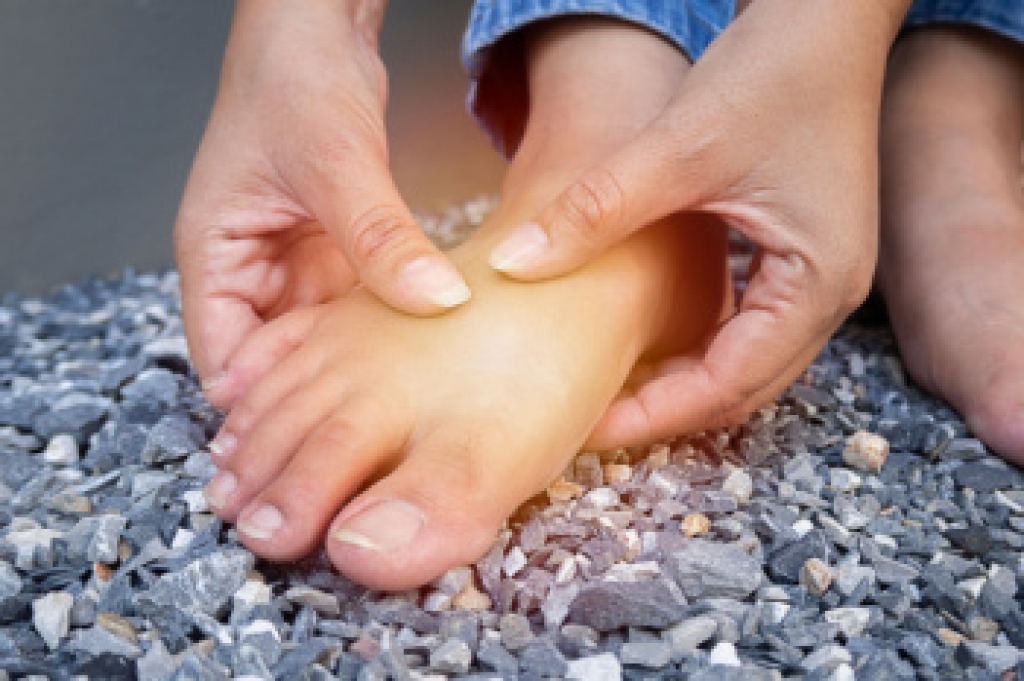
Causes of Pain in the Big Toe Joint

Big toe pain frequently affects the metatarsophalangeal, or MTP, joint. One common cause of big toe pain is biomechanical issues, where improper alignment of bones, ligaments, and tendons leads to increased pressure on the joint. This misalignment may be due to poor posture or wearing ill-fitting shoes. It can shift weight distribution and result in inflammation and cartilage damage. Conditions like bunions and turf toe exemplify biomechanical problems. Bunions occur when the big toe pushes against the second toe creating a bump on the side of the foot. Turf toe is an injury from overextending the big toe by pushing off it with force, common among athletes. Another significant cause of MTP joint pain is arthritis, including gout, osteoarthritis, rheumatoid arthritis, and psoriatic arthritis. Gout is caused by uric acid crystals accumulating in the joint, leading to flare-ups of intense pain. Osteoarthritis involves cartilage breakdown that causes bones to grind together. Rheumatoid arthritis and psoriatic arthritis are autoimmune conditions that result in joint inflammation. Risk factors for MTP joint pain can include chronic inflammatory conditions, poor footwear choices, and abnormal foot positioning. If you are experiencing joint pain in the big toe, it is suggested that you schedule an appointment with a podiatrist for an exam and treatment options.

Toe pain can disrupt your daily activities. If you have any concerns, contact Steven Black, DPM of California . Our doctor can provide the care you need to keep you pain-free and on your feet.

What Causes Toe Pain?

Most severe toe pain is caused due to a sports injury, trauma from dropping something heavy on the toe, or bumping into something rigid. Other problems can develop over time for various reasons.

Toe pain can be caused by one or more ailments. The most common include:

  • Trauma
  • Sports injury
  • Wearing shoes that are too tight
  • Arthritis
  • Gout
  • Corns and calluses
  • Hammertoe
  • Bunions
  • Blisters
  • Ingrown toenails
  • Sprains
  • Fractures (broken bones)
  • Dislocations

When to See a Podiatrist

  • Severe pain
  • Persistent pain that lasts more than a week
  • Signs of infection
  • Continued swelling
  • Pain that prevents walking

Diagnosis

In many cases the cause of toe pain is obvious, but in others, a podiatrist may want to use more advanced methods to determine the problem. These can range from simple visual inspections and sensation tests to X-rays and MRI scans. Prior medical history, family medical history, and any recent physical traumatic events will all be taken into consideration for a proper diagnosis.

Treatment

Treatments for toe pain and injuries vary and may include shoe inserts, padding, taping, medicines, injections, and in some cases, surgery. If you believe that you have broken a toe, please see a podiatrist as soon as possible.

If you have any questions please contact our office located in Lancaster, CA . We offer the newest diagnostic and treatment technologies for all your foot and ankle needs.
Read more about Toe Pain

Mobility Threats and Risk Factors of Cracked Heels

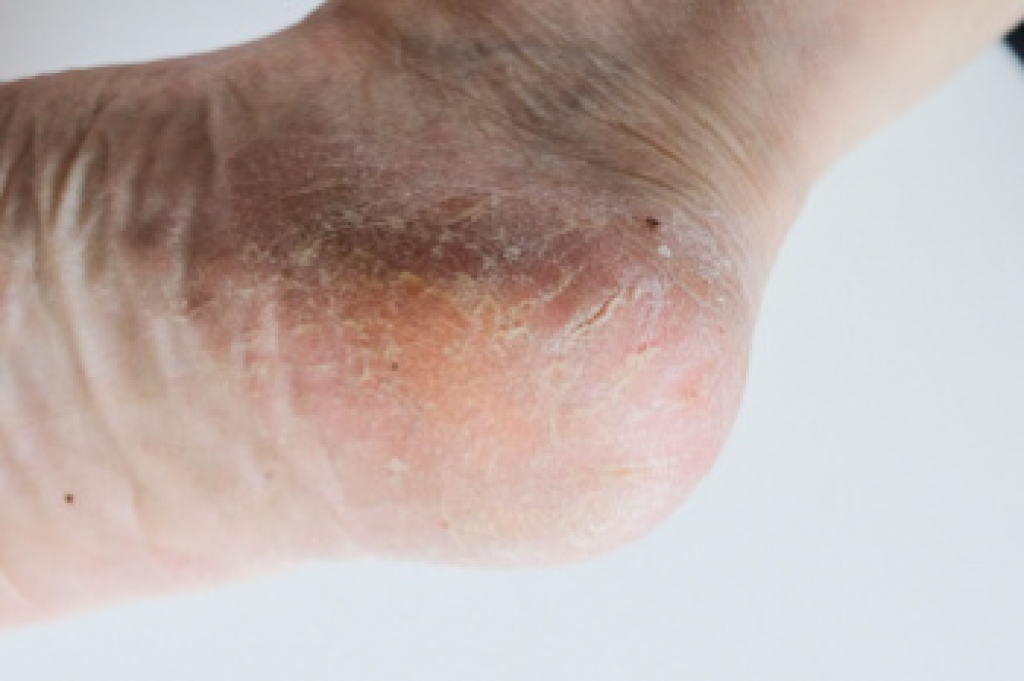
Cracked heels, also known as heel fissures, are a common foot condition where the skin on the heels becomes dry, thick, and cracked. These fissures can range from superficial to deep, causing pain and discomfort, and in severe cases, bleeding and infection. Cracked heels can significantly threaten mobility, making walking or standing painful and challenging. Risk factors include prolonged standing, obesity, wearing open-back shoes, and having dry skin or certain medical conditions such as diabetes and hypothyroidism. Additionally, aging can reduce skin elasticity, increasing the likelihood of developing cracked heels. Maintaining proper foot hygiene, moisturizing regularly, and wearing supportive footwear can help prevent and manage this condition, ensuring that mobility is not compromised and the risk of complications is minimized.

Cracked heels are unsightly and can cause further damage to your shoes and feet. If you have any concerns, contact Steven Black, DPM from California . Our doctor can provide the care you need to keep you pain-free and on your feet.

Cracked Heels

Cracked heels appear unappealing and can make it harder for you walk around in sandals. Aside from looking unpleasant, cracked heels can also tear stockings, socks, and wear out your shoes. There are several methods to help restore a cracked heel and prevent further damage.

How Do You Get Them?

Dry skin is the number one culprit in creating cracked heels. Many athletes, walkers, joggers, and even swimmers suffer from cracked heels. Age and skin oil production play a role to getting cracked heels as well.

Promote Healing

Over the counter medicines can help, especially for those that need instant relief or who suffer from chronic dry feet.

Wear Socks – Wearing socks with medicated creams helps lock in moisture.

Moisturizers – Applying both day and night will help alleviate dryness which causes cracking.

Pumice Stones – These exfoliate and remove dead skin, which allows for smoother moisturizer application and better absorption into the skin. 

Change in Diet

Eating healthy with a well-balanced diet will give the skin a fresh and radiant look. Your body responds to the kinds of food you ingest. Omega-3 fatty acids and zinc supplements can also revitalize skin tissue.

Most importantly, seek professional help if unsure how to proceed in treating cracked heels. A podiatrist will help you with any questions or information needed. 

If you have any questions, please feel free to contact our office located in Lancaster, CA . We offer the newest diagnostic and treatment technologies for all your foot care needs.

Read more about Solutions for Cracked Heels

Ingrown Toenails Are a Serious Foot Condition

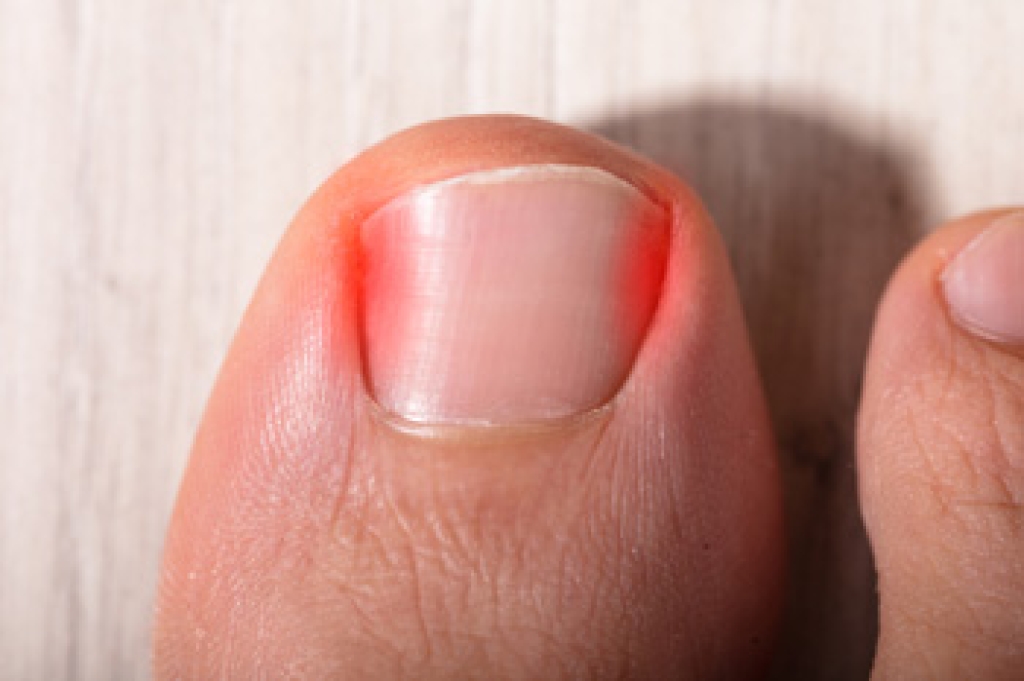
Ingrown toenails occur when the edge of a toenail grows into the surrounding skin, causing pain, swelling, and sometimes infection. They often result from improper nail trimming, wearing tight footwear, or injury to the toe. Genetic predisposition and certain activities that put pressure on the toes, such as running or ballet, can also contribute to this condition. People with curved or thick nails are more susceptible to ingrown toenails. Symptoms include redness, tenderness, and sometimes pus if an infection develops. If left untreated, the pain can intensify, making walking difficult. To find relief for an ingrown toenail, soak the foot in warm water to reduce swelling, and gently lift the nail away from the skin using a cotton ball or dental floss. Prevent ingrown toenails by trimming nails straight across, wearing properly fitting shoes, and avoiding trauma to the toes. If you have a persistent or severe ingrown toenail, it is suggested that you schedule an appointment with a podiatrist for professional treatment and guidance. 

Ingrown toenails may initially present themselves as a minor discomfort, but they may progress into an infection in the skin without proper treatment. For more information about ingrown toenails, contact Steven Black, DPM of California . Our doctor can provide the care you need to keep you pain-free and on your feet.

Ingrown Toenails

Ingrown toenails are caused when the corner or side of a toenail grows into the soft flesh surrounding it. They often result in redness, swelling, pain, and in some cases, infection. This condition typically affects the big toe and may recur if it is not treated properly.

Causes

  • Improper toenail trimming
  • Genetics
  • Improper shoe fitting
  • Injury from pedicures or nail picking
  • Abnormal gait
  • Poor hygiene

You are more likely to develop an ingrown toenail if you are obese, have diabetes, arthritis, or have any fungal infection in your nails. Additionally, people who have foot or toe deformities are at a higher risk of developing an ingrown toenail.

Symptoms

Some symptoms of ingrown toenails are redness, swelling, and pain. In rare cases, there may be a yellowish drainage coming from the nail.

Treatment

Ignoring an ingrown toenail can have serious complications. Infections of the nail border can progress to a deeper soft-tissue infection, which can then turn into a bone infection. You should always speak with your podiatrist if you suspect you have an ingrown toenail, especially if you have diabetes or poor circulation.

If you have any questions, please feel free to contact our office located in Lancaster, CA . We offer the newest diagnostic and treatment technologies for all your foot care needs.

Read more about Ingrown Toenail Care

We Can Treat Your Foot or Ankle Pain

Foot or ankle pain can negatively affect your day-to-day life and can occur due to several different conditions. Pain can also be an indicator of a more serious underlying condition, which is why you should seek professional help as soon as you notice any abnormalities in your feet.

Lupus and the Feet

Lupus, an autoimmune disease, can significantly affect the bones, joints, and muscles in the feet, leading to various complications. This condition causes the immune system to attack healthy tissues, resulting in inflammation and damage. In the feet, lupus commonly leads to arthritis, causing joint pain, swelling, and stiffness. Tendonitis, an inflammation of the tendons, is also frequent, causing pain and difficulty in movement. Additionally, tendon laxity, or the loosening of tendons, can occur, causing instability and increasing the risk of sprains. One severe complication of lupus is avascular necrosis, where reduced blood flow to the bones leads to bone tissue death. This condition can cause severe pain and lead to bone collapse if untreated. Managing lupus symptoms requires early intervention and proper care. If you have this disease and are experiencing foot-related issues, it is strongly suggested that you schedule an appointment with a podiatrist for personalized treatment and to address your specific problems.

When dealing with systemic disease of the feet, it is extremely important to check the affected areas routinely so that any additional problems are caught quickly.  If you have any concerns about your feet and ankles contact Steven Black, DPM from California . Our doctor will assist you with all of your podiatric needs.

Systemic Diseases of the Feet

Systemic diseases affect the whole body, and symptoms usually are displayed in the feet. This condition can make a patient’s ability to walk unbearable.  Systemic diseases include gout, diabetes mellitus, neurological disorders, and arthritis.

Gout – is caused by an excess of uric acid in the body. Common symptoms include pain, inflammation, and redness at the metatarsal/phalangeal joint of the base big toe. Gout can be treated by NSAIDs to relieve pain and inflammation, and other drugs that lower the acid levels in the body.

Diabetes mellitus – is an increase in the level of blood sugar that the body cannot counteract with its own insulin. Failure to produce enough insulin is a factor in Diabetes.

Diabetes of the Feet

Diabetic Neuropathy – may lead to damaged nerves and affect the feet through numbness and loss of sensation.

Peripheral Vascular Disease – can restrict the blood flow to the feet, and often times lead to amputation of the feet. 

If you have any questions please contact our office located in Lancaster, CA . We offer the newest diagnostic and treatment technologies for all your foot and ankle needs.

Read more about Systemic Diseases of the Foot

Connect With Us