
Definition and Career Path of a Podiatrist

Podiatry, a specialized branch of medicine, focuses on the diagnosis and treatment of disorders and conditions related to the feet and lower extremities. A podiatrist, also known as a Doctor of Podiatric Medicine, or DPM, is a healthcare professional who specializes in caring for the health and well-being of the feet. Their expertise encompasses a wide range of conditions, including foot and ankle injuries, diabetes-related foot problems, and structural issues. To become a podiatrist, one typically follows a rigorous educational path. This begins with completing a bachelor's degree, followed by enrollment in a Doctor of Podiatric Medicine, or DPM program, which is a four-year professional degree program. After earning the DPM degree, aspiring podiatrists typically undergo a residency program to gain hands-on experience in various clinical settings. Podiatrists then can choose to pursue board certification in a specific area of podiatric medicine, such as surgery or sports medicine, to further specialize in their field. If you have foot or ankle problems or are interested in pursuing podiatry as a career path, it is suggested that you speak with this type of doctor.

If you are dealing with pain in your feet and ankles, you may want to seek help from a podiatrist. Feel free to contact Steven Black, DPM from California . Our doctor can provide the care you need to keep you pain-free and on your feet.

What Is a Podiatrist?

A podiatrist is a doctor of podiatric medicine who diagnoses and treats conditions of the foot, ankle, and related structures of the leg. Your podiatrist may specialize in a certain field such as sports medicine, wound care, pediatrics, and diabetic care. Podiatrists have the ability to become board certified through training, clinical experience, and then taking an exam.

What Do Podiatrists Do?

On a daily basis, a podiatrist may perform the following activities:

  • Diagnose foot ailments such as ulcers, tumors, fractures, etc.
  • Use innovative methods to treat conditions
  • Use corrective orthotics, casts, and strappings to correct deformities
  • Correct walking patterns and balance
  • Provide individual consultations to patients

It is very important that you take care of your feet. It’s easy to take having healthy feet for granted, however foot problems tend to be among the most common health conditions. Podiatrists can help diagnose and treat a variety of feet related conditions, so it is crucial that you visit one if you need assistance.

If you have any questions, please feel free to contact our office located in Lancaster, CA . We offer the newest diagnostic and treatment technologies for all your foot care needs.

Read more about What is a Podiatrist?

Causes and Symptoms of Athlete’s Foot

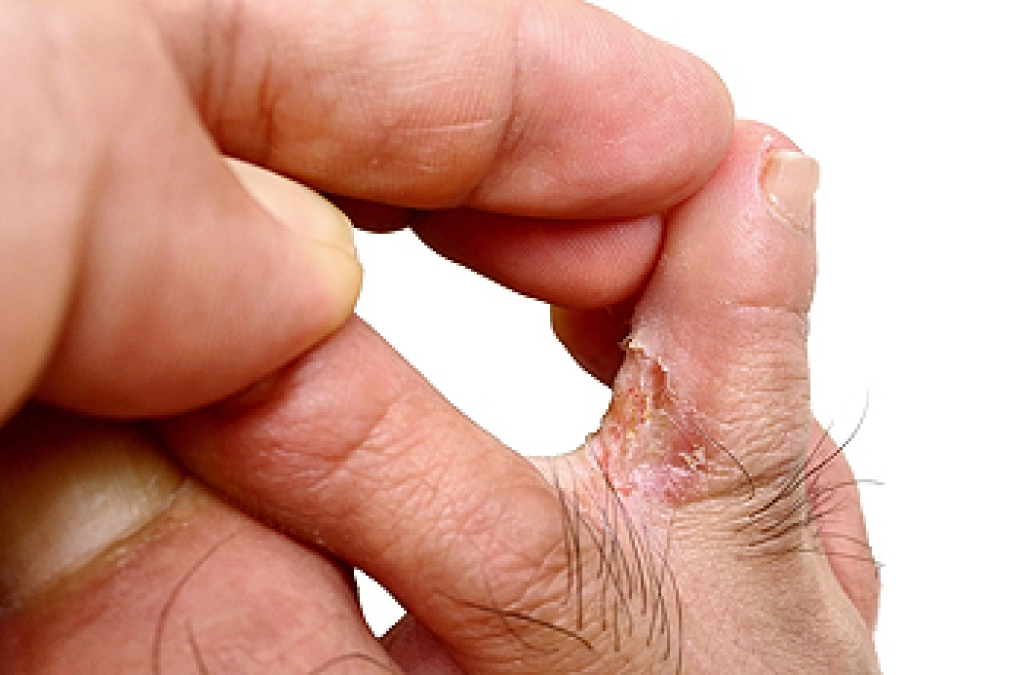
Athlete's foot, also known as tinea pedis, is a common fungal infection that affects the feet. It is caused by dermatophytes, a type of fungus that thrives in warm and moist environments. This condition can be uncomfortable, and if left untreated, it may lead to more serious complications. Athlete's foot is primarily caused by fungi that invade the dead outer layers of the skin. Common factors that contribute to the development of athlete's foot can include wearing poorly ventilated shoes, sweaty feet, contact with contaminated surfaces, and sharing footwear. Symptoms of athlete's foot often include scaling and peeling of the skin, especially in the toe webs, itching, or odor. The infection may also affect the soles of the feet, leading to redness, blistering, and peeling along the sides and soles. In advanced cases, there may be severe itching, a foul odor, painful cracking between the toes, and oozing. Symptoms, such as redness and swelling, areas of pus, or severe pain, may indicate a more serious infection that requires immediate medical attention to prevent further complications. For help managing athlete’s foot infections, it is suggested that you make an appointment with a podiatrist.

Athlete’s Foot

Athlete’s foot is often an uncomfortable condition to experience. Thankfully, podiatrists specialize in treating athlete’s foot and offer the best treatment options. If you have any questions about athlete’s foot, consult with Steven Black, DPM from California . Our doctor will assess your condition and provide you with quality treatment.

What Is Athlete’s Foot?

Tinea pedis, more commonly known as athlete’s foot, is a non-serious and common fungal infection of the foot. Athlete’s foot is contagious and can be contracted by touching someone who has it or infected surfaces. The most common places contaminated by it are public showers, locker rooms, and swimming pools. Once contracted, it grows on feet that are left inside moist, dark, and warm shoes and socks.

Prevention

The most effective ways to prevent athlete’s foot include:

  • Thoroughly washing and drying feet
  • Avoid going barefoot in locker rooms and public showers
  • Using shower shoes in public showers
  • Wearing socks that allow the feet to breathe
  • Changing socks and shoes frequently if you sweat a lot

Symptoms

Athlete’s foot initially occurs as a rash between the toes. However, if left undiagnosed, it can spread to the sides and bottom of the feet, toenails, and if touched by hand, the hands themselves. Symptoms include:

  • Redness
  • Burning
  • Itching
  • Scaly and peeling skin

Diagnosis and Treatment

Diagnosis is quick and easy. Skin samples will be taken and either viewed under a microscope or sent to a lab for testing. Sometimes, a podiatrist can diagnose it based on simply looking at it. Once confirmed, treatment options include oral and topical antifungal medications.

If you have any questions, please feel free to contact our office located in Lancaster, CA . We offer the newest diagnostic and treatment technologies for all your foot care needs.
Read more about Athlete's Foot

Ease Painful Feet With Orthotics

Custom orthotics can be used to relieve foot pain and discomfort. They're also used to treat various foot conditions and deformities. Flat feet, bunions, and Morton's neuroma are just a few of the foot conditions that have been known to benefit from the use of orthotics.

Comfy feet are happy feet! Contact us today.

Difficult Identification of Cuboid Syndrome

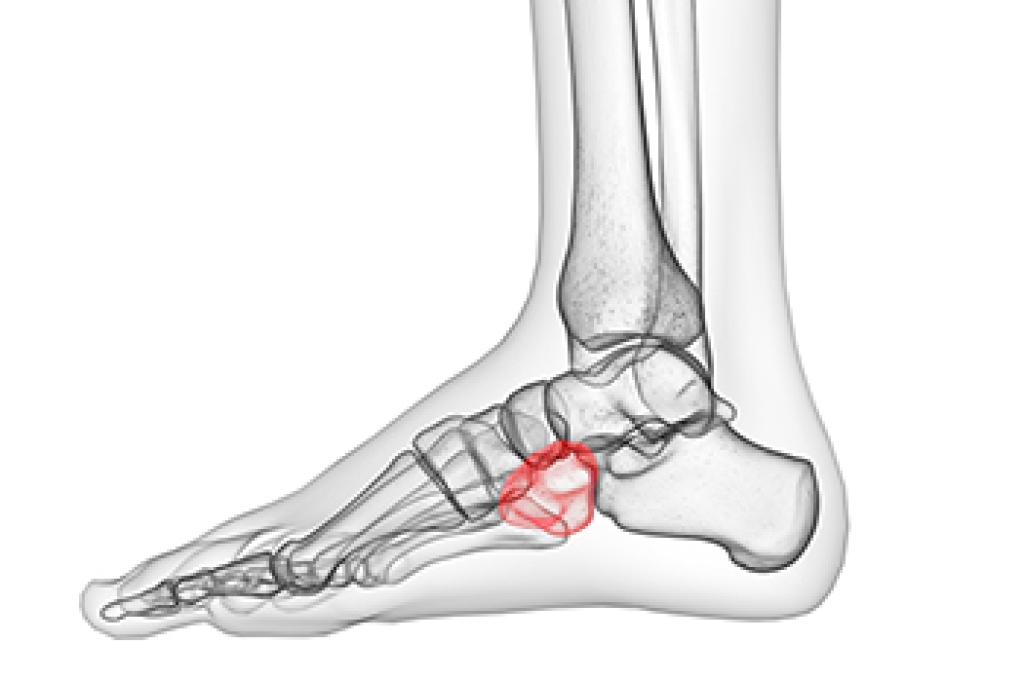
Cuboid syndrome has numerous alternate names, such as cuboid fault syndrome or lateral plantar neuritis. It manifests primarily as pain on the foot's outer edge, which stems from a misalignment of the cuboid bone. Located centrally within the foot, this bone connects seamlessly with other bones and is anchored by ligaments and tendons. A crucial joint in this context is the calcaneocuboid joint, vital for foot stability and motion. Problems arise when the bone displaces from its position, resulting in symptoms like pain, restricted motion, and challenges in weight-bearing. The diagnosis of cuboid syndrome often remains elusive as other issues can lead to lateral foot pain, such as gout, compression neuropathy, and tendinopathy. If cuboid syndrome is the culprit, treatment typically focuses on bone manipulation, with persistent cases demanding further interventions. If you have lateral foot pain, it is suggested that you make an appointment with a podiatrist for an examination, diagnosis, and treatment for its cause.

Cuboid syndrome, also known as cuboid subluxation, occurs when the joints and ligaments near the cuboid bone in the foot become torn. If you have cuboid syndrome, consult with Steven Black, DPM from California . Our doctor will assess your condition and provide you with quality foot and ankle treatment.

Cuboid syndrome is a common cause of lateral foot pain, which is pain on the outside of the foot. The condition may happen suddenly due to an ankle sprain, or it may develop slowly overtime from repetitive tension through the bone and surrounding structures.

Causes

The most common causes of cuboid syndrome include:

  • Injury – The most common cause of this ailment is an ankle sprain.
  • Repetitive Strain – Tension placed through the peroneus longus muscle from repetitive activities such as jumping and running may cause excessive traction on the bone causing it to sublux.
  • Altered Foot Biomechanics – Most people suffering from cuboid subluxation have flat feet.

Symptoms

A common symptom of cuboid syndrome is pain along the outside of the foot which can be felt in the ankle and toes. This pain may create walking difficulties and may cause those with the condition to walk with a limp.

Diagnosis

Diagnosis of cuboid syndrome is often difficult, and it is often misdiagnosed. X-rays, MRIs and CT scans often fail to properly show the cuboid subluxation. Although there isn’t a specific test used to diagnose cuboid syndrome, your podiatrist will usually check if pain is felt while pressing firmly on the cuboid bone of your foot.

Treatment

Just as the range of causes varies widely, so do treatments. Some more common treatments are ice therapy, rest, exercise, taping, and orthotics.

If you have any questions, please feel free to contact our office located in Lancaster, CA . We offer the newest diagnostic and treatment technologies for all your foot care needs.

Read more about All About Cuboid Syndrome

The Seriousness of Foot Pain

Foot pain can be more than just an inconvenience, it can be a warning sign of underlying health issues. Various health conditions can manifest through foot pain. For instance, a malfunctioning thyroid gland can affect nerve sensation in your feet. Similarly, degenerative changes in your lower back could irritate spinal nerves, impacting foot health. Peripheral arterial disease, or PAD, results from plaque buildup in leg arteries, causing foot pain and increasing the risk of heart attack and stroke. Rheumatoid arthritis is another culprit that can result in foot and ankle symptoms and severely alter the shape of your feet over time. Additionally, gout results from uric acid buildup, causing intense foot pain. Diabetes can damage nerves and blood vessels in the feet, leading to numbness and infections. Ignoring foot pain can be perilous. Not only could it indicate a localized issue, but it may also be a symptom of more systemic health problems. Therefore, if you have chronic or severe foot pain, it is strongly suggested that you make an appointment with a podiatrist for a proper diagnosis and individualized treatment.

Foot Pain

Foot pain can be extremely painful and debilitating. If you have a foot pain, consult with Steven Black, DPM from California . Our doctor will assess your condition and provide you with quality foot and ankle treatment.

Causes

Foot pain is a very broad condition that could be caused by one or more ailments. The most common include:

  • Bunions
  • Hammertoes
  • Plantar Fasciitis
  • Bone Spurs
  • Corns
  • Tarsal Tunnel Syndrome
  • Ingrown Toenails
  • Arthritis (such as Gout, Rheumatoid, and Osteoarthritis)
  • Flat Feet
  • Injury (from stress fractures, broken toe, foot, ankle, Achilles tendon ruptures, and sprains)
  • And more

Diagnosis

To figure out the cause of foot pain, podiatrists utilize several different methods. This can range from simple visual inspections and sensation tests to X-rays and MRI scans. Prior medical history, family medical history, and any recent physical traumatic events will all be taken into consideration for a proper diagnosis.

Treatment

Treatment depends upon the cause of the foot pain. Whether it is resting, staying off the foot, or having surgery; podiatrists have a number of treatment options available for foot pain.

If you have any questions, please feel free to contact our office located in Lancaster, CA . We offer the newest diagnostic and treatment technologies for all your foot care needs.

Read more about Foot Pain

Connect With Us