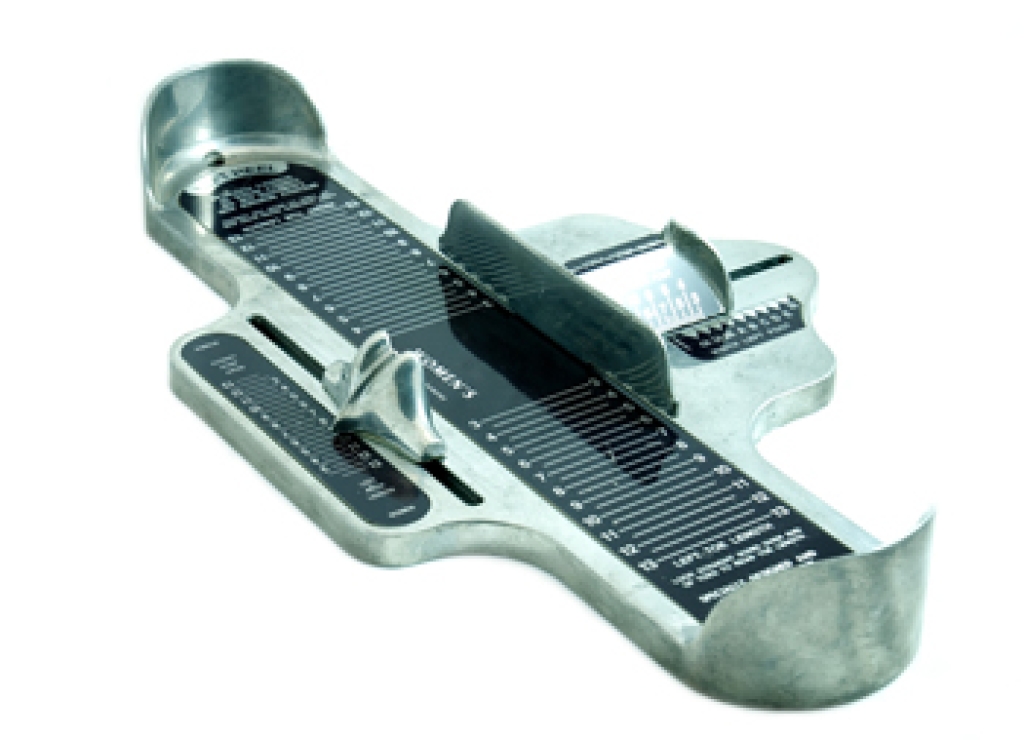
Art of Shoe Sizing with the Brannock Device

In the realm of footwear, the quest for the perfect fit begins with precision in measurement, and the venerable Brannock device stands as an iconic ally in this pursuit. It has been known to accurately measure foot size, which is vital to buying shoes that fit correctly. Wearing shoes that are either too snug or excessively loose can result in discomfort as well as various foot issues. Prolonged use of ill-fitting shoes can contribute to the development of toe deformities, corns, and calluses. Plus, with age, your feet undergo slight alterations in both length and width. Therefore, it becomes necessary to regularly measure your feet, especially if your once-comfortable shoes are now causing foot problems. Developed in the early 20th century, the Brannock device provides a comprehensive assessment of your foot’s dimensions. Start by placing the heel snugly against the back of the device and spreading the toes naturally along its width. This is how accurate foot measurements are taken. If you are having trouble determining your shoe size, or are experiencing foot pain caused by your shoes, it is suggested that you make an appointment with a podiatrist.

Getting the right shoe size is an important part of proper foot health. Seek the assistance of Steven Black, DPM from California . Our doctor will provide the care you need to keep you pain-free and on your feet.

Getting the Right Shoe Size

There are many people who wear shoes that are the incorrect size, negatively affecting their feet and posture. Selecting the right shoes is not a difficult process, so long as you keep several things in mind when it comes to choosing the right pair.

  • When visiting the shoe store, use the tools available to measure your foot.
  • Be sure there is ‘wiggle room’. There should be about an inch between your toes and the tip of your shoes.
  • Do not always assume you are the same size, as manufacturers run differently.
  • Purchase shoes later in the day, as your feet swell as the day progresses.
  • If a shoe is not comfortable, it is not suitable. Most shoes can’t be ‘broken in’, and comfort should be the ultimate goal when it comes to choosing the right pair of shoes

As our feet hold our body weight and keep us moving, it is important to treat them right. Picking the right pair of shoes can provide your feet comfort and mobility without pain.

If you have any questions, please feel free to contact our office located in Lancaster, CA . We offer the newest diagnostic and treatment technologies for all your foot care needs.

Read more about Getting the Right Shoe Size: To Keep Your Feet Happy

Gout Pain Can Be Managed

Gout is a painful, inflammatory form of arthritis. Those affected will typically feel an intense stiffness in the joints of their feet, particularly in the big toe. Schedule a visit to learn about how gout can be managed and treated.

Podiatric Care For Morton’s Neuroma

Morton's neuroma is a condition that affects the forefoot. Despite its name, it is not a true neuroma but rather a result of nerve fibrosis. This fibrosis occurs due to pressure or repetitive irritation, resulting in the thickening of the digital nerve, typically found in the third or second intermetatarsal space. Managing Morton's neuroma involves various treatment options. Orthotics, which are custom-made shoe inserts, can provide relief by altering foot mechanics and reducing pressure on the affected nerve. Steroid injections can also be administered to alleviate inflammation and pain. In more severe cases, surgical excision may be necessary, typically performed through a dorsal approach. Successful management of Morton's neuroma relies on several critical factors. If you feel you have Morton’s neuroma, it is suggested that you schedule an appointment with a podiatrist. A thorough examination is essential to accurately diagnose and treat this condition.

Morton’s neuroma is a very uncomfortable condition to live with. If you think you have Morton’s neuroma, contact Steven Black, DPM of California . Our doctor will attend to all of your foot care needs and answer any of your related questions.  

Morton’s Neuroma

Morton's neuroma is a painful foot condition that commonly affects the areas between the second and third or third and fourth toe, although other areas of the foot are also susceptible. Morton’s neuroma is caused by an inflamed nerve in the foot that is being squeezed and aggravated by surrounding bones.

What Increases the Chances of Having Morton’s Neuroma?

  • Ill-fitting high heels or shoes that add pressure to the toe or foot
  • Jogging, running or any sport that involves constant impact to the foot
  • Flat feet, bunions, and any other foot deformities

Morton’s neuroma is a very treatable condition. Orthotics and shoe inserts can often be used to alleviate the pain on the forefront of the feet. In more severe cases, corticosteroids can also be prescribed. In order to figure out the best treatment for your neuroma, it’s recommended to seek the care of a podiatrist who can diagnose your condition and provide different treatment options.

If you have any questions, please feel free to contact our office located in Lancaster, CA . We offer the newest diagnostic and treatment technologies for all your foot care needs.
Read more about Morton's Neuroma

Defining and Diagnosing Foot Fractures

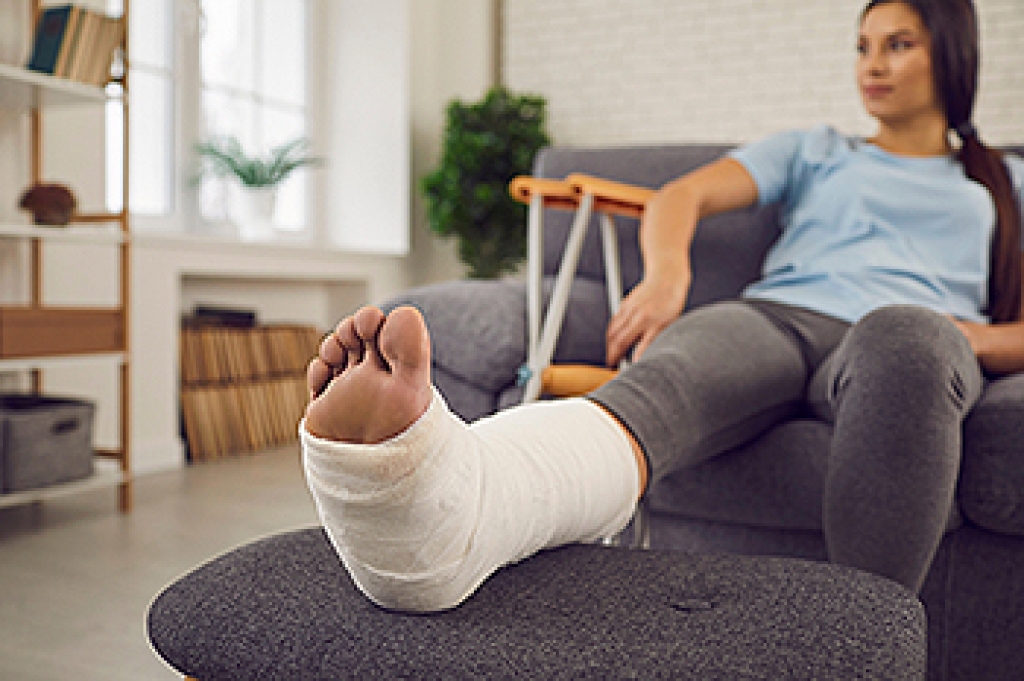
A foot fracture, also known as a broken foot, refers to the break or crack in one or more of the bones within the foot. These fractures can result from various incidents, such as traumatic injuries, repetitive stress, or weakened bone structure. Diagnosing a foot fracture often involves a combination of physical examination and diagnostic imaging. The podiatrist will assess the injured area, looking for signs like pain, tenderness, swelling, deformity, and impaired range of motion. X-rays are the most common imaging tool used to confirm the diagnosis, allowing podiatrists to determine the type and location of the fracture accurately. Understanding the definition and diagnosis of a foot fracture is crucial for proper treatment and recovery. Whether it is a stress fracture from overuse or a traumatic injury, early diagnosis and appropriate management are essential for optimal healing and the restoration of normal foot function. If you have broken your foot, it is suggested that you consult a podiatrist who can provide one of several treatment options that are right for you.

A broken foot requires immediate medical attention and treatment. If you need your feet checked, contact Steven Black, DPM from California . Our doctor can provide the care you need to keep you pain-free and on your feet.

Broken Foot Causes, Symptoms, and Treatment

A broken foot is caused by one of the bones in the foot typically breaking when bended, crushed, or stretched beyond its natural capabilities. Usually the location of the fracture indicates how the break occurred, whether it was through an object, fall, or any other type of injury. 

Common Symptoms of Broken Feet:

  • Bruising
  • Pain
  • Redness
  • Swelling
  • Blue in color
  • Numbness
  • Cold
  • Misshapen
  • Cuts
  • Deformities

Those that suspect they have a broken foot shoot seek urgent medical attention where a medical professional could diagnose the severity.

Treatment for broken bones varies depending on the cause, severity and location. Some will require the use of splints, casts or crutches while others could even involve surgery to repair the broken bones. Personal care includes the use of ice and keeping the foot stabilized and elevated.

If you have any questions, please feel free to contact our office located in Lancaster, CA . We offer the newest diagnostic and treatment technologies for all your foot care needs.
Read more about Causes, Symptoms, and Treatment for a Broken Foot

Definition and Types of Achilles Tendon Injuries

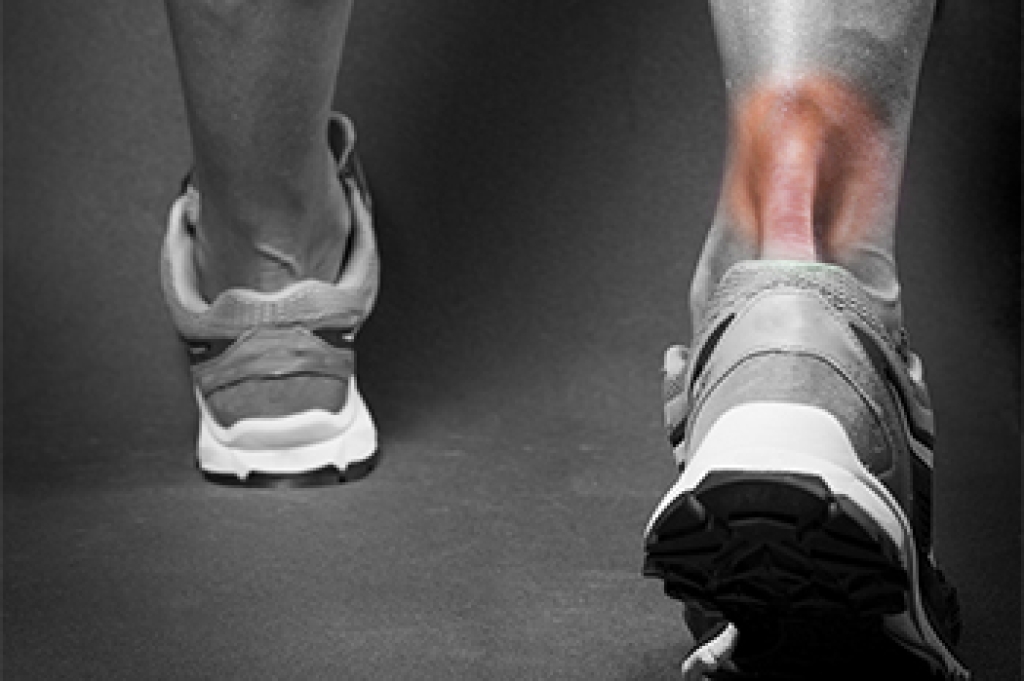
The Achilles tendon, a strong band of tissue connecting the calf muscles to the heel bone, is instrumental in facilitating movement, making any injury to this vital structure a significant concern. Achilles tendon injuries encompass a spectrum of conditions, each demanding unique considerations. Tendonitis, an inflammatory response, results from overuse or strain on the tendon, leading to pain and swelling. Tendinosis, a chronic degeneration of the tendon, may occur without apparent inflammation, often presenting as long-term pain. Achilles tendon ruptures, though less common, involve a partial or complete tear, typically characterized by a sudden, severe pain. Understanding these types of Achilles tendon injuries is vital for an accurate diagnosis and tailored treatment plans. An Achilles tendon injury is treated by a podiatrist. If you have injured this part of your foot, it is suggested that you contact a podiatrist who can effectively treat this condition.

Achilles tendon injuries need immediate attention to avoid future complications. If you have any concerns, contact Steven Black, DPM of California . Our doctor can provide the care you need to keep you pain-free and on your feet.

What Is the Achilles Tendon?

The Achilles tendon is a tendon that connects the lower leg muscles and calf to the heel of the foot. It is the strongest tendon in the human body and is essential for making movement possible. Because this tendon is such an integral part of the body, any injuries to it can create immense difficulties and should immediately be presented to a doctor.

What Are the Symptoms of an Achilles Tendon Injury?

There are various types of injuries that can affect the Achilles tendon. The two most common injuries are Achilles tendinitis and ruptures of the tendon.

Achilles Tendinitis Symptoms

  • Inflammation
  • Dull to severe pain
  • Increased blood flow to the tendon
  • Thickening of the tendon

Rupture Symptoms

  • Extreme pain and swelling in the foot
  • Total immobility

Treatment and Prevention

Achilles tendon injuries are diagnosed by a thorough physical evaluation, which can include an MRI. Treatment involves rest, physical therapy, and in some cases, surgery. However, various preventative measures can be taken to avoid these injuries, such as:

  • Thorough stretching of the tendon before and after exercise
  • Strengthening exercises like calf raises, squats, leg curls, leg extensions, leg raises, lunges, and leg presses

If you have any questions please feel free to contact our office located in Lancaster, CA . We offer the newest diagnostic tools and technology to treat your foot and ankle needs.

Read more about What are Achilles Tendon Injuries

Connect With Us