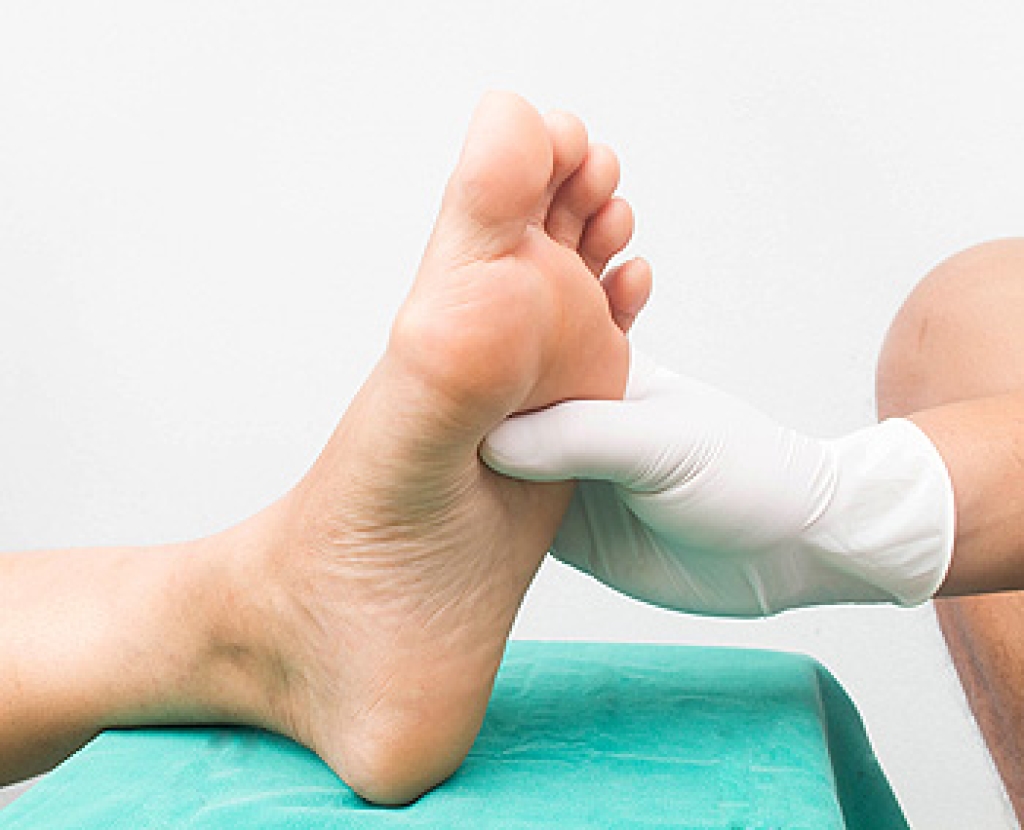
Effective Diabetic Foot Care Routines

Diabetes is a serious health condition that may eventually affect the feet. It is a common occurrence among diabetic patients, and keeping a close eye on blood sugar levels may help to prevent diabetic foot ulcers. People who have diabetes may be prone to developing neuropathy, which is nerve damage that is caused by high sugar levels. This can cause the inability to feel existing cuts, bruises, or scrapes that have developed, increasing the importance of performing daily self examinations. This can be done by using a mirror to detect small cuts, or an available family member or caregiver may be able to assist with this. Diabetic foot care consists of trimming the toenails weekly and washing and drying the feet thoroughly. It is beneficial to refrain from participating in activities that can injure the feet, in addition to wearing shoes and socks that fit correctly. The risk of developing foot conditions may be reduced when glucose levels are controlled by being closely monitored. If you have diabetes, it is strongly suggested that you are under the care of a podiatrist who can help you to manage this condition.

Diabetic foot care is important in preventing foot ailments such as ulcers. If you are suffering from diabetes or have any other concerns about your feet, contact Steven Black, DPM from California . Our doctor can provide the care you need to keep you pain-free and on your feet.

Diabetic Foot Care

Diabetes affects millions of people every year. The condition can damage blood vessels in many parts of the body, especially the feet. Because of this, taking care of your feet is essential if you have diabetes, and having a podiatrist help monitor your foot health is highly recommended.

The Importance of Caring for Your Feet

  • Routinely inspect your feet for bruises or sores.
  • Wear socks that fit your feet comfortably.
  • Wear comfortable shoes that provide adequate support.

Patients with diabetes should have their doctor monitor their blood levels, as blood sugar levels play such a huge role in diabetic care. Monitoring these levels on a regular basis is highly advised.

It is always best to inform your healthcare professional of any concerns you may have regarding your feet, especially for diabetic patients. Early treatment and routine foot examinations are keys to maintaining proper health, especially because severe complications can arise if proper treatment is not applied.

If you have any questions, please feel free to contact our office located in Lancaster, CA . We offer the newest diagnostic and treatment technologies for all your foot care needs.
Read more about How to Care for Diabetic Foot

Benefits of Bunion Surgery

Many people who have developed bunions opt to have surgery performed for permanent removal. This type of foot surgery may be preferred if the bunion is severe, causes pain, or interferes with daily activities. The goal of having bunion surgery can consist of resuming regular walking again, improving foot mobility, and it can restore normalcy to the appearance of the foot. Most bunion surgeries involve realigning the joints, ligaments, and tendons. Surgery may also correct the position of the big toe. After surgery, recovery begins with keeping the foot stable for several weeks by applying bandages and splints. A boot or shoe may be worn that is designed to take pressure off the front of the foot. If you have a severe bunion and are considering having surgery performed, it is suggested that you confer with a podiatrist who can help you with making this decision.

Foot surgery is sometimes necessary to treat a foot ailment. To learn more, contact Steven Black, DPM of California . Our doctor will assist you with all of your foot and ankle needs.

When Is Surgery Necessary?

Foot and ankle surgery is generally reserved for cases in which less invasive, conservative procedures have failed to alleviate the problem. Some of the cases in which surgery may be necessary include:

  • Removing foot deformities like bunions and bone spurs
  • Severe arthritis that has caused bone issues
  • Cosmetic reconstruction

What Types of Surgery Are There?

The type of surgery you receive will depend on the nature of the problem you have. Some of the possible surgeries include:

  • Bunionectomy for painful bunions
  • Surgical fusion for realignment of bones
  • Neuropathy decompression surgery to treat nerve damage

Benefits of Surgery

Although surgery is usually a last resort, it can provide more complete pain relief compared to non-surgical methods and may allow you to finally resume full activity.

Surgical techniques have also become increasingly sophisticated. Techniques like endoscopic surgery allow for smaller incisions and faster recovery times.

If you have any questions, please feel free to contact our office located in Lancaster, CA . We offer the newest diagnostic and treatment technologies for all your foot care needs.
Read more about Foot and Ankle Surgery

Possible Relief Options for Cracked Heels

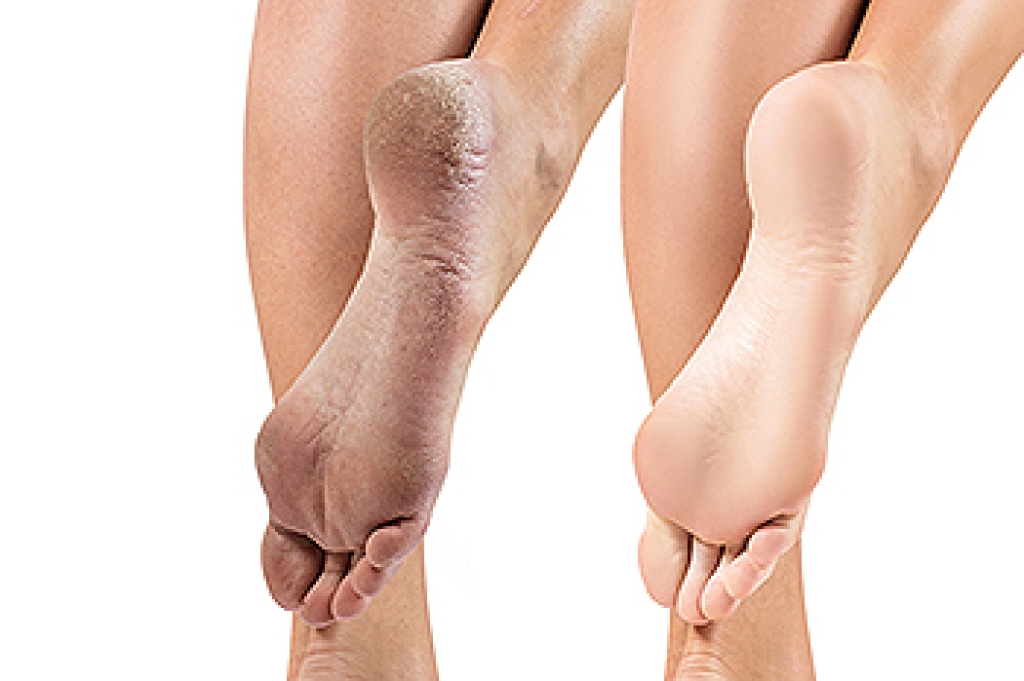
The main reason why cracked heels develop is a lack of moisture in the skin. It can happen for various reasons, consisting of standing on hard surfaces for most of the day and wearing shoes with an open back. Medical conditions such as dermatitis, eczema, psoriasis, or a thyroid disorder regularly have the symptom of cracked heels. Cracked heels can be unsightly and may develop into a serious foot condition if left untreated. The cracks can deepen and bleed, and these are known as fissures. One of the first signs this condition may be developing is thick skin on the edges of the heels. Temporary relief may be found when the feet are soaked in warm water, followed by applying a good moisturizer. Additionally, a pumice stone can be used to remove a portion of the thickened skin, and it may help to wear appropriate shoes that can provide adequate heel support. If you have developed cracked heels, it is suggested that you consult with a podiatrist who can offer you permanent relief, which may come from prescribed medicine.

If the skin on your feet starts to crack, you may want to see a podiatrist to find treatment. If you have any concerns, contact Steven Black, DPM from California . Our doctor can provide the care you need to keep you pain-free and on your feet.

Cracked Heels

It is important to moisturize your cracked heels in order to prevent pain, bleeding, and infection. The reason cracked heels form is because the skin on the foot is too dry to support the immense pressure placed on them. When the foot expands, the dry skin on the foot begins to split.

Ways to Help Heal Them

  • Invest in a good foot cream
  • Try Using Petroleum Jelly
  • Ease up on Soaps
  • Drink Plenty of Water

Ways to Prevent Cracked Heels

  • Moisturize After Showering
  • Skip a Shower
  • Keep Shower Water Lukewarm
  • Don’t Scrub Your Feet

If you are unsure how to proceed in treating cracked heels, seek guidance from a podiatrist. Your doctor will help you with any questions or information you may need. 

If you have any questions, please feel free to contact our office located in Lancaster, CA . We offer the newest diagnostic and treatment technologies for all your foot care needs.

Read more about Solutions for Cracked Heels

A Common Reason to Have Heel Pain

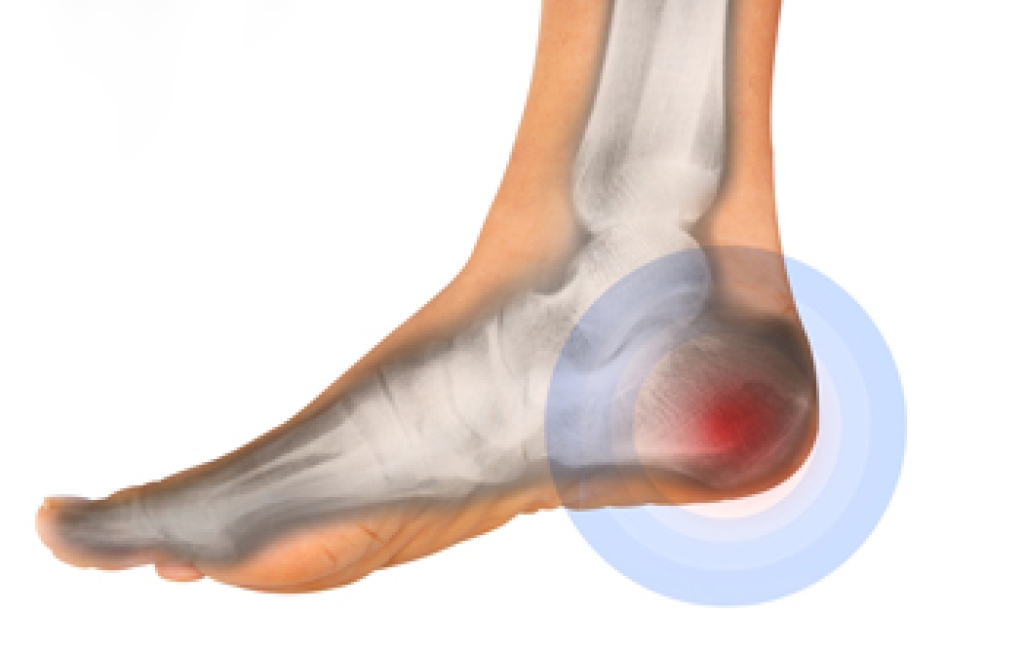
Many people will experience heel pain at some point in their lives. There are various reasons why heel pain can develop, and it may gradually become worse if prompt medical attention is not received. A common cause of heel pain is the foot condition that is known as plantar fasciitis. This happens when the plantar fascia becomes torn or inflamed. This can be a runner’s worst nightmare, and running is often stopped until treatment is completed. Heel pain and the corresponding conditions that caused it may be prevented by losing weight, if applicable, and maintaining healthy eating habits. Additionally, it is beneficial to wear appropriate shoes, and this may include choosing shoes that have a low and cushioned heel. If you have heel pain for any reason, it is suggested that you schedule a consultation with a podiatrist as quickly as possible who can determine the cause and offer correct treatment procedures.

Many people suffer from bouts of heel pain. For more information, contact Steven Black, DPM of California . Our doctor can provide the care you need to keep you pain-free and on your feet.

Causes of Heel Pain

Heel pain is often associated with plantar fasciitis. The plantar fascia is a band of tissues that extends along the bottom of the foot. A rip or tear in this ligament can cause inflammation of the tissue.

Achilles tendonitis is another cause of heel pain. Inflammation of the Achilles tendon will cause pain from fractures and muscle tearing. Lack of flexibility is also another symptom.

Heel spurs are another cause of pain. When the tissues of the plantar fascia undergo a great deal of stress, it can lead to ligament separation from the heel bone, causing heel spurs.

Why Might Heel Pain Occur?

  • Wearing ill-fitting shoes                
  • Wearing non-supportive shoes
  • Weight change           
  • Excessive running

Treatments

Heel pain should be treated as soon as possible for immediate results. Keeping your feet in a stress-free environment will help. If you suffer from Achilles tendonitis or plantar fasciitis, applying ice will reduce the swelling. Stretching before an exercise like running will help the muscles. Using all these tips will help make heel pain a condition of the past.

If you have any questions, please feel free to contact our office located in Lancaster, CA . We offer the newest diagnostic and treatment technologies for all your foot care needs.

Read more about Heel Pain

Connect With Us