
Do you suffer from heel pain when you get up in the morning? If so, you should seek professional help and have a proper diagnosis performed. Heel pain can be caused by several different foot-related conditions.
Do you suffer from heel pain when you get up in the morning? If so, you should seek professional help and have a proper diagnosis performed. Heel pain can be caused by several different foot-related conditions.
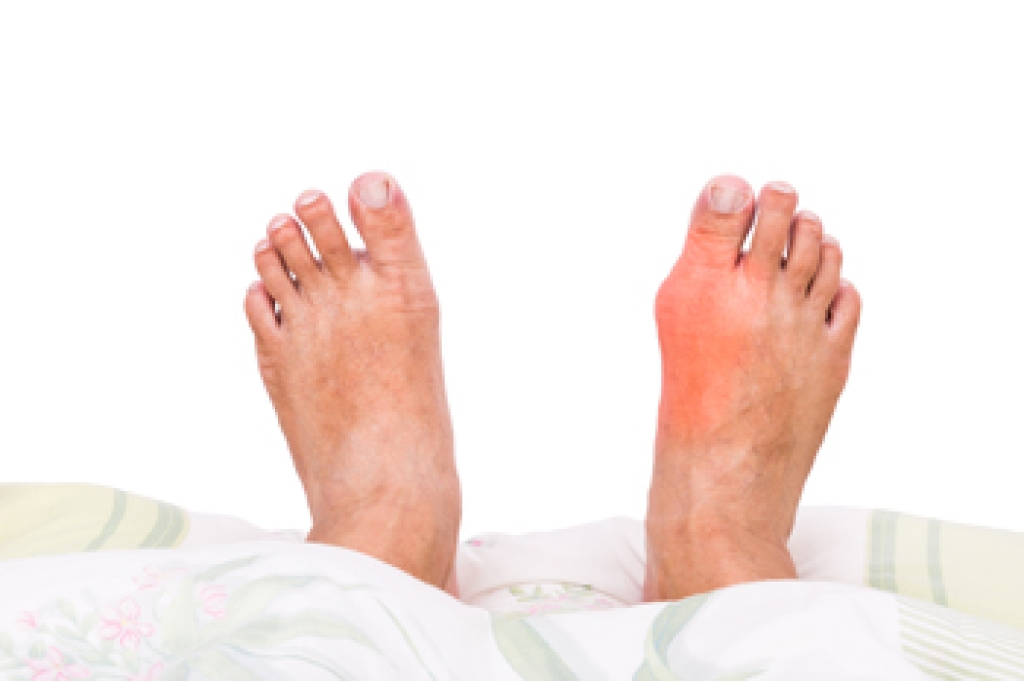
Bunions manifest primarily as the big toe angling towards the other toes, causing a bony protrusion on the inner edge of the foot. Symptoms include pain, swelling, callused skin, and foot shape changes. Treatment aims to alleviate discomfort and may involve painkillers, orthotics, or surgery for severe cases. Untreated bunions can worsen and lead to complications like arthritis or toe misalignment. Bunions are more prevalent in women, possibly due to footwear choices like high heels. Other causes of bunions include genetics, arthritis, and ill-fitting shoes. Prevention involves wearing properly fitting shoes with ample toe room, and avoiding tight or high-heeled footwear. Surgery is often the only solution for severe cases but may not guarantee complete recovery. If you have a bunion that causes you pain, it is suggested that you make appointments with a podiatrist for regular monitoring and treatment.
If you are suffering from bunion pain, contact Steven Black, DPM of California . Our doctor can provide the care you need to keep you pain-free and on your feet.
What Is a Bunion?
Bunions are painful bony bumps that usually develop on the inside of the foot at the joint of the big toe. As the deformity increases over time, it may become painful to walk and wear shoes. Women are more likely to exacerbate existing bunions since they often wear tight, narrow shoes that shift their toes together. Bunion pain can be relieved by wearing wider shoes with enough room for the toes.
Causes
Symptoms
In order to diagnose your bunion, your podiatrist may ask about your medical history, symptoms, and general health. Your doctor might also order an x-ray to take a closer look at your feet. Nonsurgical treatment options include orthotics, padding, icing, changes in footwear, and medication. If nonsurgical treatments don’t alleviate your bunion pain, surgery may be necessary.
If you have any questions, please feel free to contact our office located in Lancaster, CA . We offer the newest diagnostic and treatment technologies for all your foot care needs.
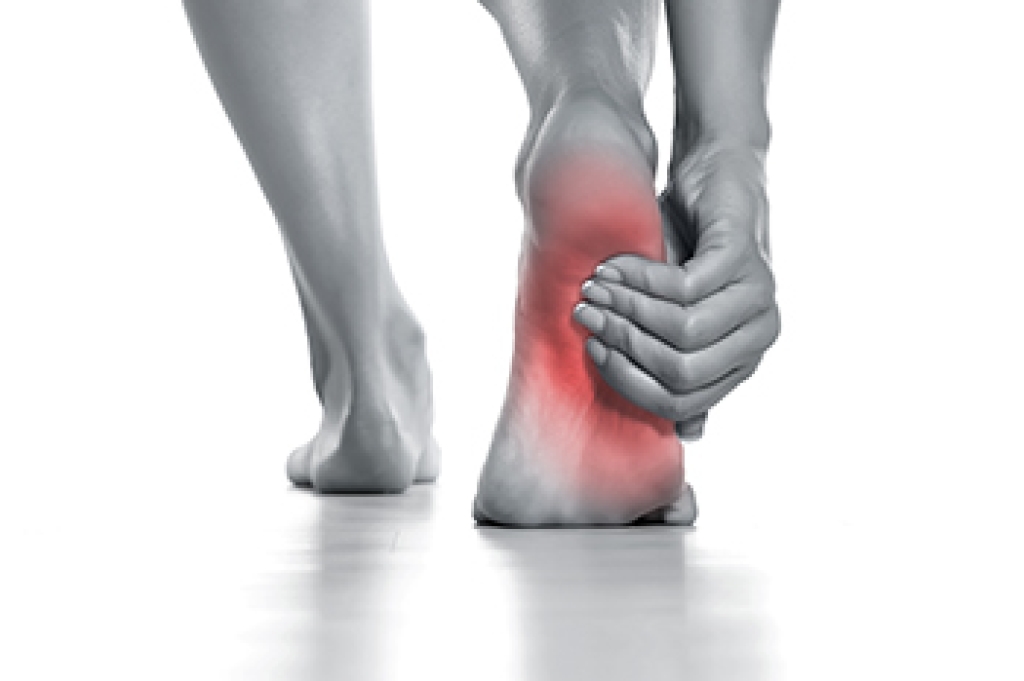
Experiencing pain in the arches of your feet can be attributed to various factors, including overuse, injury, and weakness. Other causes that may lead to arch pain are inflammation and anatomical variations in foot arch structure. Whether you have high, neutral, or flat arches, each type presents its own set of challenges. High arches may lack shock absorption and support, making them susceptible to overuse injuries during activities like sports. Flat feet, or fallen arches, can result from weak posterior tibial tendons, leading to decreased stability and support. Congenital conditions or acquired conditions, such as neuropathy or muscle atrophy, also can contribute to arch weakness and pain. Treatment strategies include proper foot support, medication, and orthotic shoe inserts. If you are experiencing pain in the arch of the foot, it is suggested that you schedule an appointment with a podiatrist who can identify the underlying cause, and develop an effective treatment plan for you.
If you have any concerns about your feet, contact Steven Black, DPM from California . Our doctor can provide the care you need to keep you pain-free and on your feet.
Biomechanics in Podiatry
Podiatric biomechanics is a particular sector of specialty podiatry with licensed practitioners who are trained to diagnose and treat conditions affecting the foot, ankle and lower leg. Biomechanics deals with the forces that act against the body, causing an interference with the biological structures. It focuses on the movement of the ankle, the foot and the forces that interact with them.
A History of Biomechanics
Modern technological improvements are based on past theories and therapeutic processes that provide a better understanding of podiatric concepts for biomechanics. Computers can provide accurate information about the forces and patterns of the feet and lower legs.
Understanding biomechanics of the feet can help improve and eliminate pain, stopping further stress to the foot.
If you have any questions please feel free to contact our office located in Lancaster, CA . We offer the newest diagnostic and treatment technologies for all your foot and ankle needs.

Foot pain affects up to 30 percent of older adults. This discomfort not only diminishes their overall health but also contributes to impaired balance and reduced physical function. The result is an increased risk of falls. Studies show that the link between foot pain and falls becomes increasingly significant with age. More than a third of those aged 65 and above experience a fall at least once a year, a percentage that rises to over 40 percent for those 75 and older. Recurrent falls are particularly common among individuals suffering from severe foot pain, and certain foot postures, such as flat feet, are linked to a higher risk of falls. By addressing foot pain and taking measures to improve foot function and posture, older adults can lower the risk of falls. For help with foot pain and its related risk of falling, it is suggested that you make an appointment with a podiatrist for an evaluation and guidance.
Preventing falls among the elderly is very important. If you are older and have fallen or fear that you are prone to falling, consult with Steven Black, DPM from California . Our doctor will assess your condition and provide you with quality advice and care.
Every 11 seconds, an elderly American is being treated in an emergency room for a fall related injury. Falls are the leading cause of head and hip injuries for those 65 and older. Due to decreases in strength, balance, senses, and lack of awareness, elderly persons are very susceptible to falling. Thankfully, there are a number of things older persons can do to prevent falls.
How to Prevent Falls
Some effective methods that older persons can do to prevent falls include:
Falling can be a traumatic and embarrassing experience for elderly persons; this can make them less willing to leave the house, and less willing to talk to someone about their fears of falling. Doing such things, however, will increase the likelihood of tripping or losing one’s balance. Knowing the causes of falling and how to prevent them is the best way to mitigate the risk of serious injury.
If you have any questions, please feel free to contact our office located in Lancaster, CA . We offer the newest diagnostic and treatment technologies for all your foot care needs.
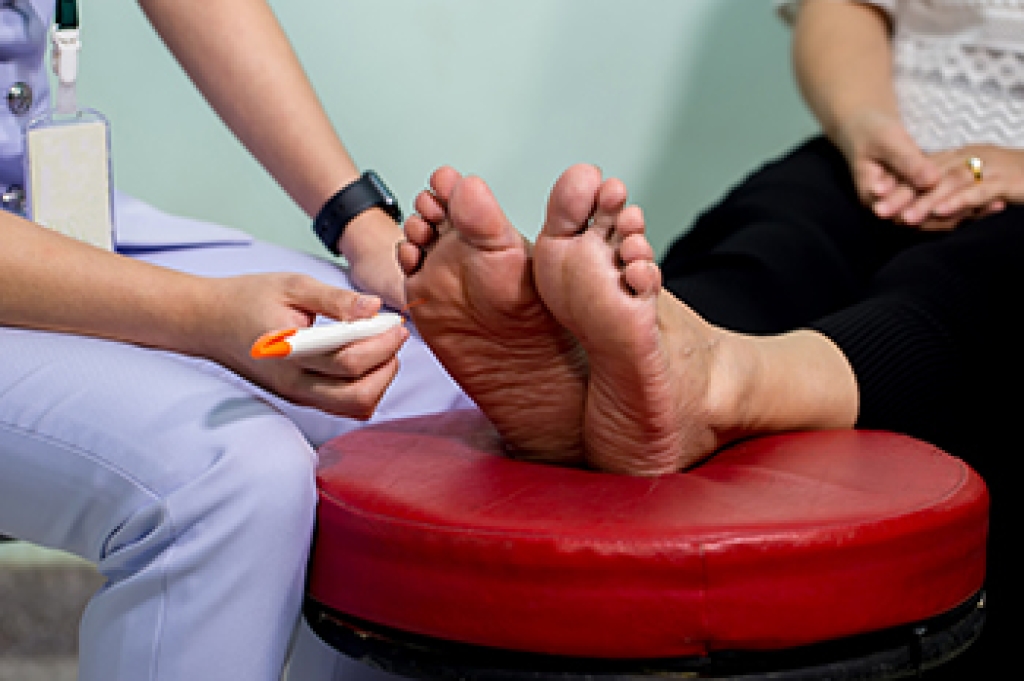
Neuropathy, a nerve disorder characterized by damage or dysfunction to peripheral nerves, can manifest in various symptoms and significantly impact the feet. Common symptoms of neuropathy include tingling, burning sensations, numbness, and sharp pain in the affected areas. In the context of foot neuropathy, individuals may experience loss of sensation, making it difficult to detect injuries or changes in temperature. This increases the risk of foot ulcers, infections, and other complications, particularly for those with diabetes or other underlying health conditions. Neuropathy can also disrupt normal motor function, leading to muscle weakness and altered gait patterns, affecting balance and coordination while walking or standing. Additionally, neuropathic pain can be chronic and debilitating, impairing quality of life and overall mobility. Recognizing the symptoms of neuropathy and its impact on the feet is critical for early diagnosis and management. If you have symptoms of neuropathy and your feet are affected, it is strongly suggested that you are under the care of a podiatrist who can help you to manage this condition.
Neuropathy
Neuropathy can be a potentially serious condition, especially if it is left undiagnosed. If you have any concerns that you may be experiencing nerve loss in your feet, consult with Steven Black, DPM from California . Our doctor will assess your condition and provide you with quality foot and ankle treatment for neuropathy.
What Is Neuropathy?
Neuropathy is a condition that leads to damage to the nerves in the body. Peripheral neuropathy, or neuropathy that affects your peripheral nervous system, usually occurs in the feet. Neuropathy can be triggered by a number of different causes. Such causes include diabetes, infections, cancers, disorders, and toxic substances.
Symptoms of Neuropathy Include:
Those with diabetes are at serious risk due to being unable to feel an ulcer on their feet. Diabetics usually also suffer from poor blood circulation. This can lead to the wound not healing, infections occurring, and the limb may have to be amputated.
Treatment
To treat neuropathy in the foot, podiatrists will first diagnose the cause of the neuropathy. Figuring out the underlying cause of the neuropathy will allow the podiatrist to prescribe the best treatment, whether it be caused by diabetes, toxic substance exposure, infection, etc. If the nerve has not died, then it’s possible that sensation may be able to return to the foot.
Pain medication may be issued for pain. Electrical nerve stimulation can be used to stimulate nerves. If the neuropathy is caused from pressure on the nerves, then surgery may be necessary.
If you have any questions, please feel free to contact our office located in Lancaster, CA . We offer the newest diagnostic and treatment technologies for all your foot care needs.
Connect With Us
