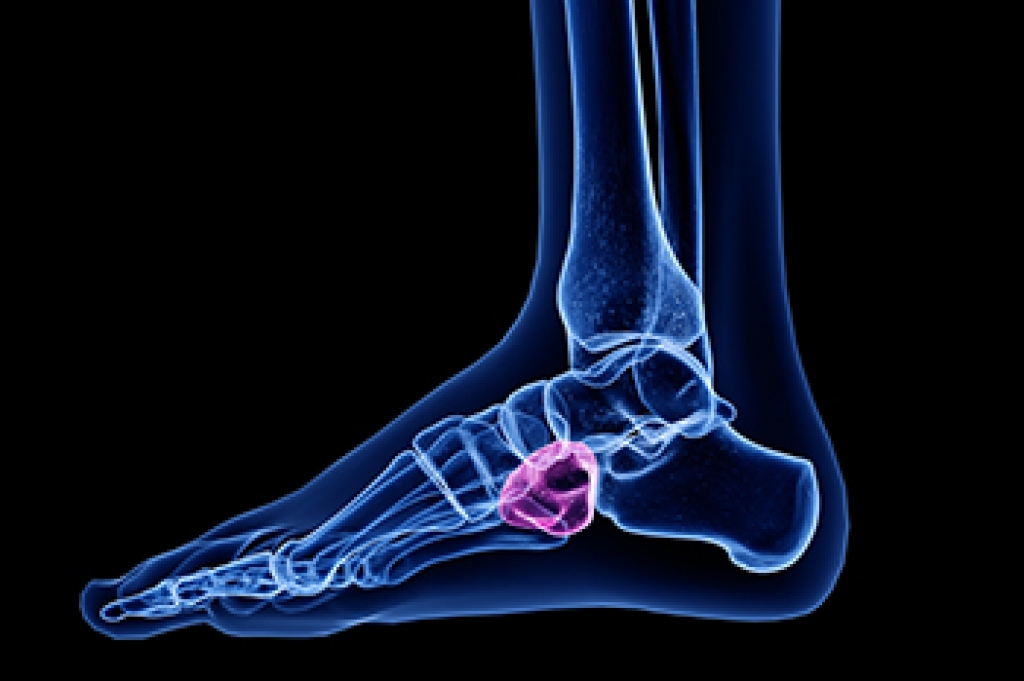
Causes of Cuboid Syndrome

People who have pain on the outside of their ankle may have cuboid syndrome. This ailment is defined as the cuboid bone moving outward while the heel bone moves inward. It is a foot condition that can be caused by twisting the ankle or from stepping off of a curb in the wrong way unexpectedly. It may also develop from running on hard or uneven surfaces or from wearing shoes that do not provide adequate support. The pain may increase when body weight is put on that side of the foot and may radiate to the other areas of the foot. Additional symptoms can consist of a reduced range of motion in the ankle and surrounding areas, and the toes may feel weak that are closest to the injury. Some patients may alter their gait, or walking style, to accommodate the pain by limping or swaying from side to side. If you have pain in this part of your foot, it is suggested that you speak with a podiatrist who can confirm cuboid syndrome and offer correct treatment options.

Cuboid syndrome, also known as cuboid subluxation, occurs when the joints and ligaments near the cuboid bone in the foot become torn. If you have cuboid syndrome, consult with Steven Black, DPM from California . Our doctor will assess your condition and provide you with quality foot and ankle treatment.

Cuboid syndrome is a common cause of lateral foot pain, which is pain on the outside of the foot. The condition may happen suddenly due to an ankle sprain, or it may develop slowly overtime from repetitive tension through the bone and surrounding structures.

Causes

The most common causes of cuboid syndrome include:

  • Injury – The most common cause of this ailment is an ankle sprain.
  • Repetitive Strain – Tension placed through the peroneus longus muscle from repetitive activities such as jumping and running may cause excessive traction on the bone causing it to sublux.
  • Altered Foot Biomechanics – Most people suffering from cuboid subluxation have flat feet.

Symptoms

A common symptom of cuboid syndrome is pain along the outside of the foot which can be felt in the ankle and toes. This pain may create walking difficulties and may cause those with the condition to walk with a limp.

Diagnosis

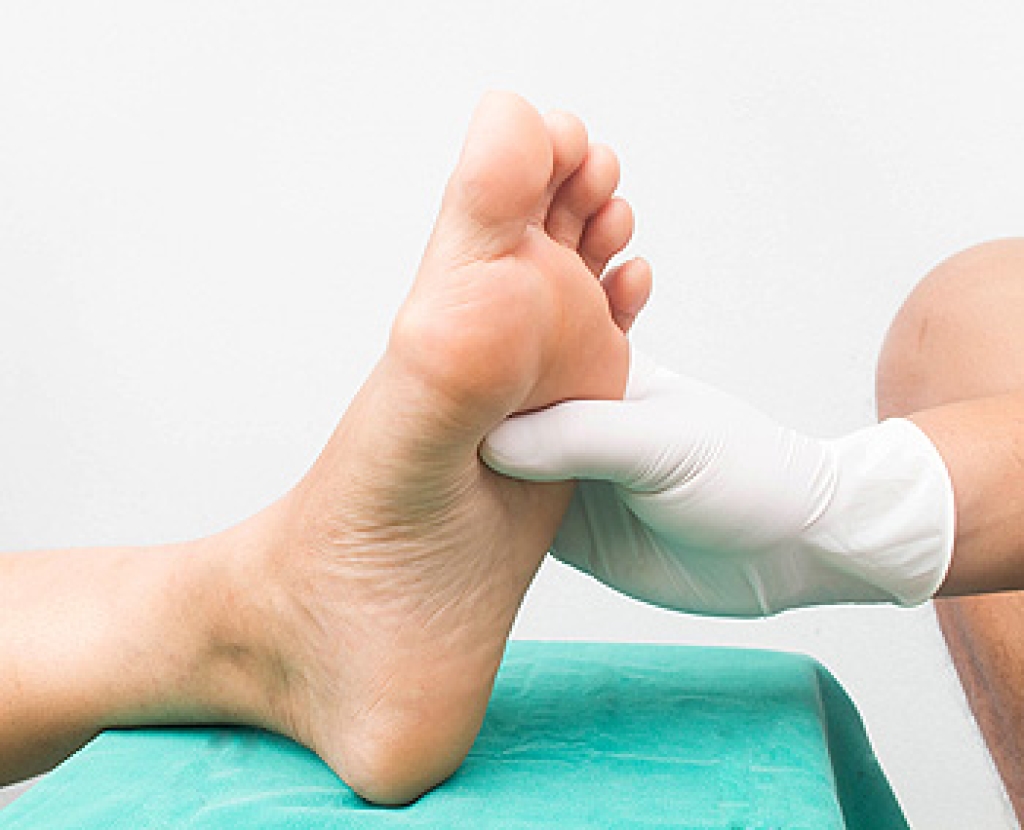
Diagnosis of cuboid syndrome is often difficult, and it is often misdiagnosed. X-rays, MRIs and CT scans often fail to properly show the cuboid subluxation. Although there isn’t a specific test used to diagnose cuboid syndrome, your podiatrist will usually check if pain is felt while pressing firmly on the cuboid bone of your foot.

Treatment

Just as the range of causes varies widely, so do treatments. Some more common treatments are ice therapy, rest, exercise, taping, and orthotics.

If you have any questions, please feel free to contact our office located in Lancaster, CA . We offer the newest diagnostic and treatment technologies for all your foot care needs.
Read more about Cuboid Syndrome

The Feet and Rheumatoid Arthritis

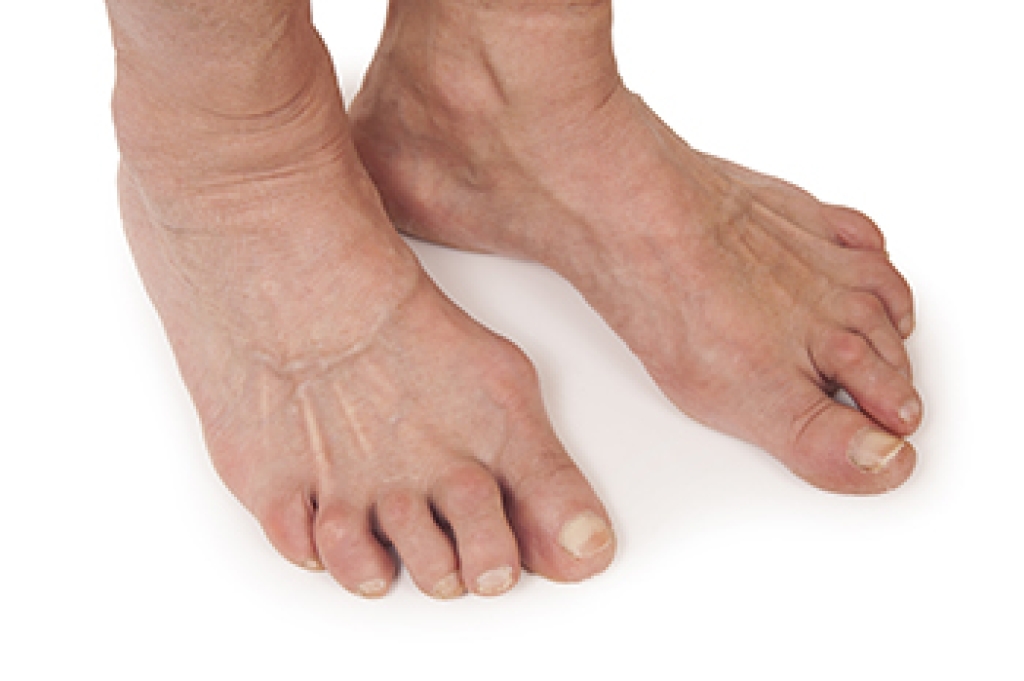
Rheumatoid arthritis is an autoimmune disease and may begin at any time in life. This type of condition attacks the joints in the body and can cause pain and discomfort. It can progress quickly, and the joints often become swollen and red. Many patients notice the disease affects the same joints on both sides of the body and may be felt in the balls of the feet. Patients may feel generally unwell and can easily become fatigued. The majority of people who have rheumatoid arthritis will have foot pain, and relief is often sought. Additionally, the foot may change shape, and nodules in the joints may form. The joints in the foot that are most affected are the ankle, talonavicular, and metarsocunieform joints. Relief may be found when custom-made orthotics are worn, which may help to reduce painful symptoms. If you have foot pain, it is suggested that you consult with a podiatrist who can properly diagnose and treat rheumatoid arthritis. 

Because RA affects more than just your joints, including the joints in your feet and ankles, it is important to seek early diagnosis from your podiatrist if you feel like the pain in your feet might be caused by RA. For more information, contact Steven Black, DPM of California . Our doctor will assist you with all of your podiatric concerns.

What Is Rheumatoid Arthritis?

Rheumatoid Arthritis (RA) is an autoimmune disorder in which the body’s own immune system attacks the membranes surrounding the joints. Inflammation of the lining and eventually the destruction of the joint’s cartilage and bone occur, causing severe pain and immobility.

Rheumatoid Arthritis of the Feet

Although RA usually attacks multiple bones and joints throughout the entire body, almost 90 percent of cases result in pain in the foot or ankle area.

Symptoms

  • Swelling and pain in the feet
  • Stiffness in the feet
  • Pain on the ball or sole of feet
  • Joint shift and deformation

Diagnosis

Quick diagnosis of RA in the feet is important so that the podiatrist can treat the area effectively. Your doctor will ask you about your medical history, occupation, and lifestyle to determine the origin of the condition. Rheumatoid Factor tests help to determine if someone is affected by the disease.

If you have any questions, please feel free to contact our office located in Lancaster, CA . We offer the newest diagnostic and treatment technologies for all your foot care needs.
Read more about Rheumatoid Arthritis in the Feet

Falling and Older People

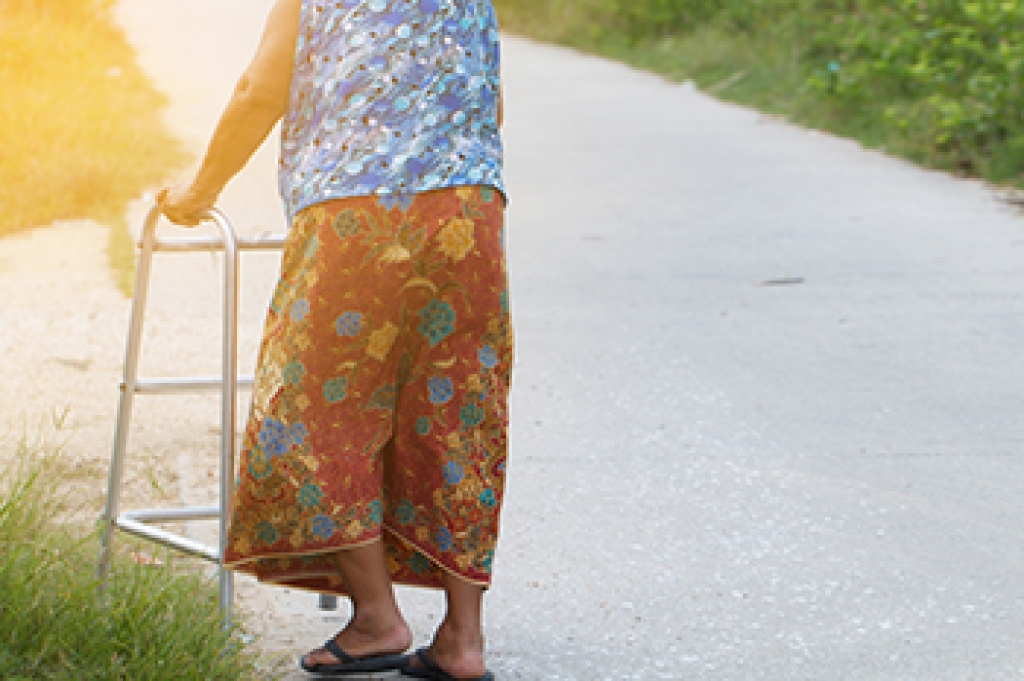
Falling can be life-threatening among the older population. A fracture may happen, and this can impact the ability to complete daily activities. It can change the quality of everyday life, possibly limiting exercising, which may affect cardiovascular health. Effective fall prevention methods can be implemented, which may help limit or prevent falling. These can include installing grab bars in the toilet and shower area, and many patients find it helpful to use a bathmat. Additionally, improving lighting in the household and removing worn rugs from the living room is beneficial. Regular physical and eye examinations can help update existing eyeglasses and medications, and adding handrails to the stairs may help prevent falling episodes. Suppose you would like additional information about how falling can affect the feet and what you can do to protect them. In that case, it is suggested that you confer with a podiatrist who can guide you toward efficient fall prevention techniques.

Preventing falls among the elderly is very important. If you are older and have fallen or fear that you are prone to falling, consult with Steven Black, DPM from California . Our doctor will assess your condition and provide you with quality advice and care.

Every 11 seconds, an elderly American is being treated in an emergency room for a fall related injury. Falls are the leading cause of head and hip injuries for those 65 and older. Due to decreases in strength, balance, senses, and lack of awareness, elderly persons are very susceptible to falling. Thankfully, there are a number of things older persons can do to prevent falls.

How to Prevent Falls

Some effective methods that older persons can do to prevent falls include:

  • Enrolling in strength and balance exercise program to increase balance and strength
  • Periodically having your sight and hearing checked
  • Discuss any medications you have with a doctor to see if it increases the risk of falling
  • Clearing the house of falling hazards and installing devices like grab bars and railings
  • Utilizing a walker or cane
  • Wearing shoes that provide good support and cushioning
  • Talking to family members about falling and increasing awareness

Falling can be a traumatic and embarrassing experience for elderly persons; this can make them less willing to leave the house, and less willing to talk to someone about their fears of falling. Doing such things, however, will increase the likelihood of tripping or losing one’s balance. Knowing the causes of falling and how to prevent them is the best way to mitigate the risk of serious injury.  

If you have any questions, please feel free to contact our office located in Lancaster, CA . We offer the newest diagnostic and treatment technologies for all your foot care needs.
Read more about Falls Prevention

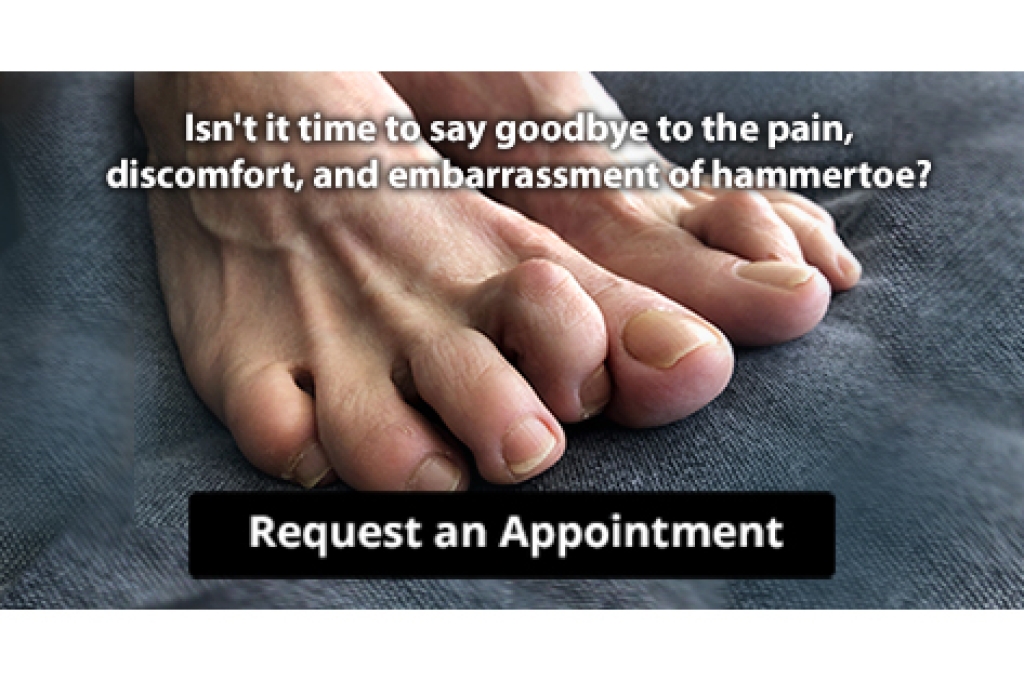
Do You Suffer From Painful Feet?

Painful deformities, such as hammertoes, can be treated. Stop living with foot pain, and have beautiful feet again!

Effective Diabetic Foot Care Routines

Diabetes is a serious health condition that may eventually affect the feet. It is a common occurrence among diabetic patients, and keeping a close eye on blood sugar levels may help to prevent diabetic foot ulcers. People who have diabetes may be prone to developing neuropathy, which is nerve damage that is caused by high sugar levels. This can cause the inability to feel existing cuts, bruises, or scrapes that have developed, increasing the importance of performing daily self examinations. This can be done by using a mirror to detect small cuts, or an available family member or caregiver may be able to assist with this. Diabetic foot care consists of trimming the toenails weekly and washing and drying the feet thoroughly. It is beneficial to refrain from participating in activities that can injure the feet, in addition to wearing shoes and socks that fit correctly. The risk of developing foot conditions may be reduced when glucose levels are controlled by being closely monitored. If you have diabetes, it is strongly suggested that you are under the care of a podiatrist who can help you to manage this condition.

Diabetic foot care is important in preventing foot ailments such as ulcers. If you are suffering from diabetes or have any other concerns about your feet, contact Steven Black, DPM from California . Our doctor can provide the care you need to keep you pain-free and on your feet.

Diabetic Foot Care

Diabetes affects millions of people every year. The condition can damage blood vessels in many parts of the body, especially the feet. Because of this, taking care of your feet is essential if you have diabetes, and having a podiatrist help monitor your foot health is highly recommended.

The Importance of Caring for Your Feet

  • Routinely inspect your feet for bruises or sores.
  • Wear socks that fit your feet comfortably.
  • Wear comfortable shoes that provide adequate support.

Patients with diabetes should have their doctor monitor their blood levels, as blood sugar levels play such a huge role in diabetic care. Monitoring these levels on a regular basis is highly advised.

It is always best to inform your healthcare professional of any concerns you may have regarding your feet, especially for diabetic patients. Early treatment and routine foot examinations are keys to maintaining proper health, especially because severe complications can arise if proper treatment is not applied.

If you have any questions, please feel free to contact our office located in Lancaster, CA . We offer the newest diagnostic and treatment technologies for all your foot care needs.

Read more about How to Care for Diabetic Foot

Connect With Us