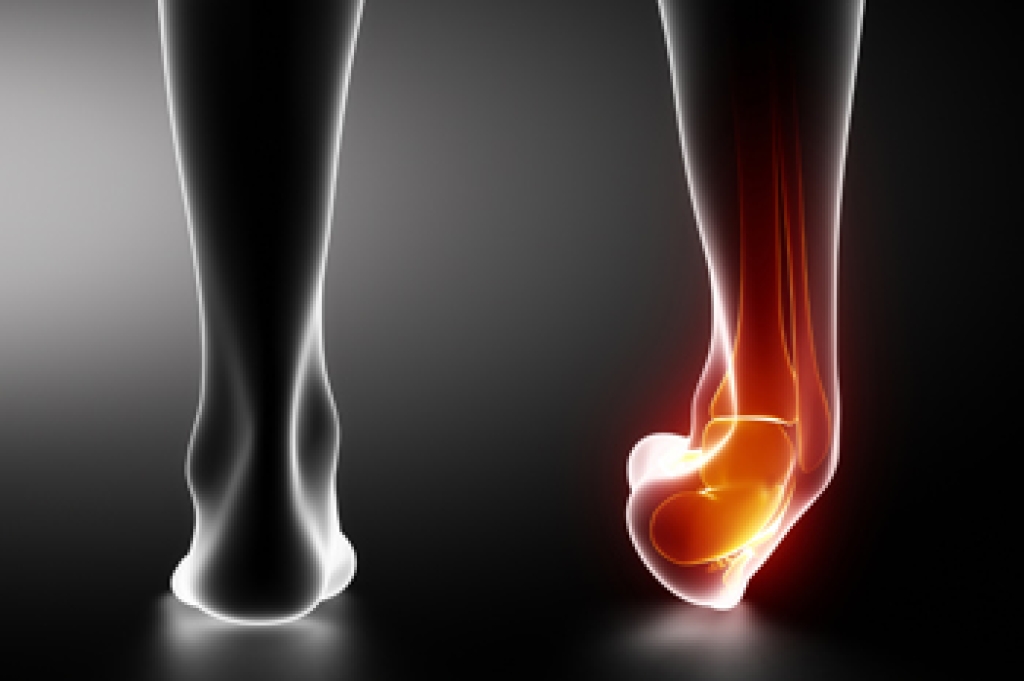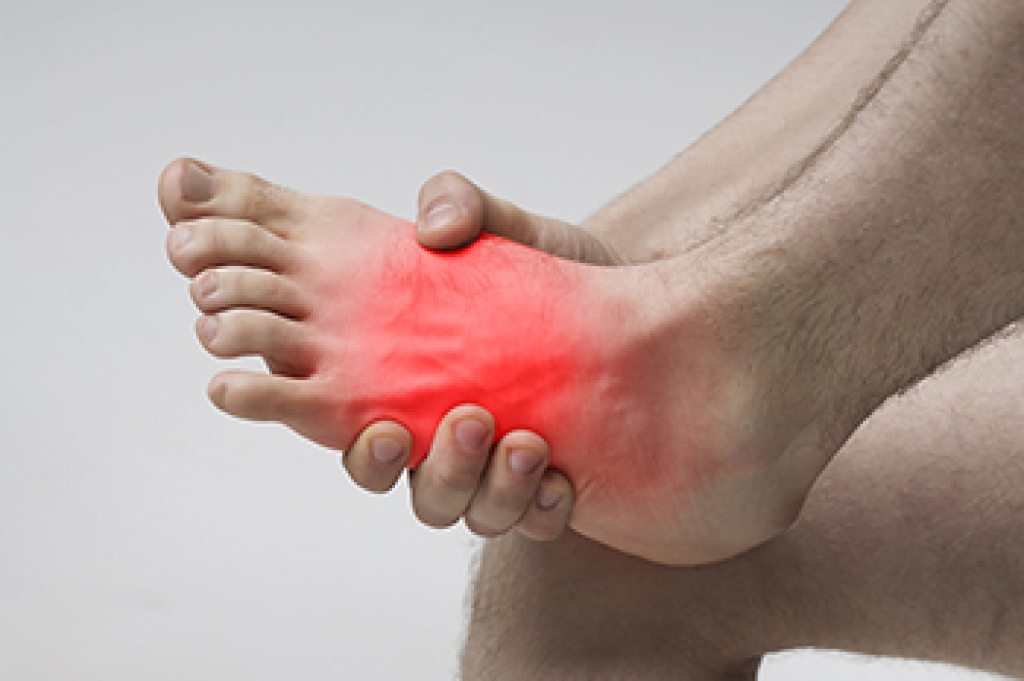
Understanding Types of Lisfranc Injuries

A Lisfranc injury involves the midfoot joints and ligaments that connect the forefoot to the arch, an area responsible for stability during standing and walking. Injuries range from mild to severe and may include ligament sprains, fractures of the midfoot bones, or joint dislocations. A sprain develops when supporting ligaments stretch or tear, while fractures and dislocations disturb normal bone alignment. This joint complex provides stability rather than movement, making proper healing important. Causes include low-energy twisting injuries such as slips or falls, as well as high-impact trauma. Sports that require pushing off or contact place added stress on the midfoot. More serious injuries are often linked to car accidents, falls from height, or crush injuries, and can lead to chronic pain, arthritis, or foot deformity. If you have symptoms of a Lisfranc injury in your foot, it is suggested that you make an appointment with a podiatrist for help.

Foot Pain

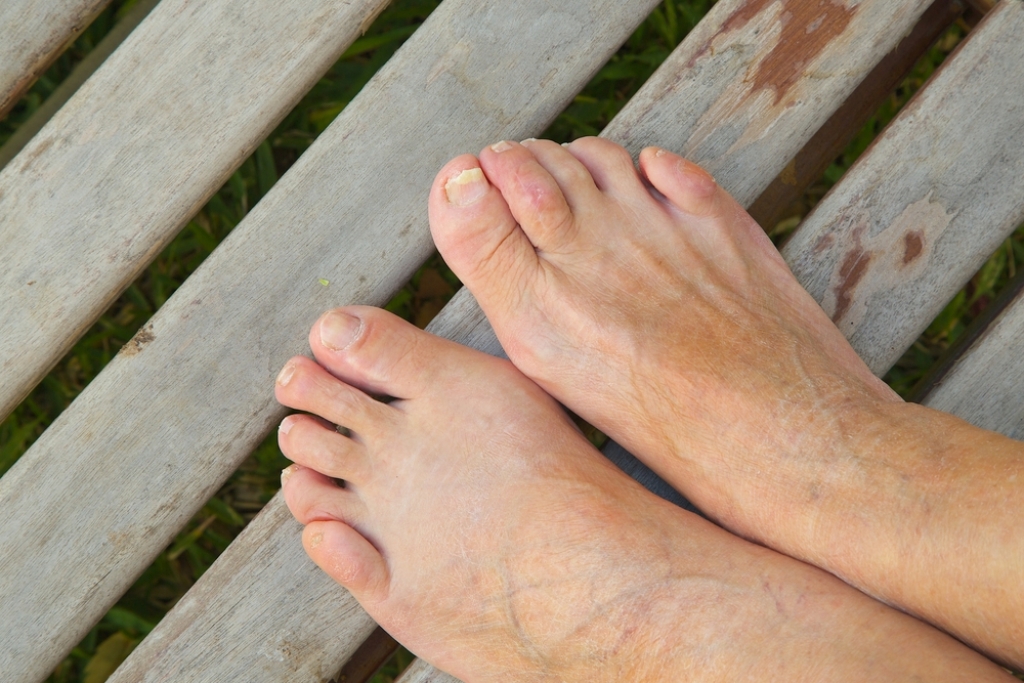
Foot pain can be extremely painful and debilitating. If you have a foot pain, consult with Steven Black, DPM from California . Our doctor will assess your condition and provide you with quality foot and ankle treatment.

Causes

Foot pain is a very broad condition that could be caused by one or more ailments. The most common include:

  • Bunions
  • Hammertoes
  • Plantar Fasciitis
  • Bone Spurs
  • Corns
  • Tarsal Tunnel Syndrome
  • Ingrown Toenails
  • Arthritis (such as Gout, Rheumatoid, and Osteoarthritis)
  • Flat Feet
  • Injury (from stress fractures, broken toe, foot, ankle, Achilles tendon ruptures, and sprains)
  • And more

Diagnosis

To figure out the cause of foot pain, podiatrists utilize several different methods. This can range from simple visual inspections and sensation tests to X-rays and MRI scans. Prior medical history, family medical history, and any recent physical traumatic events will all be taken into consideration for a proper diagnosis.

Treatment

Treatment depends upon the cause of the foot pain. Whether it is resting, staying off the foot, or having surgery; podiatrists have a number of treatment options available for foot pain.

If you have any questions, please feel free to contact our office located in Lancaster, CA . We offer the newest diagnostic and treatment technologies for all your foot care needs.

Read more about Foot Pain

Treatment for a Stubbed Toe

A stubbed toe may seem minor, but the impact can affect bones, joints, nails, and surrounding soft tissue. Common problems include bruising, swelling, nail damage, ligament strain, or a fracture of one of the small toe bones. Pain that worsens with walking, visible deformity, numbness, or persistent swelling may signal a more serious injury. A podiatrist can evaluate the toe with a physical exam and imaging to determine whether a fracture, dislocation, or nail injury is present. Treatment may include immobilization, protective footwear, or taping techniques performed in the office. Nail care or management of inflammation and pain can also be addressed. Early assessment supports safer recovery. If you have pain from stubbing a toe, it is suggested that you make an appointment with a podiatrist for an exam, diagnosis, and treatment.

Toe pain can disrupt your daily activities. If you have any concerns, contact Steven Black, DPM of California . Our doctor can provide the care you need to keep you pain-free and on your feet.

What Causes Toe Pain?

Most severe toe pain is caused due to a sports injury, trauma from dropping something heavy on the toe, or bumping into something rigid. Other problems can develop over time for various reasons.

Toe pain can be caused by one or more ailments. The most common include:

  • Trauma
  • Sports injury
  • Wearing shoes that are too tight
  • Arthritis
  • Gout
  • Corns and calluses
  • Hammertoe
  • Bunions
  • Blisters
  • Ingrown toenails
  • Sprains
  • Fractures (broken bones)
  • Dislocations

When to See a Podiatrist

  • Severe pain
  • Persistent pain that lasts more than a week
  • Signs of infection
  • Continued swelling
  • Pain that prevents walking

Diagnosis

In many cases the cause of toe pain is obvious, but in others, a podiatrist may want to use more advanced methods to determine the problem. These can range from simple visual inspections and sensation tests to X-rays and MRI scans. Prior medical history, family medical history, and any recent physical traumatic events will all be taken into consideration for a proper diagnosis.

Treatment

Treatments for toe pain and injuries vary and may include shoe inserts, padding, taping, medicines, injections, and in some cases, surgery. If you believe that you have broken a toe, please see a podiatrist as soon as possible.

If you have any questions please contact our office located in Lancaster, CA . We offer the newest diagnostic and treatment technologies for all your foot and ankle needs.

Read more about Toe Pain

Is It a Hammertoe?

Hammertoes develop when the muscles and tendons that normally keep the toes straight fall out of balance, causing one or more toes to bend at the middle joint. This condition often begins quietly but may progress with symptoms, such as aching pain, stiffness, and skin irritation. Common signs include redness, corns, and calluses. Hammertoes may look curled or buckled, and the affected toe can rub painfully against shoes, making walking uncomfortable and footwear difficult to tolerate. Causes include inherited foot structure, improper footwear, arthritis, or long-term pressure on the toes. A podiatrist can help by first performing a thorough examination and imaging, if needed, to confirm the diagnosis and identify contributing factors. Treatment may begin with shoe modifications, padding, or custom orthotics to relieve pressure and improve alignment, and can progress to targeted exercises, medications, or corrective procedures when necessary. If you have a hammertoe, it is suggested that you make an appointment with a podiatrist.

Hammertoes can be a painful condition to live with. For more information, contact Steven Black, DPM of California . Our doctor will answer any of your foot- and ankle-related questions.

Hammertoe

Hammertoe is a foot deformity that occurs due to an imbalance in the muscles, tendons, or ligaments that normally hold the toe straight. It can be caused by the type of shoes you wear, your foot structure, trauma, and certain disease processes.

Symptoms

  • Painful and/or difficult toe movement
  • Swelling
  • Joint stiffness
  • Calluses/Corns
  • Physical deformity

Risk Factors

  • Age – The risk of hammertoe increases with age
  • Sex – Women are more likely to have hammertoe compared to men
  • Toe Length – You are more likely to develop hammertoe if your second toe is longer than your big toe
  • Certain Diseases – Arthritis and diabetes may make you more likely to develop hammertoe

Treatment

If you have hammertoe, you should change into a more comfortable shoe that provides enough room for your toes. Exercises such as picking up marbles may strengthen and stretch your toe muscles. Nevertheless, it is important to seek assistance from a podiatrist in order to determine the severity of your hammertoe and see which treatment option will work best for you.

If you have any questions, please feel free to contact our office located in Lancaster, CA . We offer the newest diagnostic and treatment technologies for all your foot care needs.

Read more about Hammertoe

We Can Treat Your Foot or Ankle Pain

Foot or ankle pain can negatively affect your day-to-day life and can occur due to several different conditions. Pain can also be an indicator of a more serious underlying condition, which is why you should seek professional help as soon as you notice any abnormalities in your feet.

Diagnosing and Treating an Ankle Fracture

An ankle fracture occurs when one or more bones forming the ankle joint break, often after a fall, misstep, sports injury, or accident. Diagnosis begins with a careful clinical exam to assess pain, swelling, bruising, and the ability to bear weight. Imaging plays an important role. X-rays are commonly used to confirm a break and determine alignment, while advanced imaging may be recommended if the injury is complex or involves surrounding structures. Treatment depends on the type, location, and stability of the fracture. Stable breaks may be managed with immobilization using a boot or cast, along with limited weight-bearing. More severe injuries may require realignment or surgical repair to restore joint stability. Targeted exercise is an important part of recovery and helps rebuild strength, mobility, and balance. Prompt care reduces the risk of long-term stiffness, arthritis, or instability. If you have sustained an ankle injury that is causing significant pain, swelling, or difficulty walking, it is suggested that you seek prompt evaluation by a podiatrist.

test

Read more about All About Broken Ankle

Connect With Us