
Ingrown toenails can be painful and can make wearing shoes or walking uncomfortable. Seek professional help if you believe you've developed an ingrown toenail and be treated safely.
Ingrown toenails can be painful and can make wearing shoes or walking uncomfortable. Seek professional help if you believe you've developed an ingrown toenail and be treated safely.

Ingrown toenails occur when the edge of the toenail grows into the surrounding skin, often affecting the big toe. This common condition can be caused by trimming toenails too short, wearing tight shoes, injury, or a natural curve in the nail. Symptoms include redness, swelling, pain along the nail edge, and sometimes drainage or infection, if left untreated. The area may feel tender to the touch and become increasingly painful when walking or wearing shoes. A podiatrist can diagnose an ingrown toenail with a simple exam. Treatment may involve gently lifting the nail edge, removing a portion of the nail, or prescribing antibiotics if an infection is present. In recurring cases, a minor procedure can permanently remove part of the nail to prevent future problems. Proper nail care and footwear recommendations can also help prevent recurrence. If you have developed an ingrown toenail, it is suggested that you promptly schedule an appointment with a podiatrist who can effectively treat this condition.
Ingrown toenails may initially present themselves as a minor discomfort, but they may progress into an infection in the skin without proper treatment. For more information about ingrown toenails, contact Steven Black, DPM of California . Our doctor can provide the care you need to keep you pain-free and on your feet.
Ingrown Toenails
Ingrown toenails are caused when the corner or side of a toenail grows into the soft flesh surrounding it. They often result in redness, swelling, pain, and in some cases, infection. This condition typically affects the big toe and may recur if it is not treated properly.
Causes
You are more likely to develop an ingrown toenail if you are obese, have diabetes, arthritis, or have any fungal infection in your nails. Additionally, people who have foot or toe deformities are at a higher risk of developing an ingrown toenail.
Symptoms
Some symptoms of ingrown toenails are redness, swelling, and pain. In rare cases, there may be a yellowish drainage coming from the nail.
Treatment
Ignoring an ingrown toenail can have serious complications. Infections of the nail border can progress to a deeper soft-tissue infection, which can then turn into a bone infection. You should always speak with your podiatrist if you suspect you have an ingrown toenail, especially if you have diabetes or poor circulation.
If you have any questions, please feel free to contact our office located in Lancaster, CA . We offer the newest diagnostic and treatment technologies for all your foot care needs.
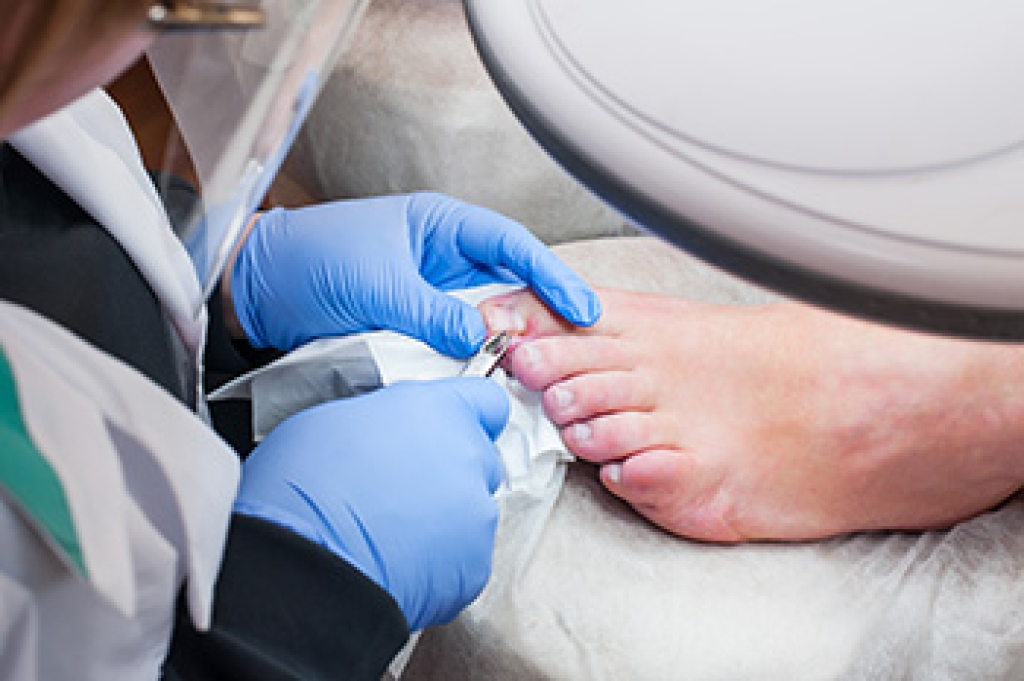
Ingrown toenails develop when the edge of the nail grows into the surrounding skin, leading to pain, redness, swelling, and sometimes infection. Causes include improper nail trimming, tight shoes, toe injuries, or naturally curved nails. The area may feel sore, swollen, and, in more severe cases, may produce drainage or pus. When conservative treatments like warm soaks, antibiotics, or lifting the nail fail, a podiatrist may recommend a minor surgical procedure. One common option is partial nail avulsion, where only the ingrown portion is removed. Another method is a wedge resection, where the side of the nail and a portion of the nail bed are removed to stop the problematic section from growing back. These in-office procedures are quick, performed under local anesthesia, and typically offer long-term relief. If you have a painful ingrown toenail, it is suggested that you schedule an appointment with a podiatrist who can determine if surgery is right for you.
Foot surgery is sometimes necessary to treat a foot ailment. To learn more, contact Steven Black, DPM of California . Our doctor will assist you with all of your foot and ankle needs.
When Is Surgery Necessary?
Foot and ankle surgery is generally reserved for cases in which less invasive, conservative procedures have failed to alleviate the problem. Some of the cases in which surgery may be necessary include:
What Types of Surgery Are There?
The type of surgery you receive will depend on the nature of the problem you have. Some of the possible surgeries include:
Benefits of Surgery
Although surgery is usually a last resort, it can provide more complete pain relief compared to non-surgical methods and may allow you to finally resume full activity.
Surgical techniques have also become increasingly sophisticated. Techniques like endoscopic surgery allow for smaller incisions and faster recovery times.
If you have any questions, please feel free to contact our office located in Lancaster, CA . We offer the newest diagnostic and treatment technologies for all your foot care needs.

Foot and ankle disorders, such as plantar fasciitis, arthritis, bursitis, and tendonitis, can cause persistent pain and inflammation that interferes with daily life. When rest, targeted exercises, and oral medications are not enough to bring relief, a podiatrist may recommend a steroid injection. These injections contain corticosteroids, which are anti-inflammatory medications delivered directly into the affected area to reduce swelling and ease discomfort. In many cases, they offer temporary but significant relief and allow patients to continue with rehabilitation or maintain mobility. Injections are often used in conjunction with other treatments, such as custom orthotics or stretching routines. Although generally safe, repeated use of steroids in the same area should be carefully monitored to avoid tissue damage. If your foot or ankle pain has not improved with other, more conservative care, it is suggested that you speak with a podiatrist about whether a steroid injection may be appropriate for your condition.
Foot Pain
Foot pain can be extremely painful and debilitating. If you have a foot pain, consult with Steven Black, DPM from California . Our doctor will assess your condition and provide you with quality foot and ankle treatment.
Causes
Foot pain is a very broad condition that could be caused by one or more ailments. The most common include:
Diagnosis
To figure out the cause of foot pain, podiatrists utilize several different methods. This can range from simple visual inspections and sensation tests to X-rays and MRI scans. Prior medical history, family medical history, and any recent physical traumatic events will all be taken into consideration for a proper diagnosis.
Treatment
Treatment depends upon the cause of the foot pain. Whether it is resting, staying off the foot, or having surgery; podiatrists have a number of treatment options available for foot pain.
If you have any questions, please feel free to contact our office located in Lancaster, CA . We offer the newest diagnostic and treatment technologies for all your foot care needs.
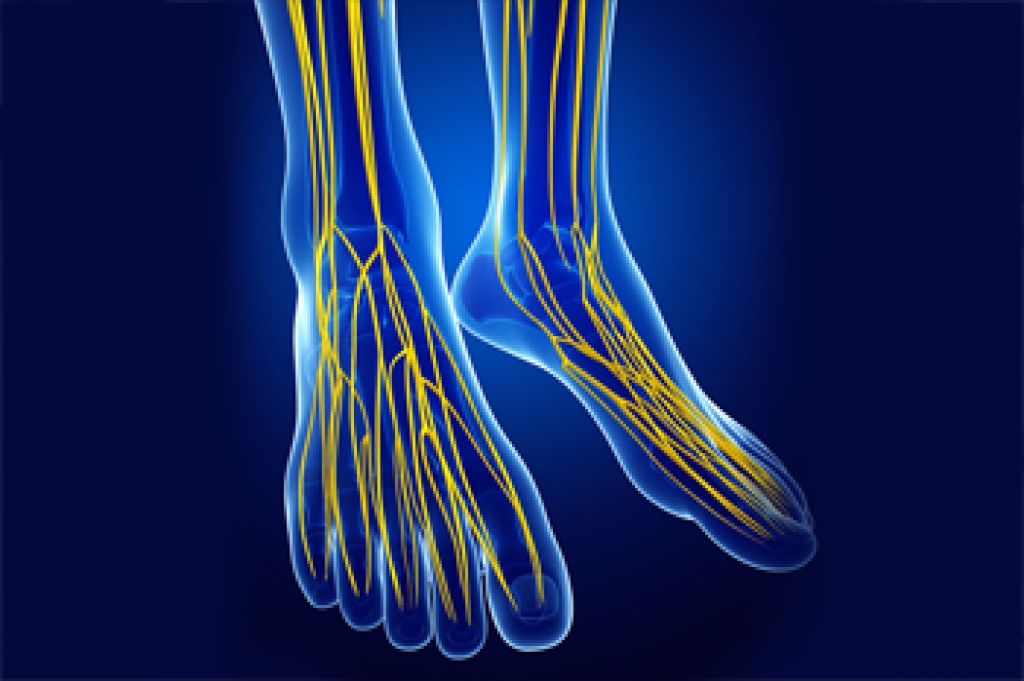
Charcot-Marie-Tooth disease is a rare inherited disorder that affects the peripheral nerves, which are responsible for controlling muscles and relaying sensory information. This condition gradually damages the nerves, often leading to muscle weakness and decreased sensation in the feet and lower legs. People with Charcot-Marie-Tooth may develop high arches, curled toes, and an abnormal gait due to the weakening of foot and leg muscles. Over time, the condition can result in balance issues, foot deformities, and difficulty walking. Symptoms often begin in childhood or early adulthood and typically progress slowly. While there is no cure, treatment options like custom orthotics and supportive footwear can help manage discomfort and improve mobility for those living with this lifelong condition. If you have this condition, it is suggested that you are under the care of a podiatrist who can help you to manage Charcot-Marie-Tooth disease.
Some foot conditions may require additional professional care. If you have any concerns, contact Steven Black, DPM of California . Our doctor can provide the care you need to keep you pain-free and on your feet.
Rare Foot Conditions
The majority of foot conditions are common and can be treated by a podiatrist. Standard diagnostic procedures are generally used to identify specific conditions and treatment can be rendered. A podiatrist also treats rare foot conditions which can be difficult to diagnose and may need extra attention and care.
There are many rare foot conditions that can affect children. Some of these can include:
Freiberg’s disease - This can be seen as a deterioration and flattening of a metatarsal bone that exists in the ball of the foot. It typically affects pre-teen and teenage girls, but can affect anyone at any age. Symptoms that can accompany this can be swelling, stiffness, and the patient may limp.
Kohler’s disease - This often targets the bone in the arch of the foot and affects younger boys. It can lead to an interruption of the blood supply which ultimately can lead to bone deterioration. The patient may limp or experience tenderness, swelling, and redness.
Maffucci syndrome - This affects the long bones in a child’s foot leading to the development of abnormal bone lesions. They are benign growths and typically develop in early childhood and the bones may be susceptible to breaking.
A podiatrist can properly diagnose and treat all types of rare foot conditions. If your child is affected by any of these symptoms or conditions, please don’t hesitate to call our office so the correct treatment method can begin.
If you have any questions, please feel free to contact our office located in Lancaster, CA . We offer the newest diagnostic and treatment technologies for all your foot care needs.
Connect With Us
