Morton's Neuroma: Causes, Symptoms, and Interventions for Relief

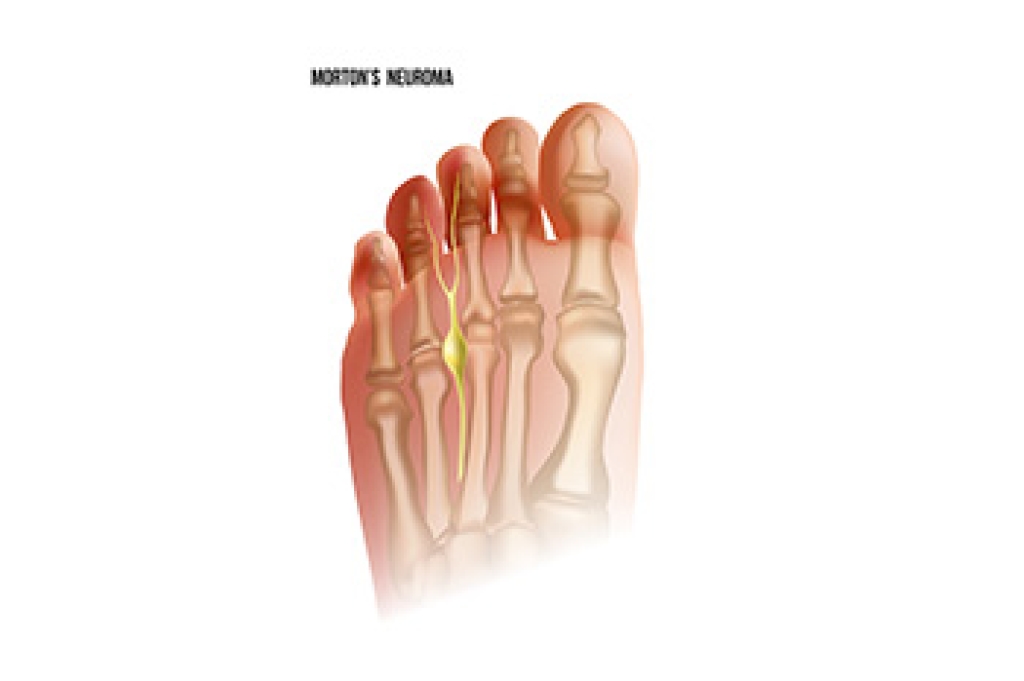
Morton's neuroma is a condition characterized by an enlarged nerve in the space between the third and fourth metatarsal bones of the foot. While the exact cause remains unknown, it is believed to arise from the compression of the nerve, especially in individuals with flat feet and women who often wear tight-fitting footwear, including high heels. The increased pressure on the nerve can lead to irritation and pain. Symptoms of Morton's neuroma often include pain between the third and fourth toes, which may worsen during walking or when wearing shoes. Other signs may include swelling, gait problems, weakness, and stiffness in the affected area. Many people describe it as walking on a pebble or feeling that their sock is bunched up under the foot in the shoe. Treatment aims at reducing nerve irritation and redistributing pressure. If you are experiencing these symptoms, it is suggested that you seek an appointment with a podiatrist who can help alleviate pain and provide relief.

Morton’s neuroma is a very uncomfortable condition to live with. If you think you have Morton’s neuroma, contact Steven Black, DPM of California . Our doctor will attend to all of your foot care needs and answer any of your related questions.  

Morton’s Neuroma

Morton's neuroma is a painful foot condition that commonly affects the areas between the second and third or third and fourth toe, although other areas of the foot are also susceptible. Morton’s neuroma is caused by an inflamed nerve in the foot that is being squeezed and aggravated by surrounding bones.

What Increases the Chances of Having Morton’s Neuroma?

  • Ill-fitting high heels or shoes that add pressure to the toe or foot
  • Jogging, running or any sport that involves constant impact to the foot
  • Flat feet, bunions, and any other foot deformities

Morton’s neuroma is a very treatable condition. Orthotics and shoe inserts can often be used to alleviate the pain on the forefront of the feet. In more severe cases, corticosteroids can also be prescribed. In order to figure out the best treatment for your neuroma, it’s recommended to seek the care of a podiatrist who can diagnose your condition and provide different treatment options.

If you have any questions, please feel free to contact our office located in Lancaster, CA . We offer the newest diagnostic and treatment technologies for all your foot care needs.
Read more about Morton's Neuroma

Treatment Methods for a Broken Toe

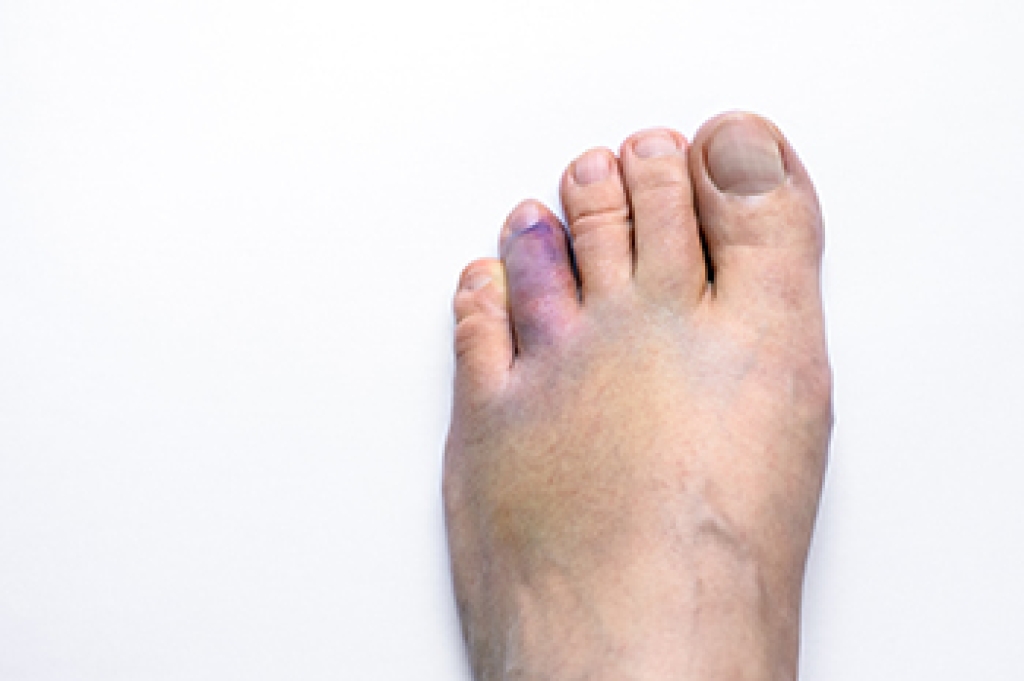
A broken toe can be painful. Despite the discomfort it can cause, it is generally not a serious injury. A broken toe can happen from stubbing it into a piece of furniture, or from dropping a heavy object on it. Bruising, swelling, and the inability to walk are common symptoms that can be experienced with a broken toe. A severely broken toe may have a protruding bone, and surgery may be required to align it properly. The buddy taping method is effective in treating toes that are mildly fractured. This is done by taping the affected toe to the toe next to it. This treatment method is generally successful in providing the necessary stability as the healing process occurs. Mild relief may be found if the foot is frequently elevated, which may help to reduce some of the swelling. If you have fractured your toe, it is suggested that you confer with a podiatrist who can diagnose and treat this condition.

A broken toe can be very painful and lead to complications if not properly fixed. If you have any concerns about your feet, contact Steven Black, DPM from California . Our doctor will treat your foot and ankle needs.

What to Know About a Broken Toe

Although most people try to avoid foot trauma such as banging, stubbing, or dropping heavy objects on their feet, the unfortunate fact is that it is a common occurrence. Given the fact that toes are positioned in front of the feet, they typically sustain the brunt of such trauma. When trauma occurs to a toe, the result can be a painful break (fracture).

Symptoms of a Broken Toe

  • Throbbing pain
  • Swelling
  • Bruising on the skin and toenail
  • The inability to move the toe
  • Toe appears crooked or disfigured
  • Tingling or numbness in the toe

Generally, it is best to stay off of the injured toe with the affected foot elevated.

Severe toe fractures may be treated with a splint, cast, and in some cases, minor surgery. Due to its position and the pressure it endures with daily activity, future complications can occur if the big toe is not properly treated.

If you have any questions, please feel free to contact our office located in Lancaster, CA . We offer the newest diagnostic and treatment technologies for all your foot care needs.

Read more about What to Know About a Broken Toe

Causes of a Stress Fracture

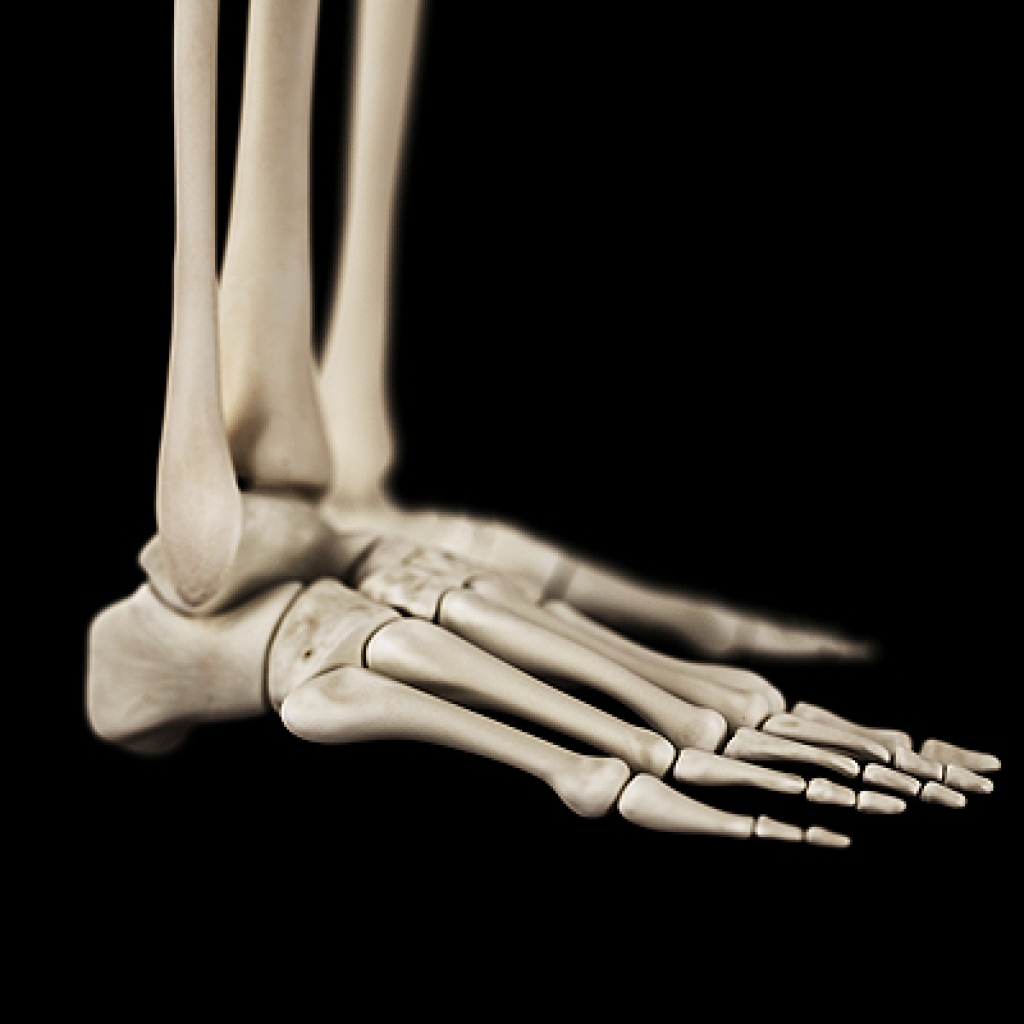
A hairline crack in a foot bone it's also known as a stress fracture. Frequently participating in running and jumping activities may cause stress fractures, which can happen from the repetitive force. A stress fracture can gradually occur, and many people choose to ignore the dull ache that accompanies this injury. When the pain becomes severe medical attention is often sought, and relief tactics are begun. Swelling may accompany a stress fracture, and walking can become difficult. A bone scan or an MRI can be performed to determine the extent of the fracture, as it may not be visible on an X-ray. Additionally, people who have osteoporosis or who consistently run on hard surfaces may be prone to getting a stress fracture. Treatment can begin by temporarily stopping the activity that caused the fracture, and elevating the affected foot may reduce the swelling. It may help to wear a protective boot that can provide the necessary stability as it heals. If you have a stress fracture of the foot, it is suggested that you confer with a podiatrist who can effectively diagnose and treat this condition.

Stress fractures occur when there is a tiny crack within a bone. To learn more, contact Steven Black, DPM from California . Our doctor can provide the care you need to keep you pain free and on your feet.

How Are They Caused?

Stress fractures are the result of repetitive force being placed on the bone. Since the lower leg and feet often carry most of the body’s weight, stress fractures are likely to occur in these areas. If you rush into a new exercise, you are more likely to develop a stress fracture since you are starting too much, too soon.  Pain resulting from stress fractures may go unnoticed at first, however it may start to worsen over time.

Risk Factors

  • Gender – They are more commonly found in women compared to men.
  • Foot Problems – People with unusual arches in their feet are more likely to develop stress fractures.
  • Certain Sports – Dancers, gymnasts, tennis players, runners, and basketball players are more likely to develop stress fractures.
  • Lack of Nutrients – A lack of vitamin D and calcium may weaken the bones and make you more prone to stress fractures
  • Weak Bones – Osteoporosis can weaken the bones therefore resulting in stress fractures

Stress fractures do not always heal properly, so it is important that you seek help from a podiatrist if you suspect you may have one. Ignoring your stress fracture may cause it to worsen, and you may develop chronic pain as well as additional fractures.

If you have any questions please contact our office located in Lancaster, CA . We offer the newest diagnostic and treatment technologies for all your foot and ankle needs.

Read more about Dealing with Stress Fractures of the Foot and Ankle

How Peripheral Neuropathy Affects the Feet

Peripheral neuropathy indicates damage to nerves that serve the extremities, and it commonly affects the lower limbs, feet, and toes. This condition is often caused as a result of sustaining high levels of blood sugar and is common among diabetics. Symptoms include sensations of numbness and tingling in the feet and toes, mainly because the nerves that serve those areas are unable to send messages to the extremities. Other symptoms are loss of the ability to feel pain and changes in temperature. This puts a patient in danger of ignoring cuts and sores that develop on the feet. It also means they cannot tell if they are walking on an extremely hot surface that could burn their feet. Burning and shooting pains are common in people who have developed peripheral neuropathy, and these frequently occur during the night. In addition, the skin is overly sensitive to touch, and even having a sheet over the lower extremities can cause discomfort. If you believe you may have developed peripheral neuropathy, it is suggested that you make an appointment with a podiatrist who can properly test for this condition and offer treatment options.

Neuropathy

Neuropathy can be a potentially serious condition, especially if it is left undiagnosed. If you have any concerns that you may be experiencing nerve loss in your feet, consult with Steven Black, DPM from California . Our doctor will assess your condition and provide you with quality foot and ankle treatment for neuropathy.

What Is Neuropathy?

Neuropathy is a condition that leads to damage to the nerves in the body. Peripheral neuropathy, or neuropathy that affects your peripheral nervous system, usually occurs in the feet. Neuropathy can be triggered by a number of different causes. Such causes include diabetes, infections, cancers, disorders, and toxic substances.

Symptoms of Neuropathy Include:

  • Numbness
  • Sensation loss
  • Prickling and tingling sensations
  • Throbbing, freezing, burning pains
  • Muscle weakness

Those with diabetes are at serious risk due to being unable to feel an ulcer on their feet. Diabetics usually also suffer from poor blood circulation. This can lead to the wound not healing, infections occurring, and the limb may have to be amputated.

Treatment

To treat neuropathy in the foot, podiatrists will first diagnose the cause of the neuropathy. Figuring out the underlying cause of the neuropathy will allow the podiatrist to prescribe the best treatment, whether it be caused by diabetes, toxic substance exposure, infection, etc. If the nerve has not died, then it’s possible that sensation may be able to return to the foot.

Pain medication may be issued for pain. Electrical nerve stimulation can be used to stimulate nerves. If the neuropathy is caused from pressure on the nerves, then surgery may be necessary.

If you have any questions, please feel free to contact our office located in Lancaster, CA . We offer the newest diagnostic and treatment technologies for all your foot care needs.

Read more about Neuropathy

Why Live with Pain and Numbness in Your Feet?

Suffering from this type of pain? You may have the foot condition known as Morton's neuroma. Morton's neuroma may develop as a result of ill-fitting footwear and existing foot deformities. We can help.

Connect With Us