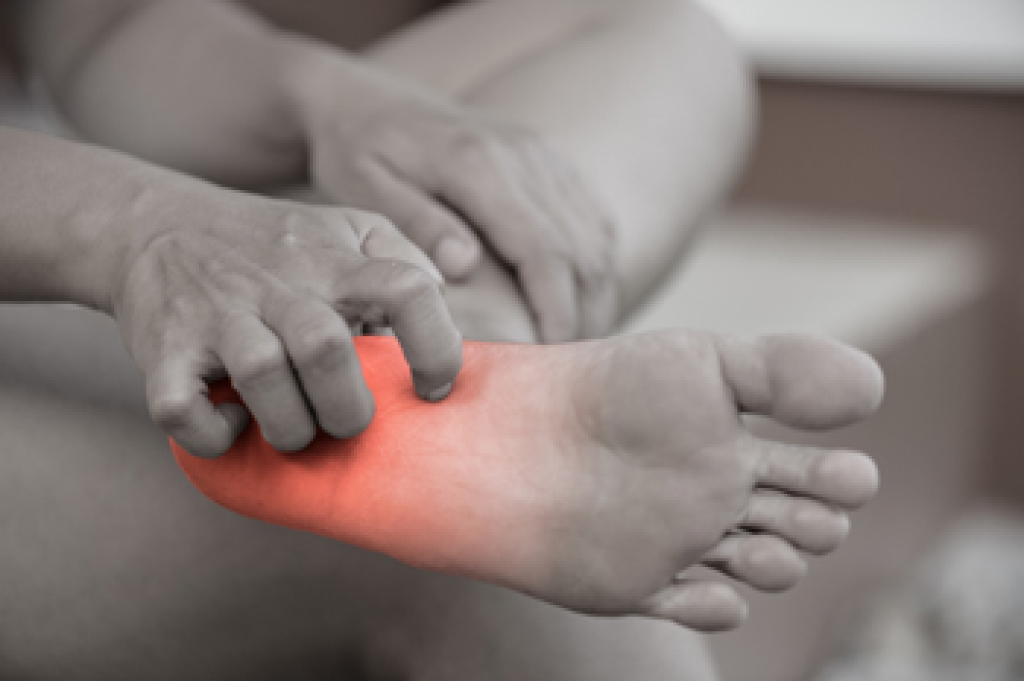
Facts About Diabetic Nerve Pain

Diabetic neuropathy is a common and serious complication of diabetes that affects the nerves, particularly in the legs and feet. Symptoms include numbness and tingling, often starting in the feet and spreading. Other indications of diabetic neuropathy are burning or sharp pain at night, muscle weakness that can impede walking or moving, and loss of balance, which increases the risk of falls. In some patients, skin changes, such as dry or cracked skin, and slow wound healing are common. Causes of diabetic neuropathy include uncontrolled blood sugar levels that can gradually damage nerves, and inflammation that harms nerve fibers. Diabetes can lead to poor circulation because of restricted blood flow to the feet. A family history of neuropathy may increase the risk, and smoking and overuse of alcohol can worsen nerve damage in diabetics. If you are experiencing diabetic neuropathy symptoms in the lower extremities, it is suggested that you make regular appointments with a podiatrist to monitor their progress. 

Neuropathy

Neuropathy can be a potentially serious condition, especially if it is left undiagnosed. If you have any concerns that you may be experiencing nerve loss in your feet, consult with Steven Black, DPM from California . Our doctor will assess your condition and provide you with quality foot and ankle treatment for neuropathy.

What Is Neuropathy?

Neuropathy is a condition that leads to damage to the nerves in the body. Peripheral neuropathy, or neuropathy that affects your peripheral nervous system, usually occurs in the feet. Neuropathy can be triggered by a number of different causes. Such causes include diabetes, infections, cancers, disorders, and toxic substances.

Symptoms of Neuropathy Include:

  • Numbness
  • Sensation loss
  • Prickling and tingling sensations
  • Throbbing, freezing, burning pains
  • Muscle weakness

Those with diabetes are at serious risk due to being unable to feel an ulcer on their feet. Diabetics usually also suffer from poor blood circulation. This can lead to the wound not healing, infections occurring, and the limb may have to be amputated.

Treatment

To treat neuropathy in the foot, podiatrists will first diagnose the cause of the neuropathy. Figuring out the underlying cause of the neuropathy will allow the podiatrist to prescribe the best treatment, whether it be caused by diabetes, toxic substance exposure, infection, etc. If the nerve has not died, then it’s possible that sensation may be able to return to the foot.

Pain medication may be issued for pain. Electrical nerve stimulation can be used to stimulate nerves. If the neuropathy is caused from pressure on the nerves, then surgery may be necessary.

If you have any questions, please feel free to contact our office located in Lancaster, CA . We offer the newest diagnostic and treatment technologies for all your foot care needs.
Read more about Neuropathy

Causes and Prevention of Athlete’s Foot

Athlete's foot, a common fungal infection of the skin on the feet, can cause discomfort and itching, making it essential to understand its causes and preventive measures. This contagious infection thrives in warm, moist environments, making sweaty feet or damp socks and shoes prime breeding grounds. Walking barefoot in public places such as locker rooms, swimming pool areas, or communal showers increases the risk of exposure to the fungus. Sharing towels, shoes, or socks with an infected person can also facilitate its spread. Certain factors can make individuals more susceptible to athlete's foot, such as compromised immune systems, diabetes, or excessive sweating. To prevent this bothersome condition, it is helpful to maintain good foot hygiene by washing and drying your feet thoroughly, especially between the toes. Keep feet dry and avoid tight, non-breathable shoes. If you suspect you have athlete's foot, it is suggested that you consult a podiatrist for prompt treatment to prevent further complications and the spread of the infection.

Athlete’s foot is an inconvenient condition that can be easily reduced with the proper treatment. If you have any concerns about your feet and ankles, contact Steven Black, DPM from California .  Our doctor will treat your foot and ankle needs.

Athlete’s Foot: The Sole Story

Athlete's foot, also known as tinea pedis, can be an extremely contagious foot infection. It is commonly contracted in public changing areas and bathrooms, dormitory style living quarters, around locker rooms and public swimming pools, or anywhere your feet often come into contact with other people.

Solutions to Combat Athlete’s Foot

  • Hydrate your feet by using lotion
  • Exfoliate
  • Buff off nails
  • Use of anti-fungal products
  • Examine your feet and visit your doctor if any suspicious blisters or cuts develop

Athlete’s foot can cause many irritating symptoms such as dry and flaking skin, itching, and redness. Some more severe symptoms can include bleeding and cracked skin, intense itching and burning, and even pain when walking. In the worst cases, Athlete’s foot can cause blistering as well. Speak to your podiatrist for a better understanding of the different causes of Athlete’s foot, as well as help in determining which treatment options are best for you.

If you have any questions please feel free to contact our office located in Lancaster, CA . We offer the newest diagnostic and treatment technologies for all your foot and ankle needs.

Read more about Athlete’s Foot

Numbness From Wearing High Heels

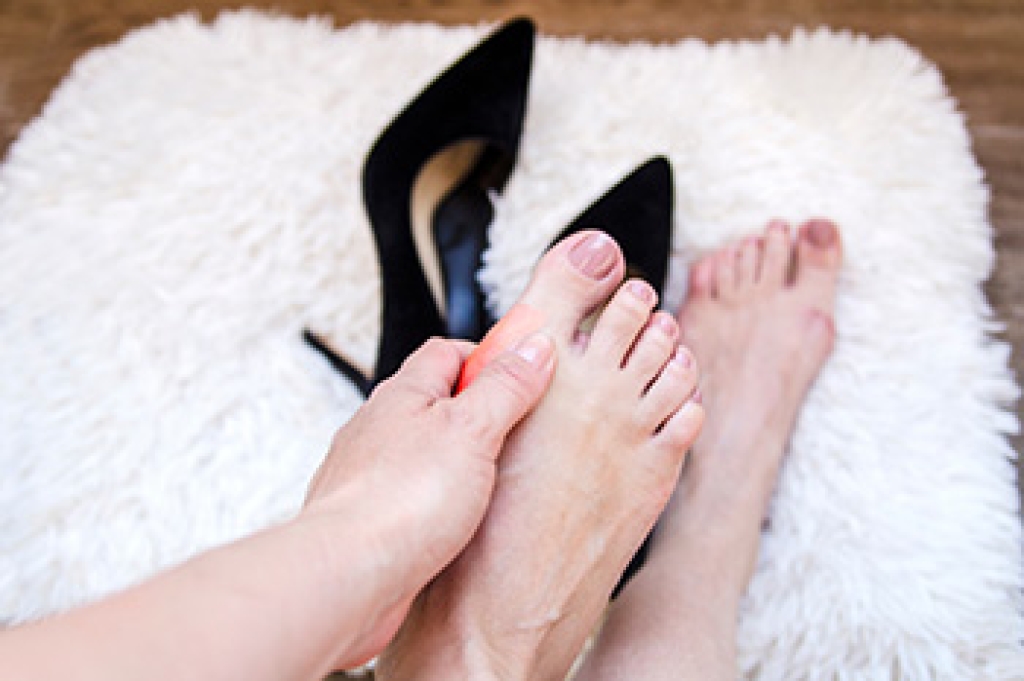
Many women wear high heels, which can lead to numbness in the toes. This common symptom is often overlooked, but it is essential to understand the potential consequences of wearing high-heeled shoes. The primary cause of toe numbness from wearing high heels is the pressure placed on the ball of the foot. As you elevate your heel, your body's weight shifts forward, concentrating the load on a small area. This excess force can compress nerves and blood vessels, and the resulting reduction in blood flow to the front of the foot can cause toes to go numb. Over time, this restricted blood flow can lead to numbness and tingling sensations, making each step more troublesome. Additionally, the unnatural arch in high heels can strain the muscles and ligaments, which adds to the problem. To minimize numbness in the toes, opt for lower heel heights, wear cushioned insoles, and take regular breaks from wearing high heels. If you are experiencing numbness in the toes and feet, which may be the result of wearing high heels, it is suggested that you make an appointment with a podiatrist for an evaluation.

High heels have a history of causing foot and ankle problems. If you have any concerns about your feet or ankles, contact Steven Black, DPM from California . Our doctor can provide the care you need to keep you pain-free and on your feet.

Effects of High Heels on the Feet

High heels are popular shoes among women because of their many styles and societal appeal.  Despite this, high heels can still cause many health problems if worn too frequently.

Which Parts of My Body Will Be Affected by High Heels?

  • Ankle Joints
  • Achilles Tendon – May shorten and stiffen with prolonged wear
  • Balls of the Feet
  • Knees – Heels cause the knees to bend constantly, creating stress on them
  • Back – They decrease the spine’s ability to absorb shock, which may lead to back pain.  The vertebrae of the lower back may compress.

What Kinds of Foot Problems Can Develop from Wearing High Heels?

  • Corns
  • Calluses
  • Hammertoe
  • Bunions
  • Morton’s Neuroma
  • Plantar Fasciitis

How Can I Still Wear High Heels and Maintain Foot Health?

If you want to wear high heeled shoes, make sure that you are not wearing them every day, as this will help prevent long term physical problems.  Try wearing thicker heels as opposed to stilettos to distribute weight more evenly across the feet.  Always make sure you are wearing the proper shoes for the right occasion, such as sneakers for exercising.  If you walk to work, try carrying your heels with you and changing into them once you arrive at work.  Adding inserts to your heels can help cushion your feet and absorb shock. Full foot inserts or metatarsal pads are available. 

If you have any questions, please feel free to contact our office located in Lancaster, CA . We offer the newest diagnostic and treatment technologies for all your foot care needs.
Read more about Effect of High Heels on the Feet

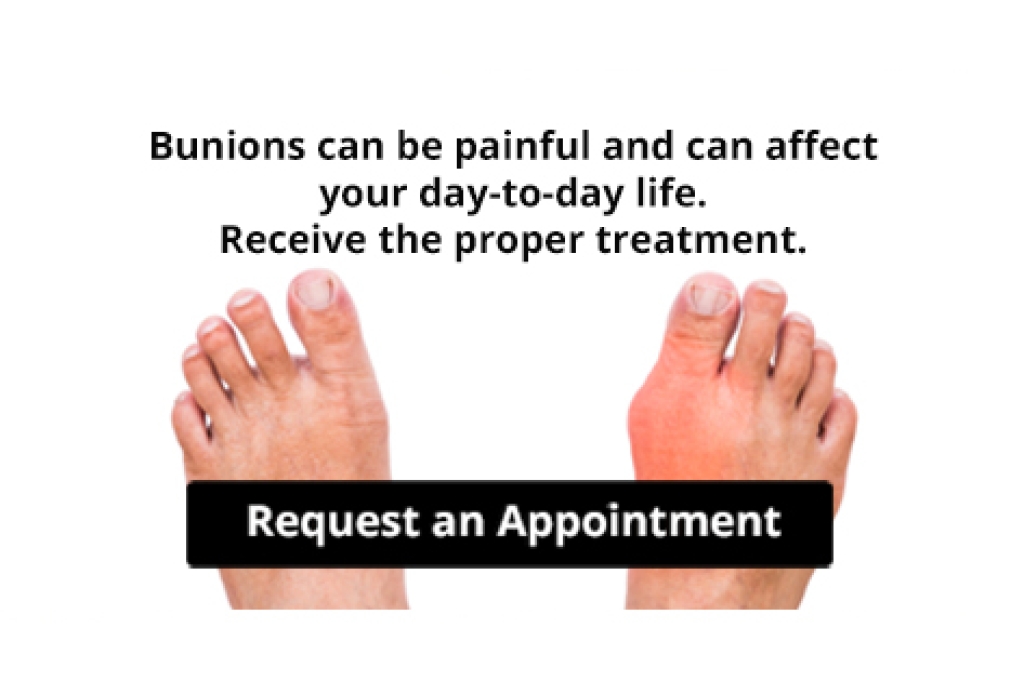
Are Bunions Affecting Your Everyday Life?

Have you noticed a bony protrusion on the side of your big toe? If so, you may have developed the foot condition known as a bunion. Don't let bunions interfere with your daily activities.

Foot Pain and Mobility

Foot health plays a crucial role in maintaining an active and mobile lifestyle as you age. Your feet serve as the foundation for your lower extremities. Any significant foot disorder can impact your ability to walk, perform daily activities, and even engage in mild exercise. Having foot pain can lead to changes in your gait, which can, over time, affect your ankles, knees, hips, and even your back. While aging naturally brings changes to your feet, including alterations in shoe size and structure, discomfort and pain should not be considered normal. Properly fitting, supportive, and comfortable shoes can help prevent issues such as corns, arch pain, and bunions. Certain occupations may require safety toed shoes that may help to avoid foot injuries. Practical steps to promote foot health include daily foot inspections, regular toenail maintenance, and walking in comfortable shoes.  Addressing foot problems early and adopting preventive measures can reduce chronic pain, infections, hospital visits, and help you maintain your mobility. If you are having foot problems, it is suggested that you make an appointment with a podiatrist for a proper diagnosis and a treatment plan that is right for you.

Foot Pain

Foot pain can be extremely painful and debilitating. If you have a foot pain, consult with Steven Black, DPM from California . Our doctor will assess your condition and provide you with quality foot and ankle treatment.

Causes

Foot pain is a very broad condition that could be caused by one or more ailments. The most common include:

  • Bunions
  • Hammertoes
  • Plantar Fasciitis
  • Bone Spurs
  • Corns
  • Tarsal Tunnel Syndrome
  • Ingrown Toenails
  • Arthritis (such as Gout, Rheumatoid, and Osteoarthritis)
  • Flat Feet
  • Injury (from stress fractures, broken toe, foot, ankle, Achilles tendon ruptures, and sprains)
  • And more

Diagnosis

To figure out the cause of foot pain, podiatrists utilize several different methods. This can range from simple visual inspections and sensation tests to X-rays and MRI scans. Prior medical history, family medical history, and any recent physical traumatic events will all be taken into consideration for a proper diagnosis.

Treatment

Treatment depends upon the cause of the foot pain. Whether it is resting, staying off the foot, or having surgery; podiatrists have a number of treatment options available for foot pain.

If you have any questions, please feel free to contact our office located in Lancaster, CA . We offer the newest diagnostic and treatment technologies for all your foot care needs.
Read more about Foot Pain

Connect With Us