
Symptoms and Causes of Poor Circulation in the Feet

Poor circulation in the feet can lead to discomfort and may signal underlying health concerns. Common symptoms include cold feet, tingling, numbness, cramping, or a heavy sensation, especially during walking or rest. The skin may appear pale or bluish, and wounds may heal slowly. These signs often result from reduced blood flow, which limits oxygen and nutrient delivery to the tissues. Causes include peripheral artery disease, where narrowed blood vessels restrict circulation, and diabetes, which can damage blood vessels over time. Other contributing factors are smoking, obesity, and a sedentary lifestyle. Poor circulation can also stem from blood clots or nerve conditions. If you have any of the above symptoms, it is strongly suggested that you visit a podiatrist who can help you to manage this condition.

Poor circulation is a serious condition and needs immediate medical attention. If you have any concerns with poor circulation in your feet contact Steven Black, DPM of California . Our doctor will treat your foot and ankle needs.

Poor Circulation in the Feet

Poor blood circulation in the feet and legs is can be caused by peripheral artery disease (PAD), which is the result of a buildup of plaque in the arteries.

Plaque buildup or atherosclerosis results from excess calcium and cholesterol in the bloodstream. This can restrict the amount of blood which can flow through the arteries. Poor blood circulation in the feet and legs are sometimes caused by inflammation in the blood vessels, known as vasculitis.

Causes

Lack of oxygen and oxygen from poor blood circulation restricts muscle growth and development. It can also cause:

  • Muscle pain, stiffness, or weakness 
  • Numbness or cramping in the legs
  • Skin discoloration
  • Slower nail & hair growth
  • Erectile dysfunction

Those who have diabetes or smoke are at greatest risk for poor circulation, as are those who are over 50. If you have poor circulation in the feet and legs it may be caused by PAD and is important to make changes to your lifestyle in order to reduce risk of getting a heart attack or stroke. Exercise and maintaining a healthy lifestyle will dramatically improve conditions.

As always, see a podiatrist as he or she will assist in finding a regimen that suits you. A podiatrist can also prescribe you any needed medication. 

If you have any questions, please feel free to contact our office located in Lancaster, CA . We offer the newest diagnostic and treatment technologies for all your foot care needs.

Read more about Causes, Symptoms, and Treatment of Poor Blood Circulation in the Feet

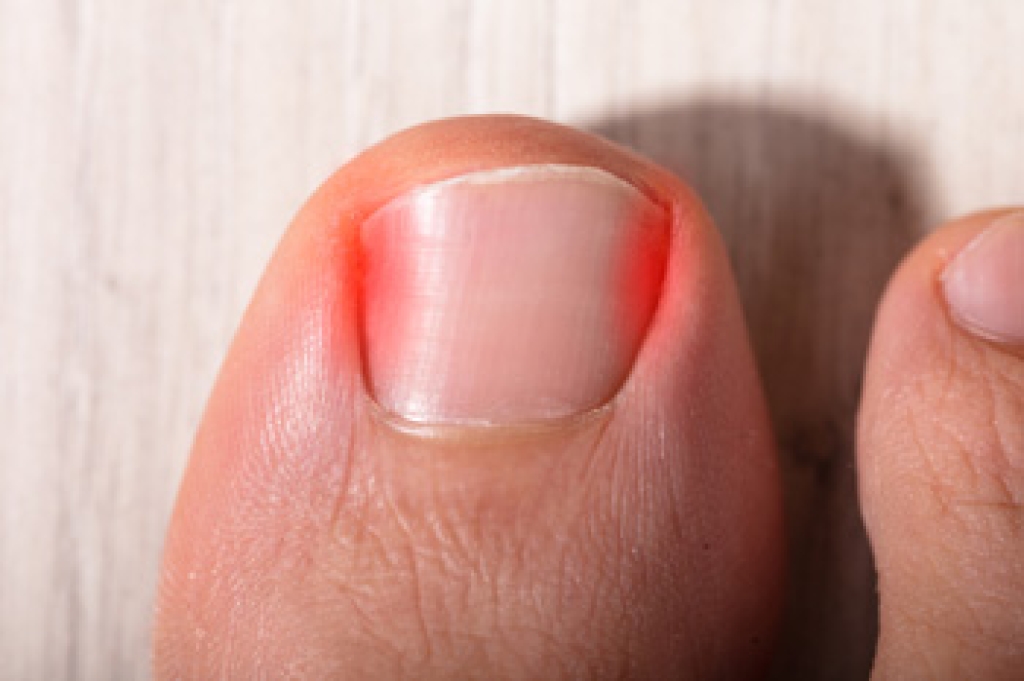
Are You Suffering From Ingrown Toenails?

If left untreated, an ingrown toenail can lead to more serious concerns, such as an infection. Knowing proper nail care can help in the prevention of an ingrown toenail. Give us a call, and get treated!

What Your Feet Reveal About Your Health

The condition of the feet can provide important clues about overall health. Poor circulation, often linked to diabetes or vascular disease, may cause cold feet, numbness, or slow-healing wounds. Changes in toenails, such as discoloration or thickening, can indicate fungal infections or underlying medical conditions. The arches of the feet play a role in posture and alignment, and issues such as flat feet or high arches may contribute to joint pain and imbalance. Skin conditions, including dryness, cracks, or unusual rashes, may signal nutritional deficiencies or autoimmune disorders. Persistent foot odor, beyond normal sweating, can suggest bacterial or fungal infections. If you notice any changes to your feet, it is suggested that you visit a podiatrist who can link any of these changes to possible health issues and provide treatment.

When dealing with systemic disease of the feet, it is extremely important to check the affected areas routinely so that any additional problems are caught quickly.  If you have any concerns about your feet and ankles contact Steven Black, DPM from California . Our doctor will assist you with all of your podiatric needs.

Systemic Diseases of the Feet

Systemic diseases affect the whole body, and symptoms usually are displayed in the feet. This condition can make a patient’s ability to walk unbearable.  Systemic diseases include gout, diabetes mellitus, neurological disorders, and arthritis.

Gout – is caused by an excess of uric acid in the body. Common symptoms include pain, inflammation, and redness at the metatarsal/phalangeal joint of the base big toe. Gout can be treated by NSAIDs to relieve pain and inflammation, and other drugs that lower the acid levels in the body.

Diabetes mellitus – is an increase in the level of blood sugar that the body cannot counteract with its own insulin. Failure to produce enough insulin is a factor in Diabetes.

Diabetes of the Feet

Diabetic Neuropathy – may lead to damaged nerves and affect the feet through numbness and loss of sensation.

Peripheral Vascular Disease – can restrict the blood flow to the feet, and often times lead to amputation of the feet. 

If you have any questions please contact our office located in Lancaster, CA . We offer the newest diagnostic and treatment technologies for all your foot and ankle needs.

Read more about Systemic Diseases of the Foot

Flat Feet and High Heels

Wearing high-heeled shoes can be especially challenging for people with flat feet, as the lack of arch support causes increased strain on the toes, arches, and ankles. High heels shift body weight forward, placing excessive pressure on the forefoot and forcing the ankle into an unnatural position. This can contribute to foot fatigue, pain, and an increased risk of bunions, hammertoes, and ankle instability. Without proper arch support, the foot may overpronate, leading to misalignment and additional stress on the lower leg. People with flat feet may also find it more difficult to maintain their balance in high heels, which can increase the likelihood of ankle sprains. A podiatrist can assess your foot mechanics and recommend custom orthotics or shoe modifications to improve comfort and stability. In cases where conservative approaches do not relieve pain, surgery may be considered to address structural concerns. If you have flat feet and experience pain wearing high heeled shoes, it is suggested that you schedule an appointment with a podiatrist for an exam, diagnosis, and treatment options.

High heels have a history of causing foot and ankle problems. If you have any concerns about your feet or ankles, contact Steven Black, DPM from California . Our doctor can provide the care you need to keep you pain-free and on your feet.

Effects of High Heels on the Feet

High heels are popular shoes among women because of their many styles and societal appeal.  Despite this, high heels can still cause many health problems if worn too frequently.

Which Parts of My Body Will Be Affected by High Heels?

  • Ankle Joints
  • Achilles Tendon – May shorten and stiffen with prolonged wear
  • Balls of the Feet
  • Knees – Heels cause the knees to bend constantly, creating stress on them
  • Back – They decrease the spine’s ability to absorb shock, which may lead to back pain.  The vertebrae of the lower back may compress.

What Kinds of Foot Problems Can Develop from Wearing High Heels?

  • Corns
  • Calluses
  • Hammertoe
  • Bunions
  • Morton’s Neuroma
  • Plantar Fasciitis

How Can I Still Wear High Heels and Maintain Foot Health?

If you want to wear high heeled shoes, make sure that you are not wearing them every day, as this will help prevent long term physical problems.  Try wearing thicker heels as opposed to stilettos to distribute weight more evenly across the feet.  Always make sure you are wearing the proper shoes for the right occasion, such as sneakers for exercising.  If you walk to work, try carrying your heels with you and changing into them once you arrive at work.  Adding inserts to your heels can help cushion your feet and absorb shock. Full foot inserts or metatarsal pads are available. 

If you have any questions, please feel free to contact our office located in Lancaster, CA . We offer the newest diagnostic and treatment technologies for all your foot care needs.

Read more about Effect of High Heels on the Feet

How to Manage an Ingrown Toenail

Ingrown toenails occur when the edges of the nail grow into the surrounding skin, causing pain, redness, and swelling. The area may become tender, and in some cases, it can become infected, leading to pus or an increased risk of complications. The primary causes of ingrown toenails include improper nail trimming, wearing tight shoes, or having naturally curved nails. This condition often results in sharp, throbbing pain, especially when pressure is applied, such as while walking or wearing shoes. A podiatrist can help by gently lifting the ingrown nail or, in more severe cases, removing part of the nail. This type of doctor may also recommend methods to prevent recurrence, such as proper nail care and footwear adjustments. If you are experiencing painful ingrown toenails, it is suggested that you schedule an appointment with a podiatrist.

Ingrown toenails can become painful if they are not treated properly. For more information about ingrown toenails, contact Steven Black, DPM of California . Our doctor can provide the care you need to keep you pain-free and on your feet.

Ingrown Toenails

Ingrown toenails occur when a toenail grows sideways into the bed of the nail, causing pain, swelling, and possibly infection.

Causes

  • Bacterial infections
  • Improper nail cutting such as cutting it too short or not straight across
  • Trauma to the toe, such as stubbing, which causes the nail to grow back irregularly
  • Ill-fitting shoes that bunch the toes too close together
  • Genetic predisposition

Prevention

Wearing proper fitting shoes and using proper cutting techniques will also help decrease your risk of developing ingrown toenails.

Treatment

Ingrown toenails are a very treatable foot condition. In minor cases, soaking the affected area in salt or antibacterial soaps will not only help with the ingrown nail itself, but also help prevent any infections from occurring. In more severe cases, surgery is an option. In either case, speaking to your podiatrist about this condition will help you get a better understanding of specific treatment options that are right for you.

If you have any questions, please feel free to contact our office located in Lancaster, CA . We offer the newest diagnostic and treatment technologies for all your foot care needs.
Read more about Ingrown Toenails

Connect With Us