
Neuropathy is a condition that can lead to numbness or loss of sensation in the feet, but it can also cause pain. This condition is more likely to develop for those who are diabetic, obese, or with high blood pressure.
Neuropathy is a condition that can lead to numbness or loss of sensation in the feet, but it can also cause pain. This condition is more likely to develop for those who are diabetic, obese, or with high blood pressure.

Non-diabetic foot problems are common and can affect comfort and daily activity. Foot odor is caused by bacteria breaking down sweat. Toe jam, or gunk, can build up between the toes and may lead to irritation or infection. Cracked heels develop when the skin becomes dry and splits, sometimes causing pain with walking. Additionally, friction blisters form when shoes rub against the skin, creating fluid-filled areas that can break open. These issues may seem minor, but they can worsen if ignored. A podiatrist can evaluate the skin, nails, and foot structure to find the cause of foot pain and provide proper treatment. Care may include debridement, topical therapy, or footwear guidance. If you have any type of foot pain, it is suggested that you consult a podiatrist who can offer effective relief and treatment solutions.
Foot Pain
Foot pain can be extremely painful and debilitating. If you have a foot pain, consult with Steven Black, DPM from California . Our doctor will assess your condition and provide you with quality foot and ankle treatment.
Causes
Foot pain is a very broad condition that could be caused by one or more ailments. The most common include:
Diagnosis
To figure out the cause of foot pain, podiatrists utilize several different methods. This can range from simple visual inspections and sensation tests to X-rays and MRI scans. Prior medical history, family medical history, and any recent physical traumatic events will all be taken into consideration for a proper diagnosis.
Treatment
Treatment depends upon the cause of the foot pain. Whether it is resting, staying off the foot, or having surgery; podiatrists have a number of treatment options available for foot pain.
If you have any questions, please feel free to contact our office located in Lancaster, CA . We offer the newest diagnostic and treatment technologies for all your foot care needs.
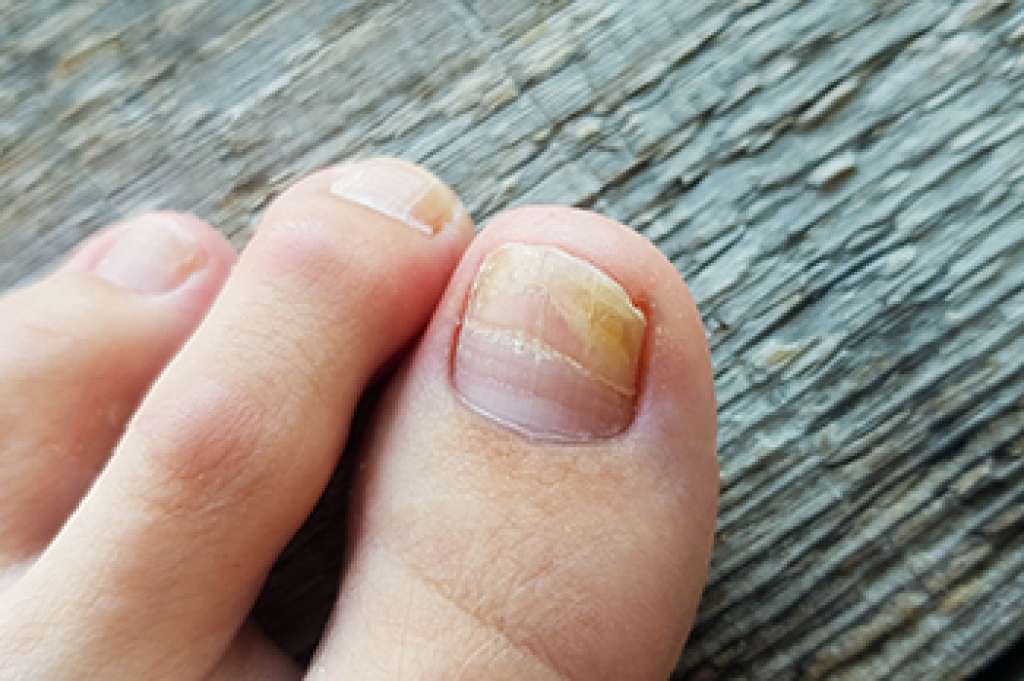
Toenail fungus and toenail mold are different infections, but both can cause changes in the appearance of the nails. Toenail fungus is caused by fungi and usually leads to thick, yellow, brittle, or crumbly nails. Toenail mold is caused by bacteria and commonly causes green, black, or dark discoloration beneath the nail. Both conditions can cause nail lifting, odor, and discomfort, but treatments are different. Risk factors include nail injuries, wearing damp shoes, and walking in moist public areas. A podiatrist can examine the nail and perform tests to identify the exact cause of the infection. Treatment depends on the type of infection and the severity of the nail damage. Early treatment is important, because untreated infections can spread to nearby skin or affect additional nails. If you have symptoms of a toenail infection, it is suggested that you schedule an appointment with a podiatrist for a diagnosis and appropriate treatment.
If left untreated, toenail fungus may spread to other toenails, skin, or even fingernails. If you suspect you have toenail fungus it is important to seek treatment right away. For more information about treatment, contact Steven Black, DPM of California . Our doctor can provide the care you need to keep you pain-free and on your feet.
Symptoms
Treatment
If self-care strategies and over-the-counter medications does not help your fungus, your podiatrist may give you a prescription drug instead. Even if you find relief from your toenail fungus symptoms, you may experience a repeat infection in the future.
Prevention
In order to prevent getting toenail fungus in the future, you should always make sure to wash your feet with soap and water. After washing, it is important to dry your feet thoroughly especially in between the toes. When trimming your toenails, be sure to trim straight across instead of in a rounded shape. It is crucial not to cover up discolored nails with nail polish because that will prevent your nail from being able to “breathe”.
In some cases, surgical procedure may be needed to remove the toenail fungus. Consult with your podiatrist about the best treatment options for your case of toenail fungus.
If you have any questions please contact our office located in Lancaster, CA . We offer the newest diagnostic and treatment technologies for all your foot and ankle needs.

A Lisfranc fracture is a break or injury to the bones and joints in the middle of the foot that support the arch and connect the forefoot to the rest of the foot. Because the symptoms can resemble a sprain, this injury is often overlooked. Pain in the mid-foot, swelling, and difficulty bearing weight are common signs. Bruising on the bottom of the foot may be present. A podiatrist can perform a detailed exam and order imaging tests, such as X-rays or advanced scans, to confirm the diagnosis. Early detection is important to prevent long-term joint damage and loss of stability. Treatment depends on the severity and may include immobilization, supportive devices, or surgery to restore proper alignment. Care focuses on protecting the arch and guiding recovery. If you have symptoms of a Lisfranc fracture, it is suggested that you schedule an appointment with a podiatrist for a diagnosis and appropriate treatment.
A broken foot requires immediate medical attention and treatment. If you need your feet checked, contact Steven Black, DPM from California . Our doctor can provide the care you need to keep you pain-free and on your feet.
Broken Foot Causes, Symptoms, and Treatment
A broken foot is caused by one of the bones in the foot typically breaking when bended, crushed, or stretched beyond its natural capabilities. Usually the location of the fracture indicates how the break occurred, whether it was through an object, fall, or any other type of injury.
Common Symptoms of Broken Feet:
Those that suspect they have a broken foot shoot seek urgent medical attention where a medical professional could diagnose the severity.
Treatment for broken bones varies depending on the cause, severity and location. Some will require the use of splints, casts or crutches while others could even involve surgery to repair the broken bones. Personal care includes the use of ice and keeping the foot stabilized and elevated.
If you have any questions, please feel free to contact our office located in Lancaster, CA . We offer the newest diagnostic and treatment technologies for all your foot care needs.

Running with plantar fasciitis can be difficult because it puts stress on the bottom of the foot. The plantar fascia is a strong band of tissue that supports the arch and absorbs impact during movement. When this tissue becomes irritated, runners may feel sharp heel pain or soreness along the foot. Continuing to run without proper precautions can increase strain and delay healing. A podiatrist can examine foot structure, walking patterns, and running form to find the source of stress. Imaging may be used to confirm the condition and rule out other problems. Suggestions for running with plantar fasciitis include custom orthotics, better footwear support, and a plan to improve strength and flexibility in the foot and ankle. If you are a runner with symptoms of plantar fasciitis, it is suggested that you schedule an appointment with a podiatrist for a diagnosis and a safe activity plan.
Plantar fasciitis can be very painful and inconvenient. If you are experiencing heel pain or symptoms of plantar fasciitis, contact Steven Black, DPM from California . Our doctor can provide the care you need to keep you pain-free and on your feet.
What Is Plantar Fasciitis?
Plantar fasciitis is the inflammation of the thick band of tissue that runs along the bottom of your foot, known as the plantar fascia, and causes mild to severe heel pain.
What Causes Plantar Fasciitis?
How Can It Be Treated?
While very treatable, plantar fasciitis is definitely not something that should be ignored. Especially in severe cases, speaking to your doctor right away is highly recommended to avoid complications and severe heel pain. Your podiatrist can work with you to provide the appropriate treatment options tailored to your condition.
If you have any questions, please feel free to contact our office located in Lancaster, CA . We offer the newest diagnostic and treatment technologies for all your foot care needs.
Connect With Us
